Nääs Castle: A Swedish Manor and Craft-Teacher School
Site at a Glance
- Popularity
- High
- Country
- Sweden
- Primary era
- Modern
- Eras represented
- Modern
- Civilizations
- Swedish
- Site type
- Domestic
- Remains
- Manor House
On this page7 sections
History
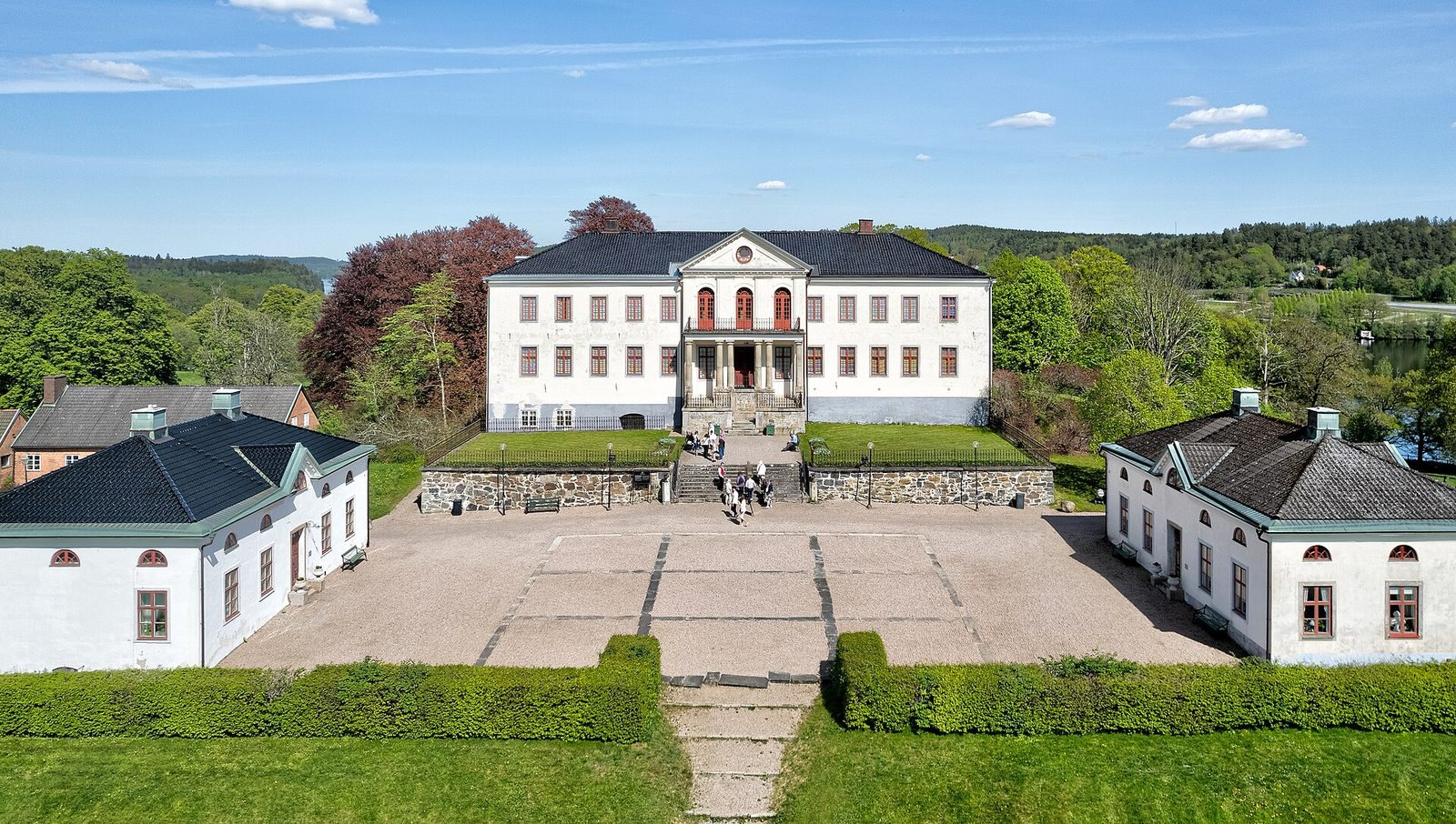
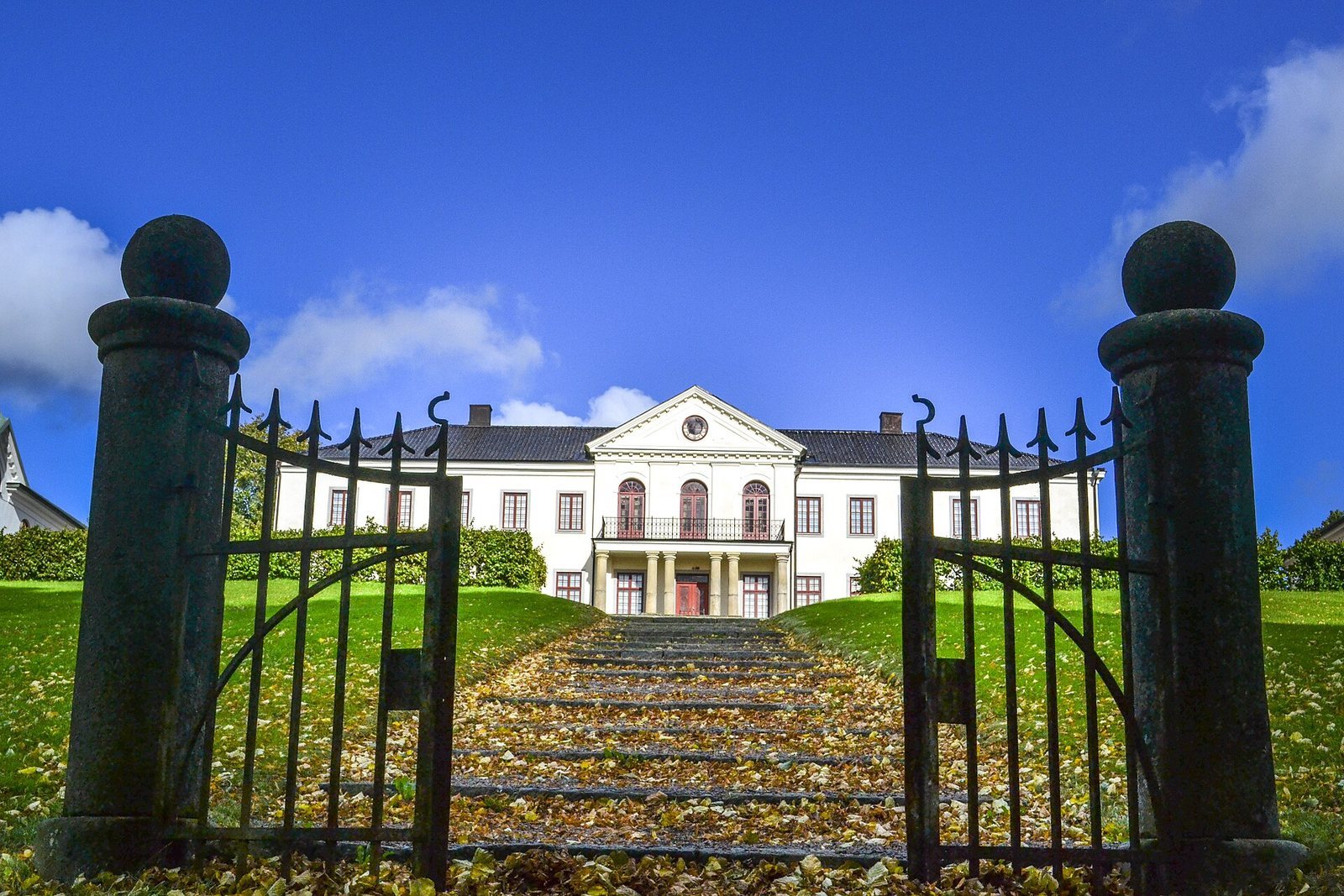
Nääs Castle is a mansion in Lerum Municipality, Sweden, beside Lake Sävelången and east of Floda. Its construction date is uncertain, though tradition links a hunting castle at Näs to Kristian II, who briefly ruled Sweden in the early 16th century. The mansion was remodelled in the early 19th century in the Classicist style. Its later history is closely tied to a craft-teacher school that brought international recognition to the estate.
The estate before 1824
The earliest documentary evidence for Nääs Estate is a title deed dated 3 October 1529, which does not establish when the castle was built. Joen Småswen, the first known owner, built a large manor on the estate. In the late 16th century, the property belonged to Göran Eriksson Ulfsparre, governor of western Sweden. It later passed among members of the Ulfsparre family and the noble families Lilliehöök, Natt och Dag, Cronsköld, Oxenstierna, Göthenstierna, von Utfall, and Reenstierna.
From private estate to craft school
The estate was sold in 1824 to Peter Wilhelm Berg, a wholesaler from Gothenburg. After his death, it was divided among his surviving children. His son Theodor and daughter Nensy received the Nääs factories, while his youngest son, Gottfrid, inherited the remainder, including the mansion. In 1868, another Gothenburg wholesaler, August Abrahamson, bought the mansion and associated land and began refurnishing the castle. Four years later, he and his nephew Otto Abrahamsson founded a school specializing in the training of craft teachers.
The school became internationally known for its innovative teaching in the late 19th and early 20th centuries. For more than fifty years, Nääs was regarded as a link between Sweden and the wider world.
The foundation and legacy
Abrahamson’s will provided for the estate to pass to a foundation that would continue the craft-teacher seminary. The August Abrahamson Foundation was established on 7 April 1898 for that purpose and continues to administer and maintain Nääs. Its aims include conserving the estate as cultural heritage and supporting craftsmanship through education, research and development, and the preservation and sharing of craft knowledge. Nääs Castle received protection as a historic building under Swedish heritage law in 1991.
Swedish novelist Selma Lagerlöf dedicated chapter 52 of The Wonderful Adventures of Nils to the craft school at Nääs.
Remains
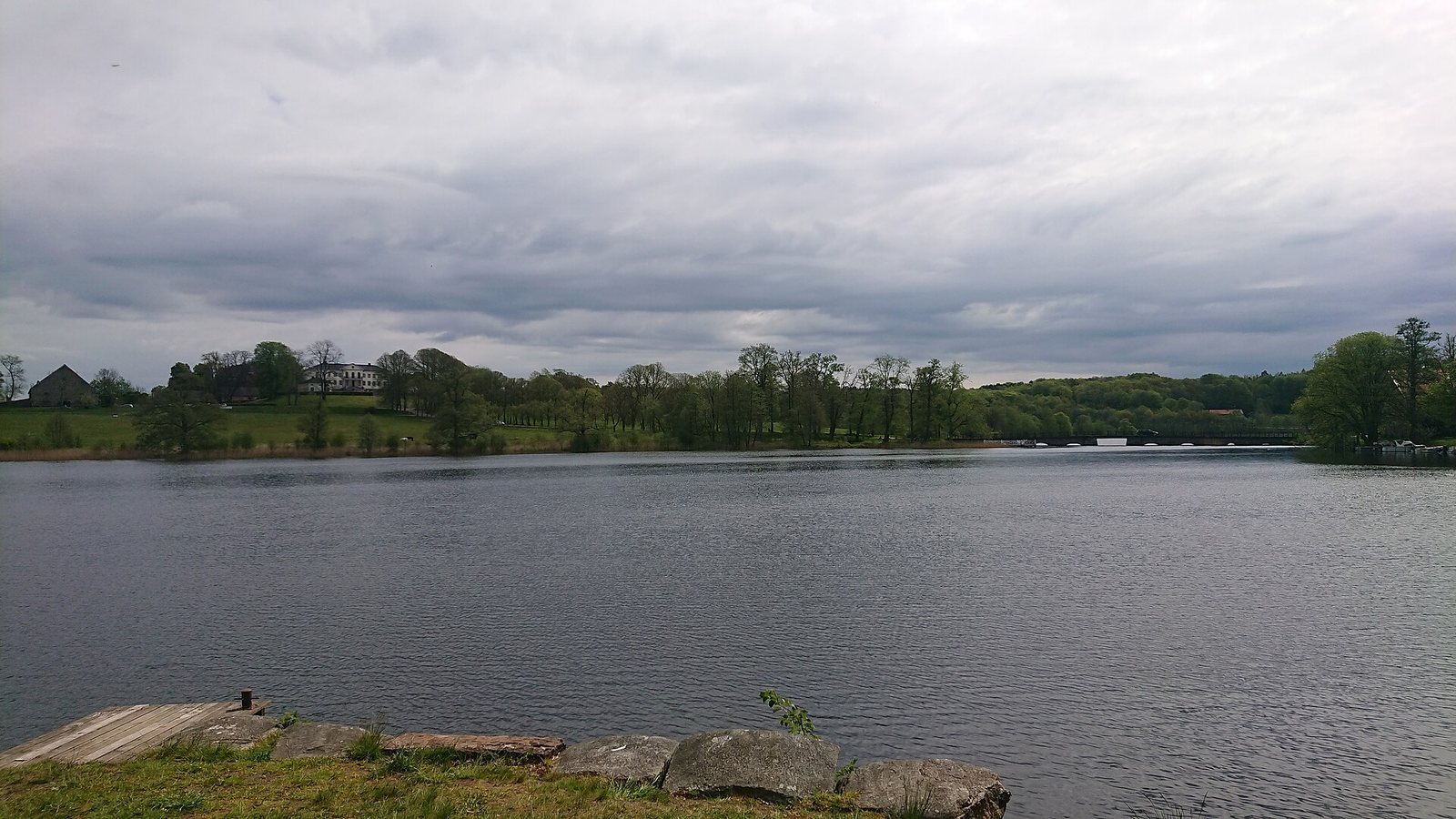
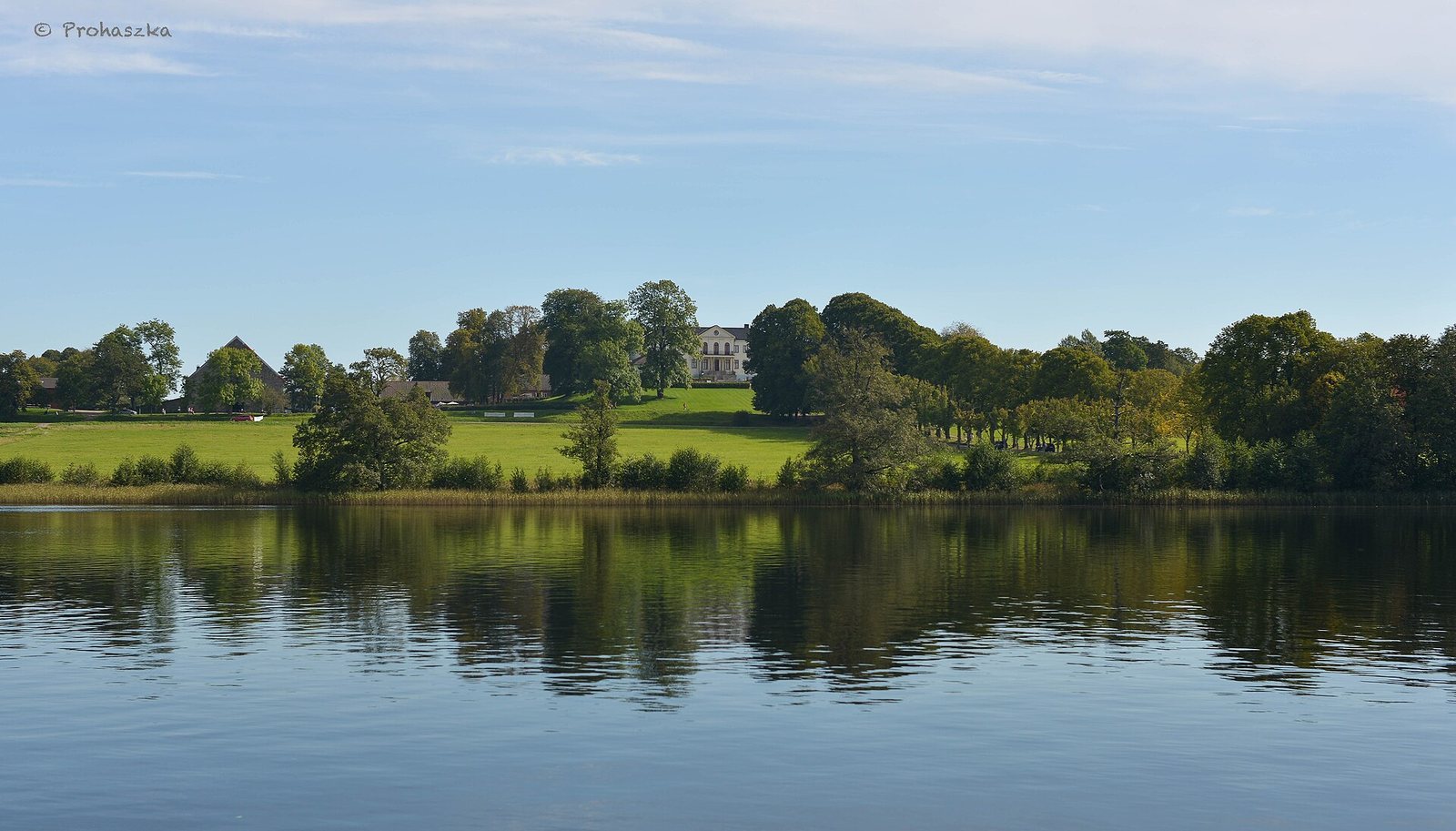
The mansion stands on high ground above Lake Sävelången, while the large manor built by Joen Småswen occupied a promontory in the lake. The estate covers approximately 1,500 hectares and comprises around 60 buildings.
The mansion and garden
The mansion’s non-service rooms preserve their late-19th-century appearance. Its service rooms were used for school purposes. In the garden on the north side of the mansion, a memorial stone commemorates Berg’s seven children who died in childhood.
Buildings of the craft college
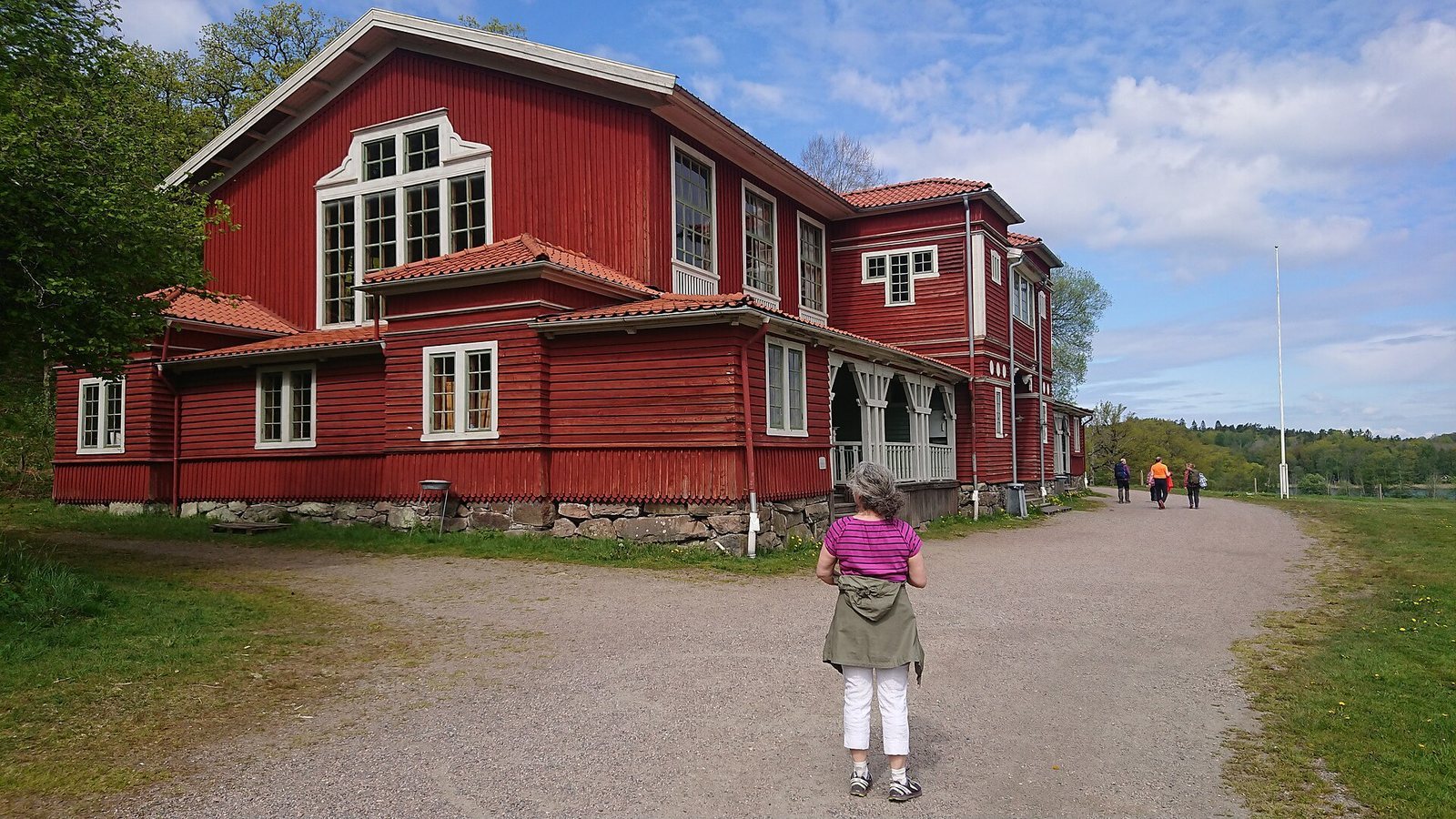
The craft college’s official building was Slöjdseminariet, one of the buildings on the estate.