National Anthem Museum in Będomin: A Branch of the National Museum in Gdańsk
Site at a Glance
- Popularity
- Medium
- Country
- Poland
- Primary era
- Early Modern
- Eras represented
- Early Modern, Modern
- Civilizations
- German, Kingdom of Prussia, Polish–Lithuanian Commonwealth
- Site type
- Domestic
- Remains
- Manor House
On this page11 sections
History
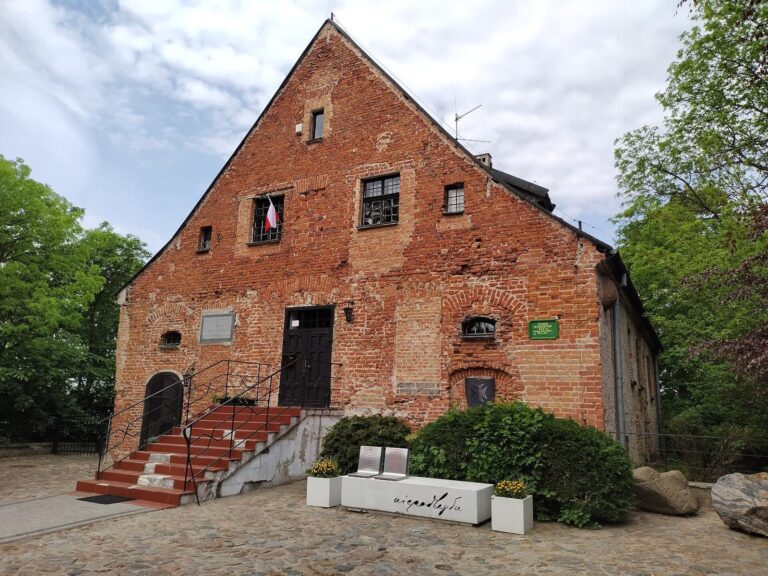
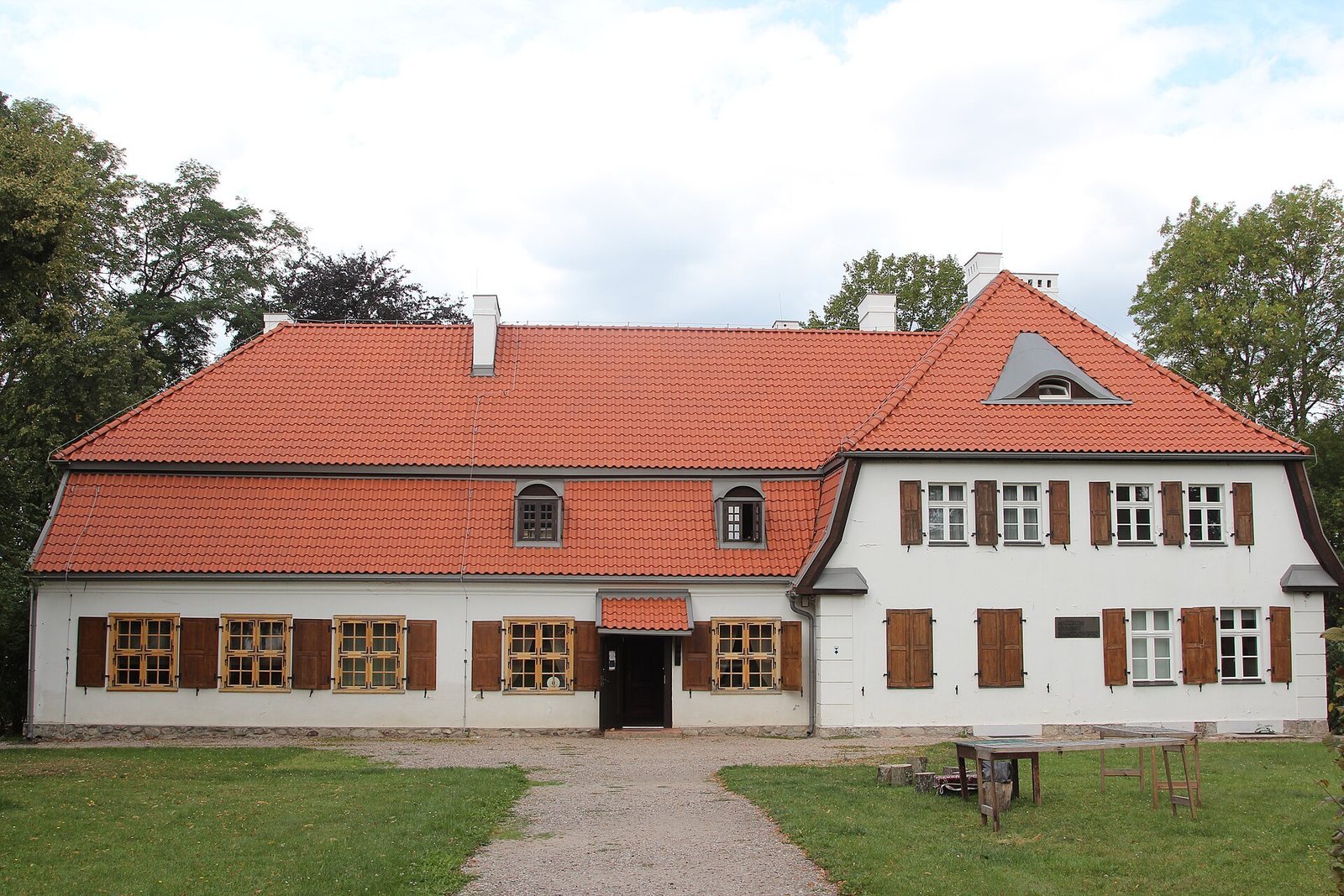
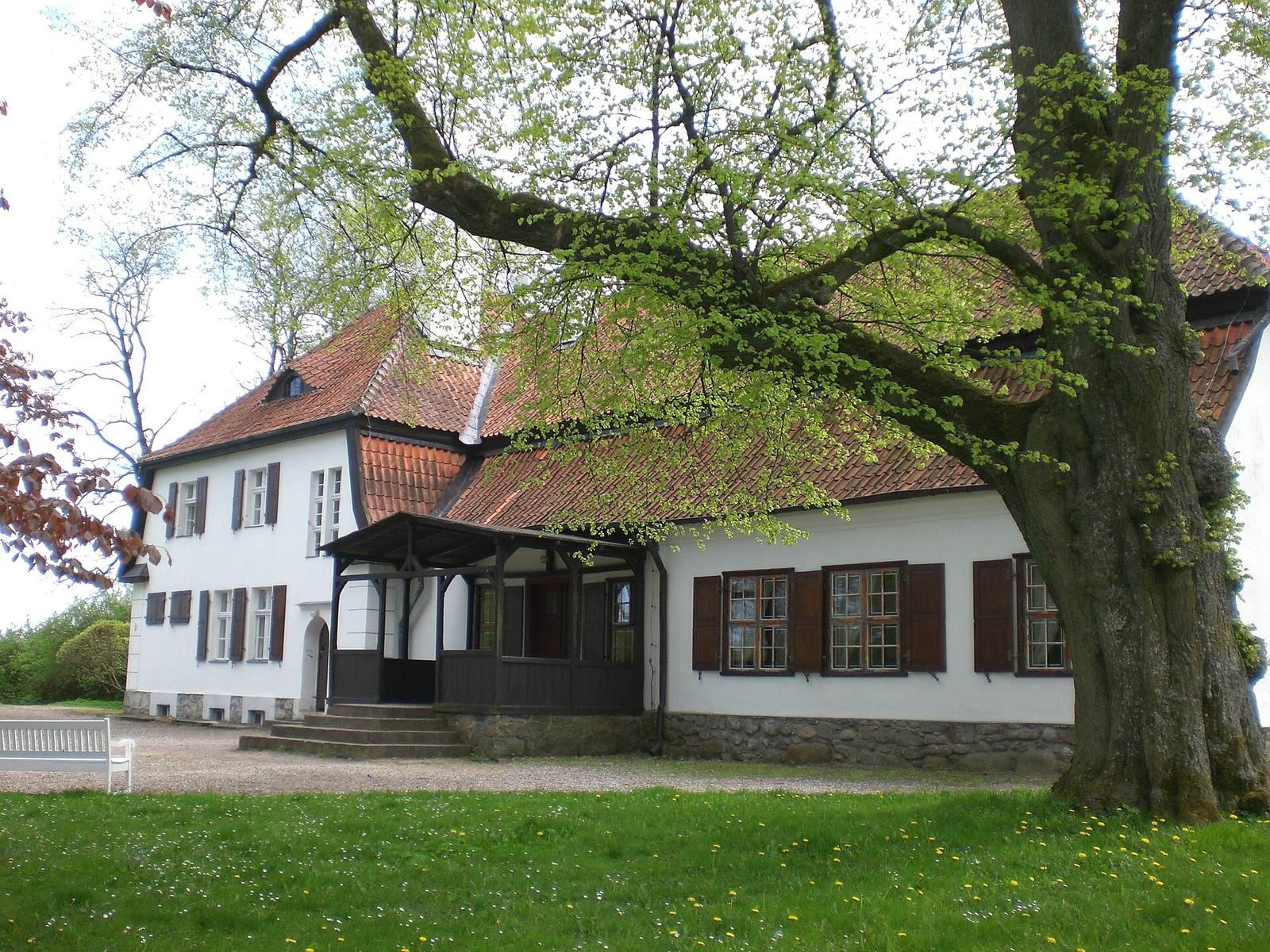
The National Anthem Museum in Będomin, Poland, is a branch of the National Museum in Gdańsk, housed in the manor where Józef Wybicki was born. Wybicki, a Polish writer and political figure, wrote the lyrics of Poland’s national anthem, Mazurek Dąbrowskiego, which is also associated with the Song of the Polish Legions. The museum is devoted to the anthem and its history.
The manor and the Wybicki family
The Gleissen-Doręgowski family built the manor in the early eighteenth century. It was remodelled as a Polish-style manor in 1741 and again in 1772–1773, when the Wybicki family owned Będomin. The family held the manor from 1740 to 1785. Józef Wybicki was born there in 1747.
Fire and rebuilding
In 1906, during the Dahlweid family’s ownership of Będomin, a fire destroyed the eastern part of the manor, prompting a provisional alteration. A more extensive rebuilding in 1912 made the building two storeys high.
Conversion into a museum
Major renovation in 1977–1978 adapted the manor for use as a museum devoted to Poland’s national anthem. The work sought to restore its appearance from the second half of the eighteenth century and furnish its rooms in keeping with the traditions of Polish noble manors. The museum opened ceremonially on 17 July 1978, after an address by Professor Henryk Jabłoński, then Chairman of the Council of State of the Polish People’s Republic, the country’s communist-era state. The Council of State served as its collective head of state.
Remains
The manor
The manor’s surviving eighteenth-century ground-floor section forms part of a building with two storeys. Its broken hipped roof, whose roof planes change slope, reflects the Polish-style form associated with the rebuilding. Later renovation returned the building’s appearance to that of the second half of the eighteenth century.
Museum collections
Wybicki and patriotic objects
The collections include memorabilia associated with Wybicki and figures of his era, along with documents on the history of Mazurek Dąbrowskiego. Eighteenth- and early nineteenth-century furnishings sit alongside furniture, carpets, nineteenth-century paintings, and rugs with patriotic designs. Other holdings include nineteenth-century sabres and pistols, jewelry associated with the Polish national uprisings, commemorative medals, and patriotic telegrams and postcards from the early twentieth century. Literary and visual works inspired by the Song of the Polish Legions are also represented. Part of the exhibition considers the anthem’s influence on Polish national consciousness.
Patriotic music
The museum’s most valuable collection focuses on patriotic music. It contains songbooks and scores of Polish songs, as well as the lyrics and music of Mazurek Dąbrowskiego published in Paris in 1826 in Polish and French. The collection also includes two nineteenth-century parodies of the anthem published in Germany, lyrics for other countries’ anthems modeled on the Polish anthem, and nineteenth-century versions of Mazurek Dąbrowskiego. Music boxes that play the anthem form part of the collection.
Recordings and gramophones
The museum holds its oldest gramophone records featuring Polish anthem songs, including Rota, Chorał, Warszawianka, Boże coś Polskę, and Mazurek Dąbrowskiego. Its early twentieth-century gramophones include a unique miniature instrument and two miniature records with recordings of the anthem.
Eagle monument
A five-metre-high eagle monument was installed near the museum in autumn 2013. Its wings were made from approximately 200 old scythes.