Korigad: A Hill Fort in Maharashtra, India
Site at a Glance
- Popularity
- High
- Country
- India
- Primary era
- Unclassified
- Eras represented
- Unclassified
- Civilizations
- Unclassified
- Site type
- Military
- Remains
- Fort
On this page6 sections
History
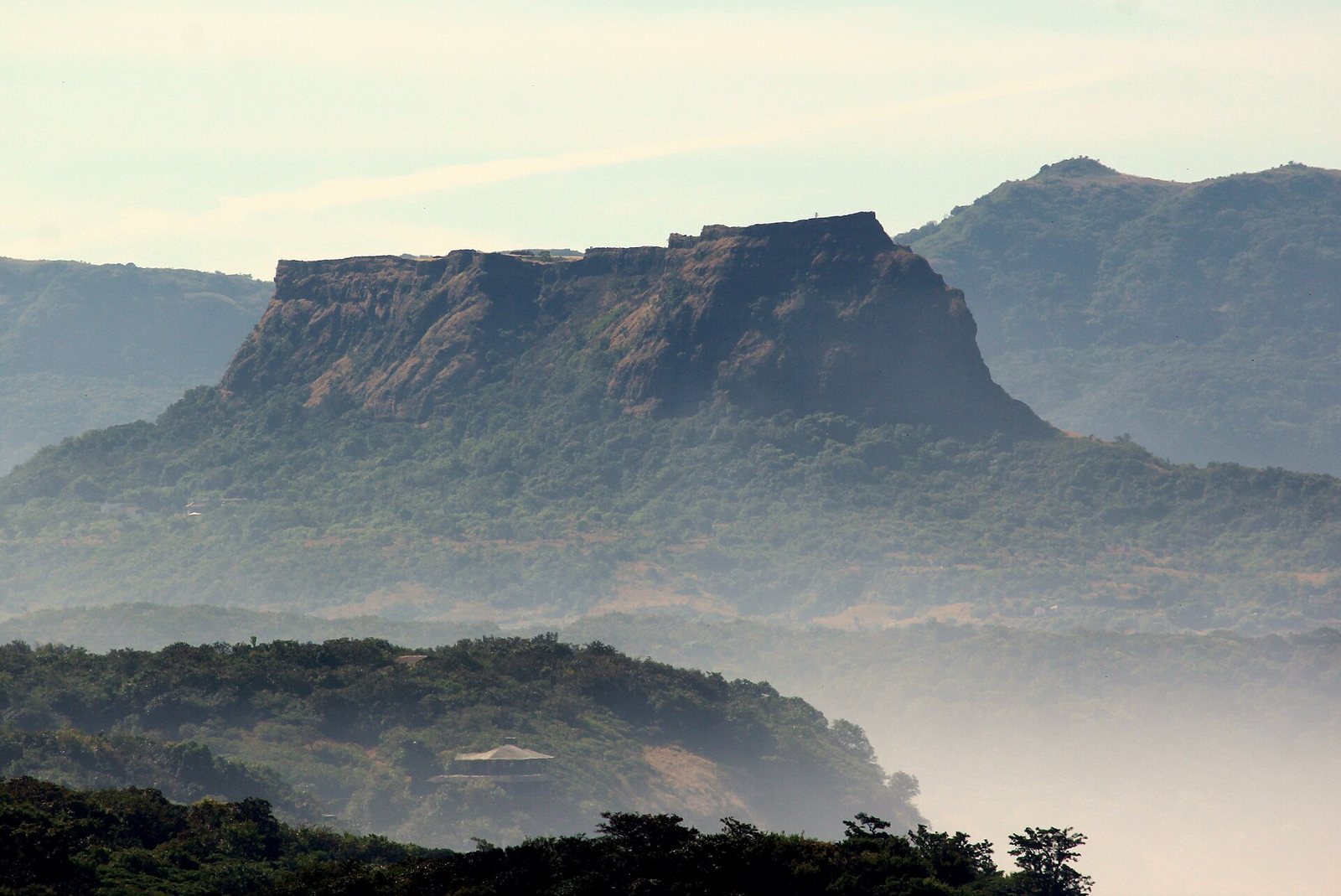
Korigad is a hill fort in Pune district, Maharashtra, India, about 18 km south of Lonavala. Its construction date is unknown, though it probably predates 1500.
In 1657, Chhatrapati Shivaji Maharaj, the 17th-century Maratha ruler associated with establishing Maratha rule in western India, brought Korigad into his kingdom alongside Lohagad, Visapur, Tung, and Tikona forts.
On 11 March 1818, Colonel Prother tried to take the fort but made no headway during a prolonged siege. Three days later, he used a loose cannonball to ignite the stored ammunition. The fort then passed to the British.
Remains
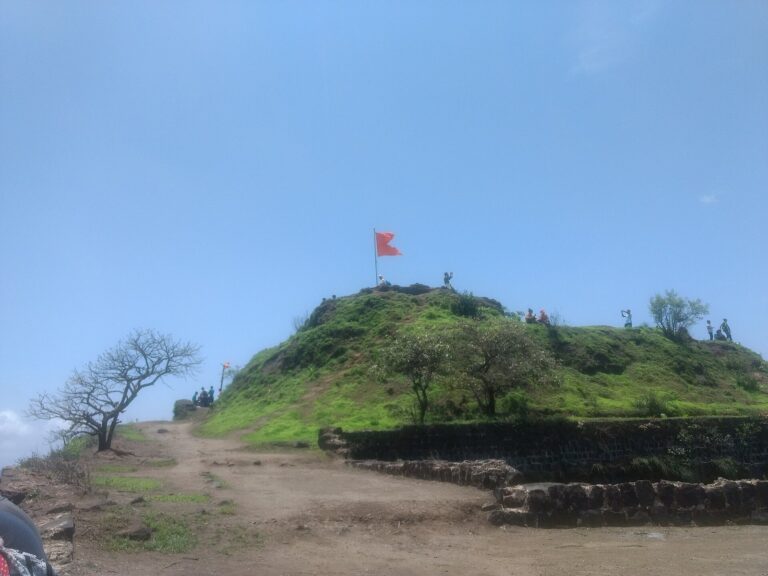
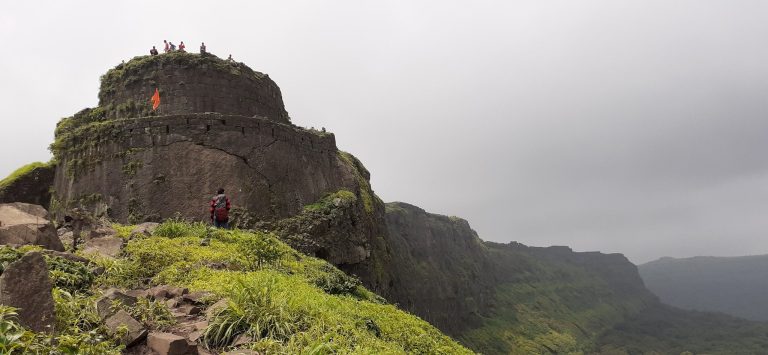
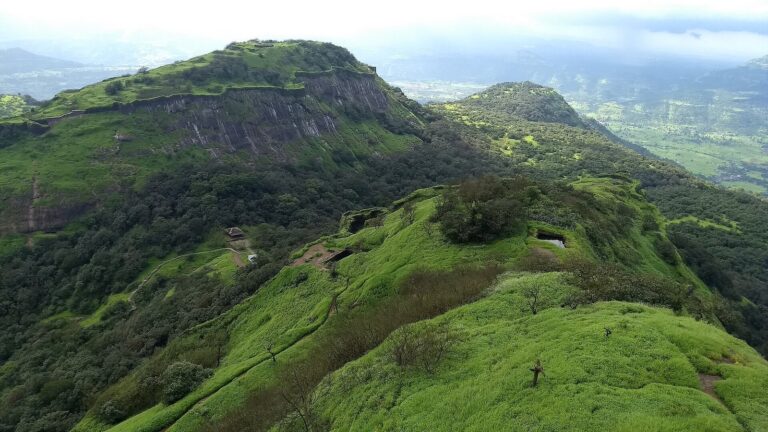
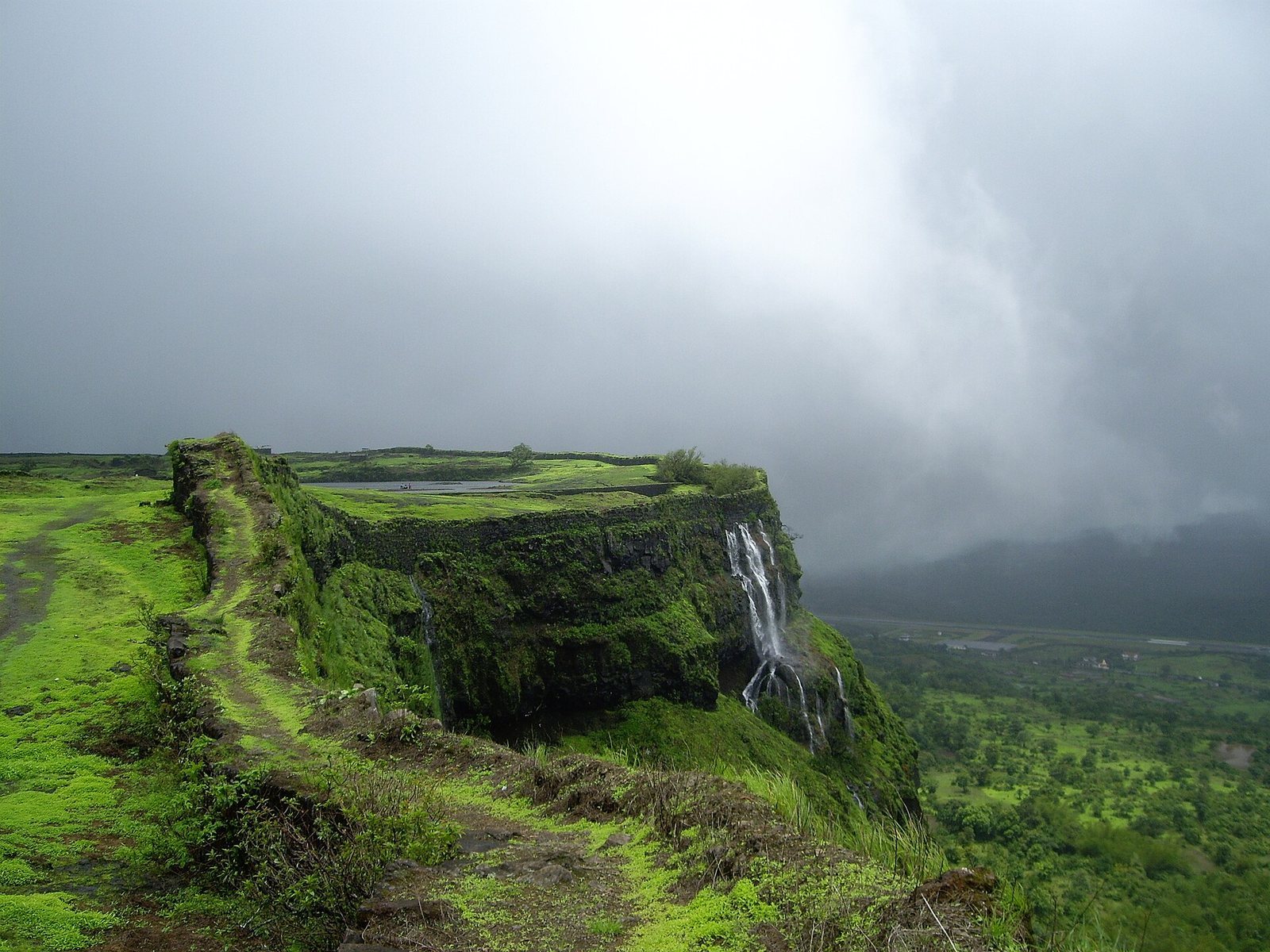
Korigad rises to about 923 m above sea level, more than 200 m above the neighboring valleys. Its surviving defenses enclose a perimeter of about 2 km, with ruins of older structures inside the fort.
Fortifications and interior
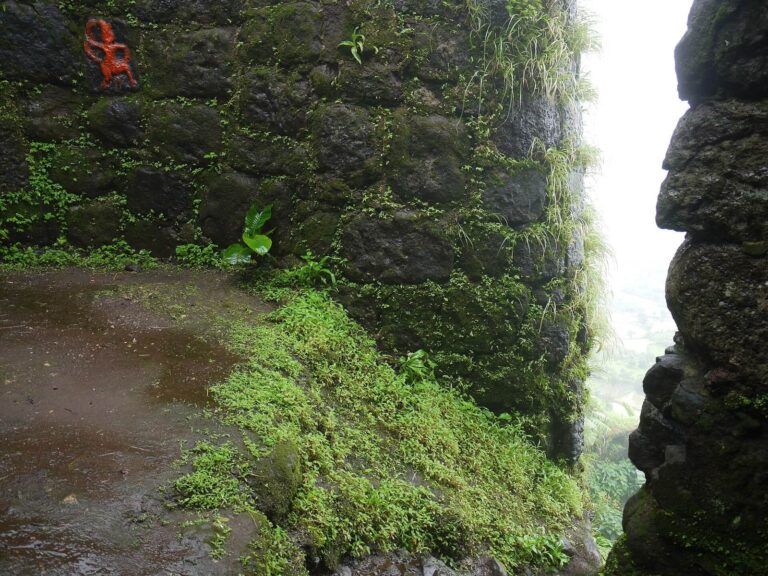
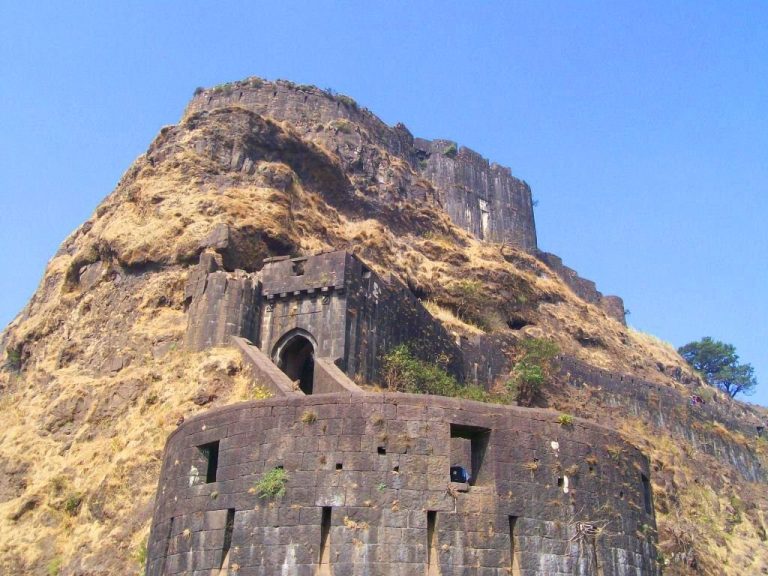
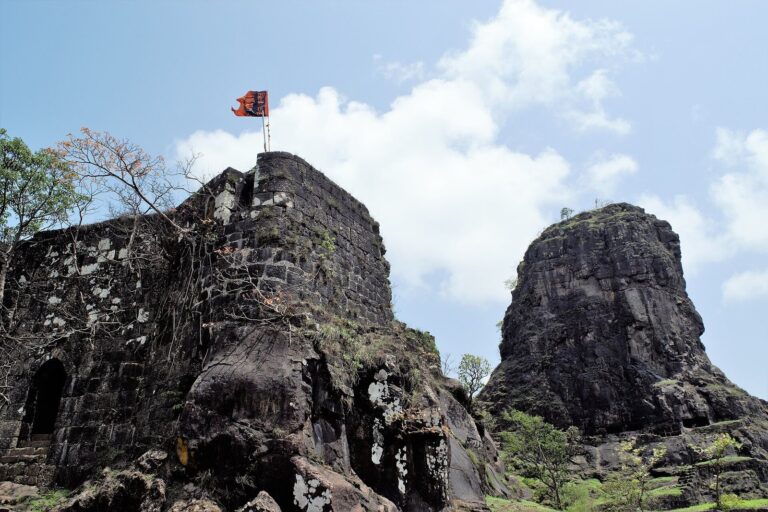
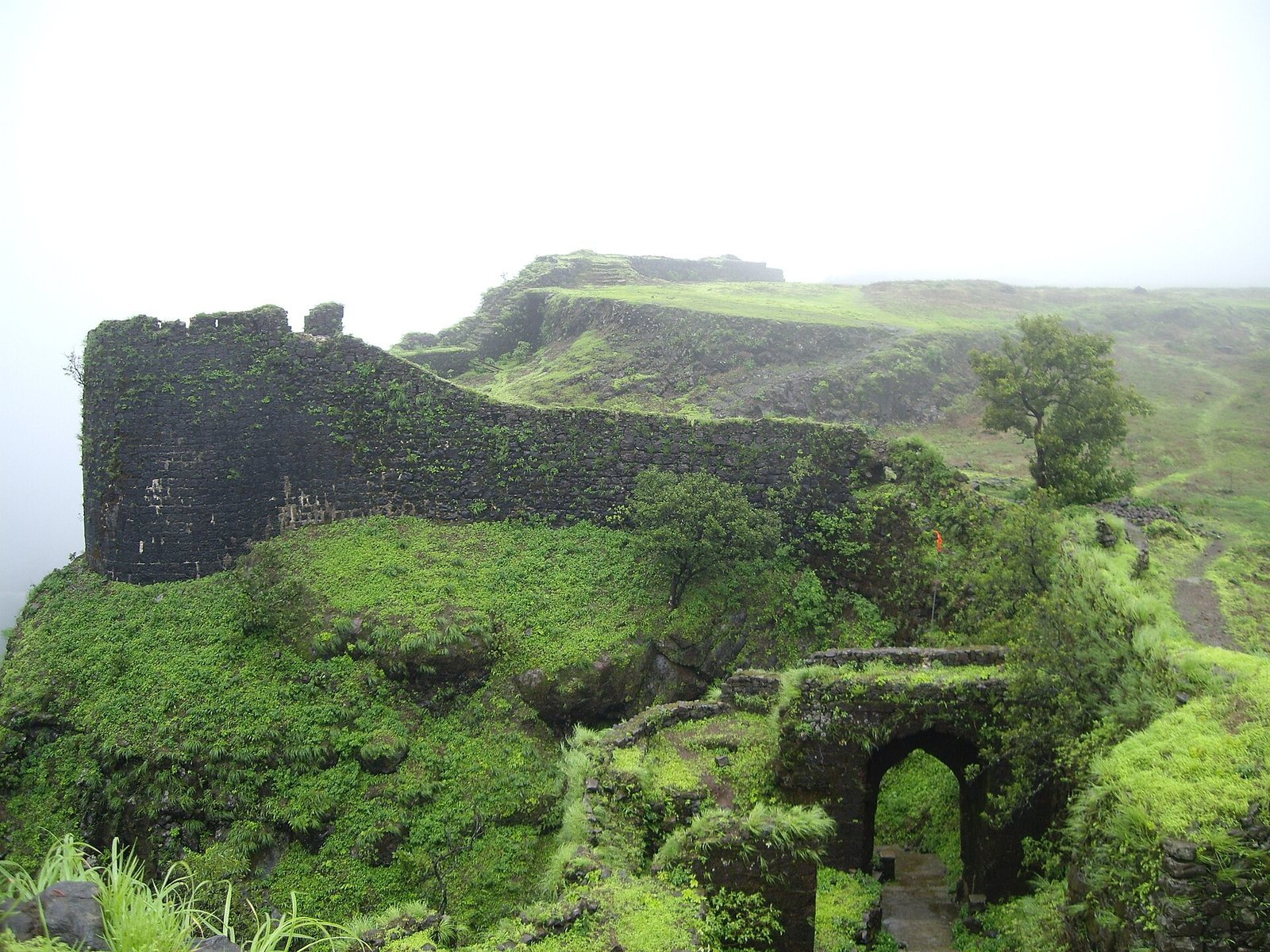
The fort wall remains intact around the perimeter, and its massive gate also survives intact. Ruins of older buildings remain within the enclosed area.
Temples
The fort has a temple to Koraidevi, its patron goddess and protector. The renovated shrine includes a tower of lamps about 3 feet high. Smaller temples are dedicated to Vishnu and Shiva, major deities in Hindu traditions.
Cannons
Six cannons remain at the fort. The largest, Laxmi Toph, stands near the Koraidevi temple.
Lakes and surrounding foothills
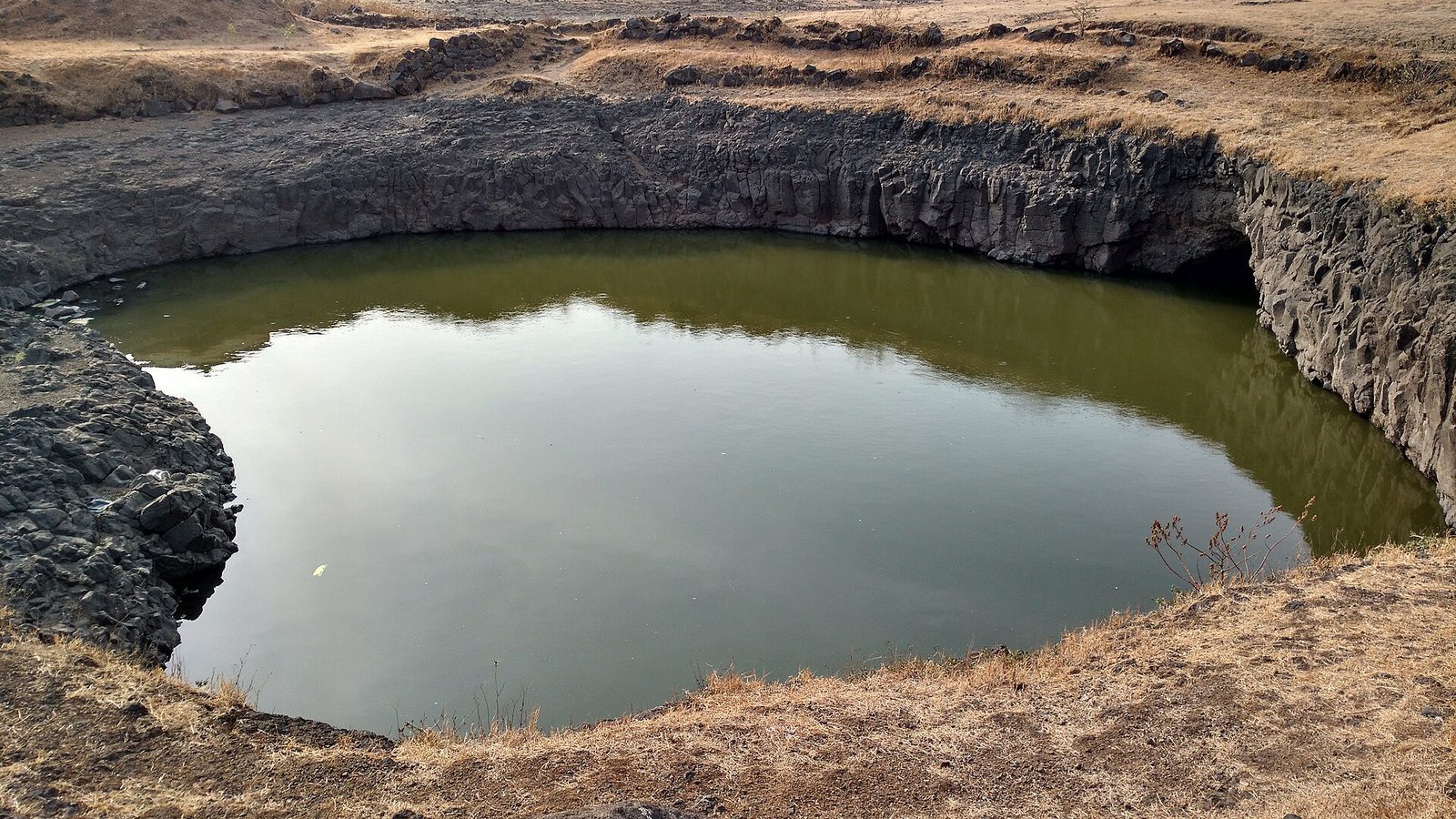
Two lakes lie on the fort summit. Two artificial lakes to the east are associated with the Aamby Valley project and later drain into the Mulshi reservoir. The planned Aamby Valley township extends across the fort’s southern and eastern foothills.