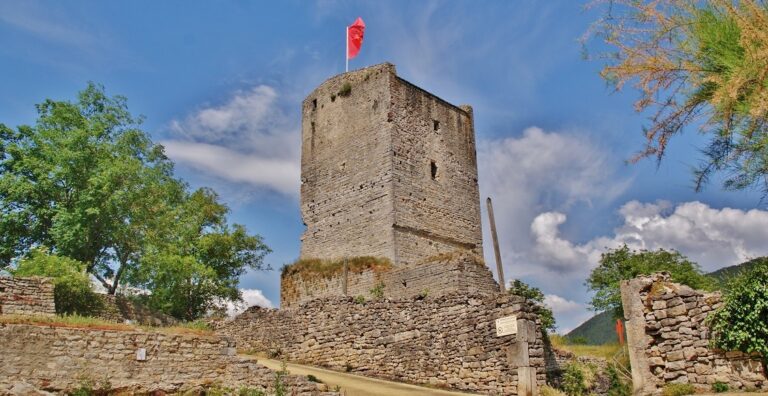
Musée archéologique de Javols: Interpreting the Gallo-Roman Capital of Gévaudan


Site at a Glance
- Rating
- 4.4
- Popularity
- Low
- Country
- France
- Primary era
- Classical
- External website
- Open
- Eras represented
- Classical
- Civilizations
- Celtic, Roman
- Site type
- City
On this page11 sections
History
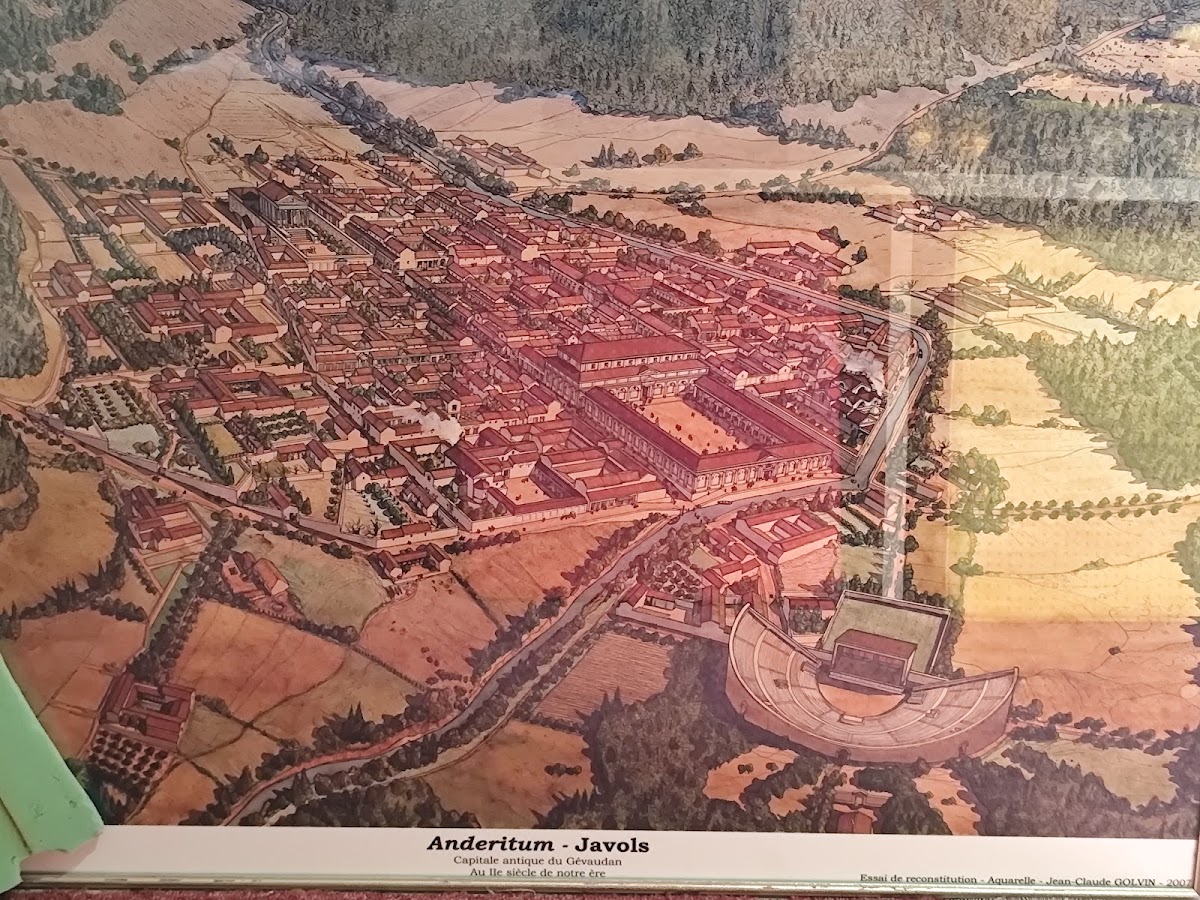
The Musée archéologique de Javols in France presents the archaeological history of Javols, the village where Anderitum, the Gallo-Roman capital of ancient Gévaudan, once stood. Established shortly after the Roman conquest, the town became the chief settlement of the Gabales, an ancient Gallic people whose territory broadly corresponded to Gévaudan. Its Roman urban plan occupied the lower Triboulin valley and included public buildings such as a forum, a basilica or meeting hall, a temple, and baths.
Anderitum and the Gabales
Anderitum was arranged on an orthogonal plan, with streets crossing at right angles to form a regular urban grid. Its position in the Triboulin valley continued to shape the settlement after the Roman period. The later place-name developed from the late-antique expression ad Gabalos, meaning that the principal settlement of the Gabales remained located in this valley.
For many years, the location of the Gabales’ capital was debated. Until the nineteenth century, Anterrieux in the Cantal was also proposed as the site. Excavations at Javols began in 1828 after the discovery of a Roman milestone, a roadside marker that could record distances and identify an authority or route. The inscription on this object established the connection between Javols and Anderitum, confirming the location of the ancient capital.
From excavation to museum
The museum opened in August 1998 to present the results of nearly two centuries of archaeological work. Across two levels, it brings together about 400 objects and explains them through the history of the settlement, ancient daily life, and craft production. The institution is managed by the Community of Communes of Hautes Terres de l’Aubrac.
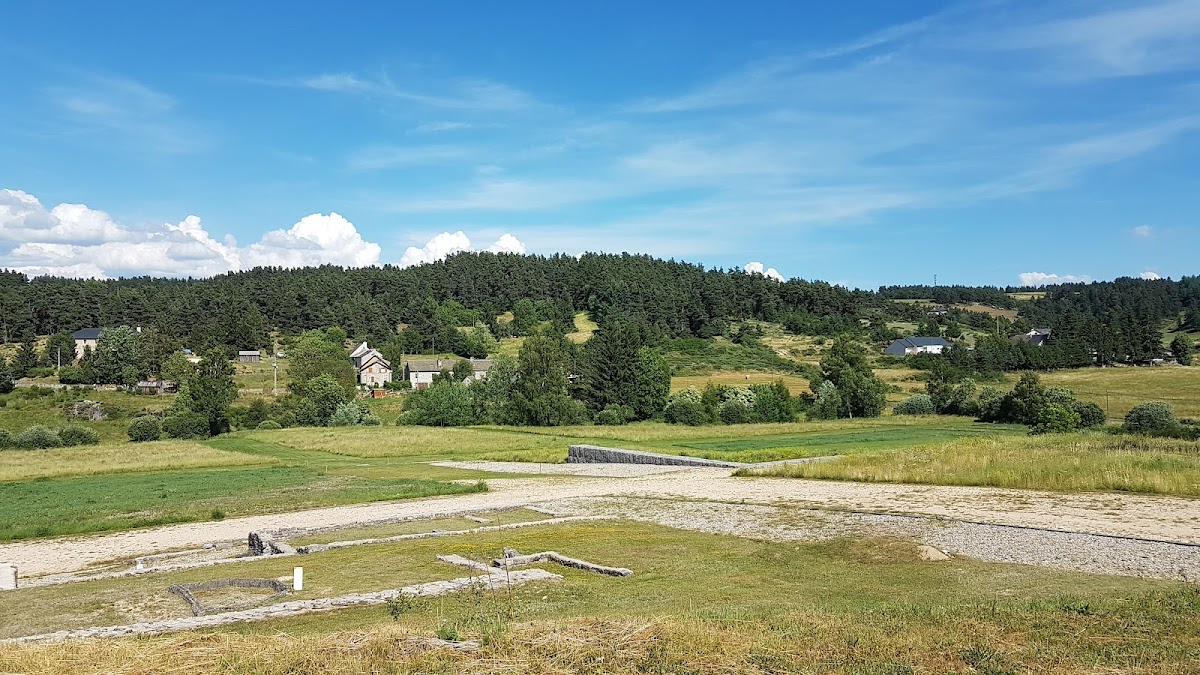
The museum is complemented by an open-air archaeological circuit through Javols. Eighteen markers identify major excavation areas, including residential quarters, a former church, burial areas, the forum, and the baths. Since 2015, four hectares of public land around the church have also been arranged as a garden and walking area. This landscape treatment helps conserve archaeological evidence from the ancient town, which covered about 40 hectares and remains largely underground.
Remains
Museum displays
The milestone
The milestone discovered in the nineteenth century is a principal object in the museum. Its identification of the Gabales’ capital provided the evidence needed to associate Anderitum with Javols, giving the wider excavation project a firm historical and geographical basis.
Religious sculpture
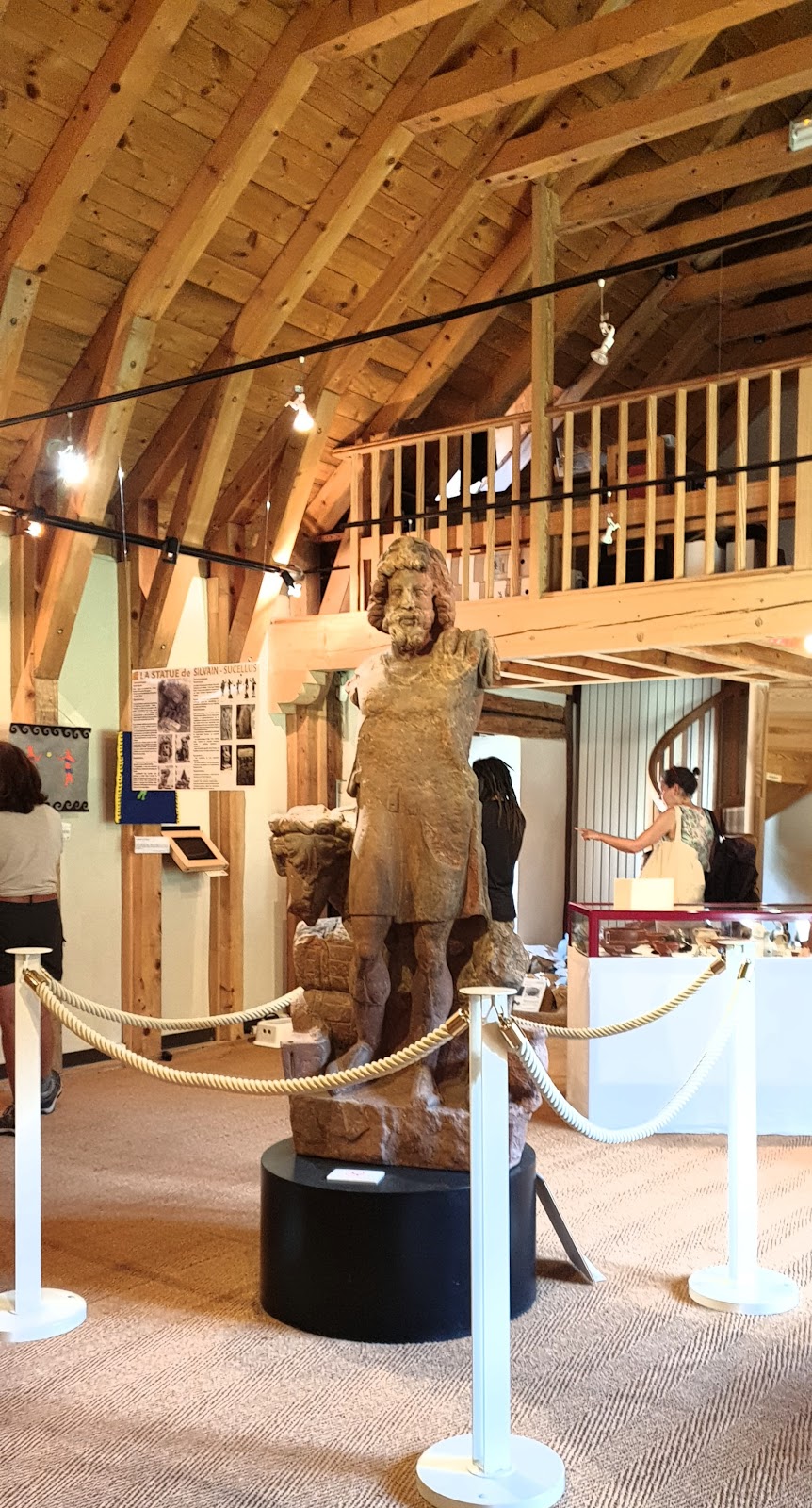
On the second floor, a sculpture represents Silvain Sucellus, a Gallo-Roman forest deity combining associations with the Roman woodland god Silvanus and the Gallic god Sucellus. He is presented as a protector of the Gauls at death and as a patron of coopers, craftspeople who made wooden containers such as barrels and casks.
Craft and domestic life
A full-scale reconstruction of a storage shed represents a dependency belonging to a large house identified in the area below the present village hall. The displays also include a black-and-white mosaic with a honeycomb pattern. Together with the other objects, these features place ancient craft activity and household organization within the broader history of Anderitum.
Archaeological areas around the church
Residential quarter
The landscaped area around the church contains remains of a residential quarter. The feature forms part of the ancient settlement’s surviving archaeological evidence, while vegetation and mineral treatments help mark and conserve the remains within the garden.
Baths
The pool of the ancient baths is also visible in the landscaped area. It belongs to the public bathing complex that formed part of Anderitum’s Roman urban equipment. The open-air circuit places this feature within a wider network of excavated locations across Javols, including the forum, necropolises, former church, and other residential areas.