Muselimov Konak: An Ottoman Administrative Residence in Valjevo
Site at a Glance
- Popularity
- Medium
- Country
- Serbia
- Primary era
- Early Modern
- Eras represented
- Early Modern
- Civilizations
- Ottoman
- Site type
- Domestic
- Remains
- Elite Residence
On this page4 sections
History
Ottoman administrative residence
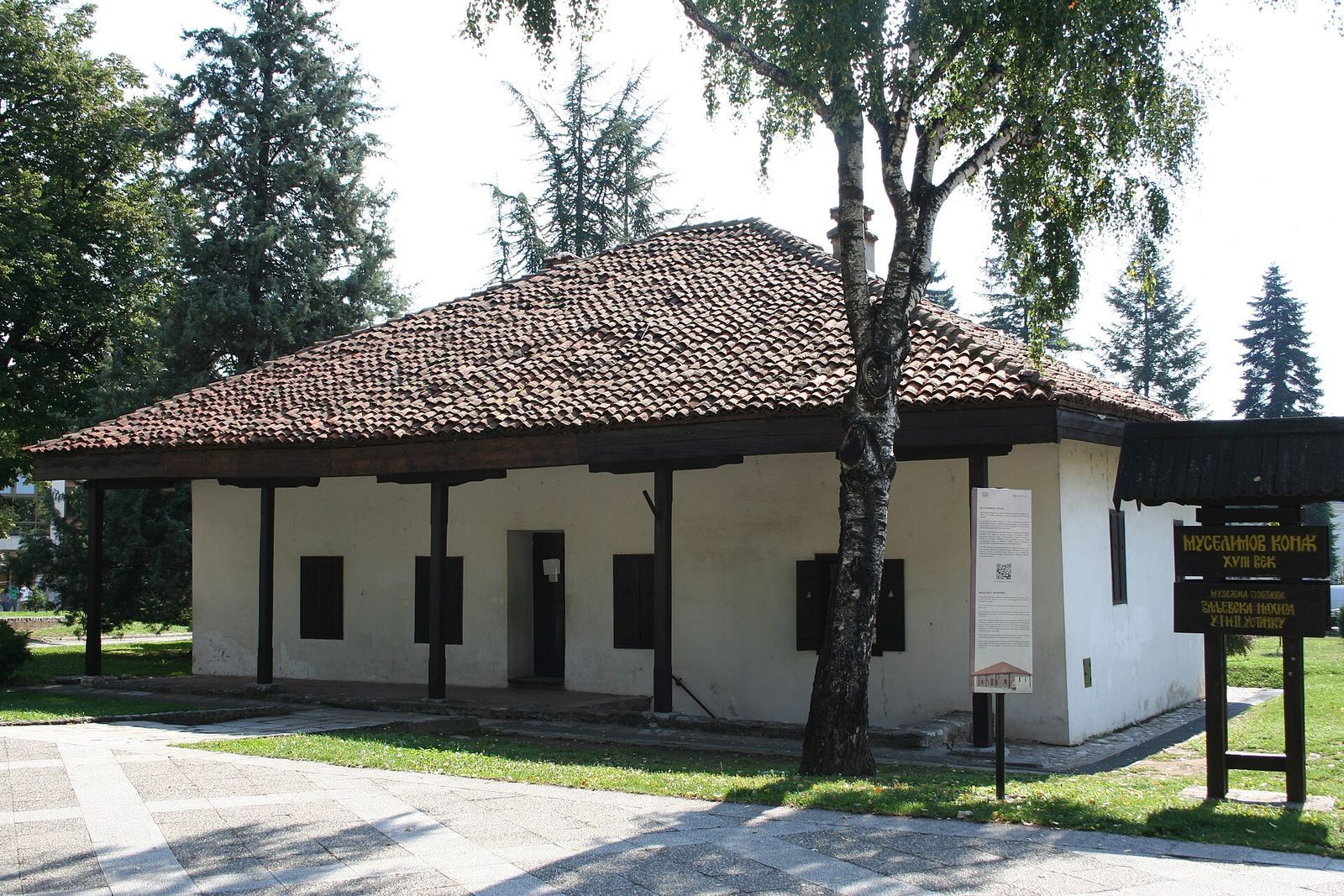
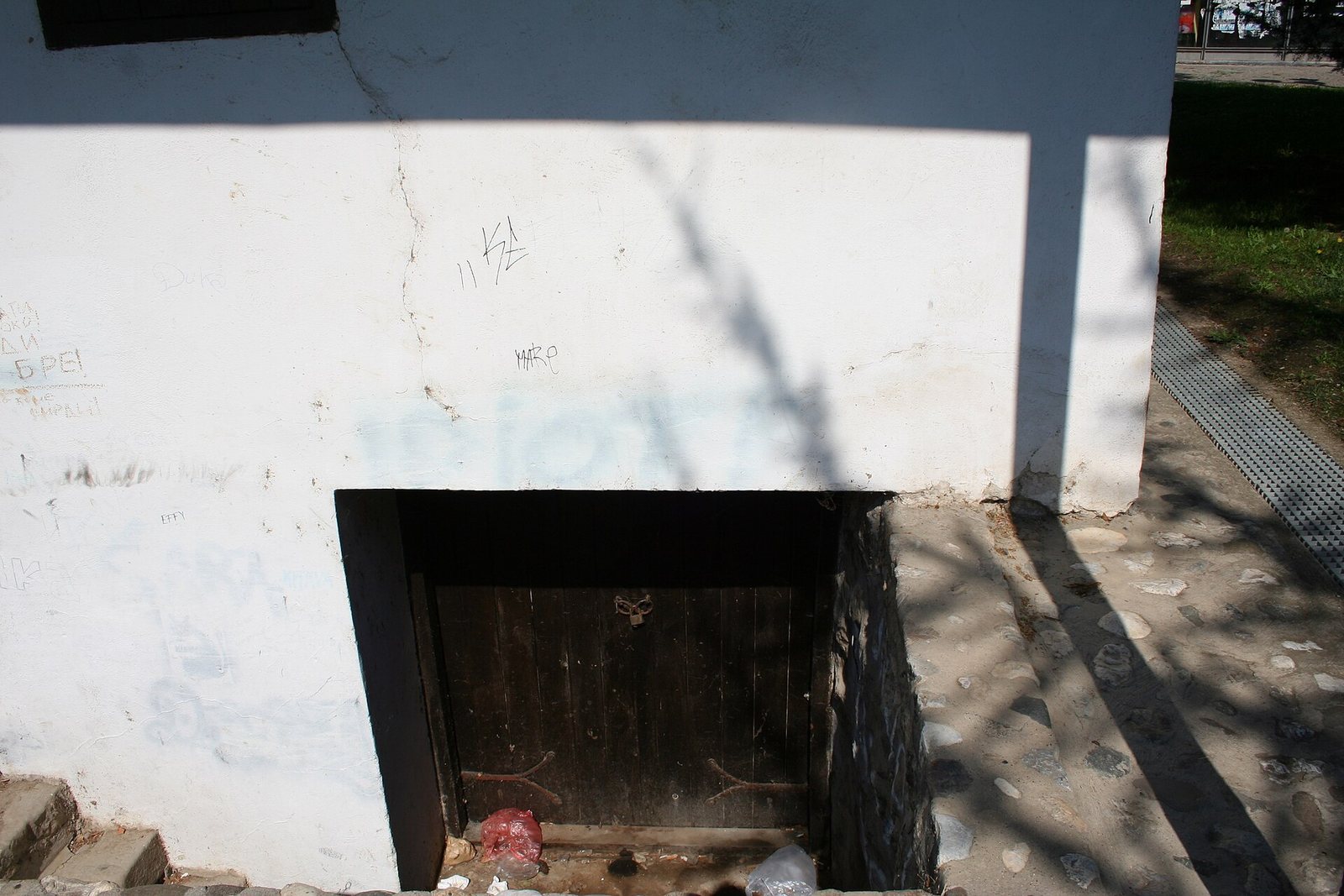
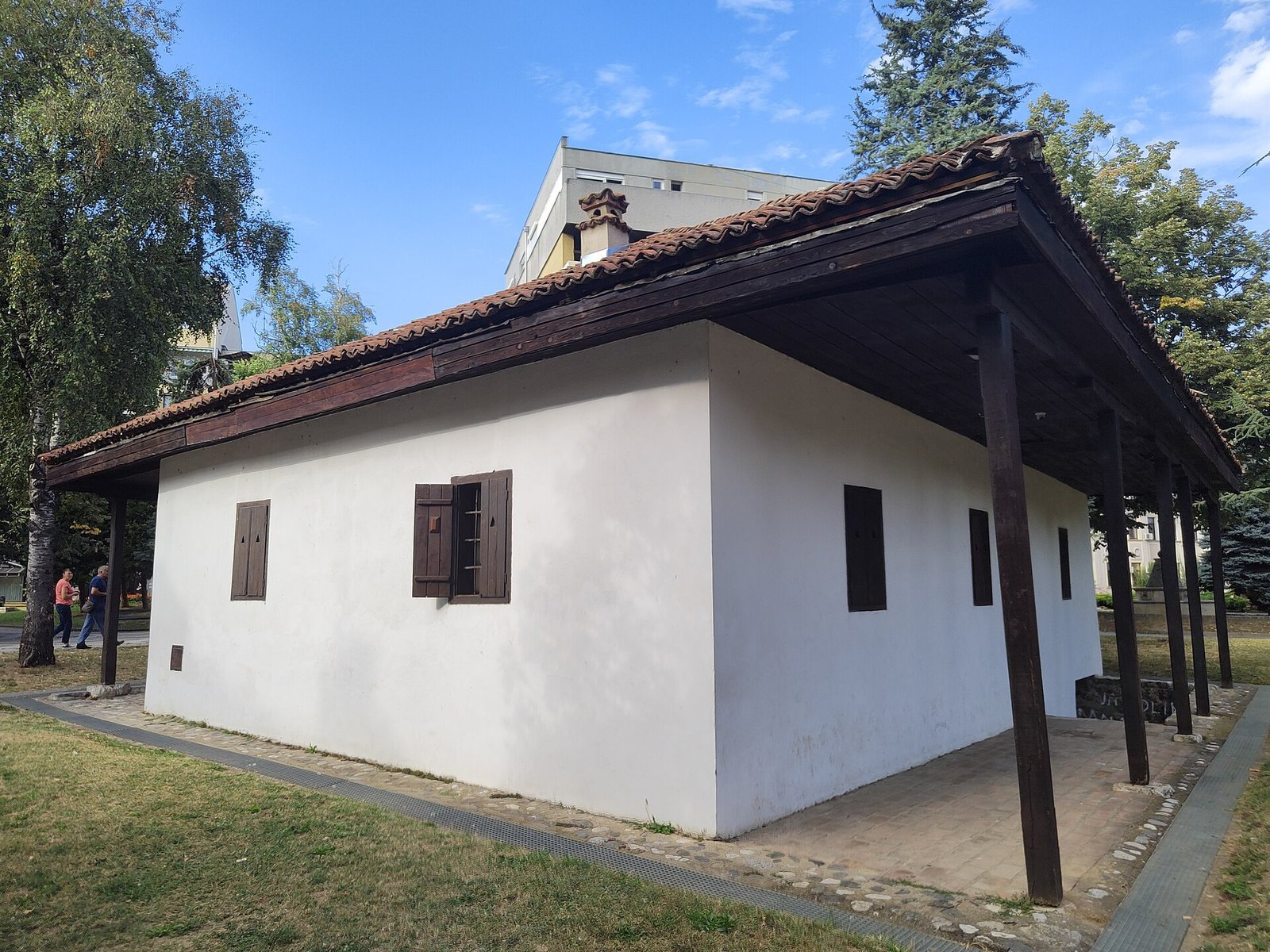
The late-eighteenth-century Muselimov Konak is an Ottoman-style official residence in Valjevo, Serbia, and the city’s oldest surviving building. It was built for the muselim, an Ottoman administrative official responsible for the Valjevo nahija, or district. The ground floor served administrative purposes, while the basement was used as a prison.
The 1804 executions and later interpretation
In 1804, two Serbian knezes, or local leaders, Aleksa Nenadović and Ilija Birčanin, were imprisoned in the building. They were taken to an execution site on the bank of the Kolubara River, about 100 metres away. Their executions, known as the Massacre of the Princes, were an immediate cause of the First Serbian Uprising, a Serbian revolt against Ottoman rule. Their severed heads were impaled on stakes and displayed publicly on the residence’s roof.
Muselimov Konak now houses a department of the National Museum of Valjevo. Its permanent exhibitions cover the First and Second Serbian Uprisings, the Serbian revolts against Ottoman rule. The basement exhibition concerns the Massacre of the Princes, while the ground-floor exhibition focuses on the Valjevo district and its people during the uprisings. Other displayed objects relate directly or indirectly to the Serbian Revolution, and the building’s own history forms a central part of the exhibition. The residence is protected as a cultural monument of great importance in Serbia.
Remains
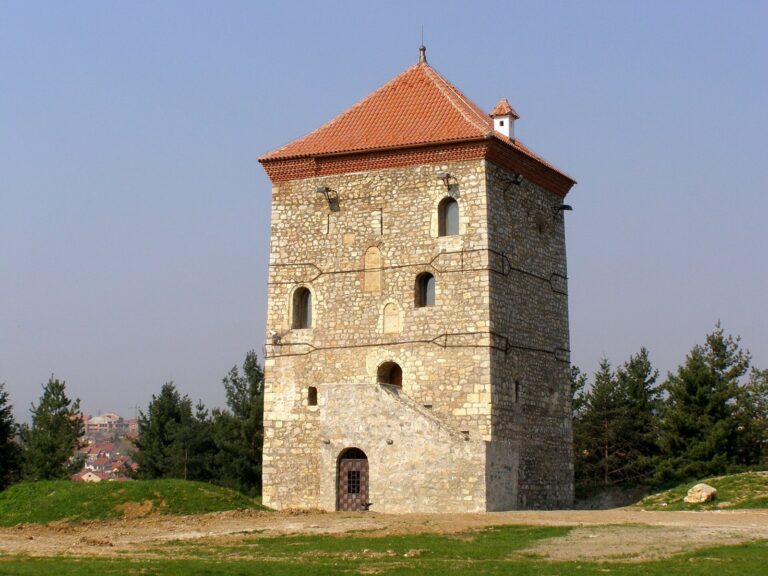
The rectangular building is constructed of stone, with a simple ground floor above a basement that extends beneath the entire structure. An open porch-gallery runs along the full length of the façade. The basement entrance is outside the building, and a tiled hipped roof, which slopes down on all sides, covers the structure.