Nenadović Tower: A Military Storehouse in Valjevo, Serbia
Site at a Glance
- Rating
- 4.6
- Popularity
- Medium
- Country
- Serbia
- Primary era
- Modern
- Eras represented
- Modern
- Civilizations
- Ottoman, Serbian
- Site type
- Military
- Remains
- Tower
On this page4 sections
History
Construction and Ottoman occupation
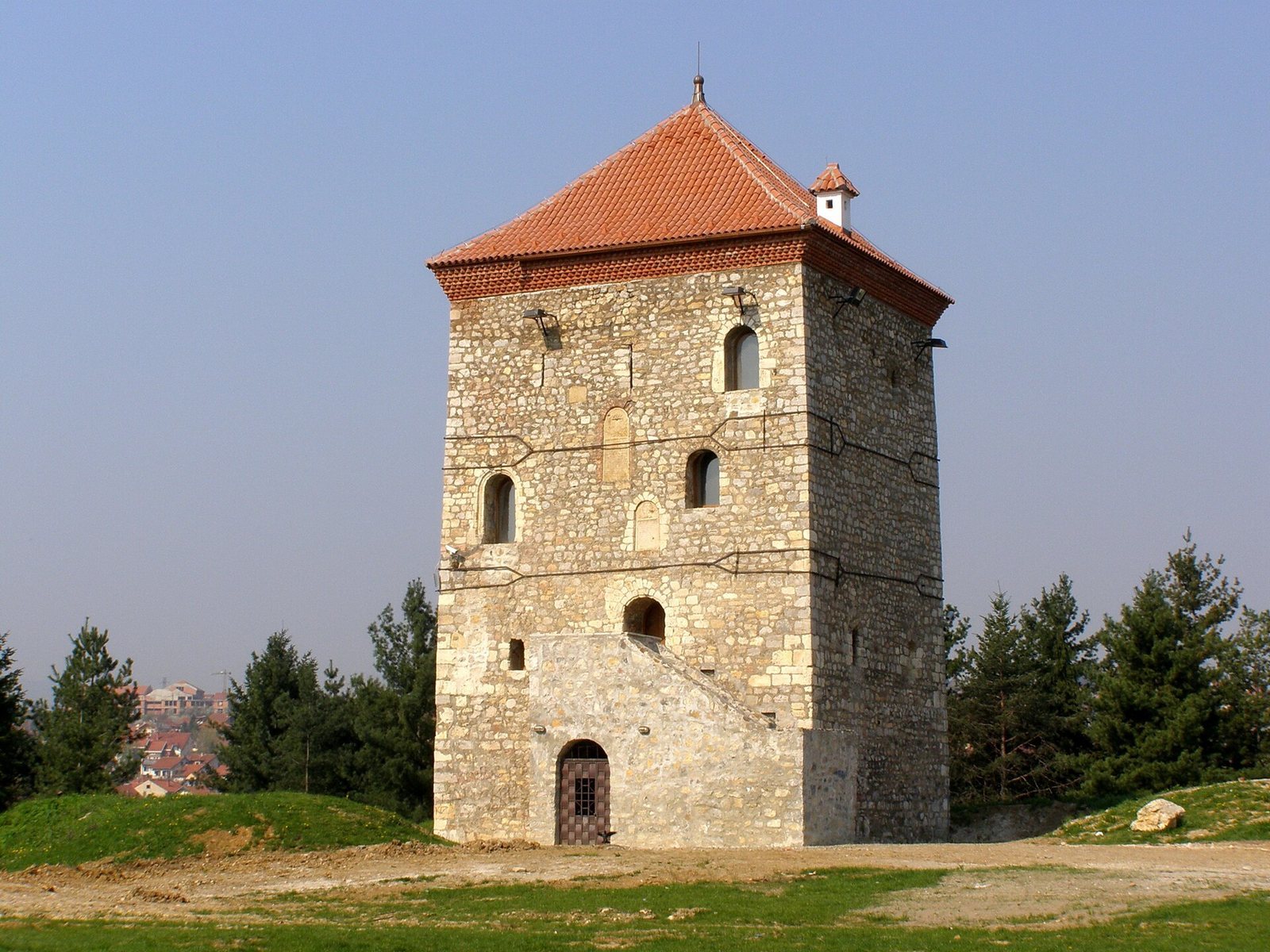
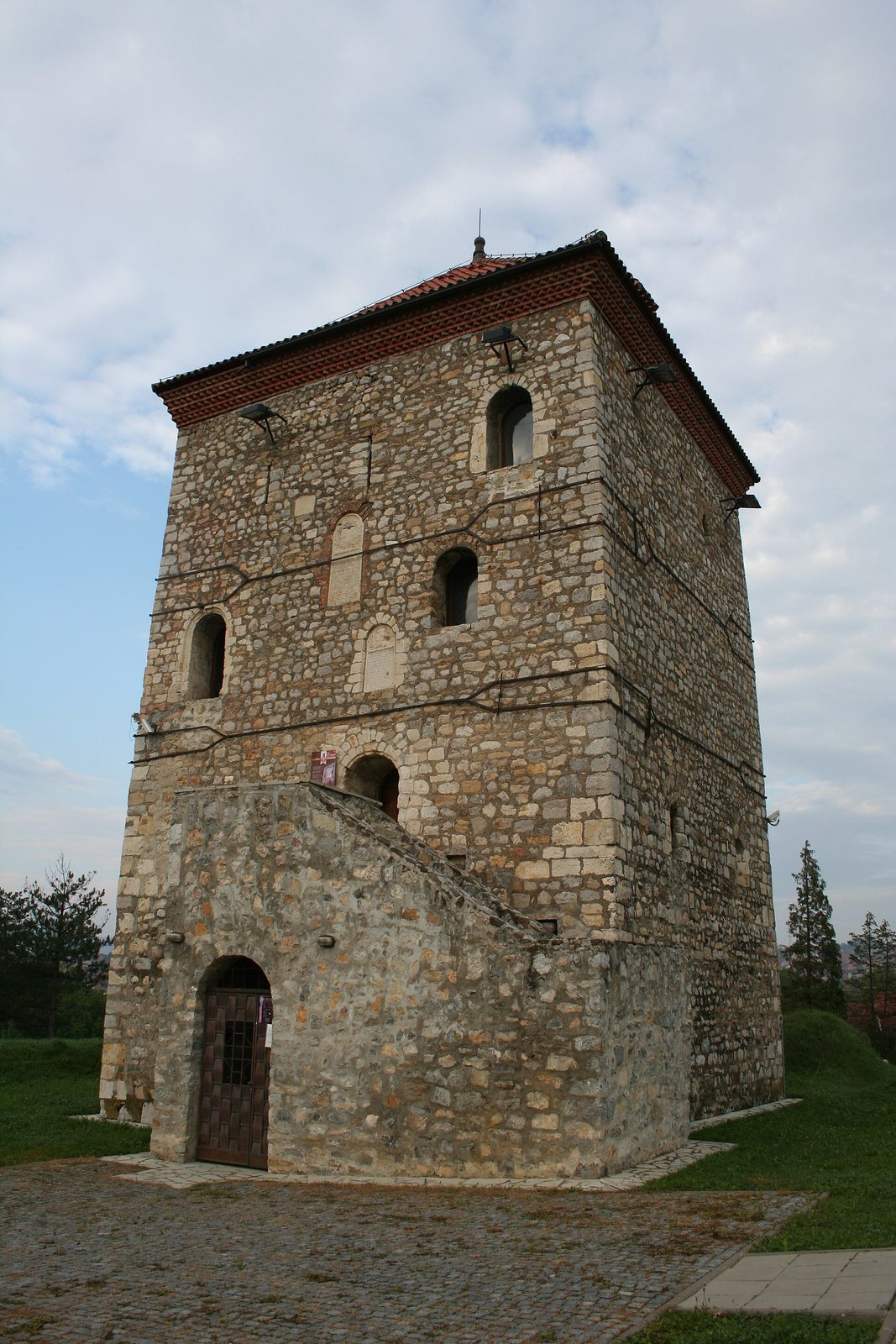
Nenadović Tower is a military tower in Valjevo, Serbia, built in 1813 by the Serbian insurgent state as a store for weapons and ammunition during the First Serbian Uprising, a revolt against Ottoman rule. Jakov Nenadović, then minister of the interior, and his son Jevrem, a military commander, directed its construction.
Ottoman forces captured and burned the tower, then used it as a prison during the period between the uprisings. After Valjevo was liberated on May 28, 1815, commander Sima Nenadović demolished the building, probably because it had served as an Ottoman prison.
Restoration and later use
Prince Miloš Obrenović had the tower restored in 1836 at the expense of the Principality of Serbia, a Serbian polity under Ottoman overlordship. The restored building was used to store gunpowder until the end of the nineteenth century.
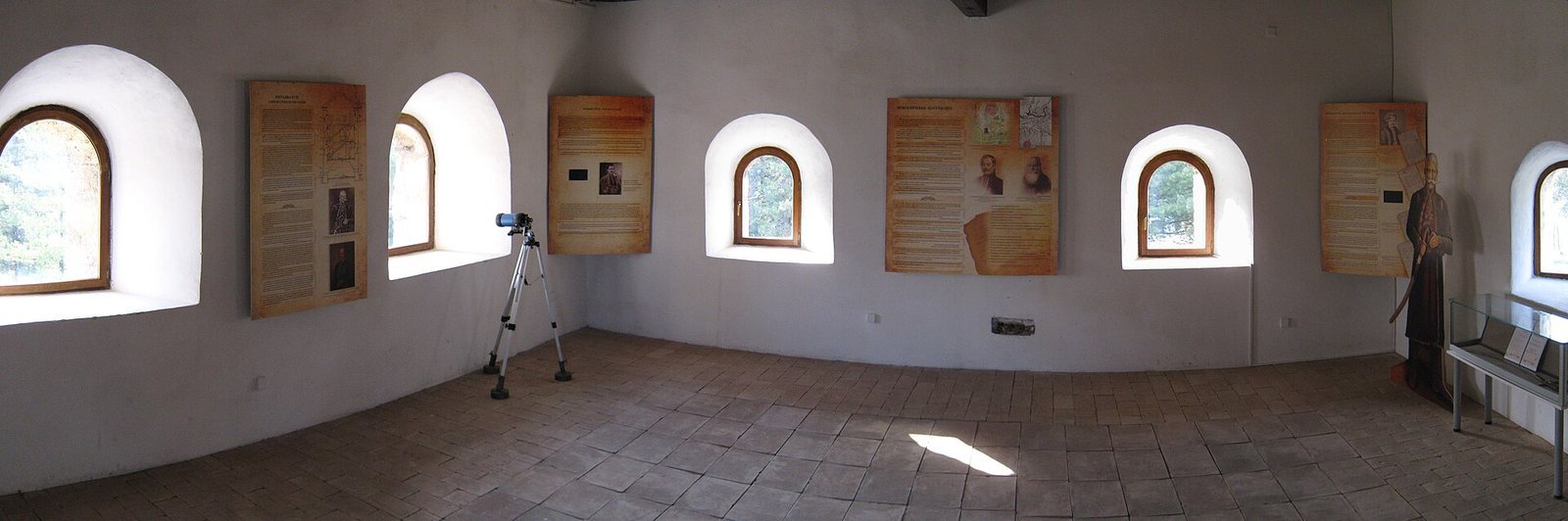
In modern times, the tower was fully reconstructed and adapted as a museum operated by the National Museum of Valjevo. It is protected in Serbia as a Monument of Culture of Great Importance.
Remains
The reconstructed tower stands on Kličevac Hill at the edge of Valjevo, within its suburbs, beside the road toward Šabac and about half a kilometre from the city centre. Its plan is nearly square, with sides measuring approximately 9.80, 9.70, 10.00, and 9.76 metres. The building is about 17.5 metres high, including its roof, and has a ground floor and three upper floors. Its massive stone walls include stone taken from the earlier Vitković Tower, and the structure has brick vaulting. The roof is tiled and was probably originally covered with shingles. An arched doorway opens at ground level, while small defensive windows serve the upper floors; a wooden staircase connects the levels. Plaques at different heights on the exterior walls commemorate the tower’s construction, and an inscription attributes its erection in 1813 to Jakov Nenadović.