Moniak: A Medieval Bulgarian Fortress in the Rhodopes
Site at a Glance
- Popularity
- Medium
- Country
- Bulgaria
- Primary era
- Medieval
- Eras represented
- Classical, Medieval
- Civilizations
- Byzantine, Roman, Second Bulgarian Empire
- Site type
- Military
- Remains
- Castle
On this page8 sections
History
Moniak was a medieval Bulgarian fortress in the eastern Rhodopes of Bulgaria. Built in the 11th century, it guarded Zhelezna Vrata Pass and approaches to a town in the Arda valley near modern Kardzhali. It may also have housed the Byzantine governor of Ahrida, the historical name for the area around Kardzhali.
Bulgarian and Byzantine rule
By 1199, Bulgarian tsar, or monarch, Kaloyan had retaken the area from Byzantium. Moniak then served as a base for Bulgarian attacks on the Latin Empire, the state established at Constantinople after the Fourth Crusade. Control of the fortress shifted repeatedly between Bulgarian and Byzantine forces.
Crusader-era campaigns
Chronicles of the Fourth Crusade, a major western European Christian expedition to the eastern Mediterranean, refer to the fortress as Moniac, Manicaua, or Chastel de Moniac. During the Bulgarian-Latin wars of 1206, the castle surrendered to forces led by Henry of Flanders. They remained nearby for five days, after which part of the army rode to relieve a besieged force at Stanimac, the medieval name for present-day Asenovgrad. A camp below Moniak is also associated with Henry’s selection as regent of the Latin Empire.
In late July 1206, Henry was waiting with his forces at a camp below the fortress when he learned that Baldwin I had died in Bulgarian captivity. Baldwin, Henry’s brother, had been captured after the Battle of Adrianople in 1205. Henry then set out for Constantinople to be crowned emperor; he later became Henry I, the Latin Empire’s second emperor.
In autumn 1207, Boniface of Montferrat, a leading figure in the Fourth Crusade, led troops from Thessaloniki through the Rhodopes toward Ahrida, reportedly drawn by rumors of the region’s wealth. Local inhabitants ambushed and killed him, then sent his head to Kaloyan. Moniak continued to change hands between Bulgarian and Byzantine forces and declined after the Ottoman conquest.
Remains
Layout and surviving structures
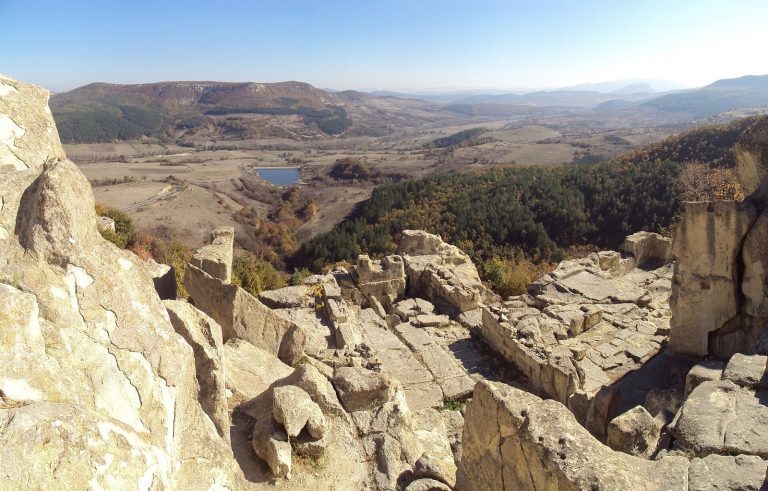
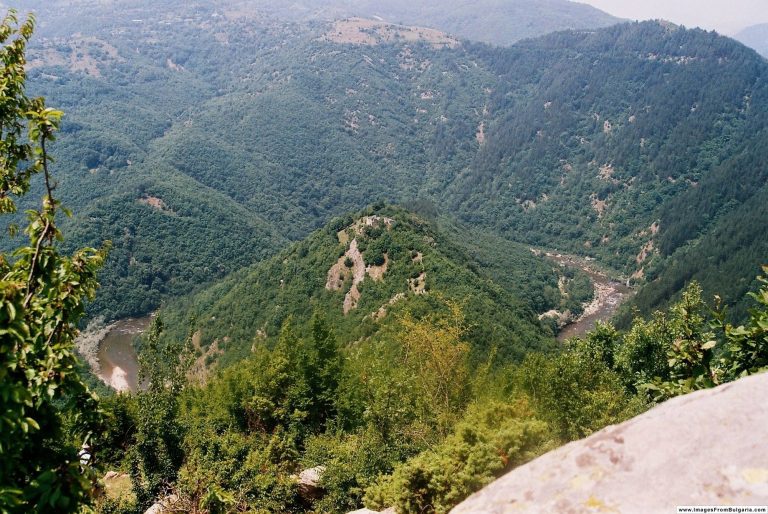
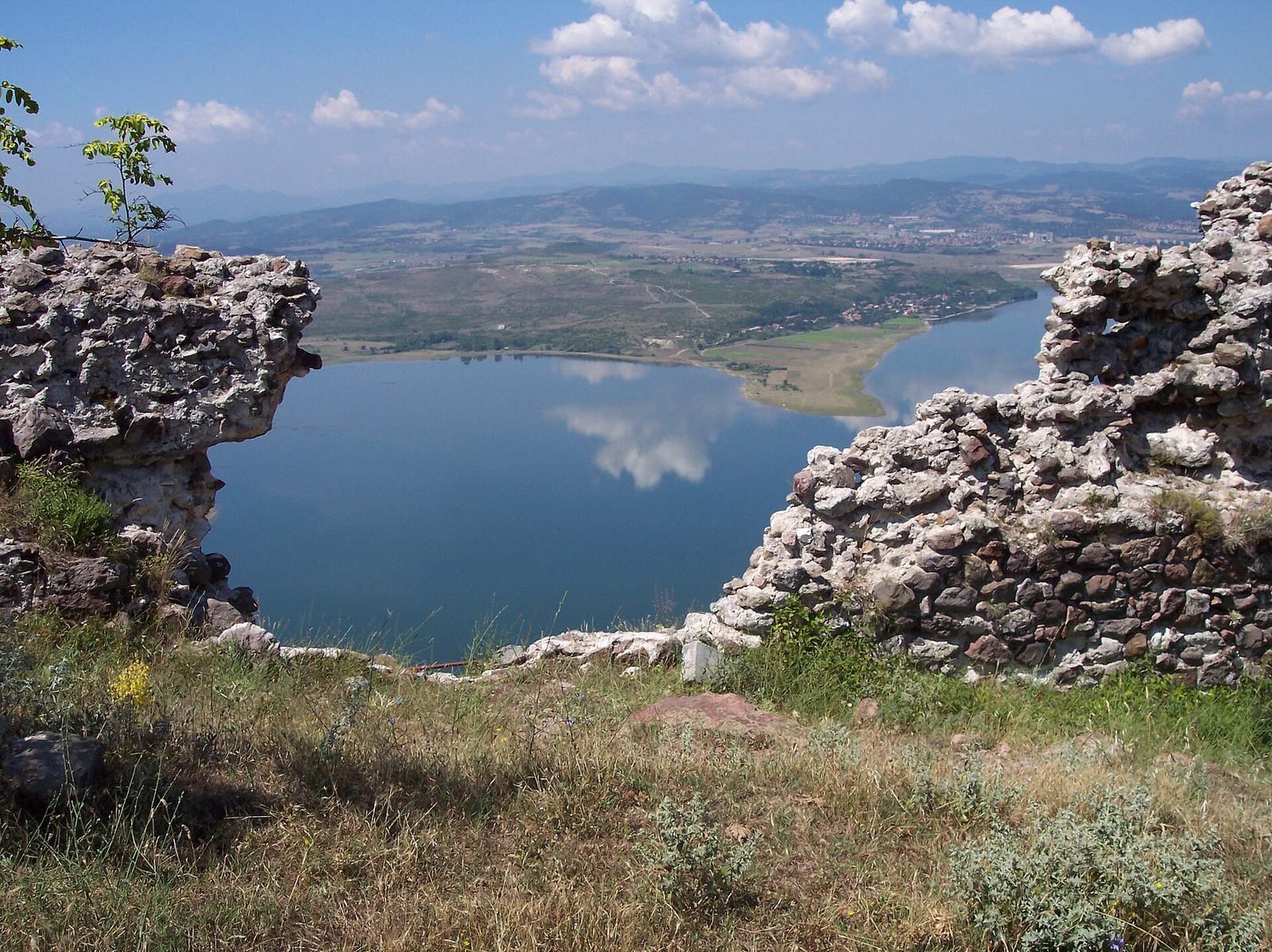
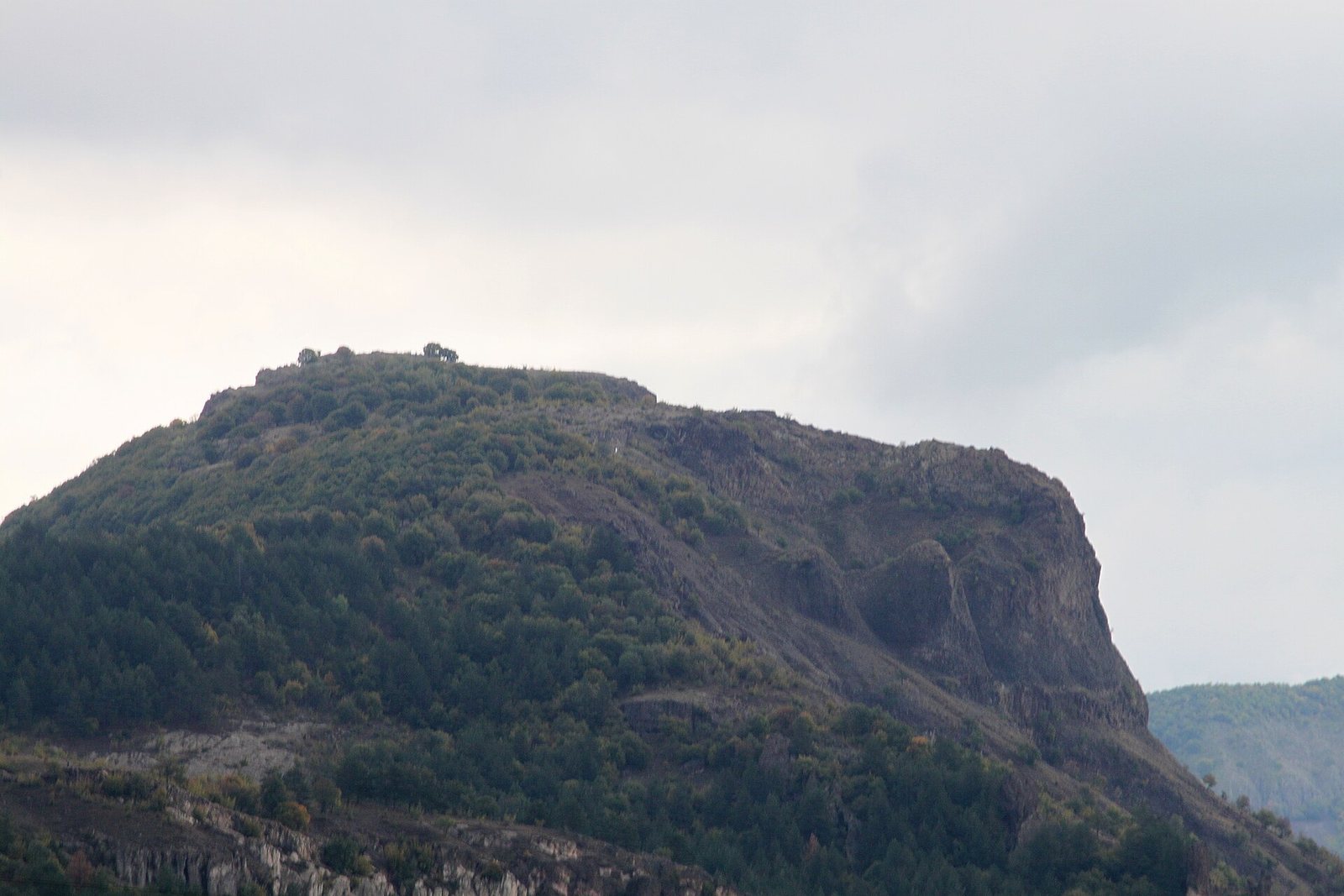
The ruins occupy a hilltop 587 metres above sea level, on the left bank of the Arda and above the modern Studen Kladenets Reservoir. The hill’s name means “Sixth Fortress.” Steep slopes made access difficult. The fortified area covered about 18,000 square metres, with a citadel of roughly 600 square metres at the eastern, highest point, surrounded by an outer enclosure.
Walls, towers, and entrance
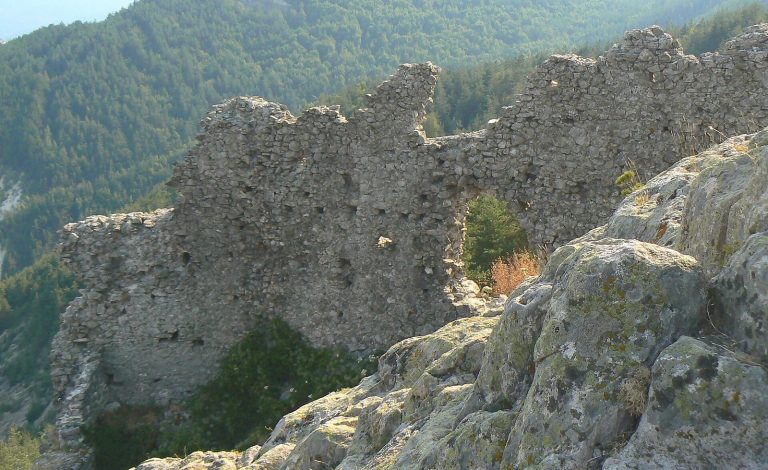
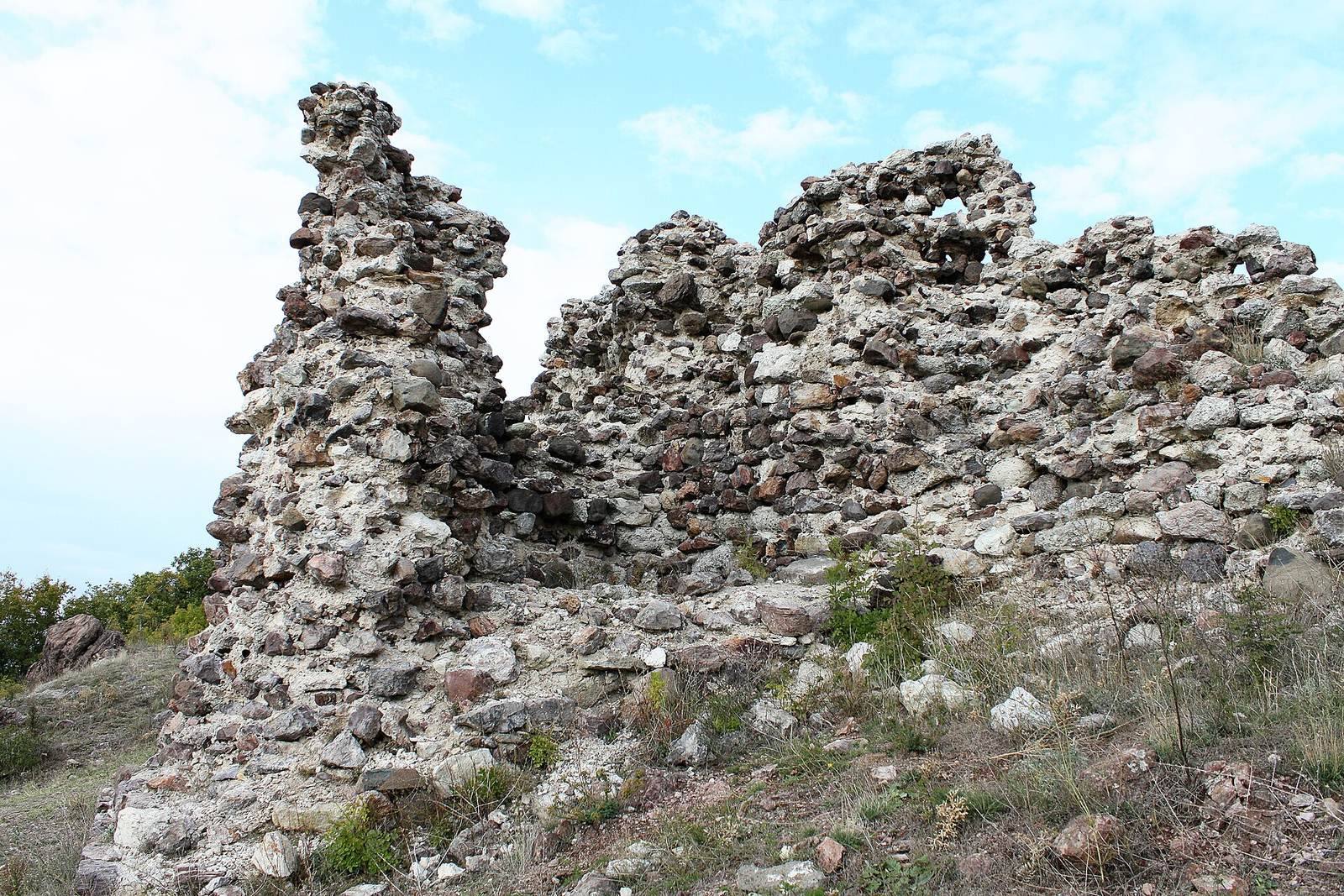
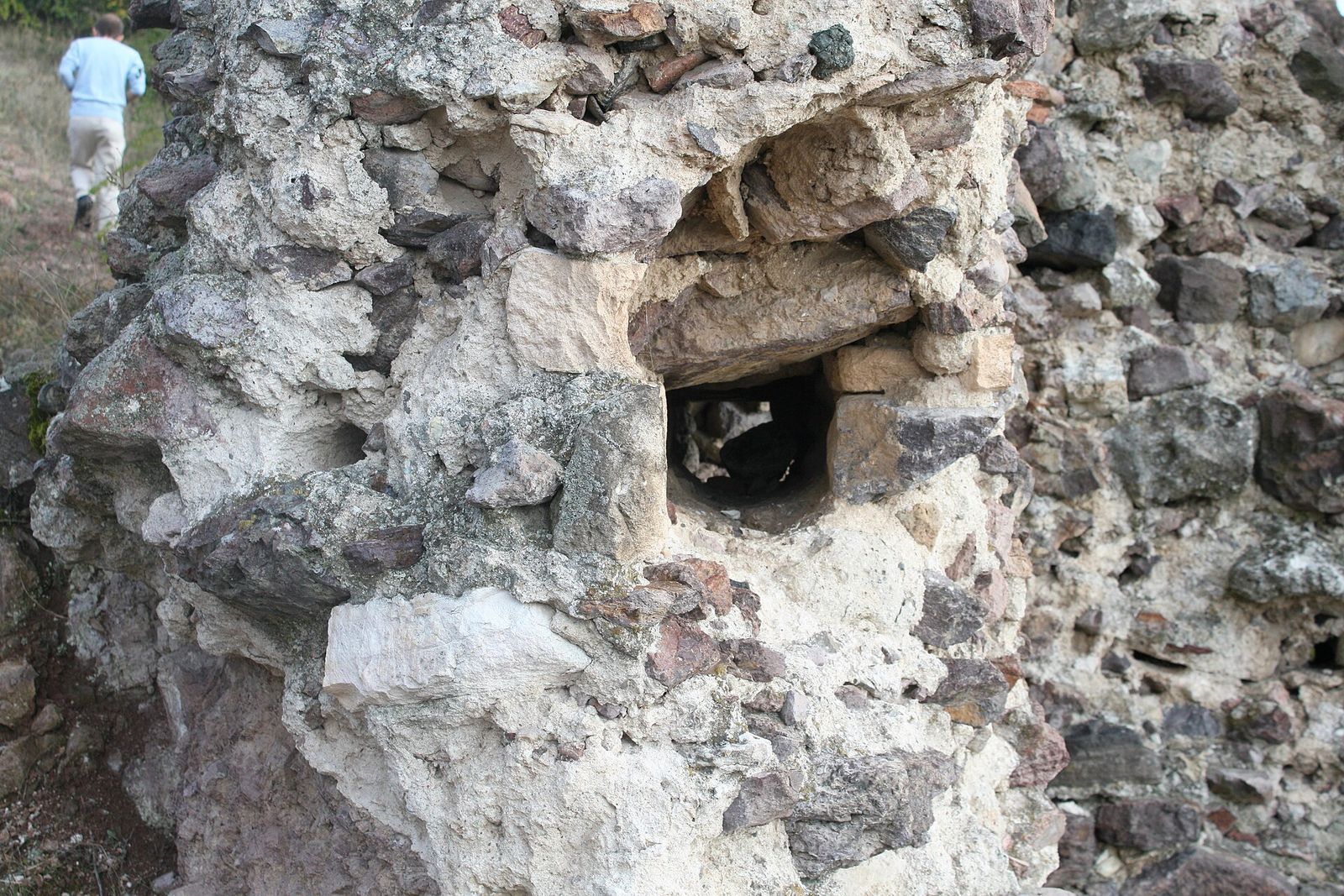
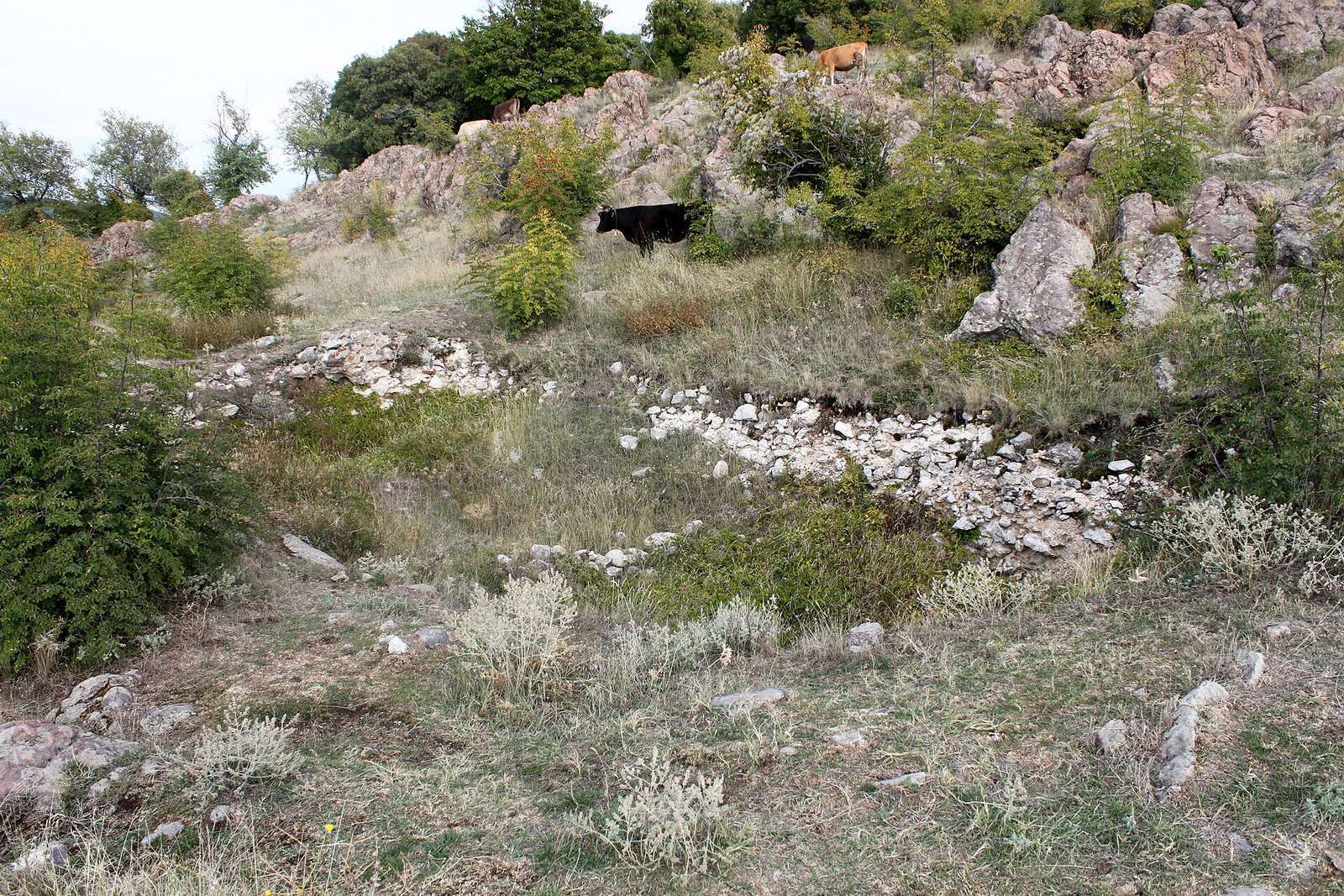
Surviving defensive works date to the 12th century and were probably built during or before the Third Crusade, another major western European Christian expedition to the eastern Mediterranean. They stand over the foundations of a substantially older Roman fortified site, or castrum. A northern stretch of the outer wall extends for more than 270 metres and reaches 7 to 8 metres high in places. Its stonework is bonded with lime and sand. The remains also include an octagonal tower, now about 3 to 4 metres high. The entrance was on the western side and was protected by two towers.
Water installations
Two above-ground tanks formed part of the fortress’s water installations. The water storage and defensive works suited the site’s use as a protected settlement for many people and as a refuge for an army.
Position above the Arda
Moniak lies about 4 kilometres south of Shiroko Pole and 12 kilometres east of Kardzhali. Across the Arda, Vishegrad Fortress is about 4.5 kilometres to the west and visible from Moniak. The medieval fortress of the Monastery of John the Precursor, an Eastern Christian title for John the Baptist, lies about 7.5 kilometres west. Moniak and Vishegrad were likely positioned to protect the area near the mouth of the Varbitsa and roads running along the river.