Minoan Villa of Zakros: A Late Minoan I Building in Crete
Site at a Glance
- Popularity
- Low
- Country
- Greece
- Primary era
- Bronze Age
- Eras represented
- Bronze Age
- Civilizations
- Minoan
- Site type
- Domestic
- Remains
- Villa
On this page7 sections
History
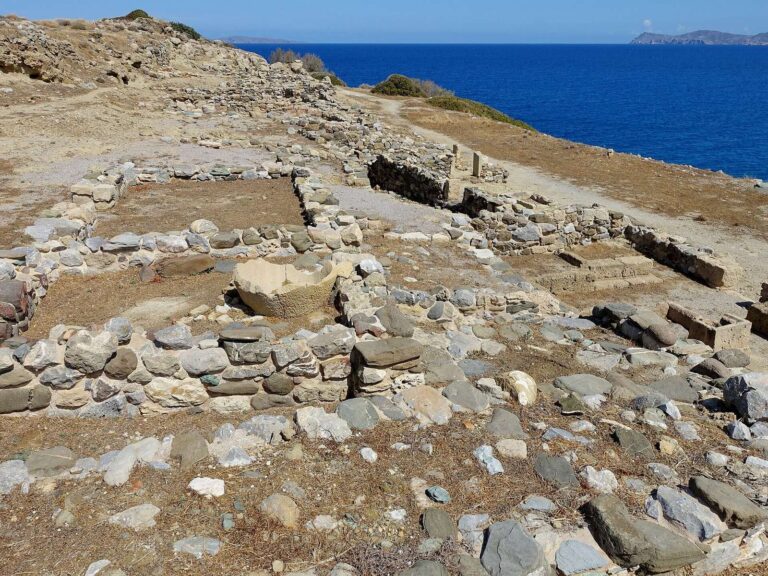
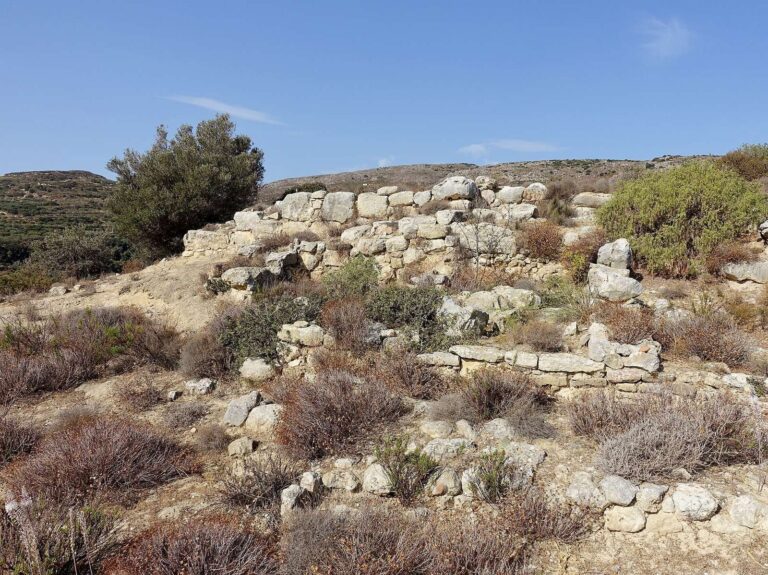
The Minoan villa of Zakros is a Late Minoan I building in eastern Crete, Greece, just south of Zakros, also called Epano Zakros. It belonged to the Minoan civilization, a Bronze Age society centered on Crete. Late Minoan I is a period in the Minoan chronological system. The term Minoan villa describes a building type largely confined to the Neopalatial period, the later palace era of Minoan history.
Catalogued as Koukou Kefali 1, the building was partly investigated from 1901 by British archaeologist David Hogarth. Road construction directly over the remains in the mid-1960s prompted further excavation by Greek archaeologist Nikolaos Platon, supported by Efi and Giannis Sakellarakis. Greek archaeologist Alexandra Karetsou carried out follow-up excavations in the 1970s.
Remains
Hillside arrangement
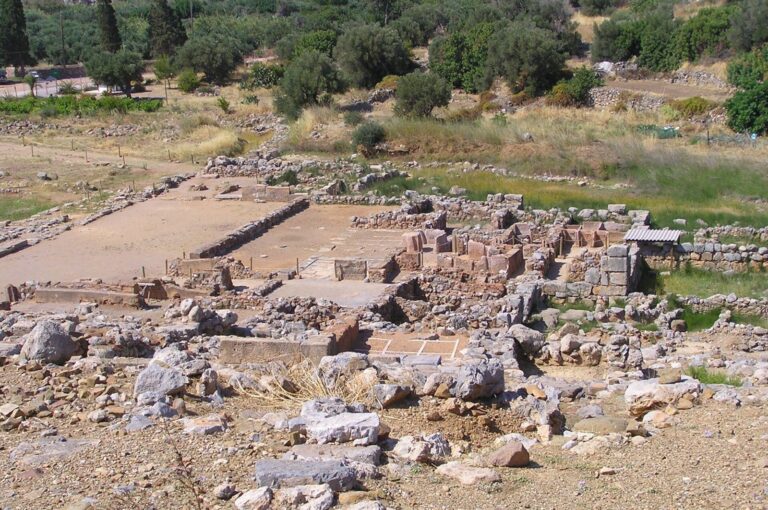
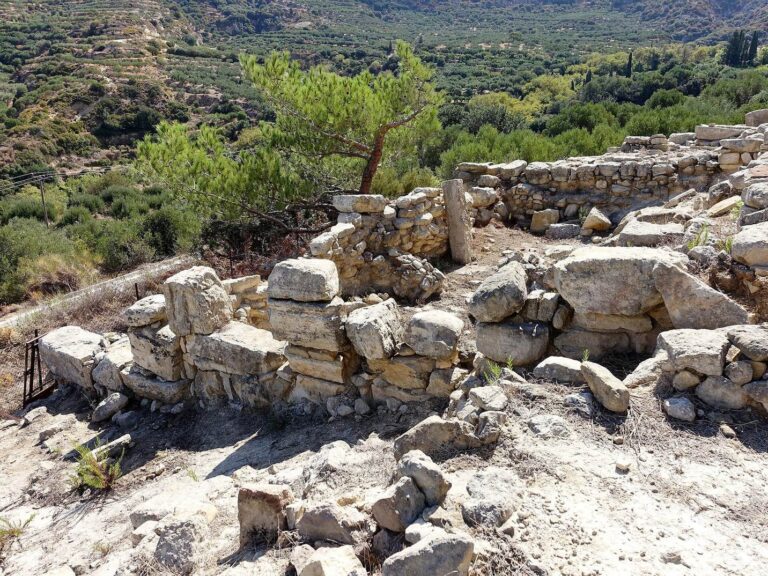
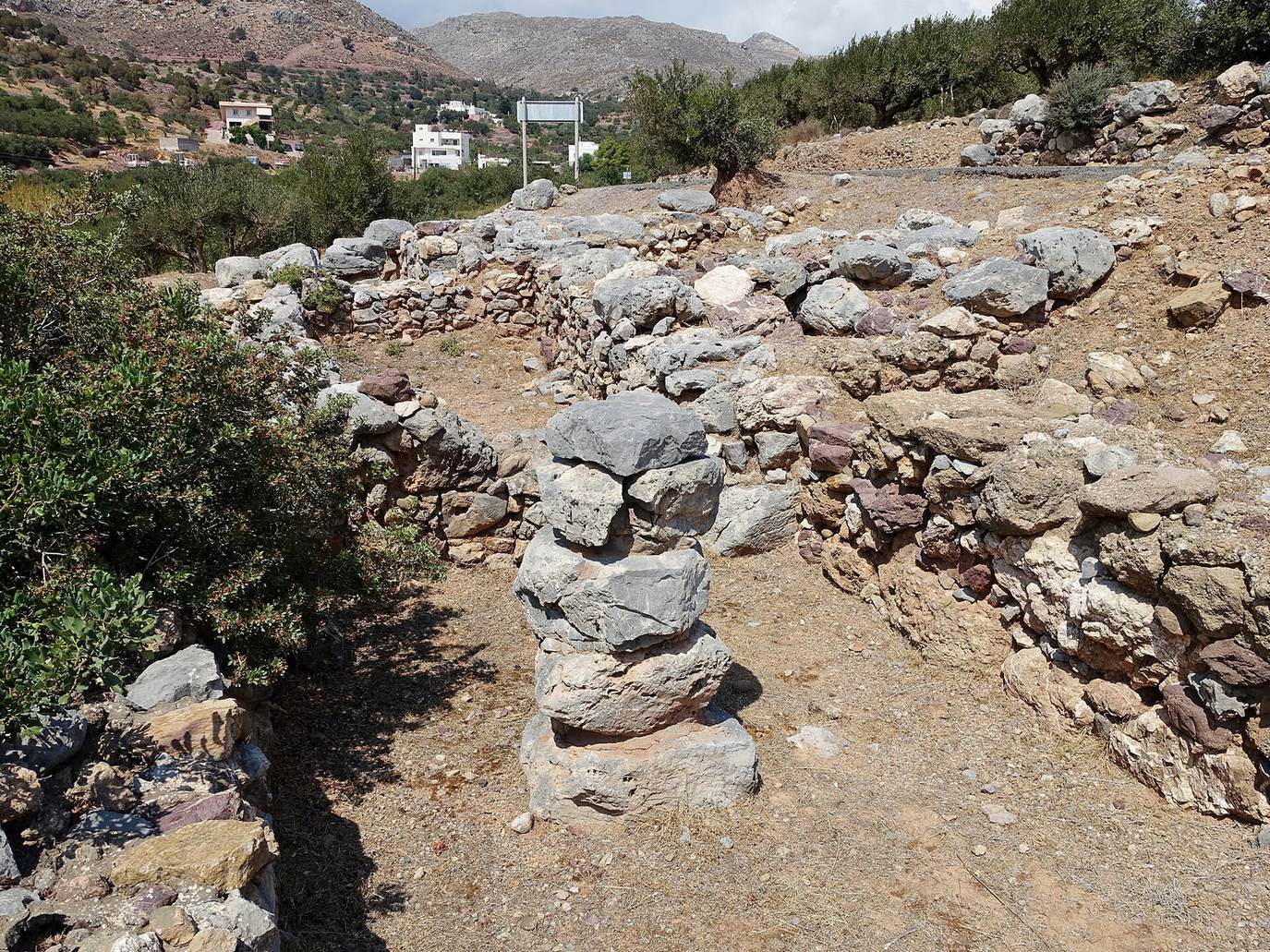
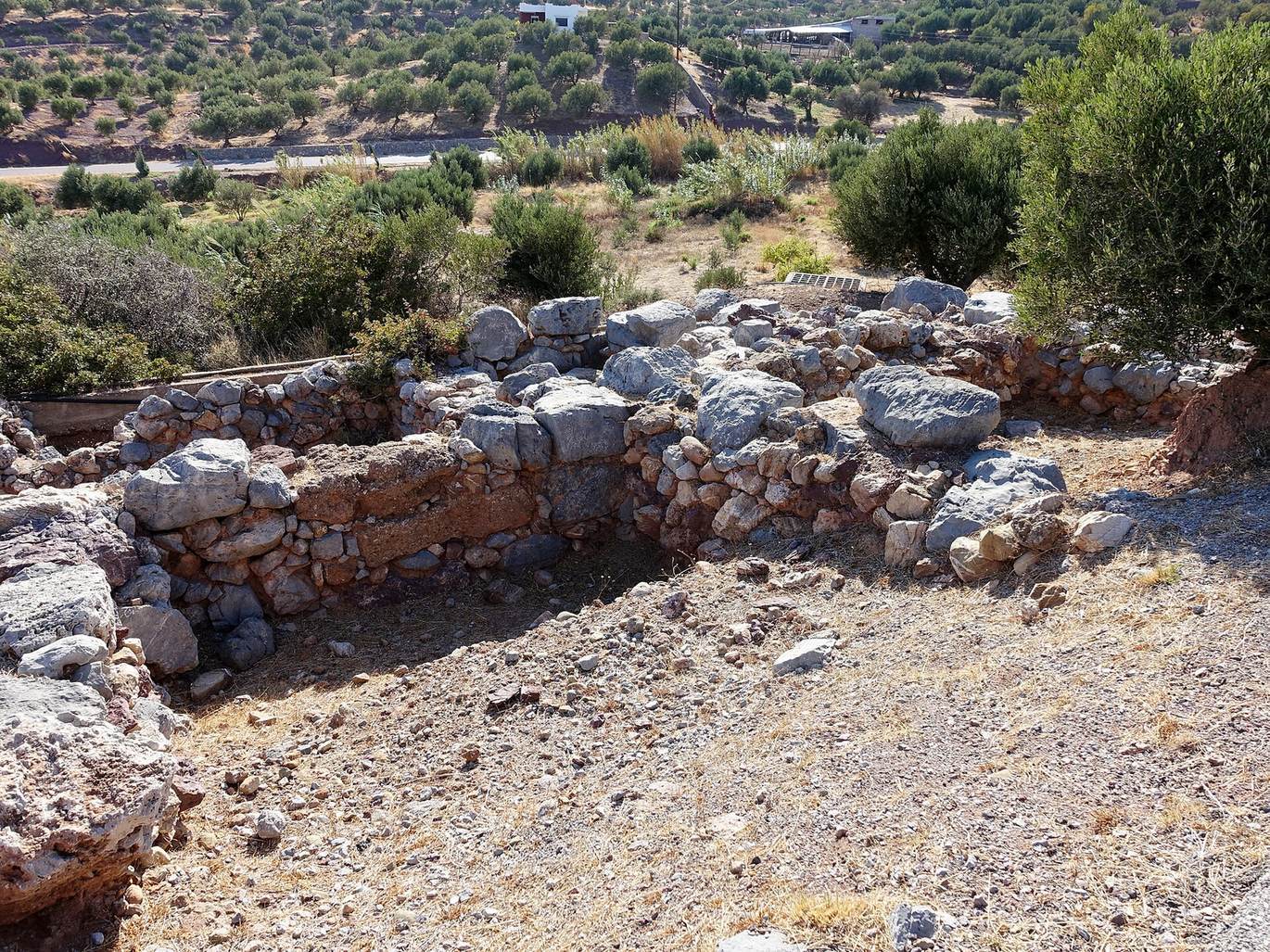
The building was constructed on a hillside across at least three levels or terraces. The road to Kato Zakros now crosses its upper level. Its surviving rooms occupy different levels of this terraced arrangement.
Lower-level wine press
A room on the lower level contained a wine press with two clay vats set into a workbench. The vats are attributed to Late Minoan IA. Floral-fresco fragments found in the room’s fill indicate that a decorated upper storey stood above it.
Middle-level rooms
Channel and possible craft installation
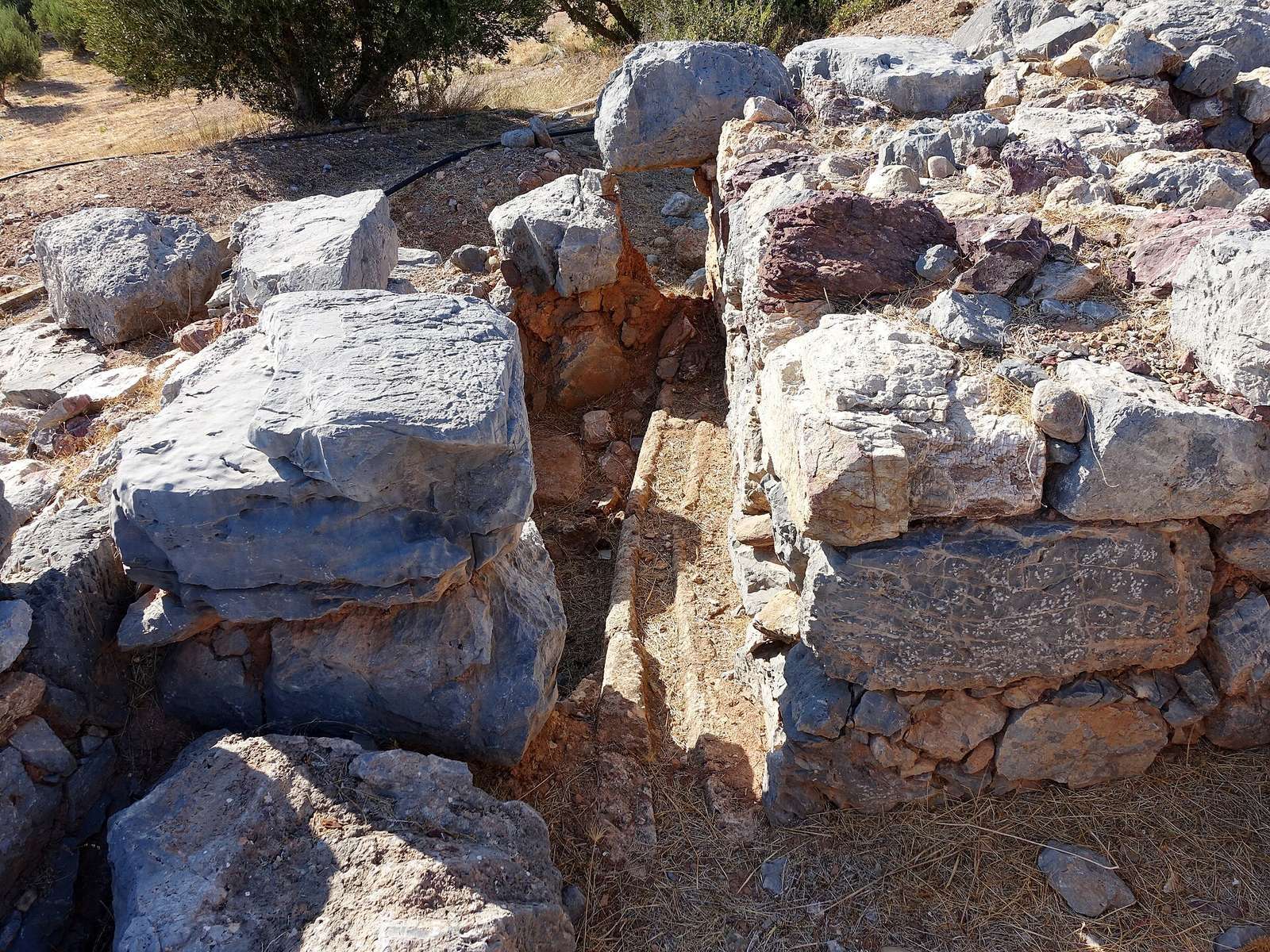
A channel runs through the floor of one middle-level room and may have formed part of an installation for craft work.
Storage room and inscribed jar
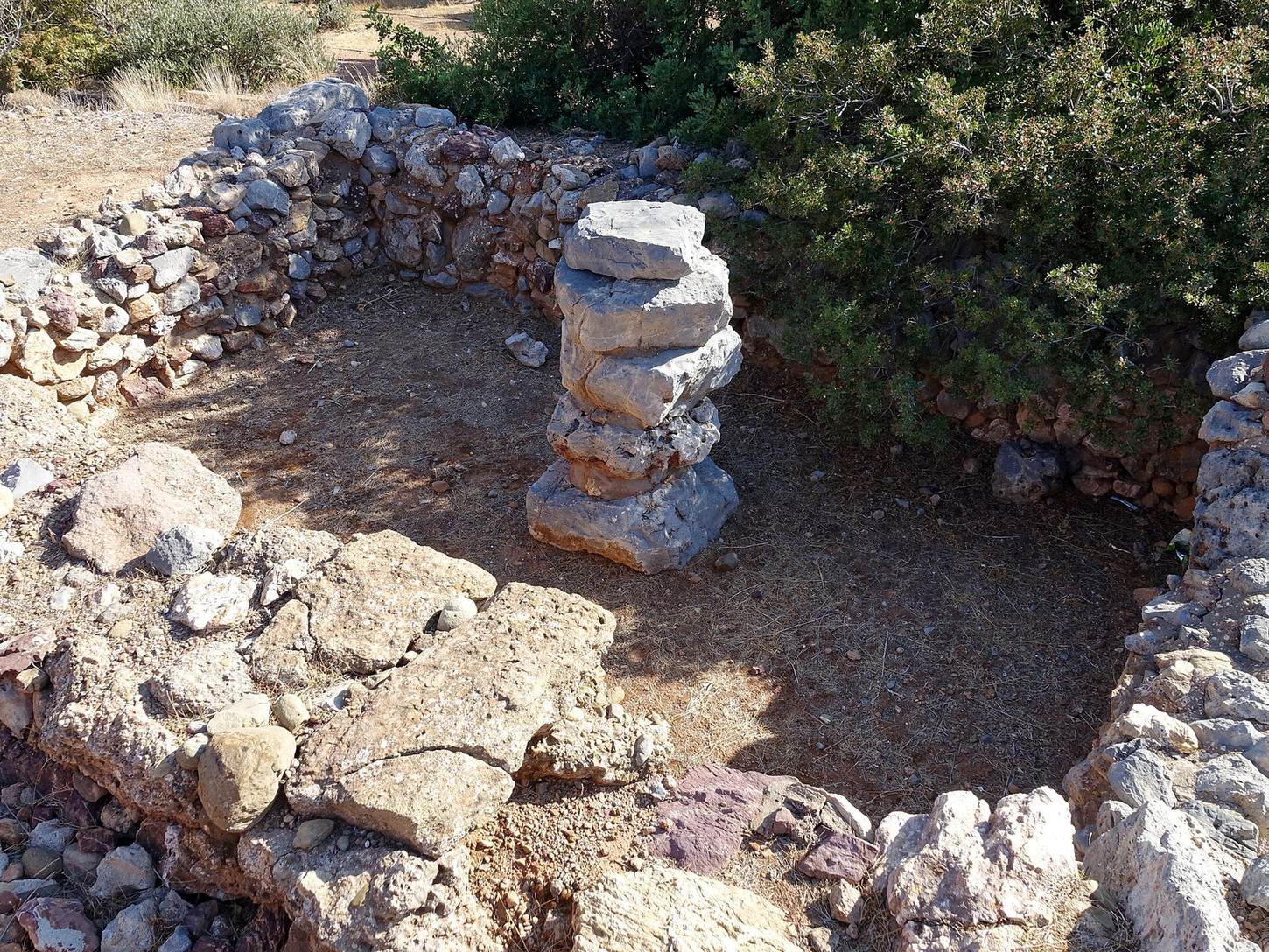
Another room on this level had a central column and contained eight large pithoi, or storage jars. One jar bears a two-line inscription in Linear A, an undeciphered script used in Minoan Crete. Its first line begins with the sign for wine and the number 21. A proposed reading interprets it as a record of 21 standard liquid measures of wine delivered by Di-di-ka-se and a jar supplied by A-se. The second line has been interpreted as, “I, Titikos, handed this to our guildmaster.”
A separate proposal compares a-ša-mu-ne with assammû plus -n, understood as a vessel term; a-ṭạ-nū-tī with ’tnt, meaning “I gave”; de-ka with dēk-, meaning “this” or “that”; a-re with ’alēy-, meaning “to” or “for”; and ma-re-na with mr’ plus -n, meaning “our guildmaster.” These are proposed Semitic comparisons, not an established decipherment of Linear A.