Mikawa Kokubun-ji Temple: A Provincial Buddhist Monastery in Toyokawa, Japan


Site at a Glance
- Rating
- 3.6
- Popularity
- Very Low
- Country
- Japan
- Primary era
- Medieval
- External website
- Open
- Eras represented
- Medieval
- Civilizations
- Yamato
- Site type
- Religious
- Remains
- Monastery
On this page9 sections
History
Mikawa Kokubun-ji Temple is a Buddhist temple in Toyokawa, Japan, and the modern successor to the provincial monastery established in Mikawa Province under Emperor Shomu’s order of 741. That order called for a monastery and a nunnery in every province, using Buddhism as an instrument of religious integration and standardized imperial control. The ancient complex followed the provincial-temple system associated with the eighth century, although its exact foundation date remains unknown.
Foundation under the provincial-temple system
The ancient temple is generally linked with the 741 order, but archaeological evidence complicates a simple foundation narrative. Its pagoda was built before the Main Hall and other principal buildings, suggesting either an earlier establishment or an initial phase that was later remodeled according to the standardized plan. The formalized style of roof tiles associated with the nearby nunnery may indicate that the temple was founded later than many other provincial monasteries.
Mikawa Kokubun-ji was connected with the Buddhist deity Yakushi Nyōrai, the Buddha associated with healing and medicine. In 927, the Engishiki assigned the Mikawa provincial monastery an allocation of 20,000 bundles of rice for its upkeep. By the latter half of the tenth century, however, the ancient temple appears to have deteriorated and ceased functioning. Its history after that decline is unclear.
Revival and early-modern changes
The present temple is traditionally said to have been revived by a monk during the Eishō era, from 1504 to 1521. It inherited the religious legacy of the ancient Kokubun-ji, although the later precinct originally overlapped the ancient ruins before being moved eastward.
In 1560, Imagawa Ujizane placed Yawata and Kokubun-ji under the control of Zaigaji Temple. Records from 1578 and 1589 identify landholdings belonging to Yawata Kokubun-ji. The name “Yawata Kokubun-ji” indicates that the temple had become institutionally connected with the nearby Hachiman Shrine. In 1649, it received an endowed estate of 5 koku and 7 to as shrine-temple territory. The koku and to were historical Japanese units used in rice-based land assessments.
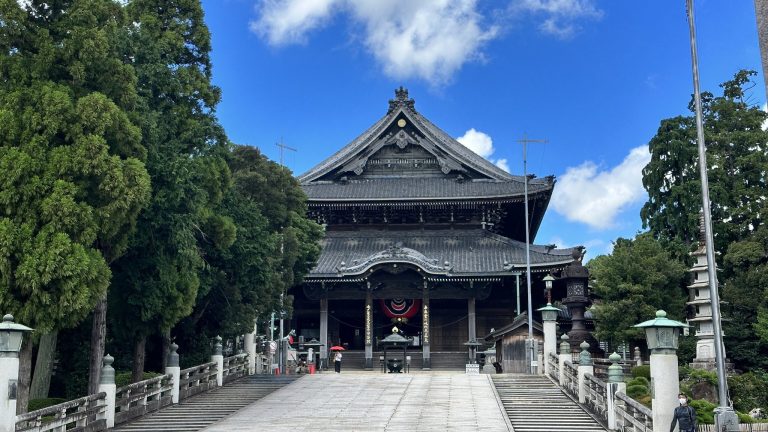
The present institution belongs to the Sōtō school, a major tradition of Japanese Zen Buddhism, and continues the ancient temple’s association with Yakushi Nyōrai. Its connection with the earlier monastery is also preserved through religious objects and the archaeological remains of the ancient precinct.
Archaeology and protection
Investigations by the Toyokawa City Board of Education took place in fiscal years 1985–1988, 2007–2009, and 2019. These excavations examined the buildings and boundaries of the ancient temple. The ancient site became a National Historic Site on October 12, 1922. On February 26, 2019, the protected area was expanded to include the presumed position of the enclosing wall on the northern side of the main compound.
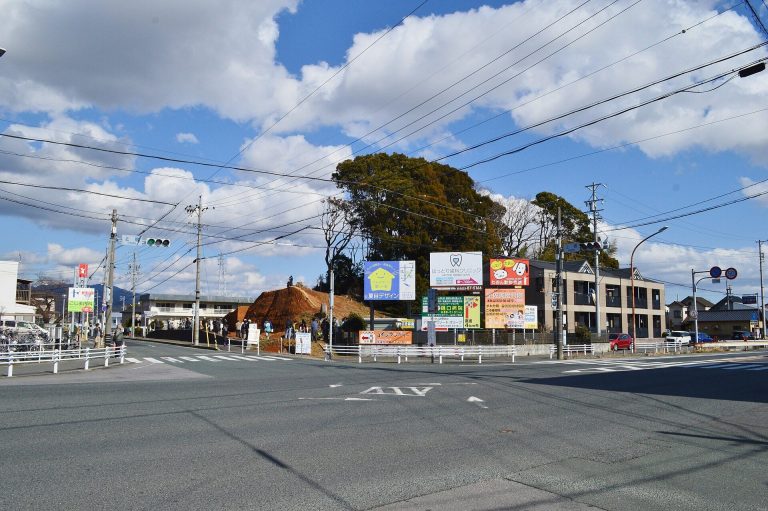
The ruins lie near the remains of the Mikawa provincial capital, the Mikawa Kokubun-niji provincial nunnery, and Funayama No. 1 Kofun, described as the largest ancient tomb in eastern Mikawa. The proximity of the provincial capital, the two provincial temples, and the tomb indicates the area’s long-standing political importance.
Remains
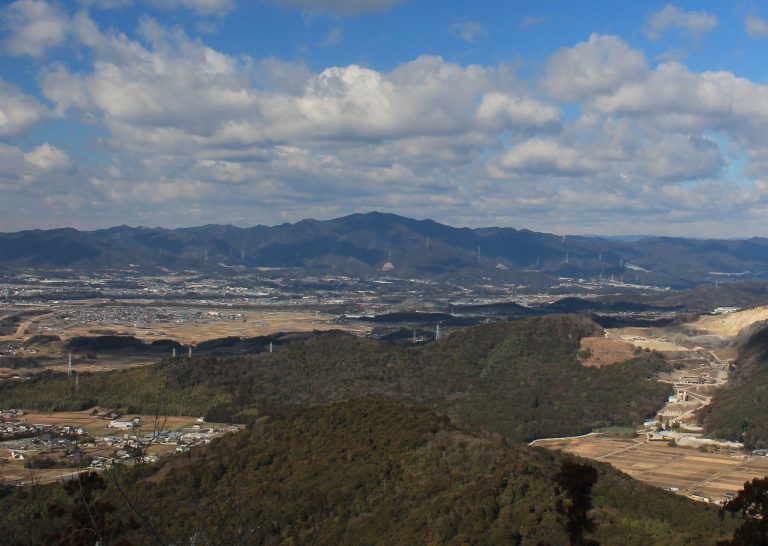
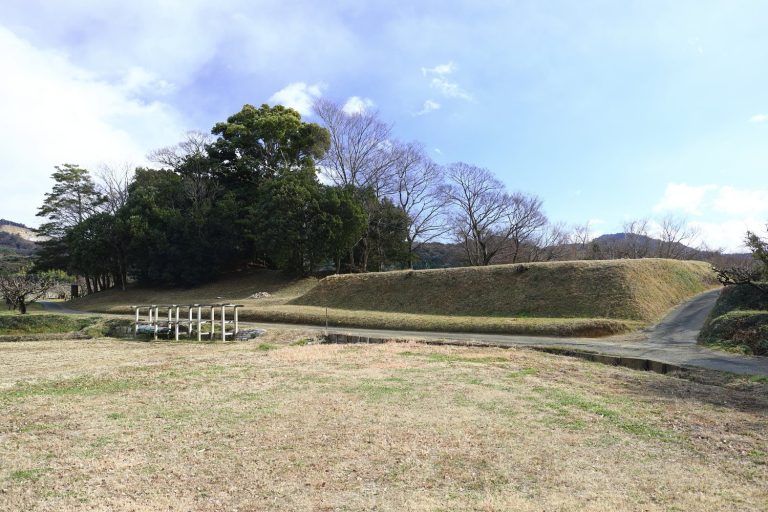
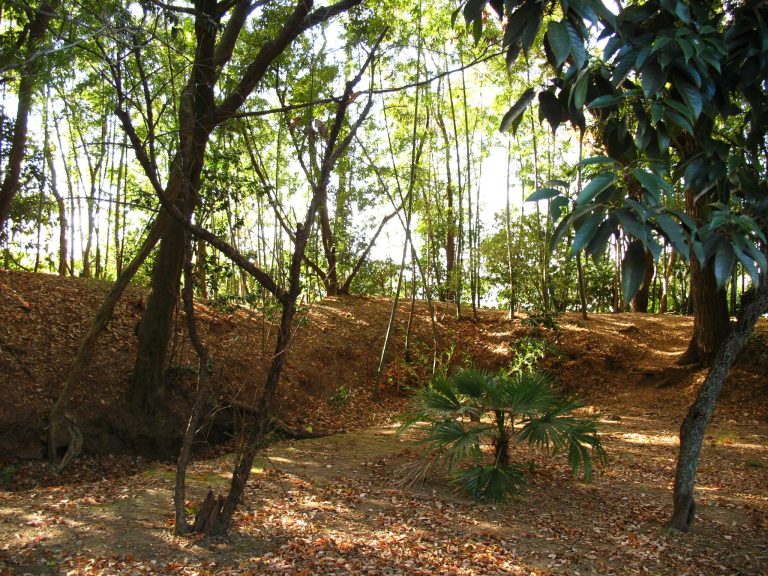
The ancient temple occupies the southern part of the Yahata Plateau, a diluvial terrace between the Otowa and Shirakawa rivers west of central Toyokawa. Its precinct measured approximately 180 meters square, or 600 shaku, and was enclosed by an earthen wall. The modern temple precinct lies east of these ruins.
Principal compound
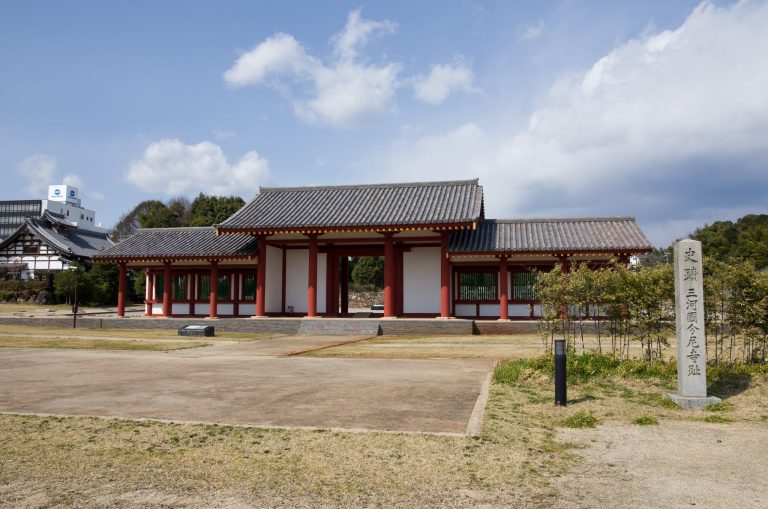
The main compound used an abbreviated provincial-temple plan modeled on Tōdai-ji in Nara. The South Gate, the presumed Central Gate, the Main Hall, and the Lecture Hall stood in a straight north-south line along a division roughly one-third of the way from the eastern side of the precinct. The pagoda occupied the western part of the compound. Corridors extended from both sides of the Central Gate and connected with the corresponding sides of the Main Hall. Archaeological investigations have identified the foundations of the South Gate, presumed Central Gate, Main Hall, Lecture Hall, and surrounding corridors. The inner gate and part of one corridor have been reconstructed as full-scale buildings directly above the ancient remains.
Pagoda and roof tiles
The pagoda foundation stones form a square approximately 16.8 meters on each side and have remained exposed since antiquity. The ancient buildings were covered with roof tiles resembling those from the Mikawa Kokubun-niji ruins and sharing notable similarities with tiles from the Etchu Kokubun-ji ruins in Toyama Prefecture. The kilns that produced the founding-period tiles have not been located. Kilns used for repairs and rebuilding during the ninth and tenth centuries have been identified at the Akatsukayama Ancient Kiln Site in Toyokawa.
North subsidiary compounds
North of the principal compound, the Kokubun-ji North Site contains two areas of approximately 100 meters square. Buildings and boundary ditches found there indicate subsidiary compounds associated with the temple. Inscribed pottery from the area bears the markings “Gold Temple” and “Monks’ Temple,” linking the finds with the religious and administrative character of the site.
Hachiman Shrine and preserved objects
Hachiman Shrine stands west of the ancient temple precinct. It has been interpreted as a protective shrine for Kokubun-ji, although this remains a theory. The present temple preserves a bronze bell without an inscription. Tradition attributes it to the Nara period, while its form places it in the early Heian period, which lasted from 794 to 1185. The bell is 118 centimeters high, has a lower-band circumference of 256 centimeters, a mouth diameter of 82.4 centimeters, and weighs 678 kilograms. Its dragon-head handle is set at right angles to the striking seat, an early structural arrangement. Slightly more than 20 of its original 80 bosses remain, a loss associated with the legend that Benkei dragged the bell. The bell is regarded as a surviving object from the ancient Kokubun-ji or Kokubun-niji.
The temple also preserves a wooden seated statue of Yakushi Nyōrai made during the Heian period. It was originally enshrined at Hachiman Shrine and was transferred to Kokubun-ji when Buddhist and Shinto institutions were separated.