York Castle Museum: A Social-History Museum in Former Prison Buildings
Site at a Glance
- Popularity
- High
- Country
- United Kingdom
- Primary era
- Early Modern
- Eras represented
- Medieval, Early Modern, Modern
- Civilizations
- British, English, Norman
- Site type
- Civic
- Remains
- Prison
On this page13 sections
History
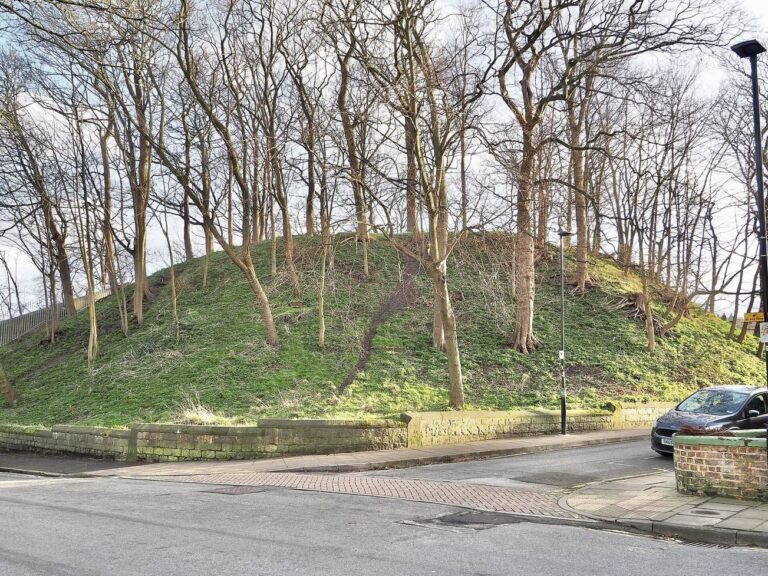
York Castle Museum is a social-history museum in York, United Kingdom, occupying part of the site of York Castle, built in 1068 during William the Conqueror’s reign. Its collections and displays grew from an interest in everyday life and material culture.
From collection to museum
John Lamplugh Kirk, a physician and amateur archaeologist, began collecting social-history objects in the 1890s. The collection was housed at Pickering Memorial Hall from the 1920s, but the hall’s poor condition led Kirk to look for a new home. In 1931, he invited institutions to express interest. Middlesbrough, Wakefield, Batley, Doncaster and York responded, and York was selected.
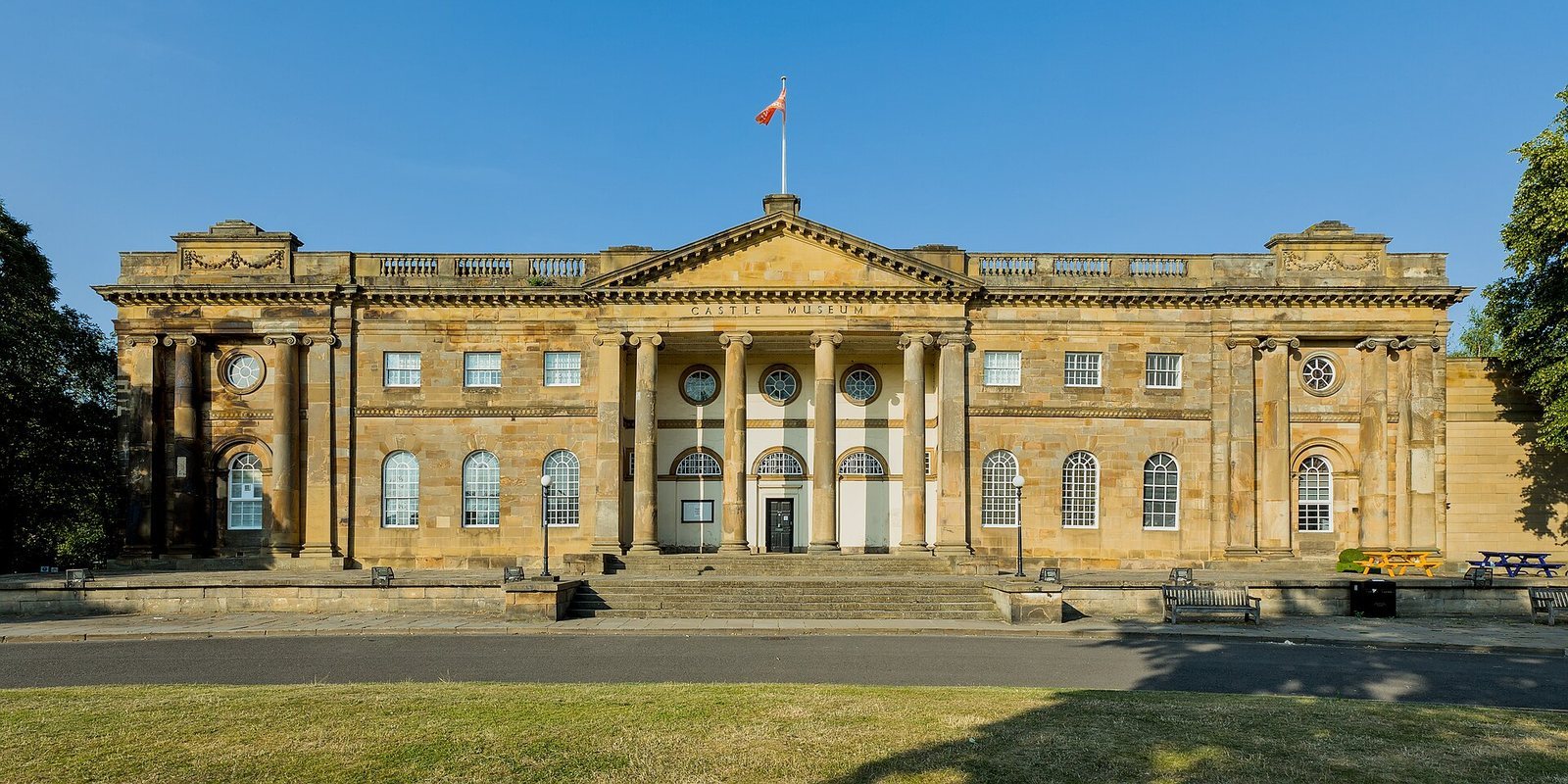
The City of York Corporation bought the former Female Prison in 1934 and adapted it for Kirk’s collection of “bygones,” everyday objects from the past. York Castle Museum opened there on 23 April 1938. Kirk founded the museum with John Bowes Morrell, a York civic leader and benefactor. Its collection included objects connected with Pickering’s culture and folklore.
Growth and changing displays
Violet Rodgers became deputy curator in 1938. After Kirk’s death in 1940, she managed the museum, which stayed open during the Second World War. She developed its educational activities and encouraged visitors to handle objects. Rodgers left in 1947 after emigrating to Poland.
The museum expanded into the former Debtors’ Prison in 1952. Half Moon Court was added in 1963, Raindale Mill opened on the grounds in 1966, and a gallery linking the two prison buildings followed in 1969. The Cells display, which presents prison life in former prison cells, opened in 2009.
In 2012, Kirkgate, the recreated Victorian-era street, was redeveloped to show a broader range of Victorian society. Later exhibitions included Toy Stories, about the history of children’s toys, and The Sixties. 1914: When the World Changed Forever opened in 2014 for the First World War centenary. Shaping the Body: Food, Fashion & Life, exploring changes in fashion, opened on 26 March 2016.
On 27 September 2023, the Female Prison section closed as a precaution after reinforced autoclaved aerated concrete (RAAC), a lightweight concrete building material, was found in its roof. At that time, the museum was one of three UK museums with RAAC and the only listed building among them.
Remains
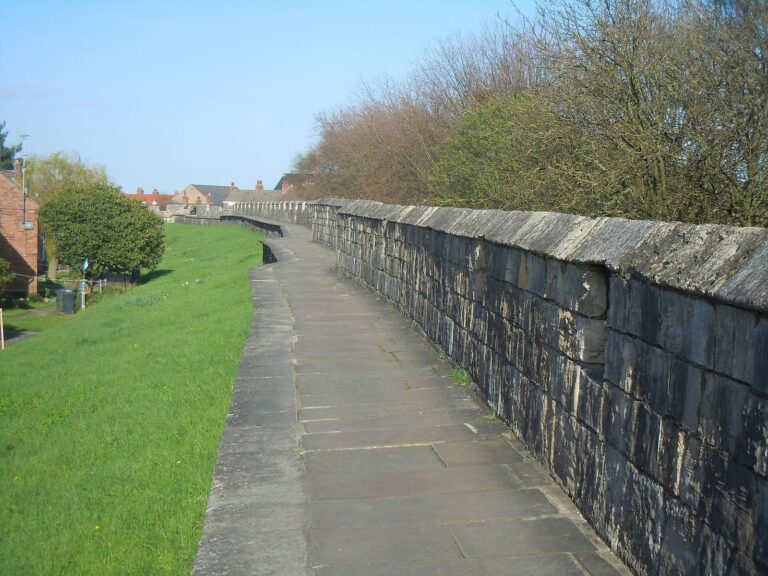
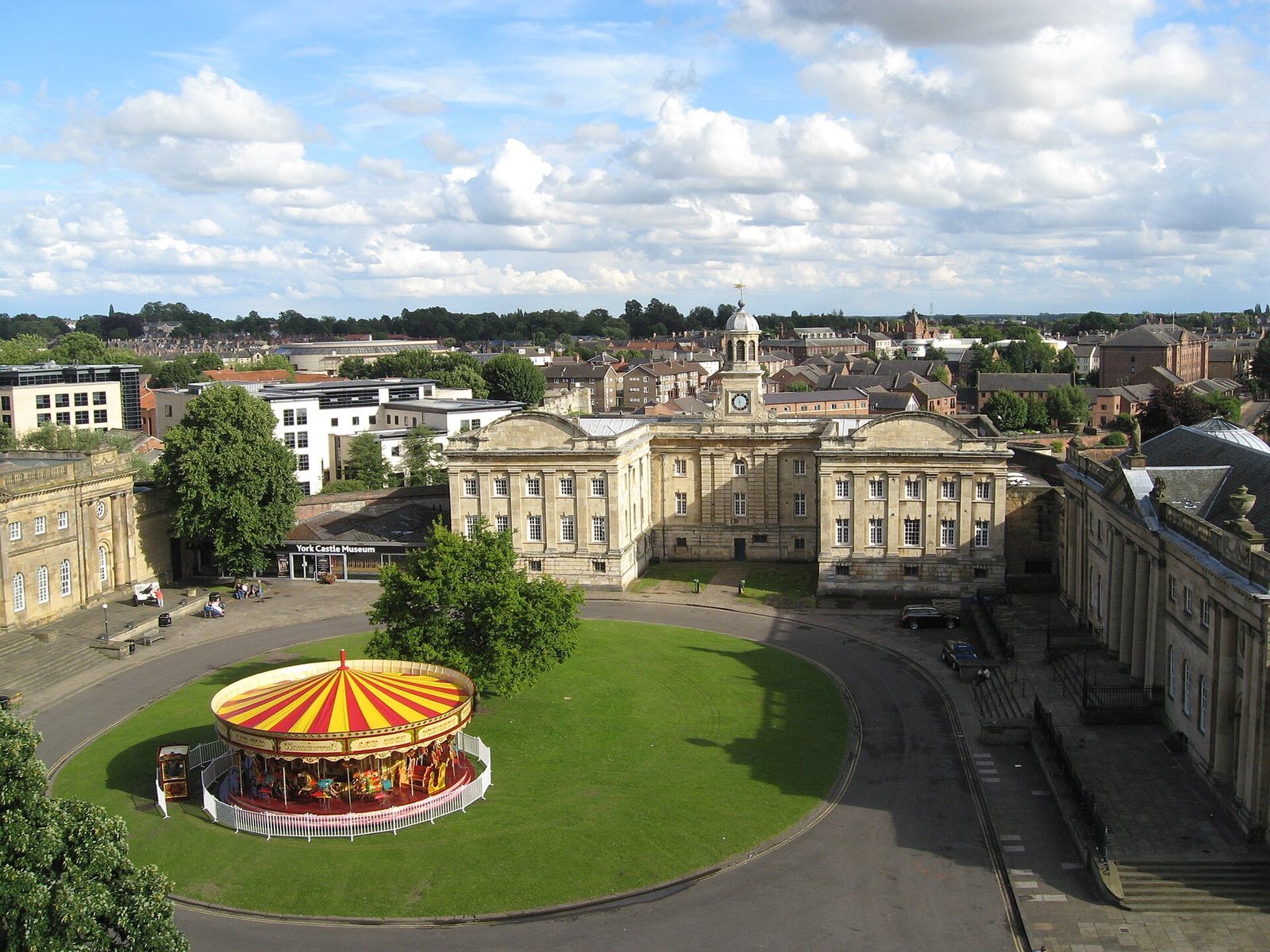
The museum occupies several separate buildings within the former bailey, the enclosed courtyard inside a castle’s outer defences, immediately south of Clifford’s Tower. Part of the castle wall runs along the museum’s southern edge, with the River Foss beyond it.
Prison buildings and connections
Debtors’ Prison
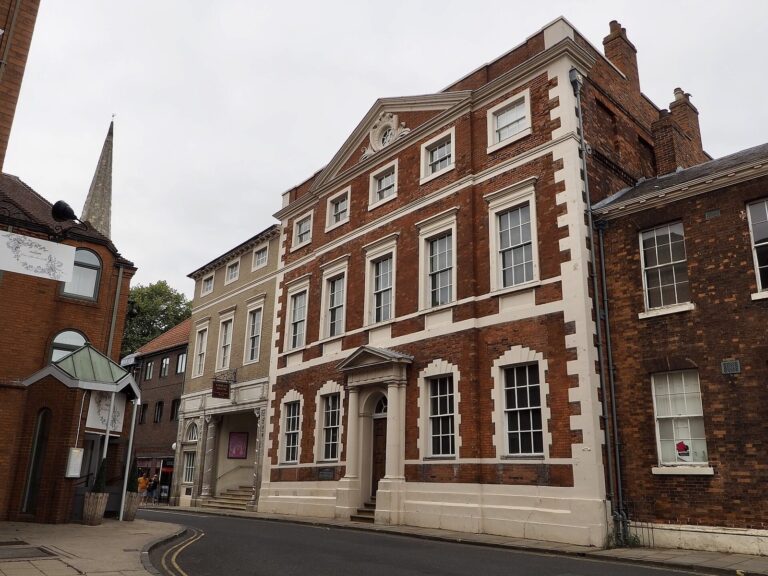
Built as the County Gaol, or county prison, in 1701–05, the Debtors’ Prison used stone taken from York Castle’s ruins. Its three storeys are arranged around a central section with a clock turret and wings that project outward. The walls combine Tadcaster limestone and brick, while the roof is covered with lead and slate. The museum displays include a cell associated with the highwayman Dick Turpin. The former Condemned Cell may also have held him.
Female Prison
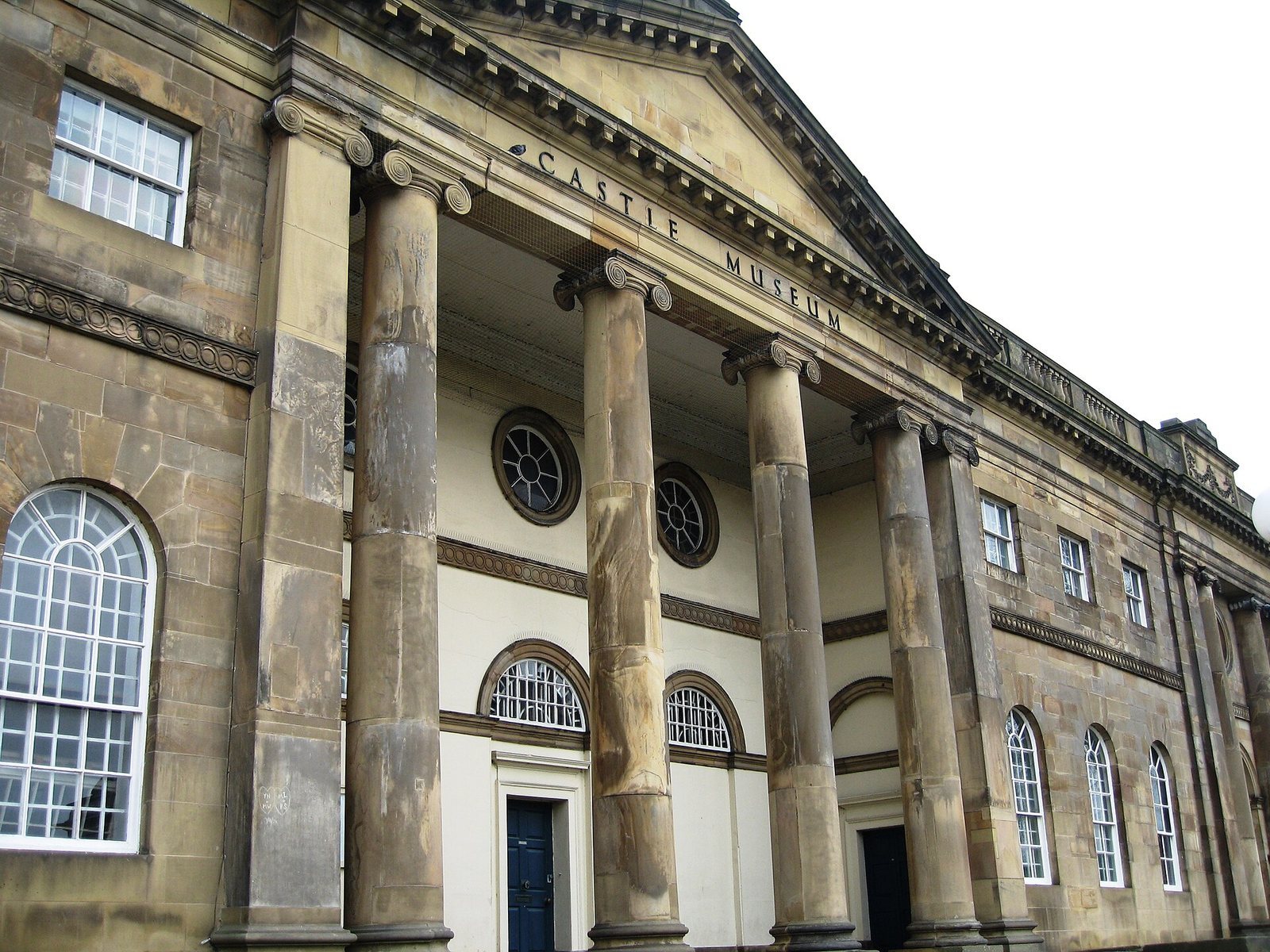
The Female Prison and its yard were built in 1780–83 for £1,540. Its front was designed to match the Court building on the opposite side of the bailey. The exterior uses sandstone ashlar, stone blocks cut and laid in regular courses. Inside the covered entrance porch, the masonry has a plaster-like coating. Alterations in 1802 added wings, and a raised base with steps was installed between 1820 and 1850.
Later connections
Half Moon Court, an Edwardian annexe associated with the reign of Edward VII (1901–1910), stands on the eastern edge of the Debtors’ Prison. A gallery joins the museum spaces in the Female Prison to those in the Debtors’ Prison.
Recreated settings and collections
Kirkgate
Kirkgate recreates a late-Victorian street, representing the period of Queen Victoria’s reign from 1837 to 1901. Its shops include a blacksmith’s and a printer’s. The name commemorates Kirk, and the street was presented as the first recreation of its kind in Britain.
Raindale Mill
Raindale Mill is a reconstruction of an early-nineteenth-century flour mill moved from the North York Moors. It now stands on the museum grounds.
Other recreated settings and displays
Recreated interiors include a cottage characteristic of the moorland around Pickering, a Victorian parlour and a seventeenth-century dining room associated with James I, who ruled England from 1603 to 1625. The Cells display uses the former Debtors’ Prison cells to present aspects of prison life.
Objects in the collection
The museum’s collection includes ornaments dating to the early nineteenth century and the York Helmet, an Anglo-Saxon helmet recovered in 1982. It was regarded as the finest of three such helmets then known.