Bierberg Passage Grave: A Neolithic Tomb in Germany
Site at a Glance
- Popularity
- Very Low
- Country
- Germany
- Primary era
- Stone Age
- Eras represented
- Stone Age
- Civilizations
- Unclassified
- Site type
- Burial
- Remains
- Tomb
History
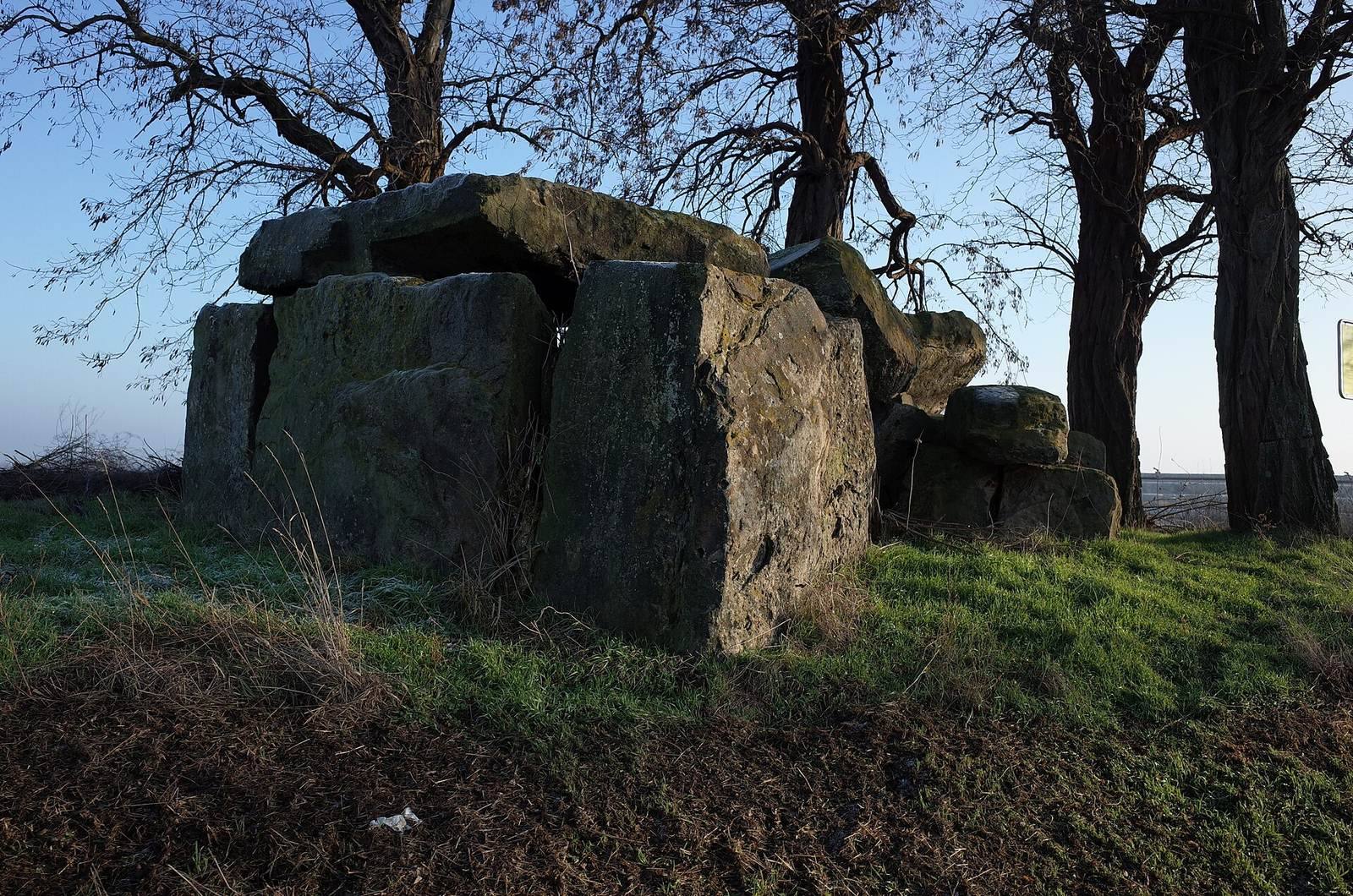
The Bierberg passage grave, a tomb chamber reached through an entrance passage, stands on Bierberg near Nienburg in Saxony-Anhalt, Germany. Its construction is dated to 3500–2800 BCE. Tombs in the Saale region, including Bierberg, are attributed to the Deep-Engraved Pottery tradition, characterized by pottery with deep incisions, and the Walternienburg-Bernburg group, a regional Neolithic tradition dated to 3200–2800 BCE. Both are associated with the Funnel Beaker culture, named for the shape of some of its pottery. Bierberg is among the southernmost megalithic tombs in Central Europe.
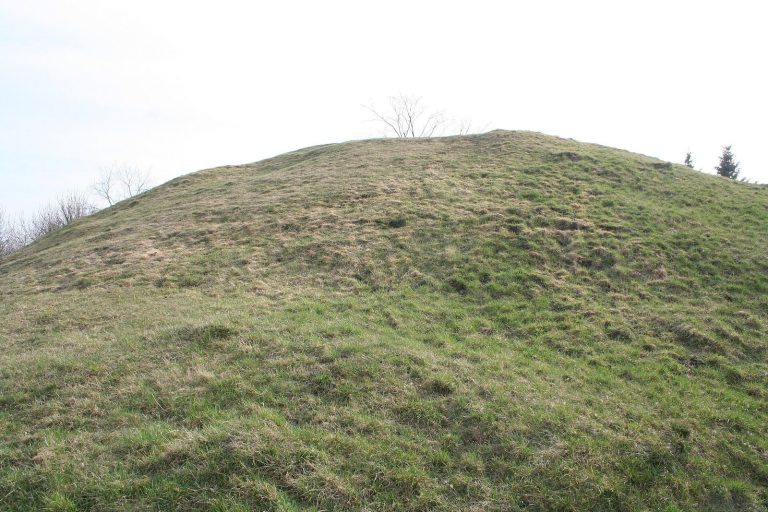
The name Bierberg may indicate that the tomb remained covered by a mound into historical times. It was plundered in the early nineteenth century.
Remains
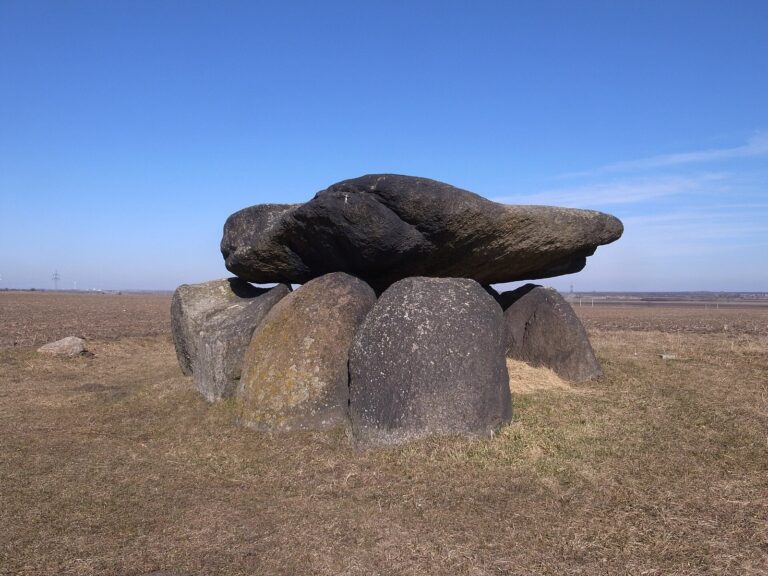
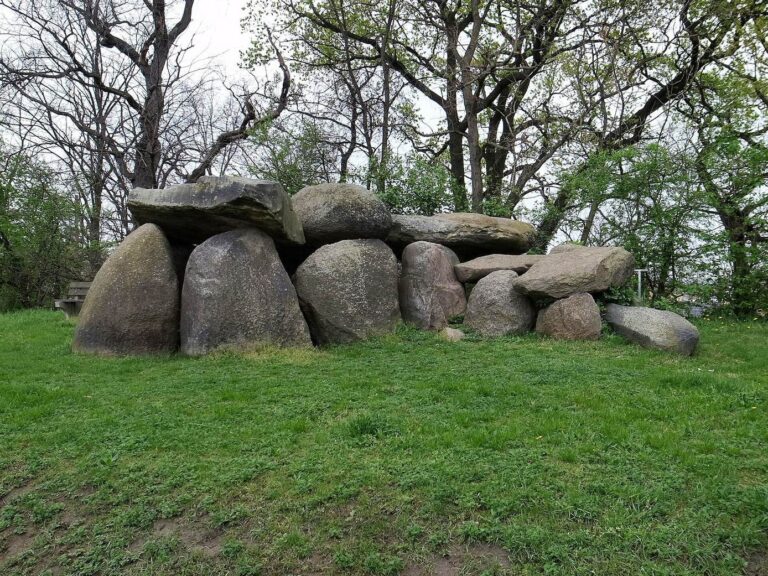
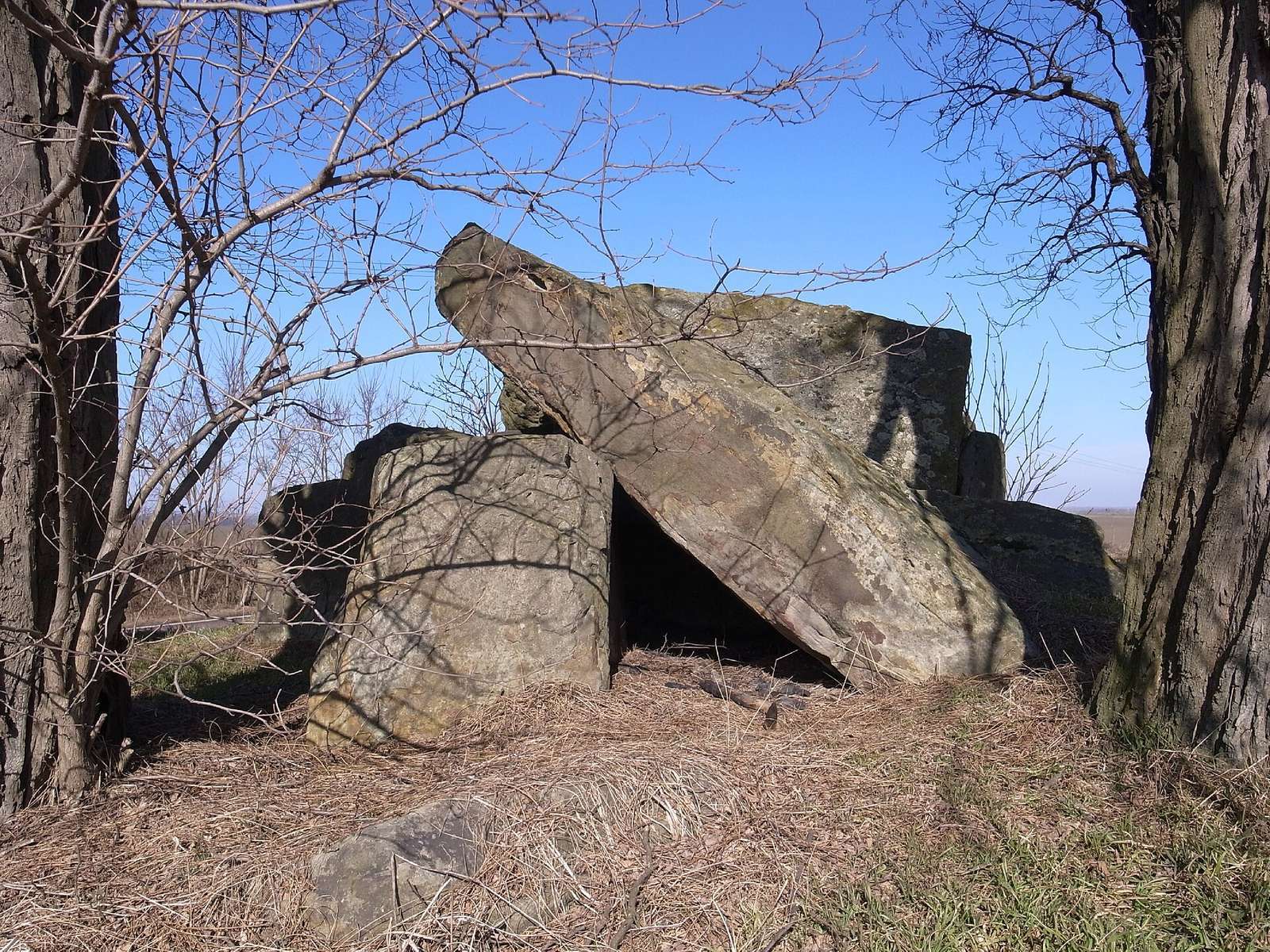
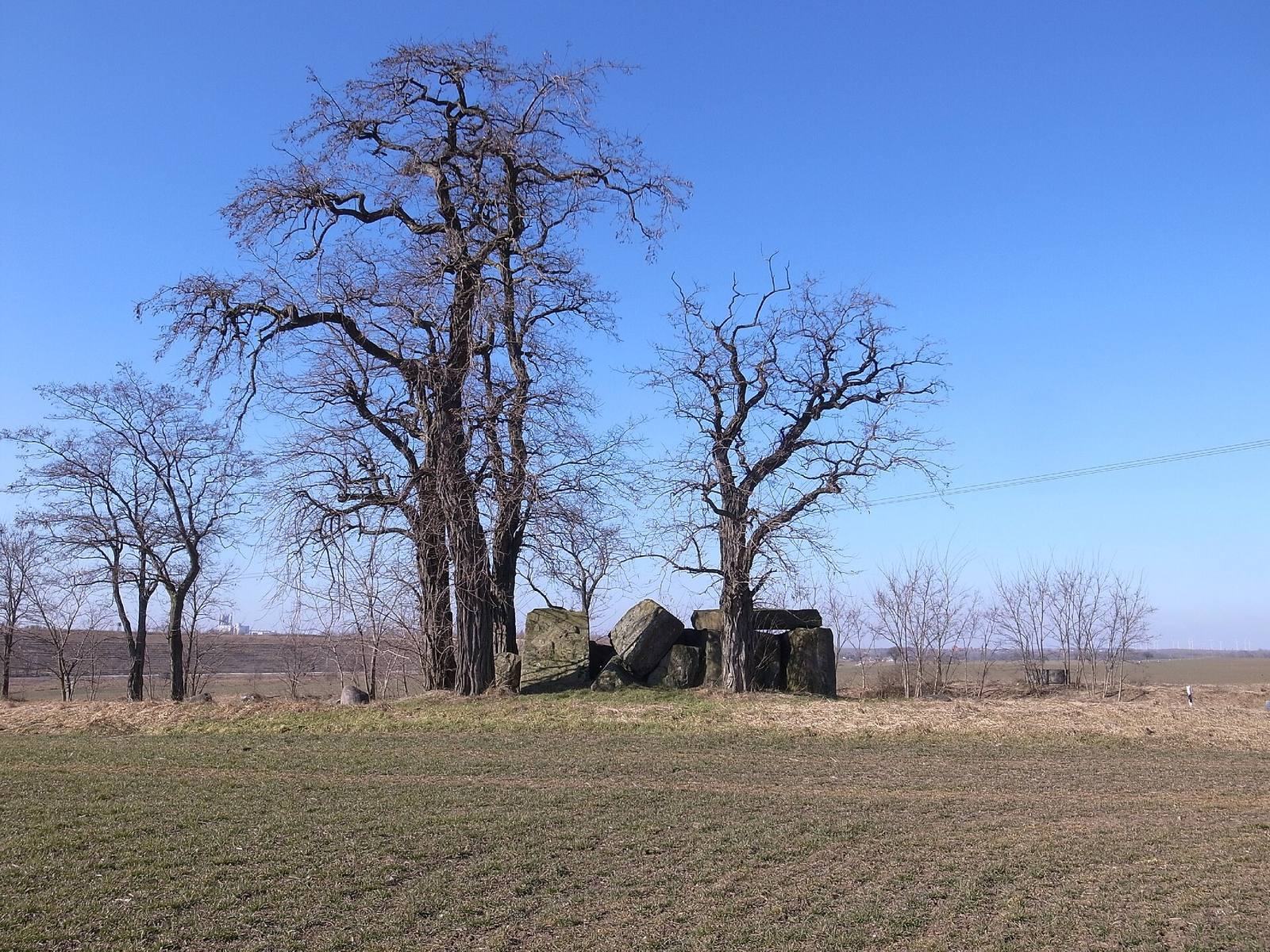
The tomb stands in a group of trees just east of the road toward Latdorf, south of Gerbitz and northeast of Bernburg. Built from dressed sandstone blocks, it measures 6.8 m long, about 3 m wide externally, and around 2 m high. Eleven support stones and four capstones survive, with two of the capstones still in place. A short entrance on the west side is formed by two pairs of support stones and one capstone. Viewed from the north along its length, the compact arrangement has the appearance of a closed stone house. At the north end, one capstone rests on an inserted stone rather than on its supporting stone, a feature also found at the Sundermann stones. The tomb’s overall form has been compared with the Karlsteine near Osnabrück.