Medieval Church-Tomb, Hisarya: A Medieval Family Funerary Church


Site at a Glance
- Rating
- 4.6
- Popularity
- Medium
- Country
- Bulgaria
- Primary era
- Medieval
- External website
- Open
- Eras represented
- Medieval
- Civilizations
- Bulgarian
- Site type
- Religious
- Remains
- Church
On this page6 sections
History
Medieval Foundation
The Medieval Church-Tomb is the ruin of an eleventh- or twelfth-century Christian church in Hisarya, Bulgaria. It represents a medieval funerary-church type preserved in only a small number of examples in present-day Bulgaria. Rather than serving as a parish church, it functioned as a family church for a prominent household of the period and is presumed to have belonged to the family of a church official.
Archaeological Investigation and Protection
Archaeological investigation identified the building as a place connected with family burial and medieval Christian practice. Its architectural and construction value led to its declaration as a nationally significant cultural monument in 1966. The official monument list records it under the name Medieval Church. It is also known as the Medieval Church-Tomb or simply the Medieval Church.
Remains
Church Structure and Setting
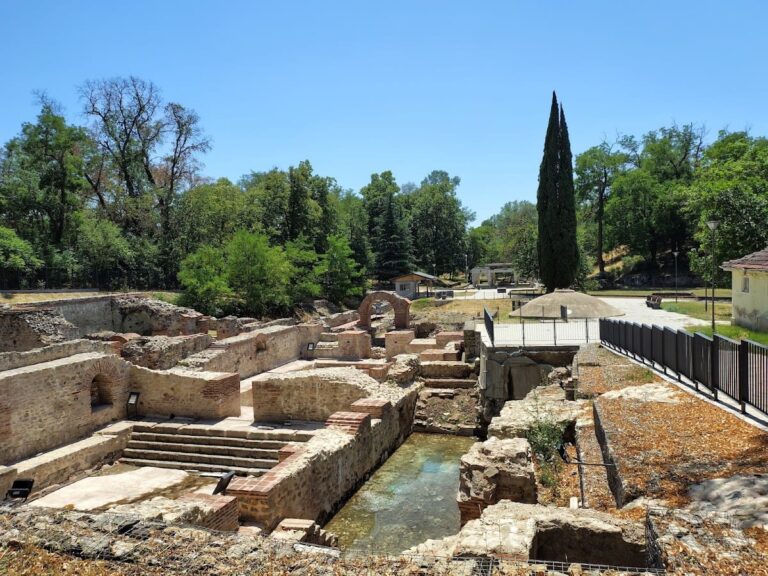
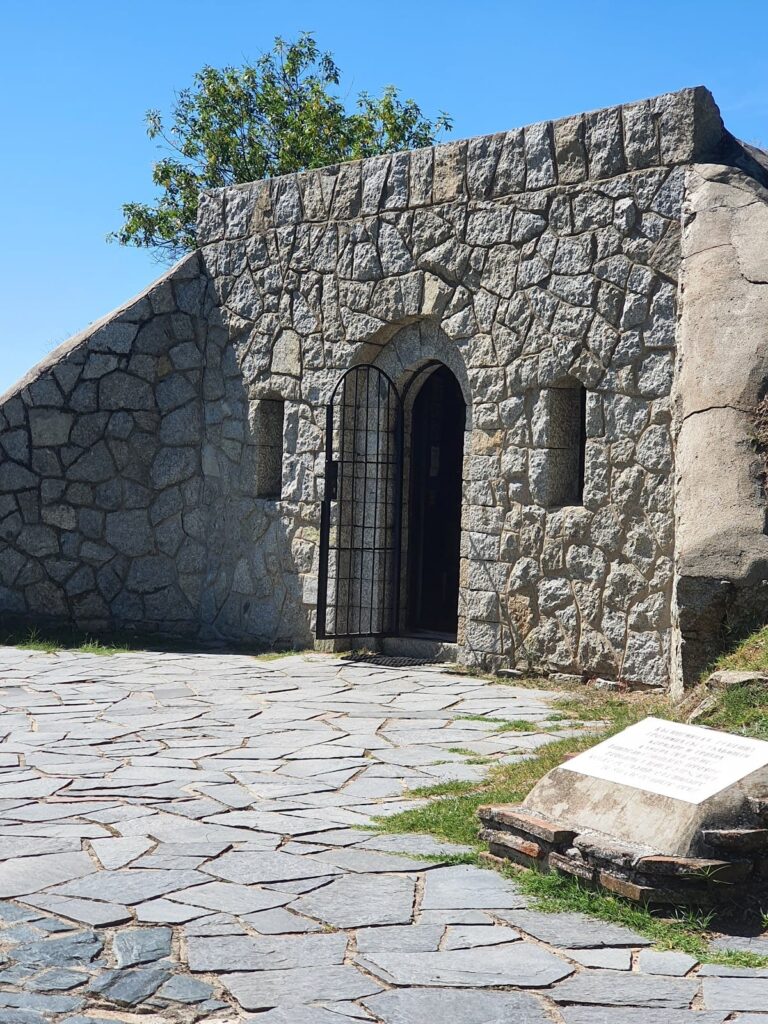
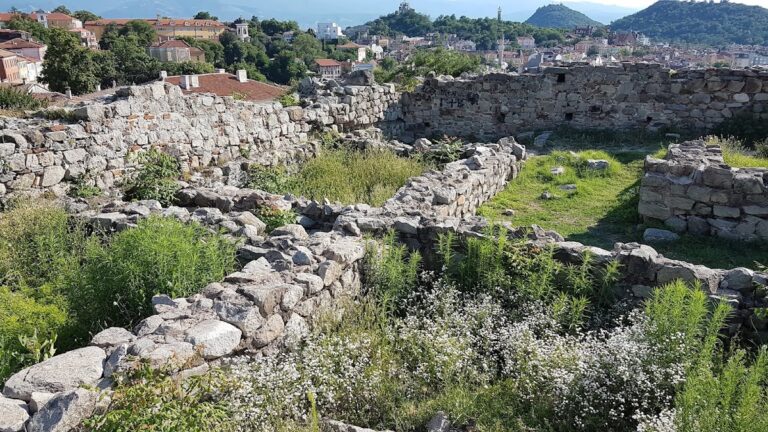
The ruin stands on a high terrace above the Momina Salza spring, within the inner area of the former fortress in Hisarya’s Chisar quarter. It lies immediately beside the western fortification wall. The building is a single-nave church, meaning that it has one principal longitudinal interior space, and it has one apse, the sanctuary end of the church. Its entrance was on the southern side. The walls were constructed from roughly broken stones bonded with mortar, while the floor was paved with large bricks reused from ancient buildings in the surrounding area.
Vestibule Burials and Finds
Six graves were excavated in the vestibule, the entrance area of the church. Stone slabs covered the burials. Objects placed with the deceased included a copper ring, a Byzantine coin from the eleventh or twelfth century, and pottery from the same period. The coin belonged to the monetary system of the Byzantine Empire, the medieval Roman Empire centered on Constantinople, and the associated finds reinforce the church’s medieval date and funerary purpose.