McManus Gallery: A Gothic Revival Museum and Art Gallery in Dundee
Site at a Glance
- Popularity
- Medium
- Country
- United Kingdom
- Primary era
- Unclassified
- Eras represented
- Unclassified
- Civilizations
- Unclassified
- Site type
- Museum
On this page7 sections
History
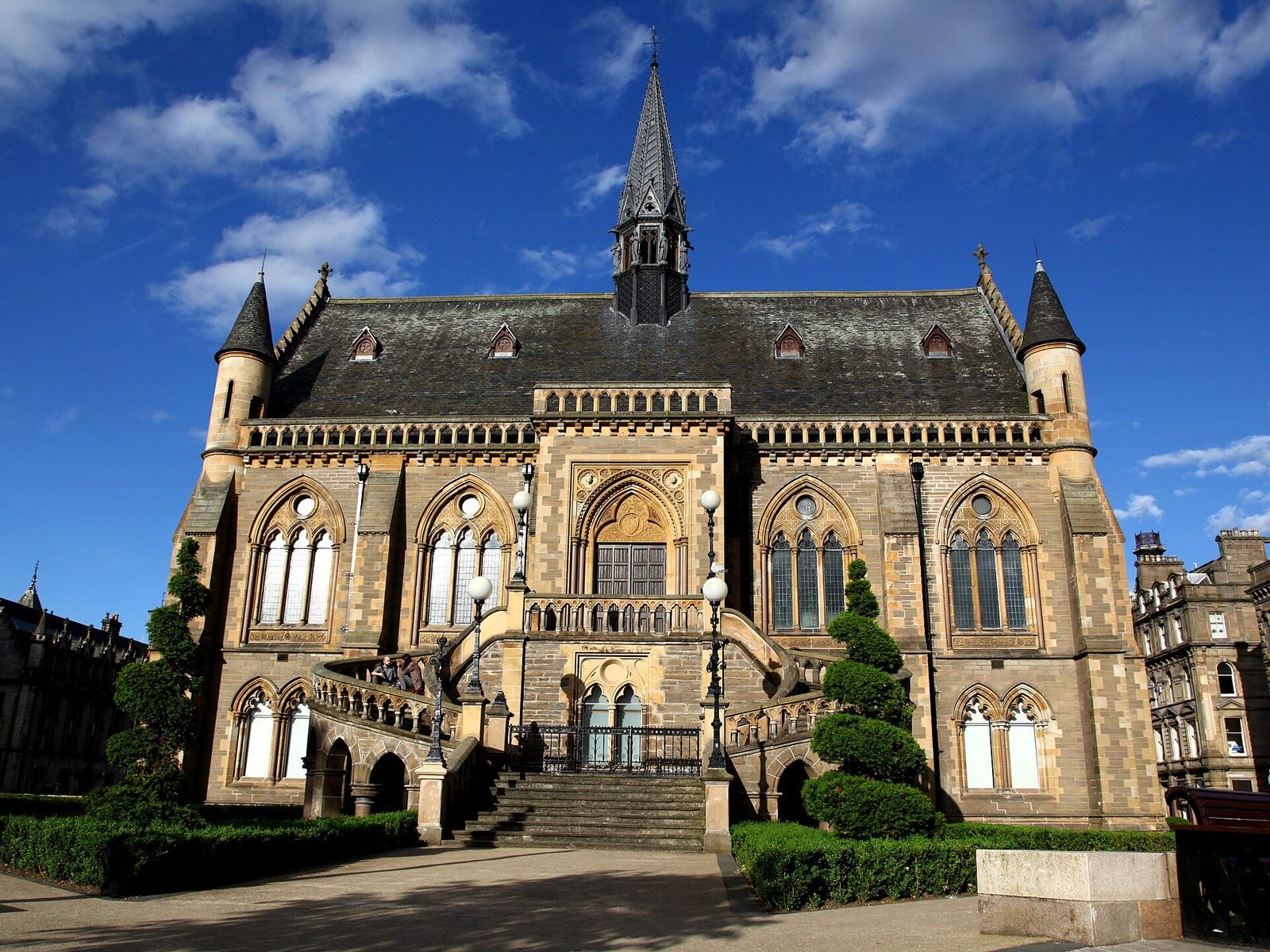
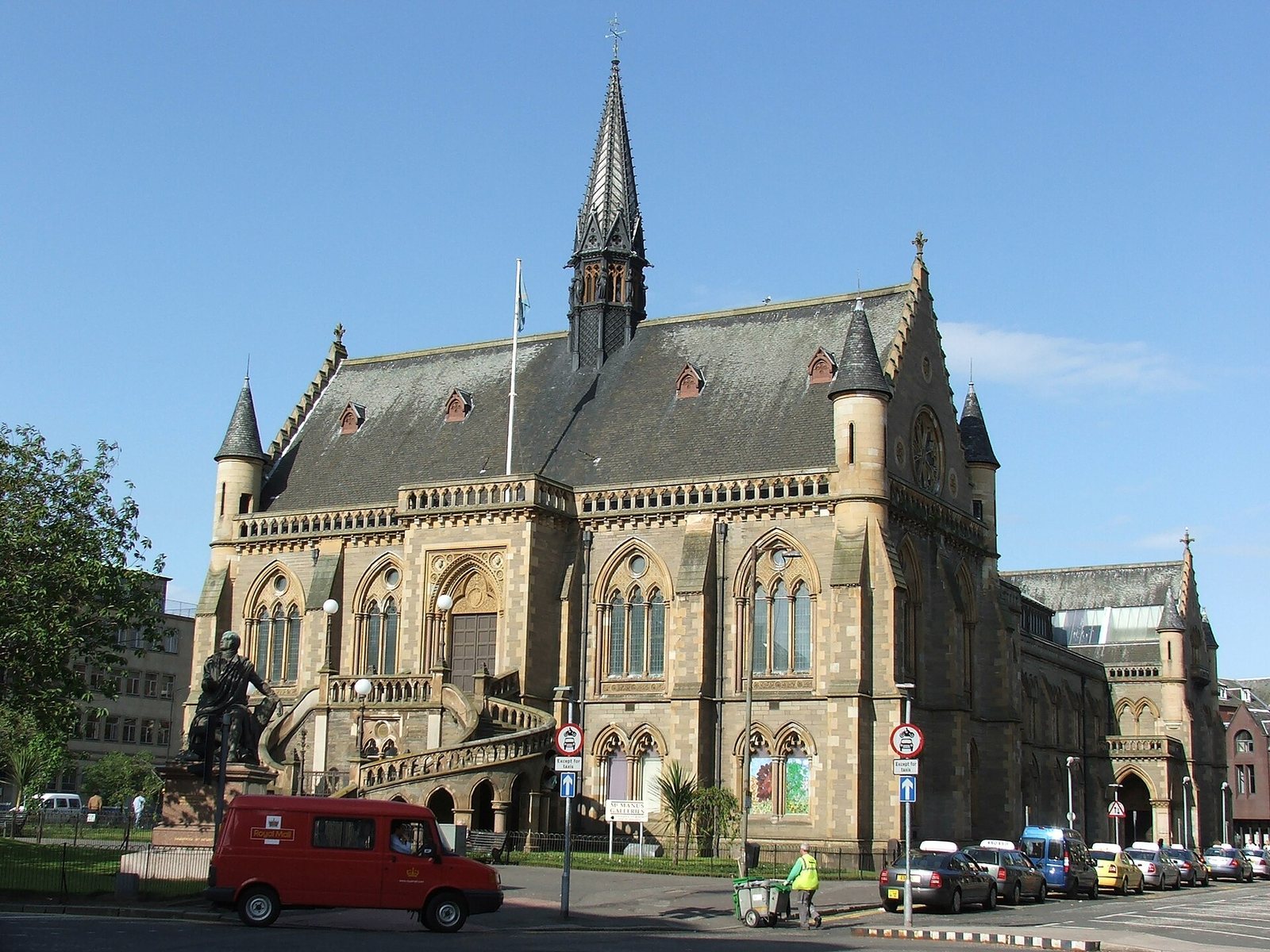
The McManus Gallery is a museum and art gallery in Dundee, United Kingdom, built in the Gothic Revival style, a nineteenth-century movement drawing on medieval Gothic forms. The British Association for the Advancement of Science, a learned society promoting scientific research and discussion, commissioned it as a memorial to Prince Albert, the husband and prince consort of Queen Victoria. Architect George Gilbert Scott designed the building to provide lecture rooms, a museum, a picture gallery, and a reference library for students.
Foundation and opening
Dundee residents were expected to finance the project. The city contributed £300, while 168 contributors raised about £4,000; the Baxter family gave £420. Construction began in 1865. Unstable ground led to a change in Scott’s plans, which had included a large tower inspired by his earlier work at St. Nikolai, a church in Hamburg. The building opened in 1867 as the Albert Institute.
Expansion and administration
The museum and art galleries opened in 1873, incorporating collections from the Watt Institute, a Dundee cultural institution founded in 1848. From 1873 to 1949, the galleries were administered jointly with the city’s municipal libraries. Dundee resumed direct administrative control in 1959. The building was expanded before 1889 to accommodate further museum and art galleries.
Repair, renaming and protection
The building became a Category A listed building in 1965, the highest grade in Scotland’s system for buildings of special architectural or historic interest. Cracks found at its southeast corner in 1976 prompted investigations, which revealed that ground settlement put the structure at risk of collapse. During a later restoration, the Albert Institute was renamed the McManus in memory of Maurice McManus, Dundee’s Lord Provost, a senior civic office broadly comparable to mayor. The institution houses collections of fine, popular and decorative art, as well as natural history.
Remains
The building combines its original central section with later gallery additions. Its foundations and supports reflect the challenges of constructing on unstable ground, while the extensions provide distinct spaces for art and museum displays.
Foundations and structure
The gallery stands on the former Quaw Bog, a wetland where the Scourin Burn and Friar Burn, small streams, meet. The ground was drained for construction, and broad timber beams were laid beneath the building to support it. In 1979, concrete piers and new beams strengthened the structure and replaced the original timber supports, which had rotted.
Gallery extensions
The additions comprise four art galleries and four museum galleries. David MacKenzie designed the central section in keeping with Scott’s intentions, while architect William Alexander designed the East Galleries.