Mavlono Asiri Madrasa: An Islamic School in Bukhara, Uzbekistan
Site at a Glance
- Rating
- 2.7
- Popularity
- Very Low
- Country
- Uzbekistan
- Primary era
- Early Modern
- Eras represented
- Early Modern
- Civilizations
- Khanate of Bukhara
- Site type
- Religious
- Remains
- Madrasa
On this page5 sections
History
Mavlono Asiri Madrasa is an Islamic educational institution in Bukhara, Uzbekistan, built under Uzbek rule in the sixteenth century during the reign of Abdullakhan. A madrasa traditionally provided instruction in religious law, theology, language, and related scholarly subjects. The building stood in the capital of the Bukhara Khanate, a Central Asian state centered on Bukhara from the sixteenth to the nineteenth century, and its history is associated with the Iranian poet Mirzo Jalol Asir ibn Mirzo Momin Isfahani.
Construction under Abdullakhan
The stronger historical tradition places the madrasa’s construction in the sixteenth century, when Abdullakhan, an Uzbek ruler of the Shaybanid dynasty, governed Bukhara from 1557 to 1598. Mirzo Jalol Asiriy came from Isfahan and lived and wrote in Bukhara during Abdullakhan’s reign. The madrasa was said to have been funded by the poet, and the nearby alley later took the name Mavlono Asiri in connection with him.
Local tradition instead linked the building with the grave of a holy man and poet identified as the Samanid-period poet as-Sariy. The Samanid period refers to the ninth- and tenth-century rule of the Samanid dynasty across much of Central Asia and eastern Iran. More recent research identifies Mirzo Jalol Asiriy as the person connected with the madrasa’s construction, stating that as-Sariy never came to Bukhara and was not the same individual. The year 1793, during the rule of Shahmurad, has also been associated with the building, although the sixteenth-century date is better supported. Shahmurad was an Uzbek ruler of the Manghit dynasty who governed Bukhara from 1785 to 1800.
Repairs and decline
A waqf document, an Islamic charitable endowment assigning property or revenue to support a religious, educational, or public institution, records repairs to the ruined mosque-madrasa associated with the deceased Mulla Asiri. The repairers named in the document were Haji Muhammad Ali ibn Mehtar Alibiy and Sayyid Abdul Muzaffar Subhanqulikhan Muhammad Bahadurkhan ibn Abul Fath Sayyid Nadr Muhammadkhan.
Teaching ended after Soviet rule was established over Bukhara, and the building gradually fell into neglect. A state program developed in 2010 proposed examination of the madrasa, separation of emergency sections, structural reinforcement, construction work, and restoration in 2011. Major repair and restoration were also scheduled for 2013 and 2014. The building entered Uzbekistan’s national register of immovable material and cultural heritage in 2019 as an architectural monument of Bukhara. It currently serves a tourism-related function.
Remains
Surviving madrasa structure
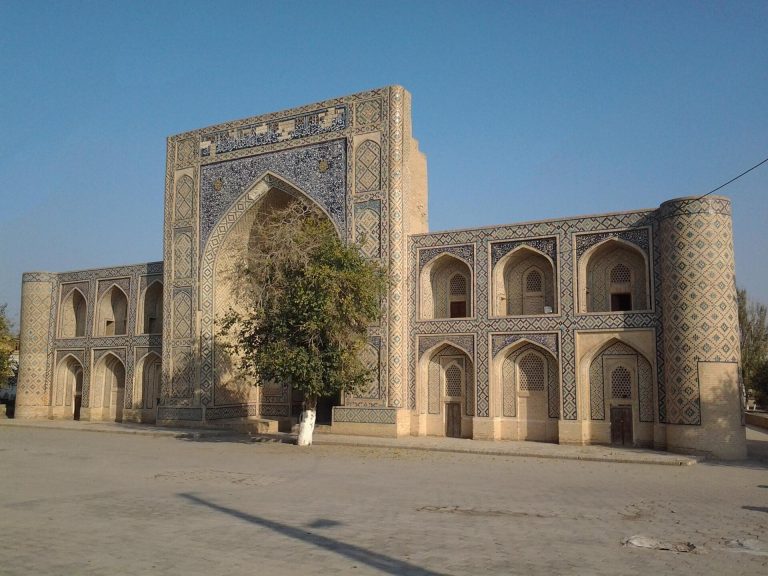
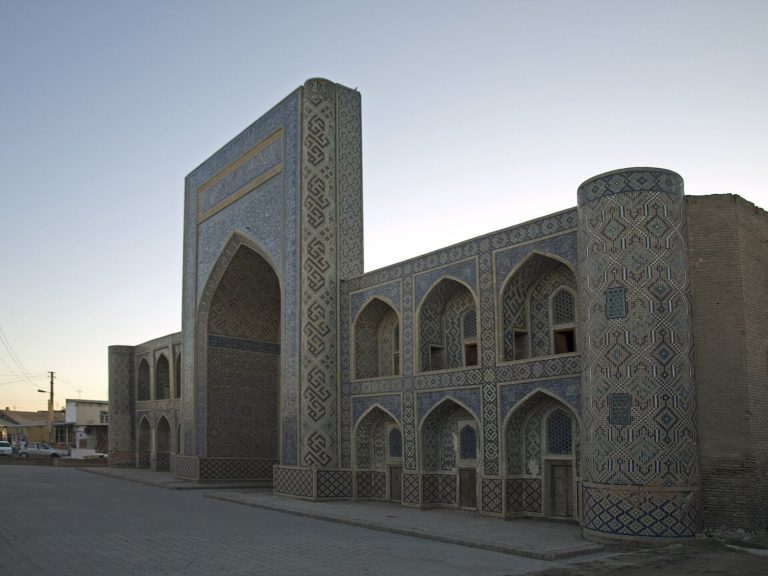
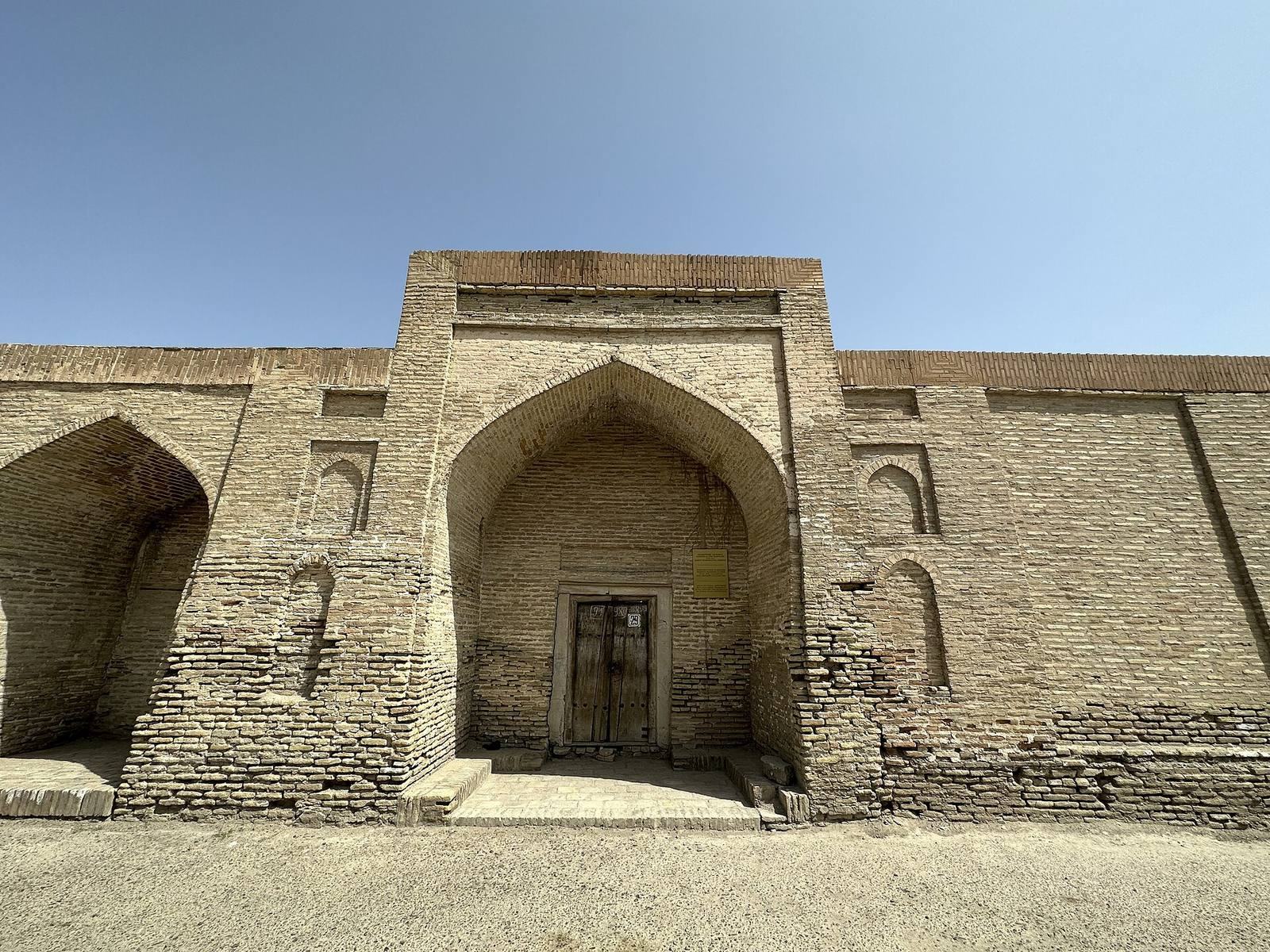
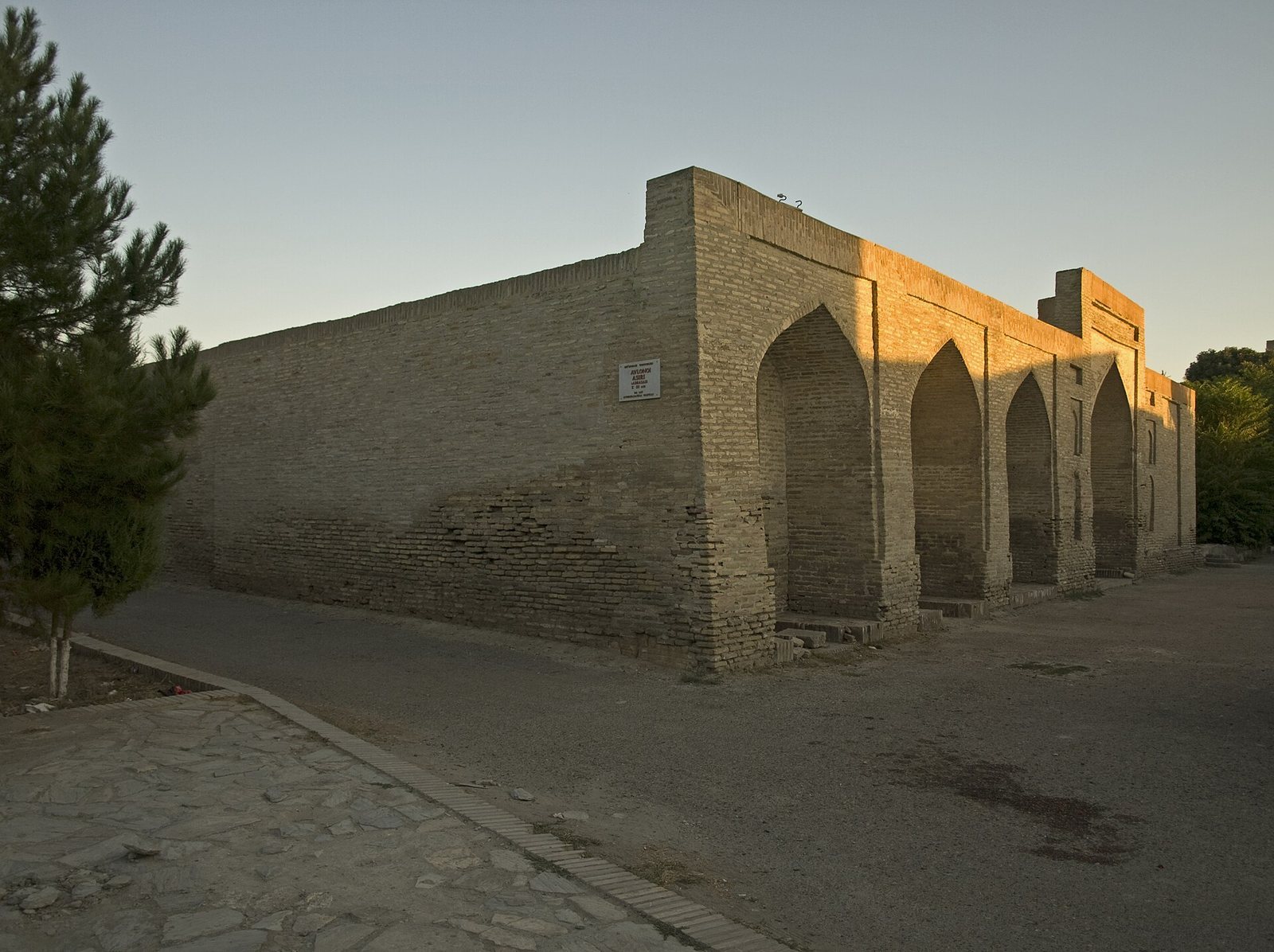
Mavlono Asiri Madrasa is a one-story building with a polygonal plan, constructed primarily from baked brick. Its fabric survives only in part: approximately half of the building remains, while the other half has collapsed or been destroyed. Houses now occupy the site of the collapsed section. The surviving portion is dilapidated and remains in poor condition despite the repair and restoration programs planned for the site.