Mausoleum of Tarabay al-Sharifi: A Late Mamluk Funerary Complex in Cairo
Site at a Glance
- Rating
- 4.4
- Popularity
- Very Low
- Country
- Egypt
- Primary era
- Early Modern
- Eras represented
- Early Modern
- Civilizations
- Mamluk
- Site type
- Religious
- Remains
- Tomb
On this page6 sections
History
The Mausoleum of Tarabay al-Sharifi is a late Mamluk funerary complex in Cairo, Egypt, built in 1503–1504 in the final phase of the Mamluk sultanate. The Mamluks were a military ruling elite whose sultanate governed Egypt and Syria from the thirteenth to the early sixteenth century. The complex was commissioned by Amir Tarabay al-Sharifi, a high-ranking commander who had entered the Mamluk military establishment as a slave purchased by Sultan Qaytbay.
Tarabay al-Sharifi and the late Mamluk period
Tarabay later became leader of the Mamluks in Egypt during the reign of Sultan al-Ghuri, who ruled from 1501 to 1516. The mausoleum therefore belongs to the late Mamluk period, shortly before the Ottoman conquest of Egypt in 1517. The mausoleum and ribat of Azdumur, a religious foundation associated with lodging, devotion, and support for religious or military communities, were built during the same period. Azdumur had also been purchased by Qaytbay, but the nature of his relationship with Tarabay remains unclear.
Conservation
Between 2006 and 2009, the site was restored by the Aga Khan Trust for Culture as part of wider conservation work in Cairo’s Darb al-Ahmar area. This intervention helped preserve the complex within the historic urban fabric of the district.
Remains
Setting and construction
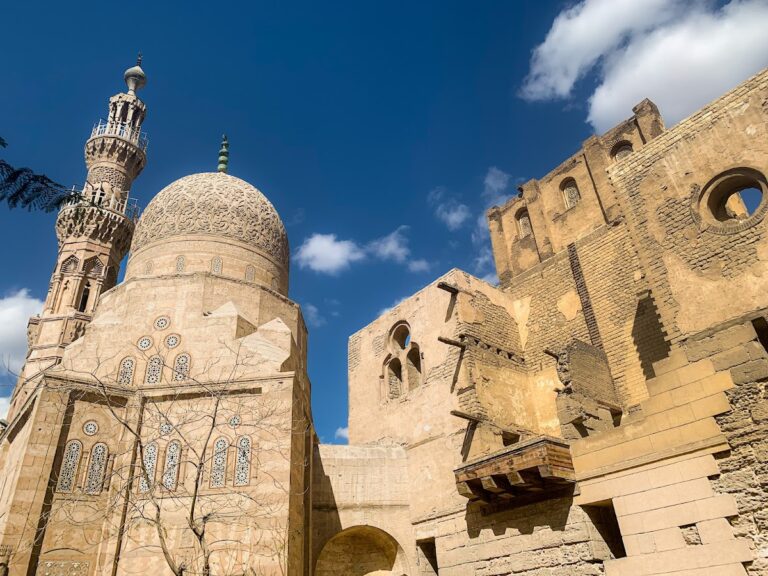
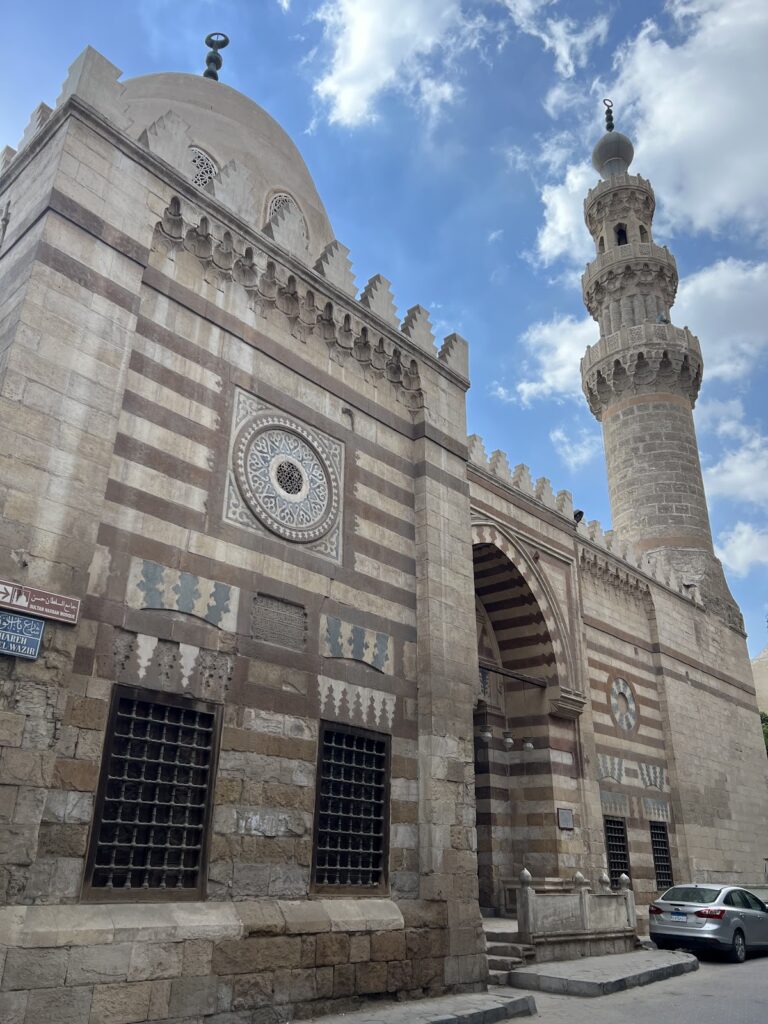
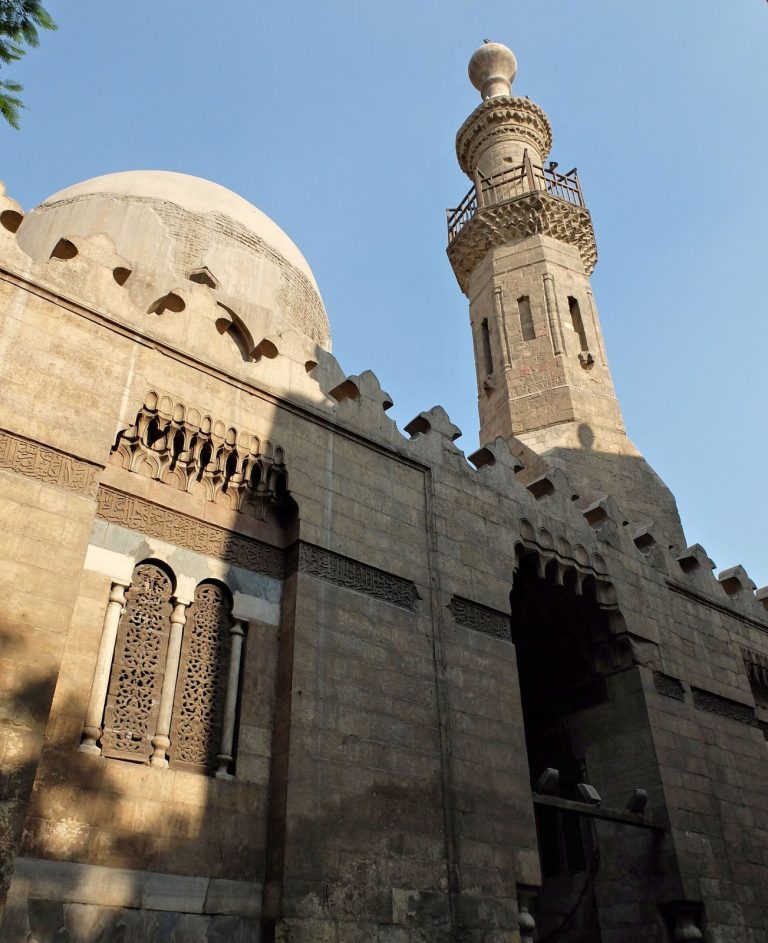
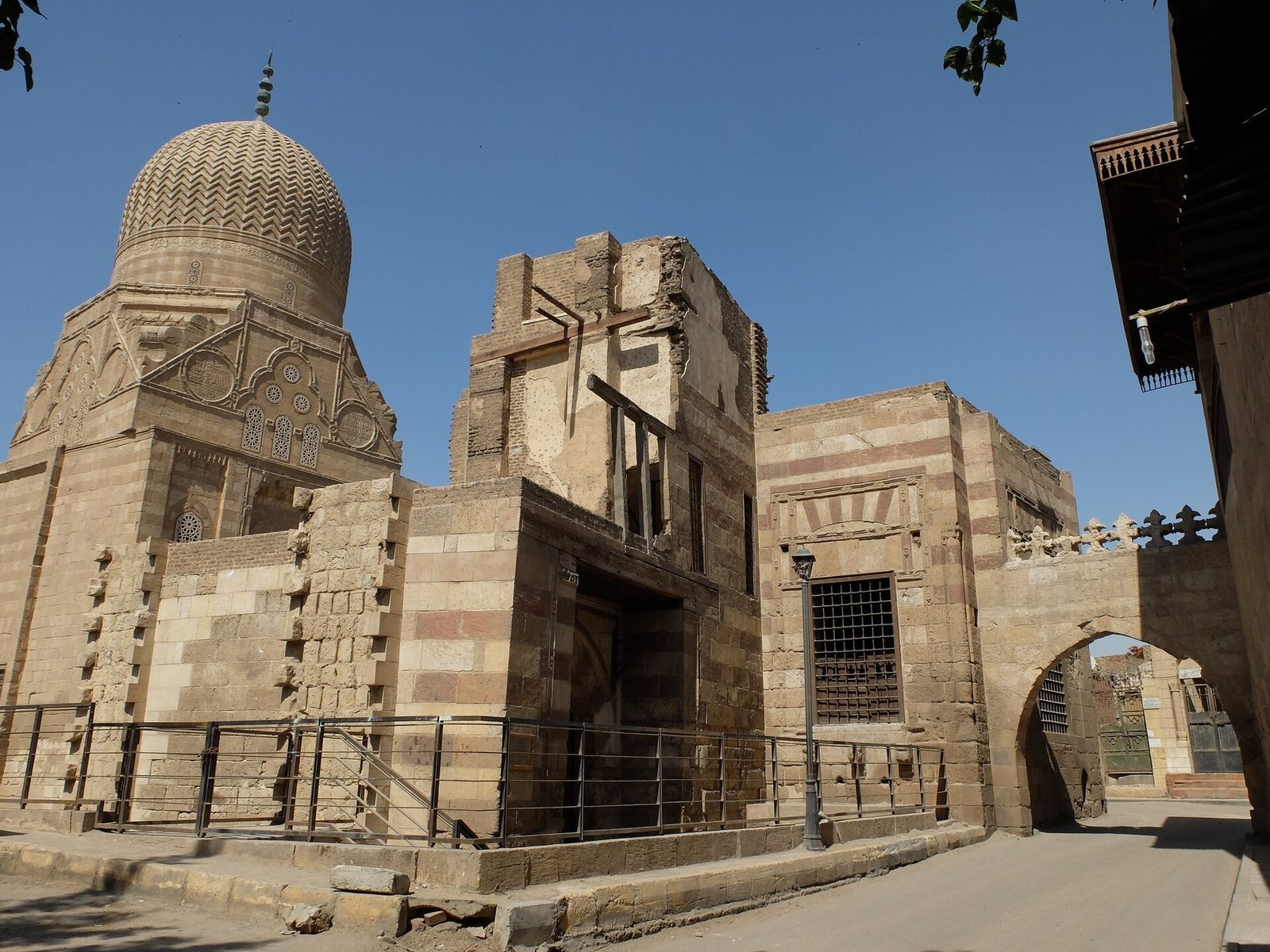
The complex stands in the Bab al-Wazir Cemetery, on the edge of the Darb al-Ahmar district in historic Cairo. Its buildings are constructed of stone and arranged as a practical group of related components. An adjacent gate connects the district with the rest of the cemetery, while the mausoleum and the ribat of Azdumur are attached to the same site.
Tomb and charitable facilities
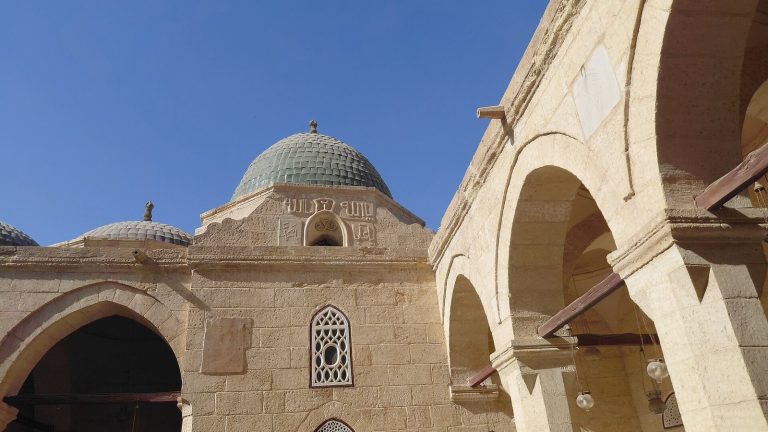
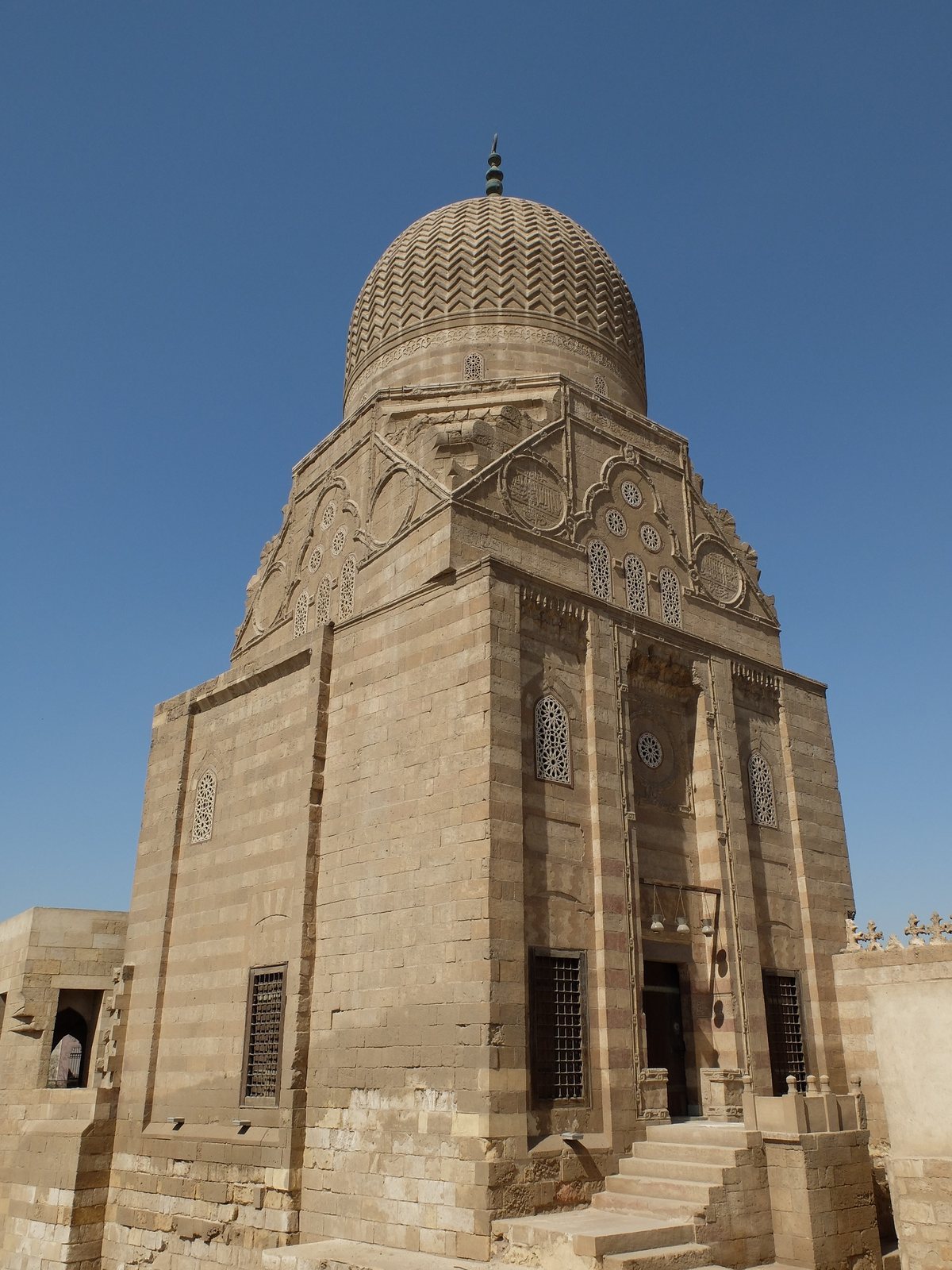
The surviving complex contains Tarabay al-Sharifi’s tomb, a sabil, and a kuttab. A sabil was a public fountain or water-distribution facility, while a kuttab was an elementary school often linked to a religious or charitable foundation. The complex has a single dome. Its late Mamluk architecture combines elaborate artistic and ornamental treatment with a practical arrangement of its different elements.