Mausoleum Fünfkirchen: A Neo-Gothic Family Chapel in Stützenhofen
Site at a Glance
- Popularity
- Very Low
- Country
- Austria
- Primary era
- Modern
- Eras represented
- Modern
- Civilizations
- Austria-Hungary, Austrian Empire, Habsburg
- Site type
- Religious
- Remains
- Chapel
On this page8 sections
History
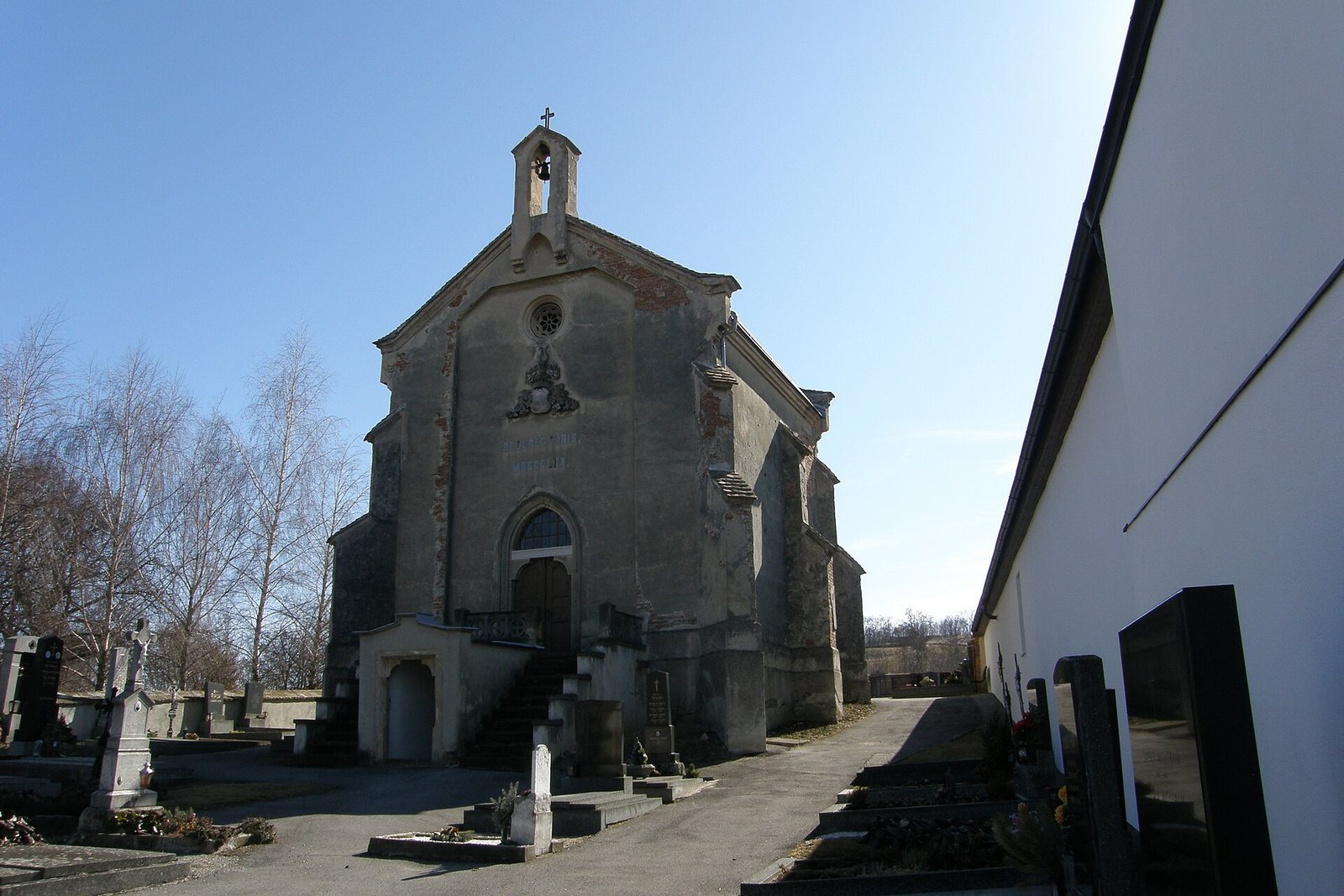
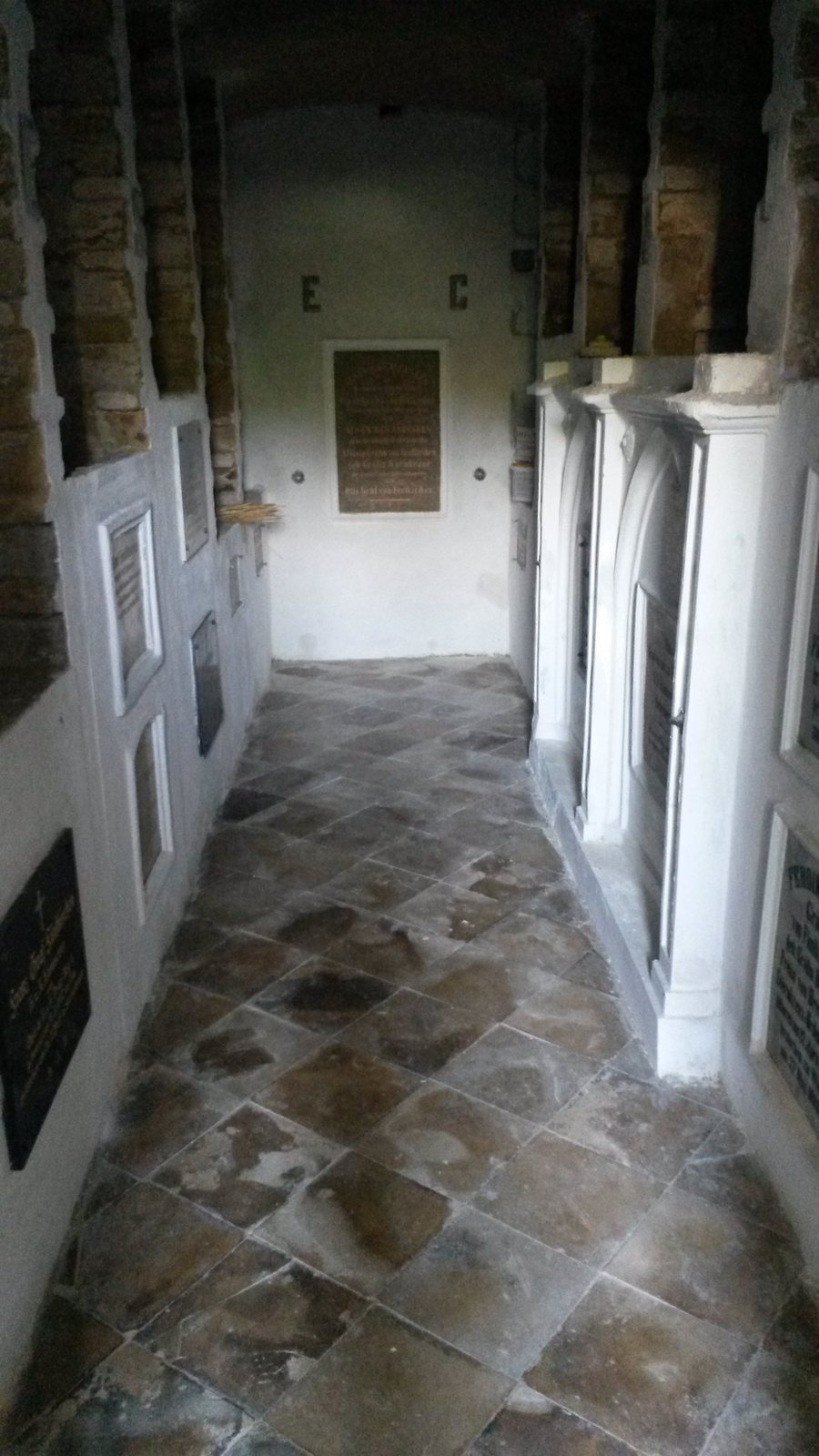
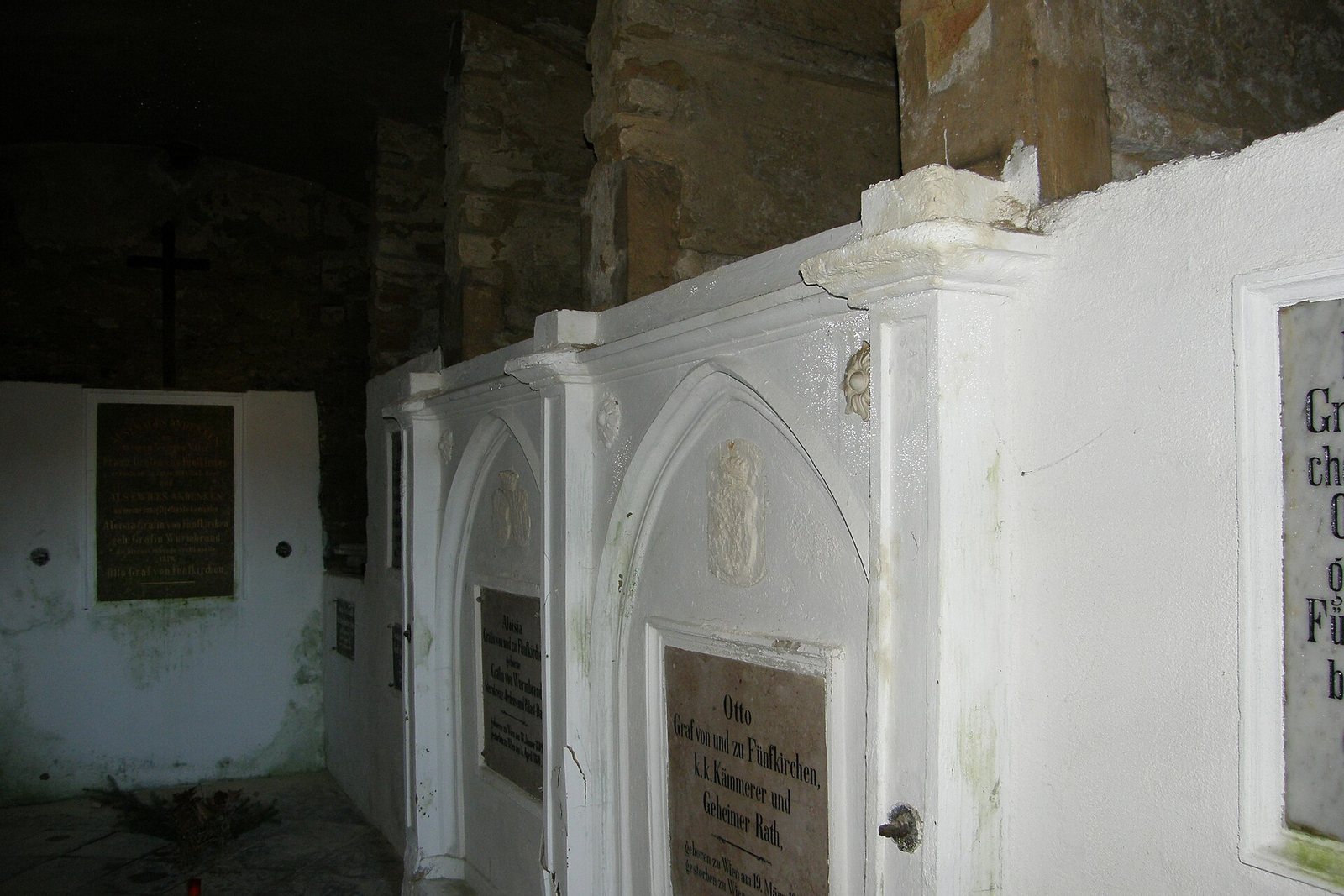
The Mausoleum Fünfkirchen is a family chapel above the Fünfkirchen crypt in Stützenhofen, in Austria’s Lower Austria state. Completed in 1870, it is Neo-Gothic, a nineteenth-century revival of medieval Gothic architecture. Its construction continued a family burial tradition that had shifted between the church, a Vienna crypt, and the cemetery at Stützenhofen.
Earlier burial places
The interior of Stützenhofen church served as a Fünfkirchen burial place from the late Middle Ages. In the late seventeenth century, the family established a crypt in Vienna’s Augustinian Church. Joseph II, the Habsburg ruler whose reforms changed burial practices, brought that arrangement to an end in 1784.
The cemetery crypt and chapel
After the Vienna crypt closed, Count Johann Ferdinand Fünfkirchen and his wife, Genoveva, were buried in the Stützenhofen cemetery. Their son Franz de Paula erected a memorial cross with a dedication over their grave. In 1824, Count Otto Fünfkirchen built a family crypt there and moved his father’s and grandparents’ remains into it.
After his wife, Aloysia von Wurmbrand-Stuppach, died, Otto commissioned a chapel over the crypt. The building was completed in 1870. Its 5 April 1871 charter prohibited music in the chapel and dedicated it to silent remembrance of the dead. A local tradition later explained the restriction as penance for the family’s strong support of Protestantism, associated with Johann Bernhard von Fünfkirchen.
Later burials and funeral tradition
By 1980, sixteen people had been buried in the crypt. They included Johann Ferdinand (1741–1789), his wife Genoveva (1741–1810), née Countess Montelabate della Rovere, and their son Franz de Paula (1777–1815); Otto Franz (1800–1872) and his wife Aloysia (1802–1870); Franz Klemens, born in Brno on 26 May 1827 and died in Graz on 17 May 1902, and his wife Ferdinande Brigido; Karoline Sidonie (1833–1908), head of the Savoy Ladies’ Foundation, an institution for noblewomen; and Heinrich (1830–1885) and his wife Aloysia von Liechtenstein.
The later burials were Otto Dionysus Fünfkirchen, who died in 1946, and his wife Paula von Rechberg, who died in 1942; Franz Fünfkirchen (1892–1965); Eleonore Tiedt, née Fünfkirchen (1922–1980); Gabrielle Fünfkirchen (1903–1958); and Karoline Fünfkirchen, who died in 1980. Karoline was the foundation’s last head and the last person buried in the crypt. Dr. Hans Fünfkirchen, regarded as the family’s last count, and his wife were buried outside it. A choir sang at his funeral in 1970, breaking with the silent-funeral tradition.
Remains
Chapel and family memorials
The chapel
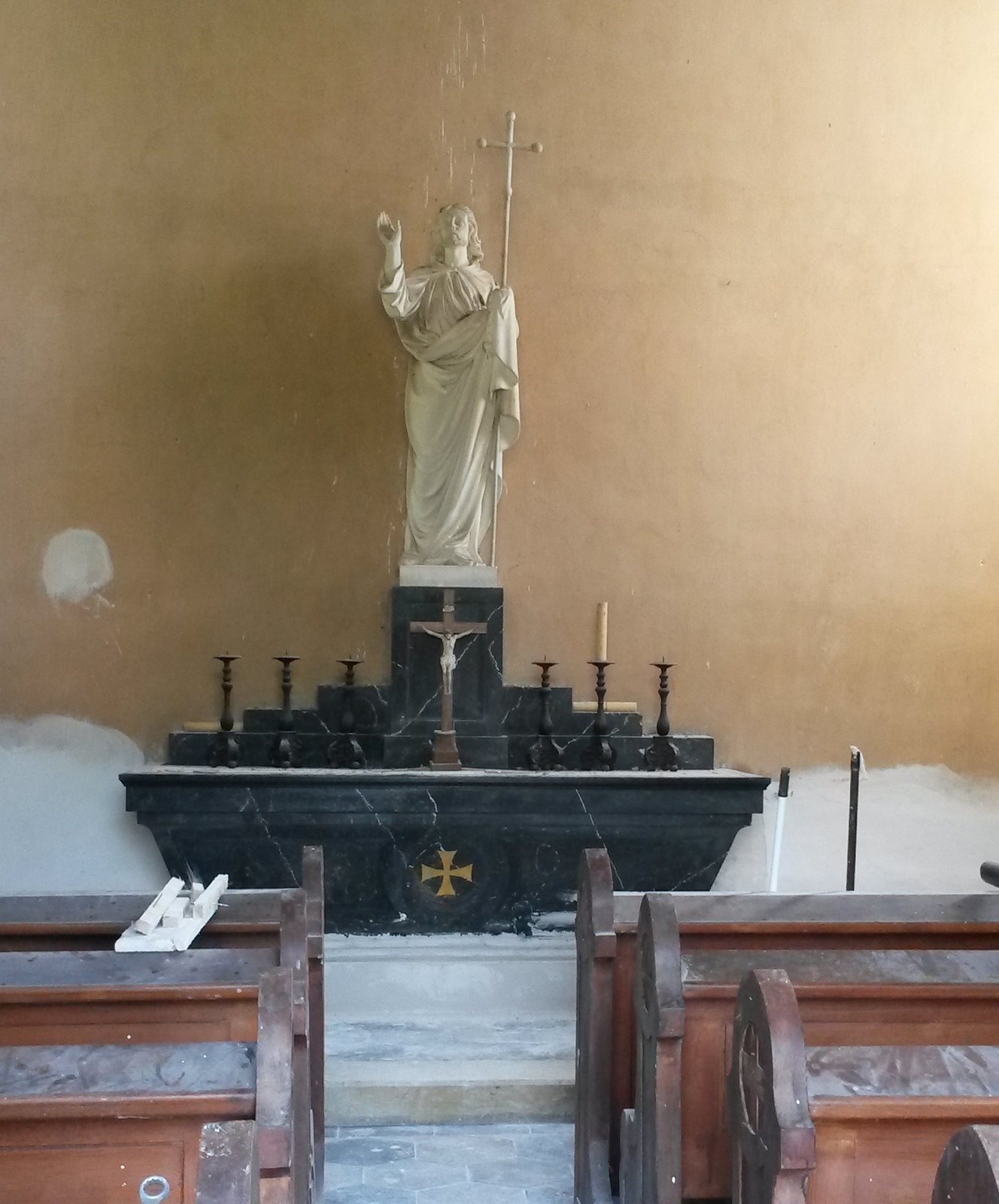
The monumental chapel stands in the Stützenhofen cemetery above the family crypt. Its rectangular interior is simply appointed and divided into two bays, each covered by a groin vault, formed where two barrel vaults intersect. The walls are ochre and the ceiling blue; wooden benches face an altar with a life-size figure of the resurrected Christ. Above the entrance is the family coat of arms, with a Gothic rose window and a projecting window bay containing a bell above it.
Church epitaphs and the grave outside the crypt
Marble memorial inscriptions for Knight Martin Fünfkirchen, who died in 1458, Hans Maximilian, who died in 1591, and Johann Sigismund, who died in 1650, remain in Stützenhofen church. Outside the crypt, the grave of Dr. Hans Fünfkirchen and his wife bears the Latin inscription SIC TRANSIT GLORIA GENESIS, meaning “Thus passes the glory of the lineage.”