Malling Abbey: A Benedictine Monastery in West Malling
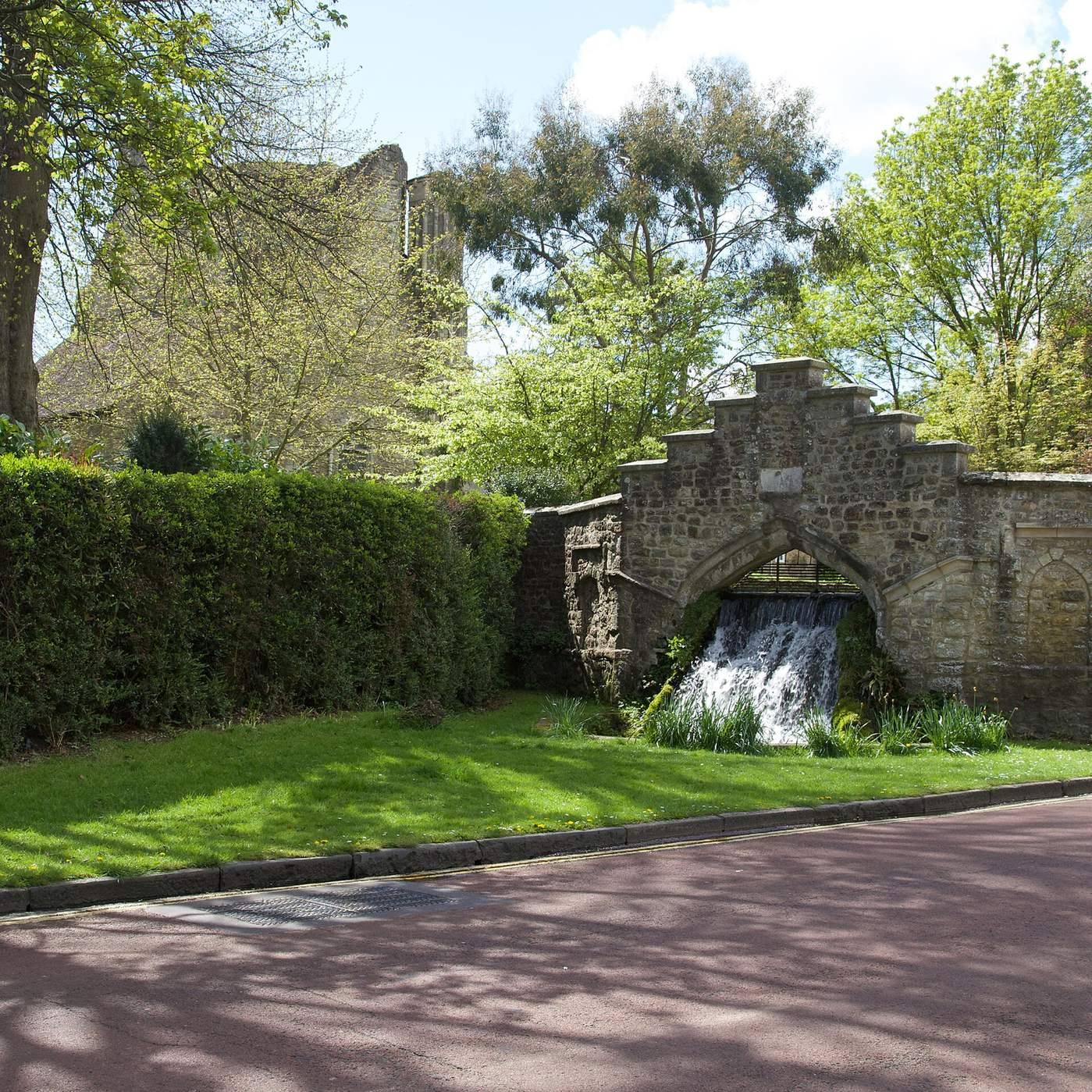
Site at a Glance
- Rating
- 5
- Popularity
- Low
- Country
- United Kingdom
- Primary era
- Medieval
- Eras represented
- Medieval, Early Modern, Modern
- Civilizations
- British, English
- Site type
- Religious
- Remains
- Monastery
On this page12 sections
History
Foundation and medieval growth
Malling Abbey, also known as St Mary’s Abbey, is an Anglican community of Benedictine nuns in West Malling, Kent, England. Founded around 1090 by Gundulf, Bishop of Rochester, it was among the first monasteries for women established in England after the Norman Conquest of 1066. Benedictine communities follow a shared religious way of life shaped by the Rule of Saint Benedict; Anglican refers to the Christian tradition associated with the Church of England.
In 946, King Edmund I granted the manor of West Malling to Burgric, Bishop of Rochester. The manor later passed out of the diocese’s control during the Danish Wars, conflicts between English rulers and Danish forces, and was restored to the diocese in 1076. Gundulf endowed his new community with Malling, and Archbishop Anselm gave it the manor of East Malling. Shortly before his death in 1108, Gundulf appointed the French nun Avicia as the first abbess, the head of the nuns’ community.
Royal grants gave the abbey rights to hold weekly markets and annual fairs, cut wood, and pasture animals in nearby royal forests. Gifts and bequests added to its income, while the growth of the abbey helped West Malling develop into a flourishing market town. A fire in 1190 destroyed much of both the town and the abbey. In 1349, the Black Death, a major plague pandemic, reduced the community to four nuns and four novices.
Dissolution and private ownership
Immediately before its dissolution, the abbey received £245 a year, placing it among the wealthiest third of women’s religious communities in England. On 28 October 1538, during the Dissolution of the Monasteries, Henry VIII’s suppression and seizure of English religious houses, Malling Abbey surrendered to the Crown.
The last elected abbess, Elizabeth Rede, had been removed after opposing Henry VIII and his minister Thomas Cromwell over the appointment of a high steward, a senior officer responsible for administration. Margaret Vernon took her place. She had tutored Cromwell’s son and had already surrendered Little Marlow Priory, a monastic house led by a prior or prioress. On the day of Malling’s surrender, two Crown agents took the abbey seal and signed the deed. Apparently, none of the nuns signed it.
For about 350 years after the dissolution, the property passed among numerous families, most of them absentee owners. By the mid-18th century, its buildings had fallen into ruin. London banker Frazer Honeywood then built a neo-Gothic mansion and repaired surviving medieval fabric.
Return to religious use
Charlotte Boyd bought the property in 1892 and worked to establish a trust that would return church properties to their original use. She invited the Anglican Benedictine Community of Saints Mary and Scholastica to settle at Malling. Founded by Joseph Leycester Lyne, known as Fr Ignatius, this community had become independent of his rule in 1879, with Mother Hilda Stewart as abbess. It left Malling in 1911, entered the Roman Catholic Church in 1913, and later settled at Curzon Park Abbey in Chester.
The Anglican Benedictine community now based at Malling began in 1891 as an active parish sisterhood, working among poor communities in Edmonton, north London. After hearing Abbot Aelred Carlyle preach about renewed Anglican monastic life, its members turned toward enclosed Benedictine practice. In 1906 they moved to a farmhouse in Baltonsborough, Somerset, began life under Benedictine vows, and were initially known as the Community of the Holy Comforter. In 1916, the abbey’s trustees invited them to Malling to continue its tradition of prayer, worship, work, study, and hospitality.
St Augustine’s College of Theology, a non-residential theological college, has been based at St Benedict’s Centre at the abbey since 2016. The abbey church has Grade II* status, an English heritage classification for buildings of particular importance.
Remains
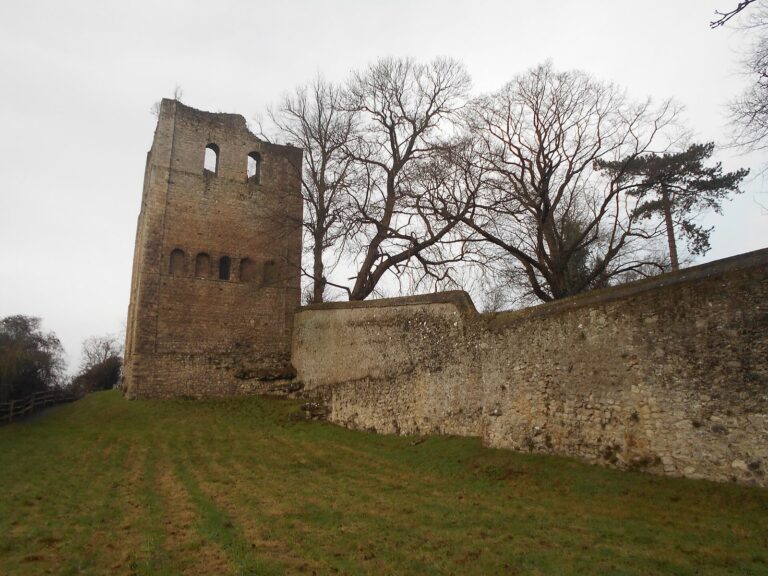
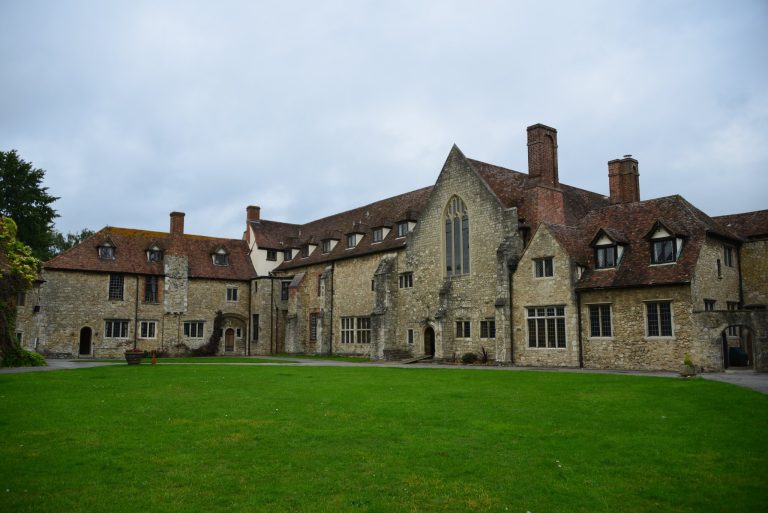
Little of the original abbey buildings remains standing. The surviving medieval fabric includes a tower, parts of the church, a refectory, and elements of the cloister complex. These remains stand alongside the later neo-Gothic mansion and the abbey church built for the present community.
Medieval buildings
Tower and church remains
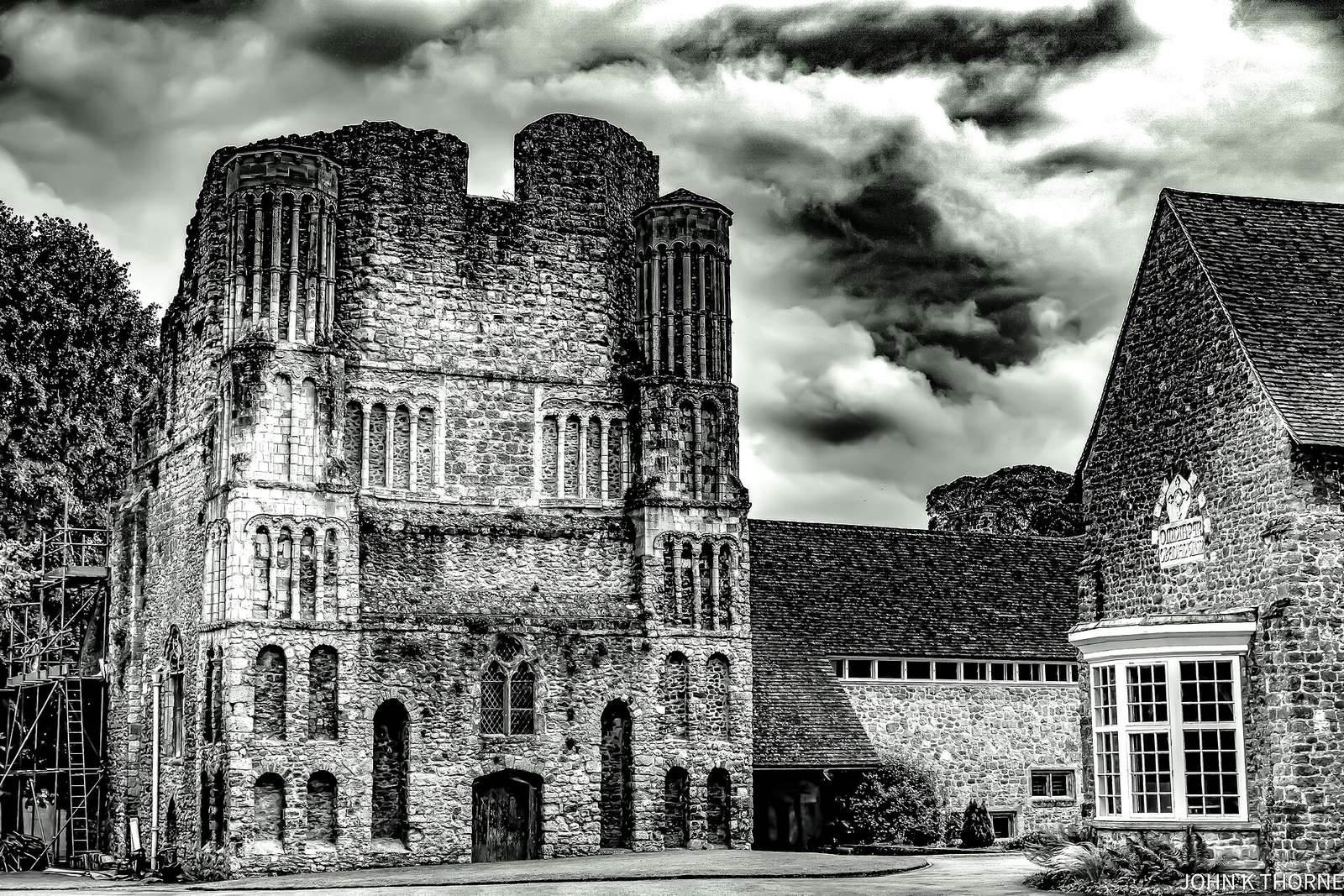
The tower preserves two lower storeys in the Norman style, an earlier medieval architectural style, and an upper portion in the Early English style, an early form of Gothic. A transept, the crosswise section of a church, and one wall of the nave, its central space, remain attached to the tower.
Refectory and cloisters
The refectory, where the community took its meals, also survives. A cloister was re-erected in the 14th century, and the medieval complex included an Early English cloister.
Guesthouse and gatehouses
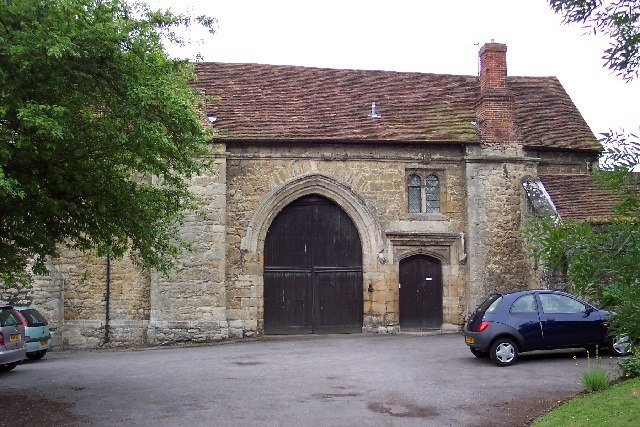
The wider complex included a guesthouse dating to the early 15th century and two gatehouses built in the early 16th century.
Later buildings
Neo-Gothic mansion
Built by Frazer Honeywood in the mid-18th century, the neo-Gothic mansion added a later building to the site. Work at the same time also repaired surviving medieval fabric.
Abbey church
The abbey church, built in 1966 and designed by Maguire & Murray, is used by the community.