Makabe Castle: A Sengoku-Period Japanese Castle in Ibaraki
Site at a Glance
- Rating
- 3.8
- Popularity
- Low
- Country
- Japan
- Primary era
- Medieval
- External website
- Open
- Eras represented
- Medieval, Early Modern
- Civilizations
- Unclassified
- Site type
- Military
- Remains
- Castle
On this page13 sections
History
Makabe Castle is a Sengoku-period Japanese castle in Sakuragawa, Ibaraki Prefecture, Japan. Built as a flatland-style fortified settlement, its foundation is traditionally dated to 1172. The founding tradition identifies Makabe Nagamiki, a son of the Daijo family, as its founder. After entering Makabe County, he adopted the Makabe surname, and the castle became the seat of his family for successive generations.
Origins and Medieval Rule
The castle stood on the site traditionally associated with the ancient administrative center of Makabe County. The Makabe family belonged to the Daijo lineage, a powerful warrior family of medieval Hitachi Province, and held the office of jito, a territorial position involving land administration and local authority.
Makabe Castle first appears in written records in 1341, during the Nanboku-cho period, a fourteenth-century conflict between rival Northern and Southern imperial courts. It was identified then as a Southern Court stronghold under Kitabatake Chikafusa, a court noble, historian, and military leader. The Makabe family served as the castle’s castellans. They later shifted their allegiance to the Northern Court and the Ashikaga shogunate, the military government that supported it, while continuing to control the castle.
Conflict and Change of Lords
In 1423, Makabe Yoshimoto led his family in support of Oguri Mitsushige’s rebellion against Ashikaga Mochiuji, an Ashikaga military ruler in the eastern provinces. Mochiuji’s forces captured the castle. The Makabe family then divided, and a cadet branch retained Makabe Castle as a vassal of the Satake clan, a major warrior family of Hitachi.
The Makabe family was later incorporated into the Satake retainership. In 1602, the Satake were transferred from their ancestral lands in Hitachi Province to Dewa Province. The Makabe family moved with them to Kakunodate, leaving Makabe Castle vacant.
Asano Holdings and Abandonment
In 1606, Makabe Castle and a stipend valued at 50,000 koku were granted to Asano Nagamasa as retirement holdings. A koku represented an assessed agricultural yield conventionally based on the rice needed to support one person for a year. Nagamasa was the last of Toyotomi Hideyoshi’s Five Commissioners. His son, Asano Nagashige, entered the castle in 1611.
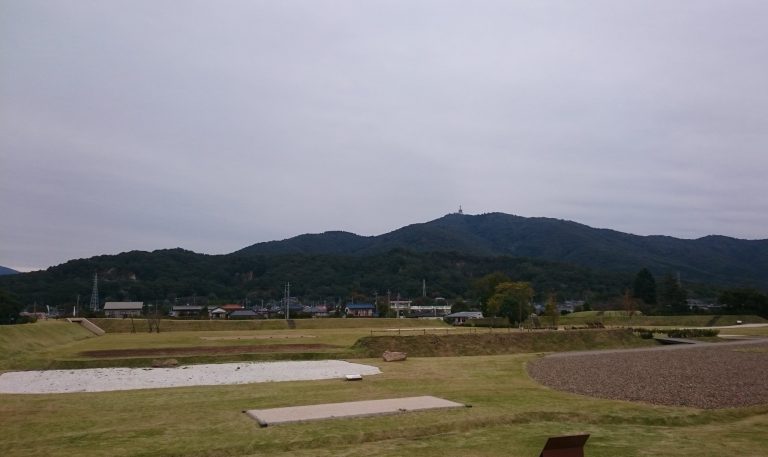
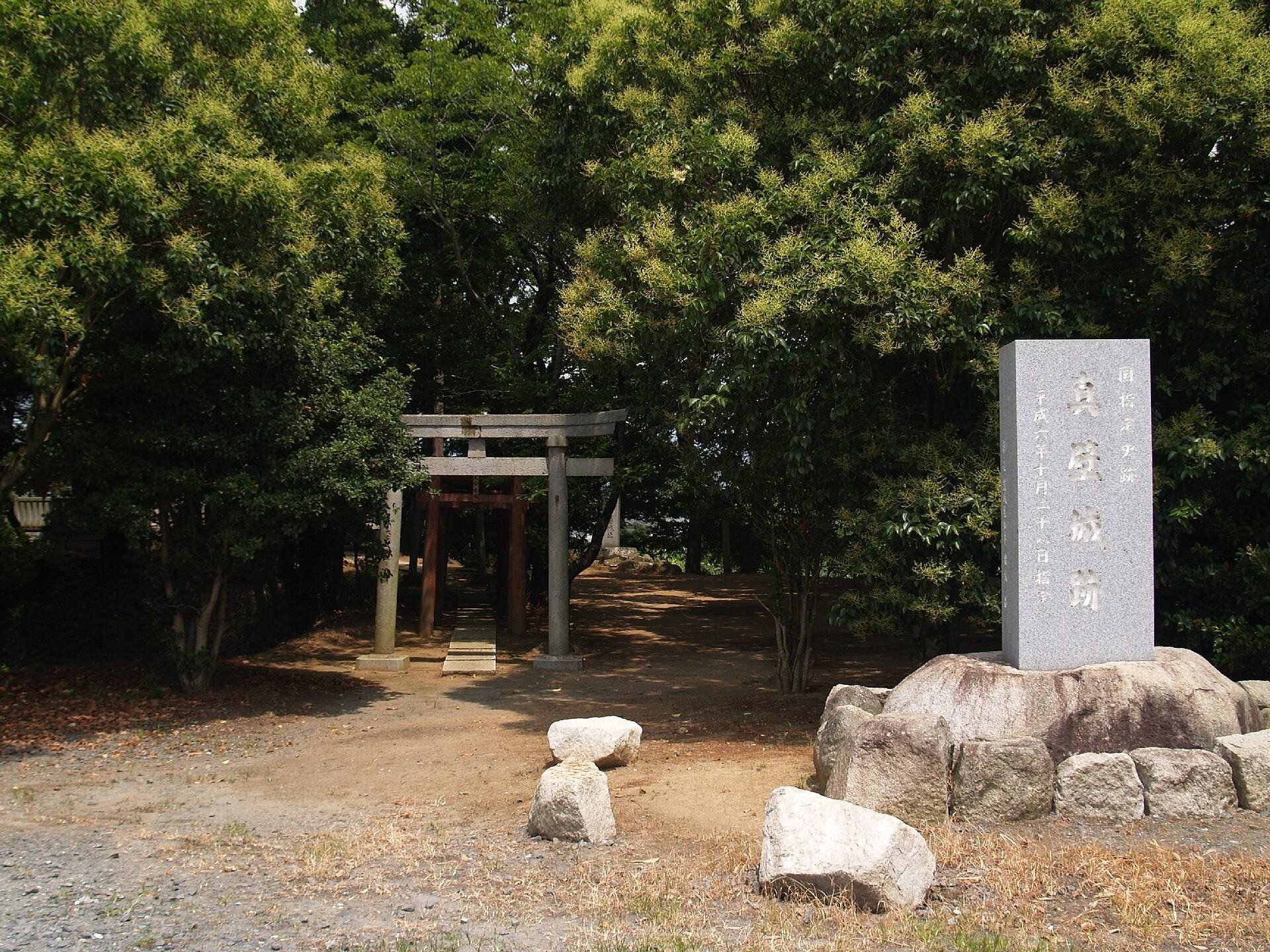
In 1622, Nagashige was transferred to Kasama Domain and moved to Kasama Castle. Makabe Castle was then abandoned and ceased to function as a castle. Part of the site received protection as an Ibaraki Prefecture historic site in 1934, and the ruins were designated a National Historic Site on October 28, 1994. Archaeological investigations have continued since 1997, clarifying the castle’s earthworks, trenches, buildings, garden, and performance-related structures. Parts of the outer earthworks and moat have also been reconstructed on the basis of those findings.
Remains
Castle Layout and Defenses
The ruins occupy a plateau on the western foot of Mount Ashio, an outlying peak of Mount Kaba, east of the former Makabe Station. The castle stood on a low ridge extending from east to west. Wetlands and streams along its northern and southern sides added to its defensive setting.
Makabe was a flatland-style castle, meaning that its fortified complex occupied level or gently elevated ground rather than a high mountain. Its linked enclosures were arranged around a central main bailey. A second bailey surrounded the main enclosure, while a third precinct called Nakajo extended eastward. A fourth outer enclosure continued farther east and north. Water moats protected the enclosures.
Enclosures also extended west of the main and second baileys. This part of the historic castle area now lies largely beneath urban development, while the eastern portion remains comparatively well preserved. The historic castle area corresponded broadly to the Furujo district of Makabe. The place-name Otemae, west of the district, preserves a tradition that the main gate stood nearby.
Earthworks and Central Areas
Main and Second Baileys
Surviving defenses include packed-earth embankments and trenches. The central areas have been affected by later construction. A former Makabe town gymnasium stands on the main-bailey site, and material from its construction was piled in the second bailey. A prominent mound in the second bailey was formed by this material and is not a surviving turret platform.
Nakajo Garden Complex
Excavations in the Nakajo enclosure have revealed water channels and ponds associated with a large garden, together with traces of buildings. The complex included structures thought to have been a tea room and a Noh stage. Noh is a classical Japanese theatrical tradition using masked drama, music, chant, and formalized movement. The garden complex is considered among the largest identified in Ibaraki Prefecture.
Gates and Religious Features
Relocated Castle Gates
Two castle gates survive after relocation. A yakuimon, a traditional gate with a roof supported by distinctive projecting posts, is traditionally identified as the former main gate. It was moved to Rakuhō-ji Temple in the former Yamato area, where it is known as the Black Gate. Another castle gate was moved to the entrance of a private residence in the former Kyōwa area.
Kashima Shrine
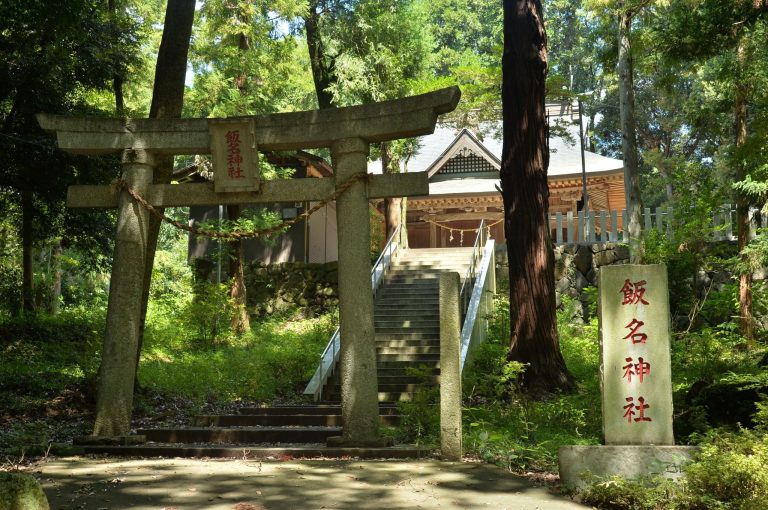
A Kashima Shrine, a Shinto shrine, stood at the southeastern end of the outer enclosure.
Present Physical Condition
Many building remains survive as traces, including holes left by removed foundation stones. The buildings were probably dismantled when the castle was abandoned. The western area has been largely absorbed by urbanization, while the principal surviving remains are concentrated in the eastern enclosures, where earthworks, trenches, garden features, and other archaeological evidence preserve the structure of the former castle.