Dongri Fort: A Portuguese Coastal Stronghold in Mumbai
Site at a Glance
- Popularity
- High
- Country
- India
- Primary era
- Early Modern
- Eras represented
- Early Modern
- Civilizations
- Portuguese
- Site type
- Military
- Remains
- Fort
On this page4 sections
History
Portuguese foundation
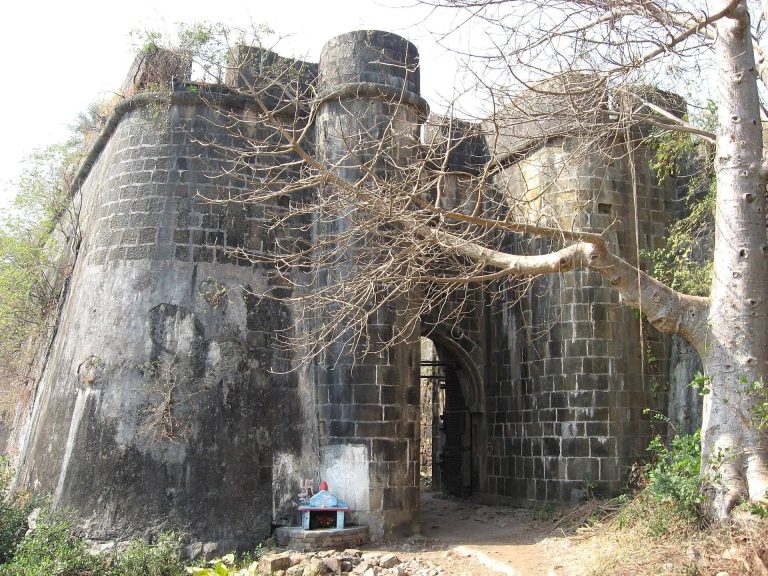
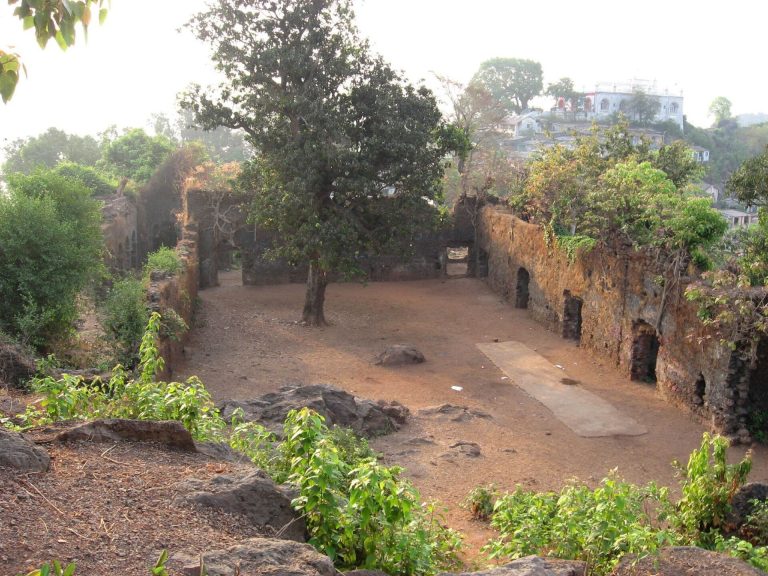
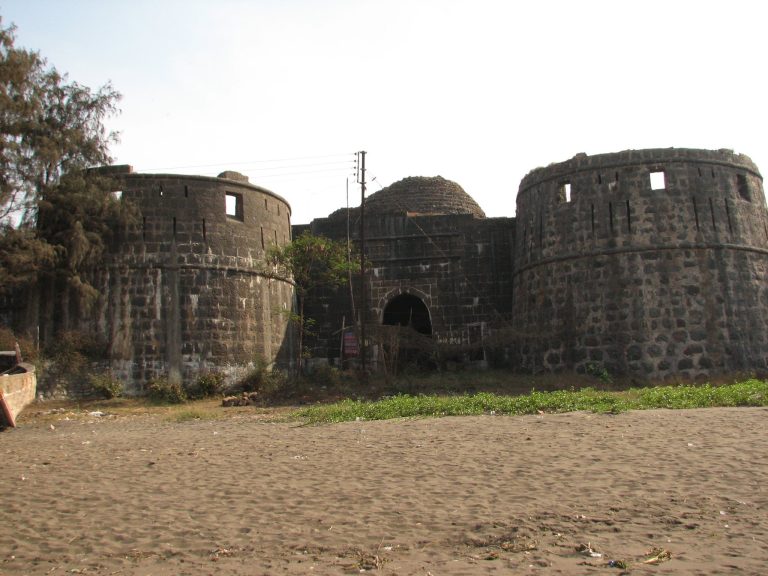
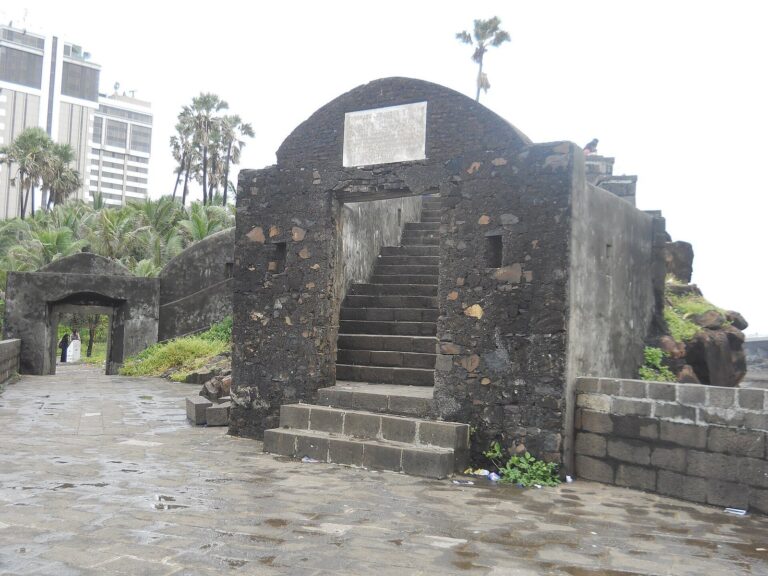
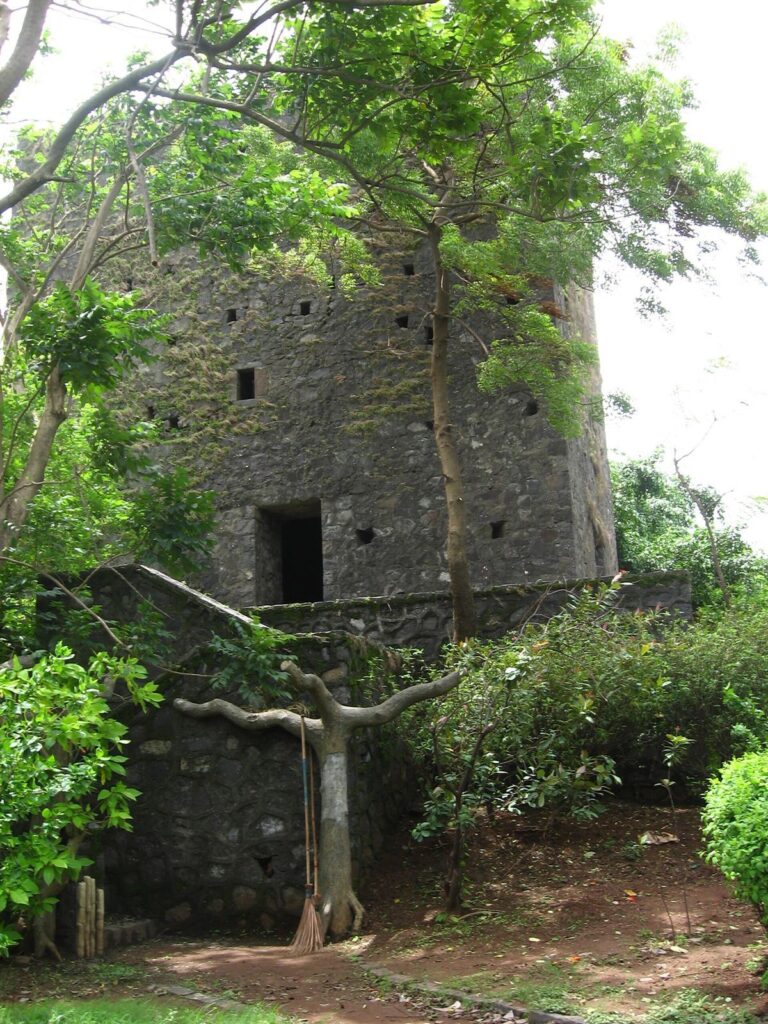
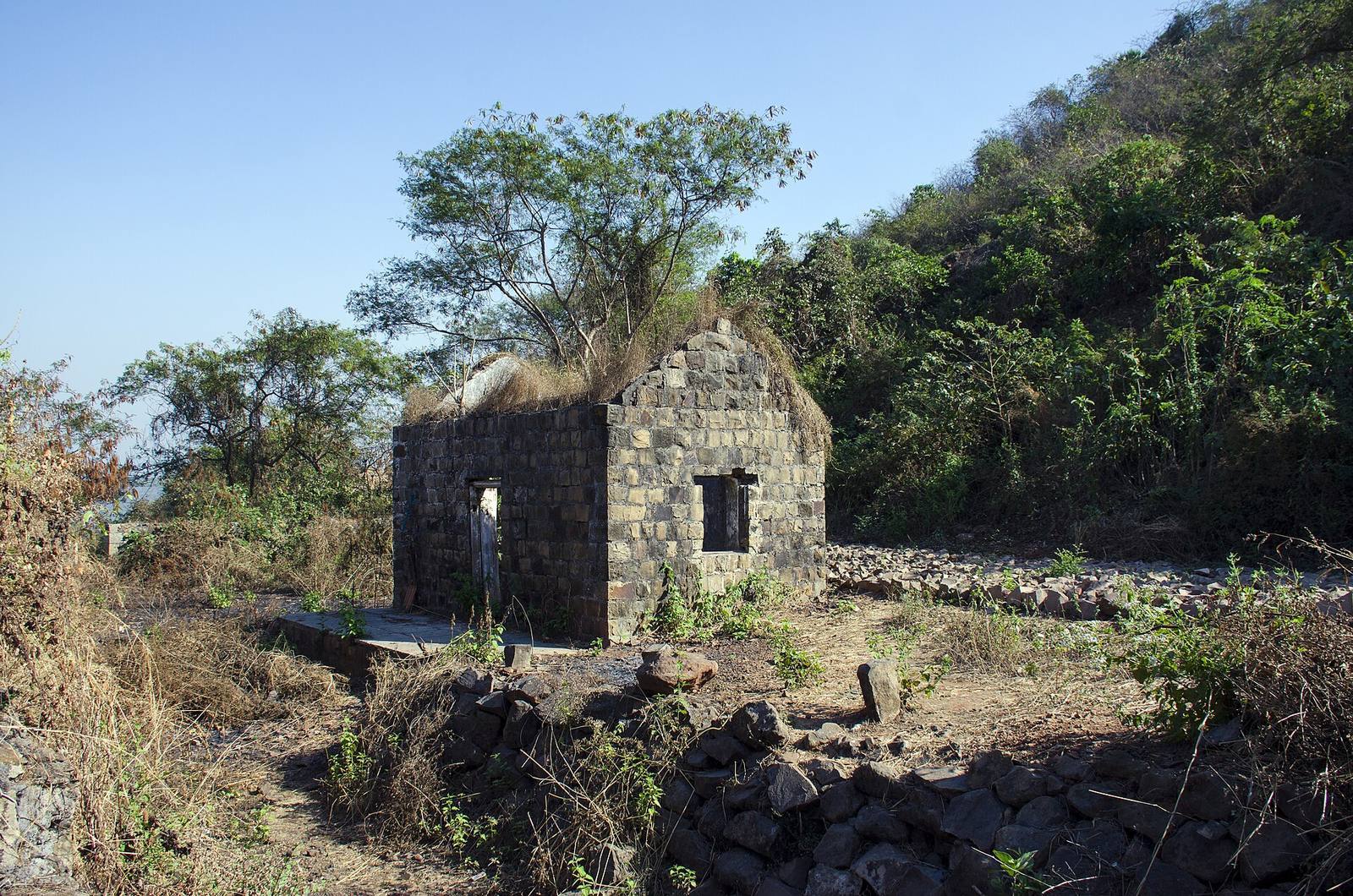
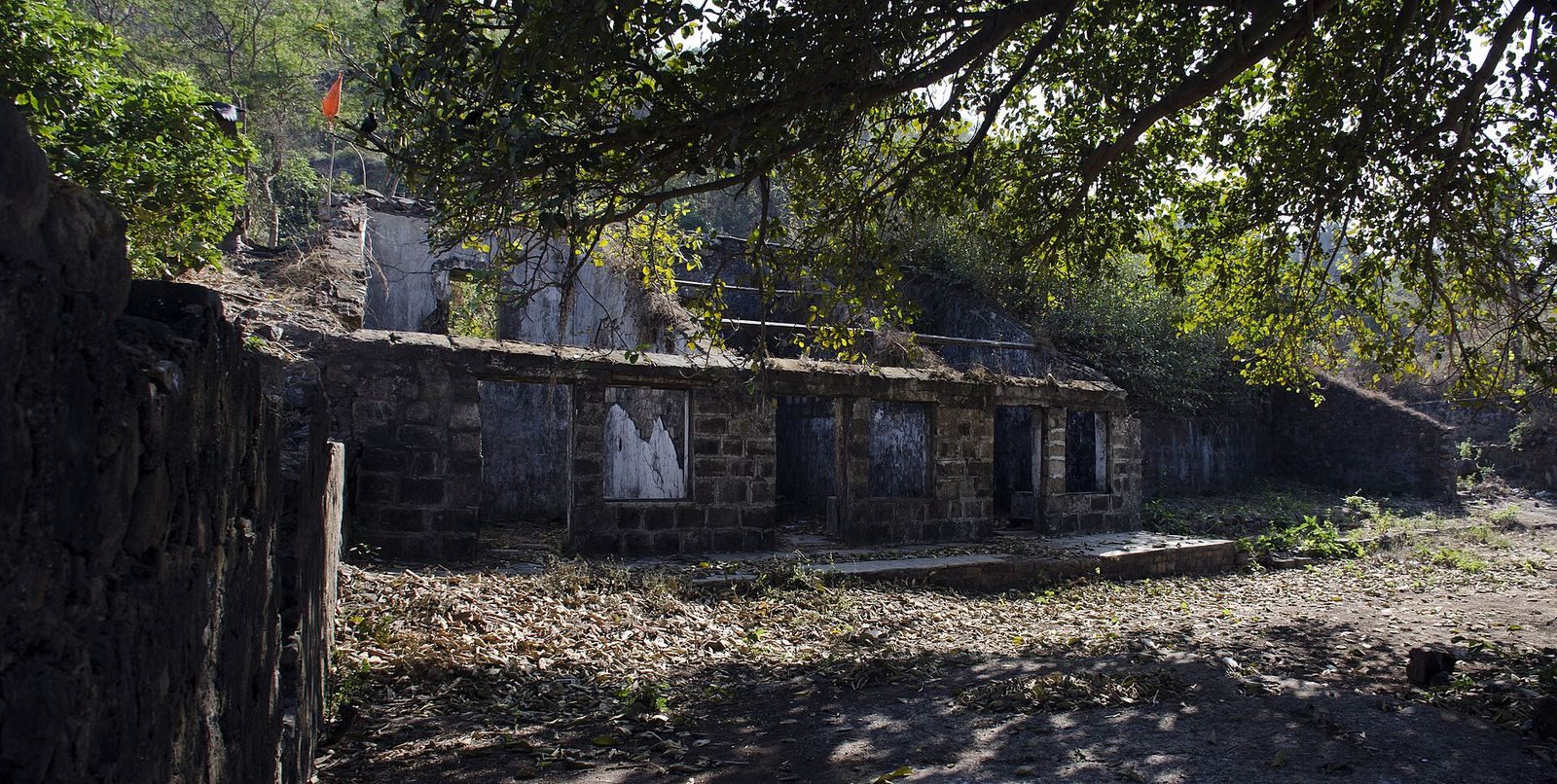
Dongri Fort is a Portuguese coastal stronghold on a hill in the Dongri area of Mumbai, India. Built around 1701 after the Portuguese conquered Vasai and the northern Konkan coast, it guarded the approach from a strategic hilltop position. The fort belonged to a coastal chain controlled by the Estado da Índia, Portugal’s colonial administration and possessions in Asia, particularly in India.
Portuguese and Maratha conflict
During the 1730s, the fort repeatedly changed hands as Portuguese forces fought the rising Maratha Empire, a major Indian polity. In 1737, Maratha commander Chimaji Appa led its first capture during a campaign against Vasai, then the Portuguese capital. In May of that year, Portuguese viceroy D. Joaquim Jose da Cunha, known as Kadin, led a counterattack that retook the fort. A viceroy governed territory on behalf of a monarch. Fighting around Vasai and its smaller forts continued through 1738.
By 1739, the Marathas had regained Dongri, which came formally under Peshwa sovereignty. The Peshwas were the Maratha chief ministers, whose office had become the state’s effective ruling authority. The Maratha capture of Vasai and its fort network, including Dongri, ended Portuguese control of Salsette and the northern islands.
Maintenance and religious use
After the Maratha takeover, local residents and the church maintained the fort, which has also been repaired. An annual October feast of Our Lady of Fatima is held there. This title for the Virgin Mary is associated with reported apparitions at Fatima, Portugal, in 1917, and people come to the feast from distant villages to pray.