Madonna di Valverde: A Catholic Sanctuary in Rezzato, Italy
Site at a Glance
- Popularity
- Medium
- Country
- Italy
- Primary era
- Early Modern
- Eras represented
- Medieval, Early Modern
- Civilizations
- Duchy of Milan, Holy Roman Empire, Venetian
- Site type
- Religious
- Remains
- Sanctuary
On this page11 sections
History
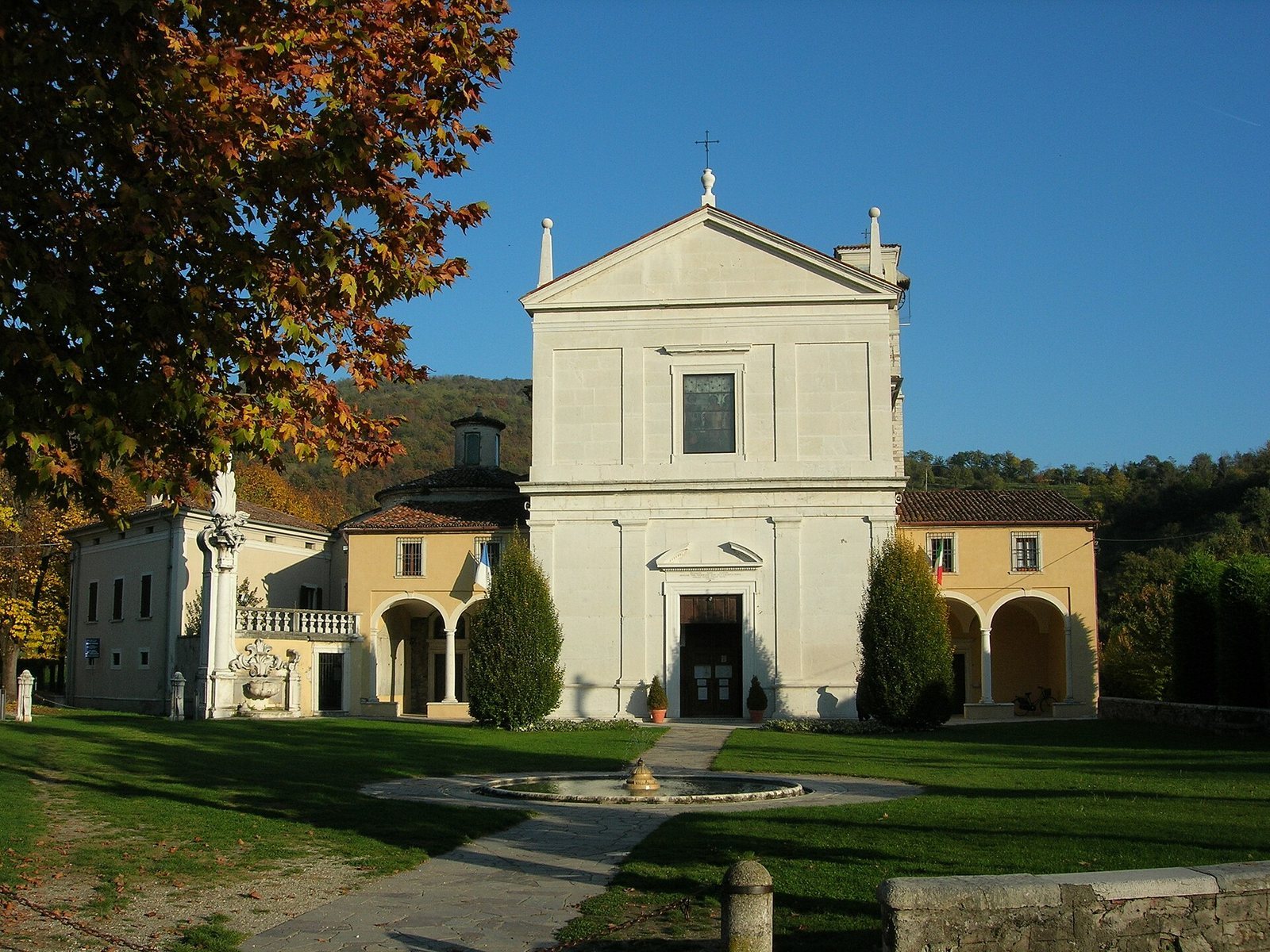
Madonna di Valverde is a Catholic sanctuary in Rezzato, Italy, with a Baroque church, a style associated with dramatic and elaborate forms, begun in 1601 beside an older church known as the Rotonda. The sanctuary grew around a Marian cult linked to an apparition tradition dating to 1399.
The 1399 apparition and penitential movement
In the traditional account, a farmer ploughing in spring 1399 met a man dressed in red, who ordered him to throw three loaves into a nearby lake. At the water, the Madonna told the farmer to ask the Lord to withdraw the command. She explained that the loaves represented war, famine, and plague. The farmer threw in one loaf, for plague, while war and famine were averted. Local tradition regards the event as the only apparition in which Christ and Mary appeared together.
The story took shape amid a period of weakened civil and religious authority. As communal government gave way to rule by lords, factional disputes accompanied economic hardship, famine, plague, and war. In the aftermath, penitential groups including the Flagellants, who practiced self-punishment, and the Bianchi, or White Penitents, travelled in processions.
The Bianchi were believed to have originated in northern Europe after another apparition. Many came to Valverde, singing devotional songs and gathering at the Rotonda. They wore white tunics, often with hoods; red crosses on the hood and over the heart represented Christ’s blood, while the hood concealed the wearer’s identity during charitable acts. The movement helped pave the way for Catholic lay confraternities, religious associations formed by laypeople.
Growth of the sanctuary
The cult expanded during the fifteenth century. In 1580, Saint Charles Borromeo, a cardinal and archbishop of Milan and a leading figure in Catholic reform, visited the chapel by the lake. He recommended replacing its outdoor altars with a larger church. Borromeo was regarded as a co-patron of the confraternities and wrote a Rule for the Disciplinants, members of penitential confraternities, which remains in force.
Later apparition and continuing tradition
A second apparition is traditionally placed on Thursday, 1 October 1711. Two children gathering chestnuts on Colle San Pietro reportedly saw a golden image of the Madonna on the lakeside chapel shine and heard a reassuring woman’s voice. With plague affecting the village, a solemn celebration was planned for the next day to ask for the Madonna’s help.
An annual historical procession reenacts the 1399 story, travelling from the parish church of Saint John the Baptist to the lake. The reenactment includes the farmer diving into the water to retrieve the loaves.
Remains
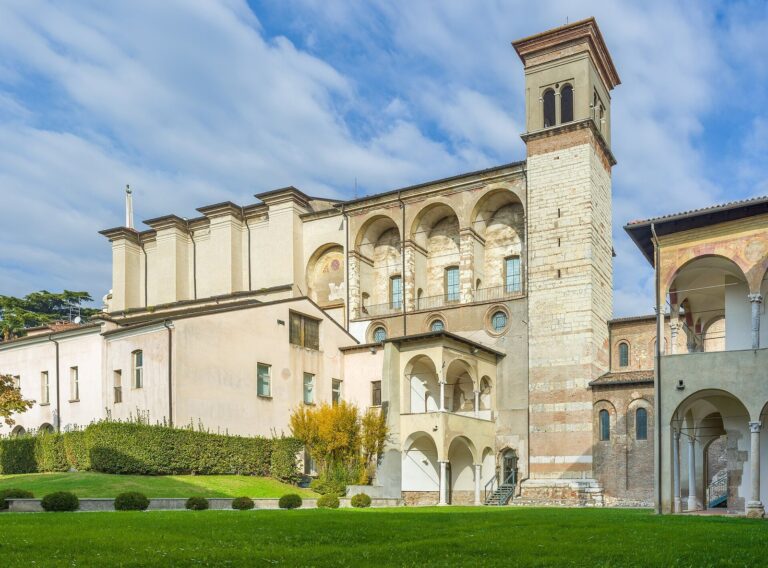
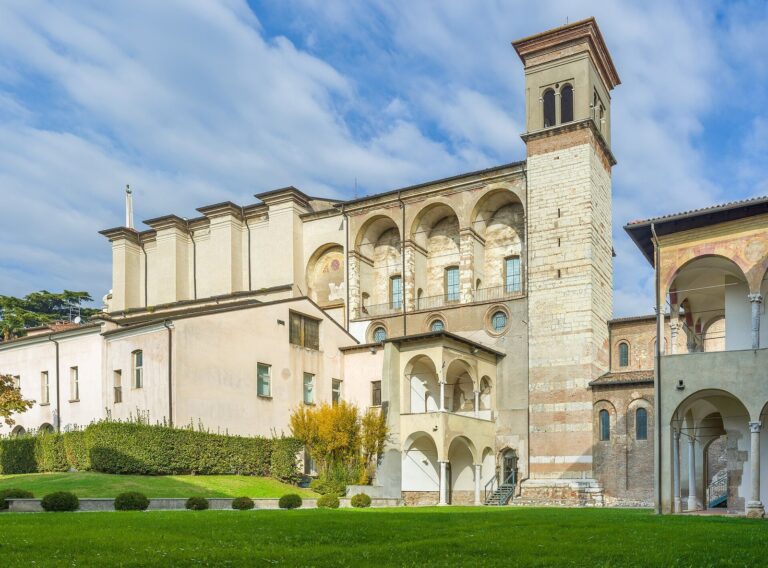
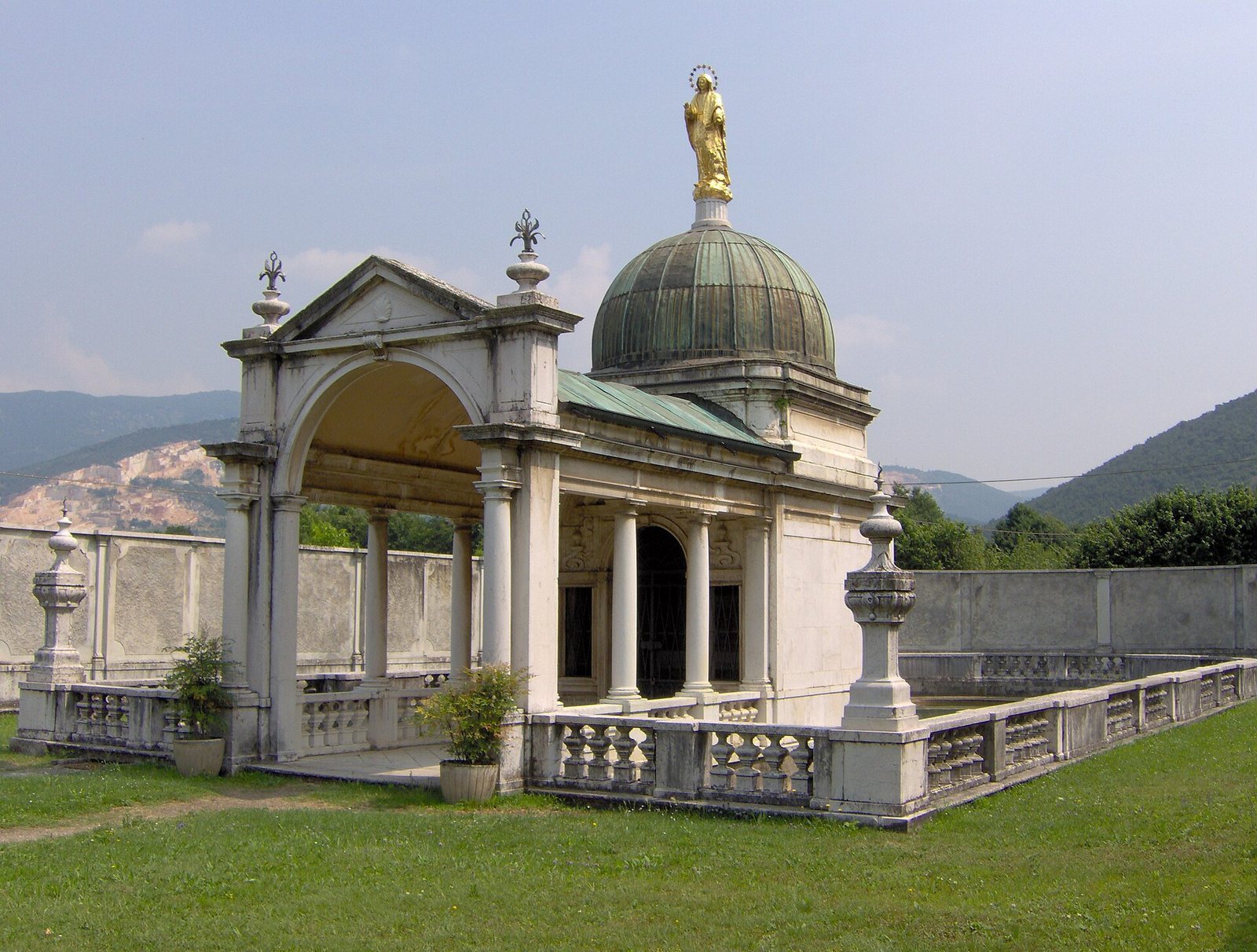
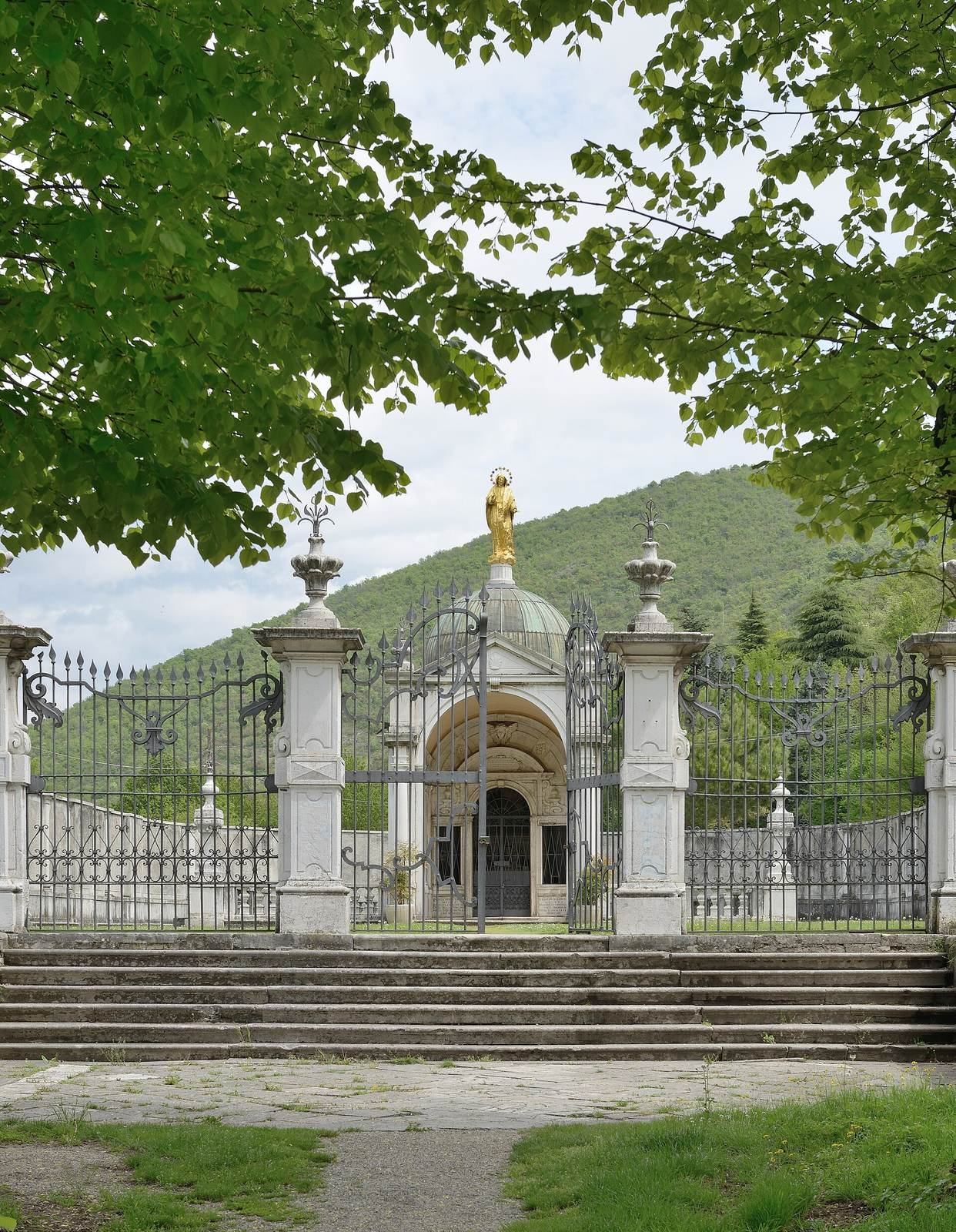
The site includes a sanctuary beside the Rotonda, a small church about 500 metres from the lake, and a chapel at the water’s edge. A road, avenue, forecourt, and other features connect the town and sanctuary with the lakeside setting.
Churches and chapels
The sanctuary
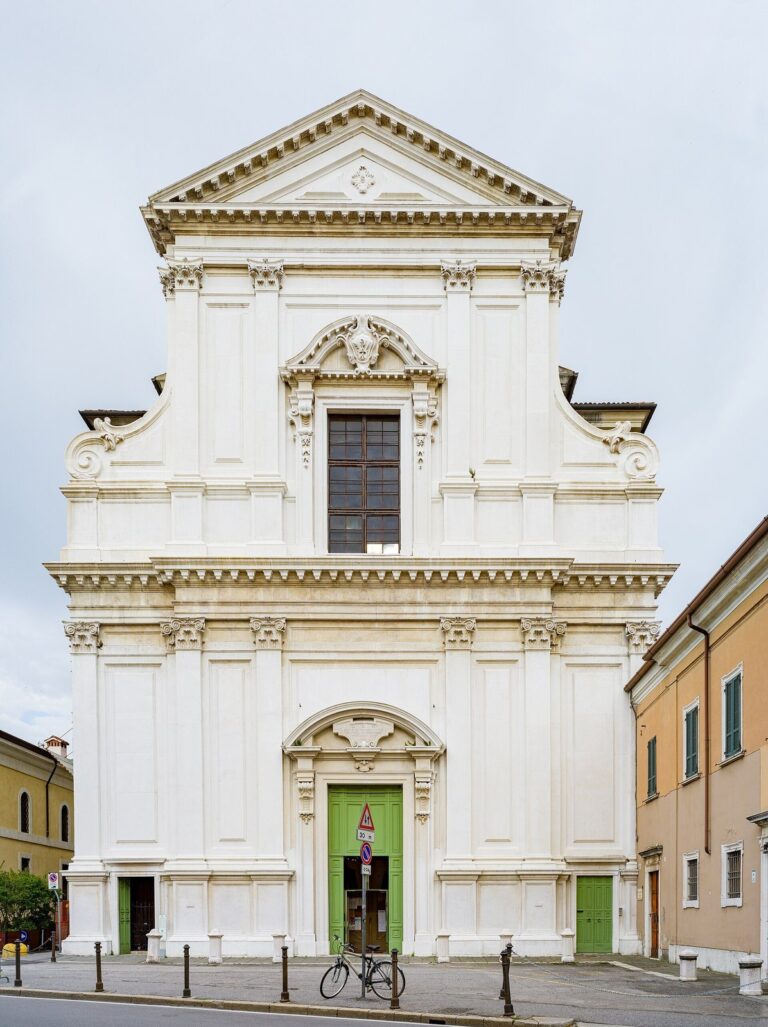
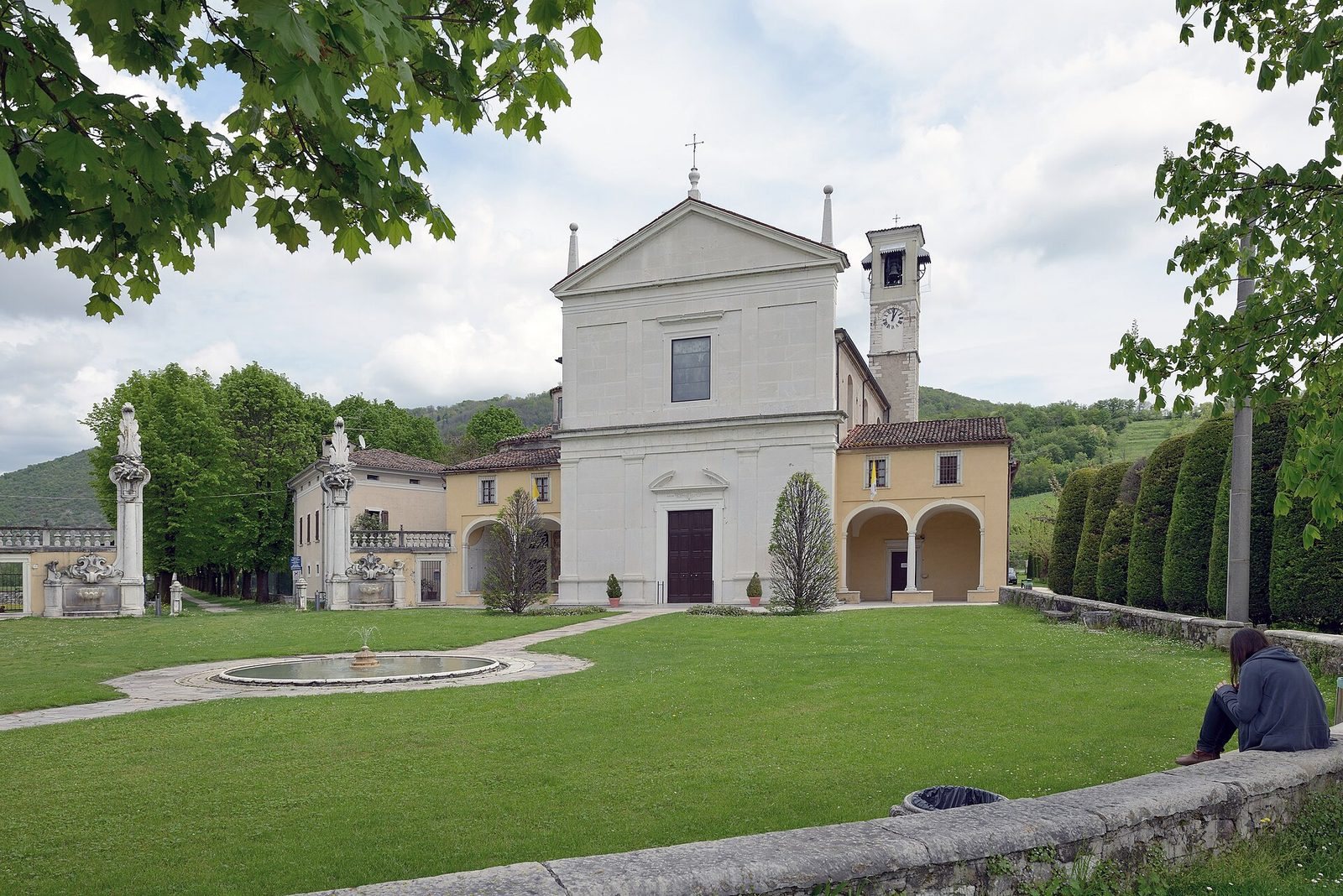
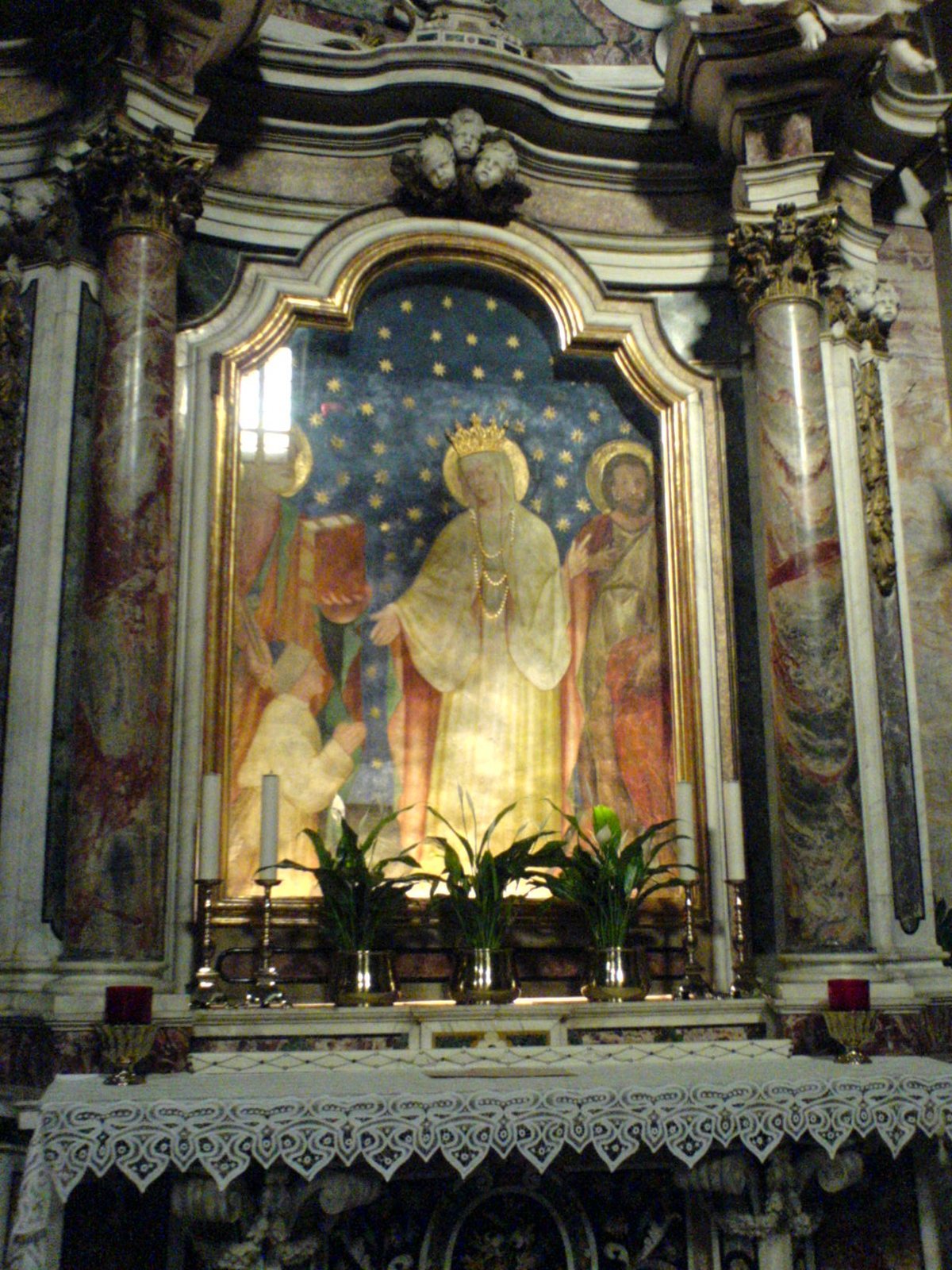
Construction of the Baroque sanctuary began on 5 March 1601 and was completed in 1615. It was consecrated in 1642, when its façade and bell tower were added. Inside, a fresco depicts the Madonna of Valverde.
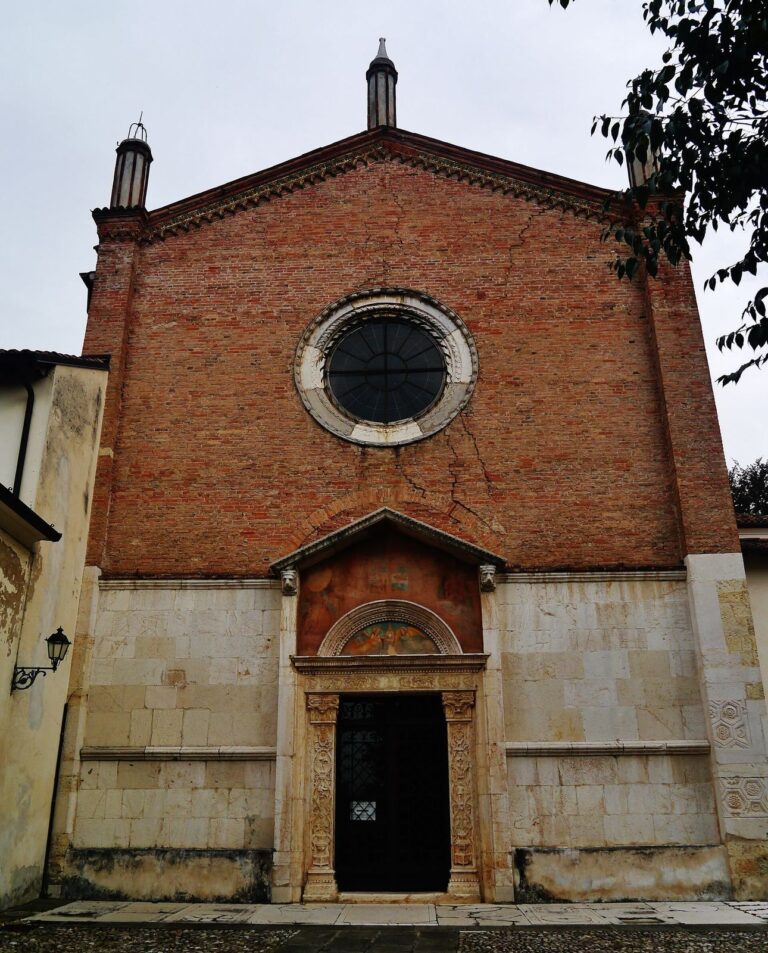
The Rotonda
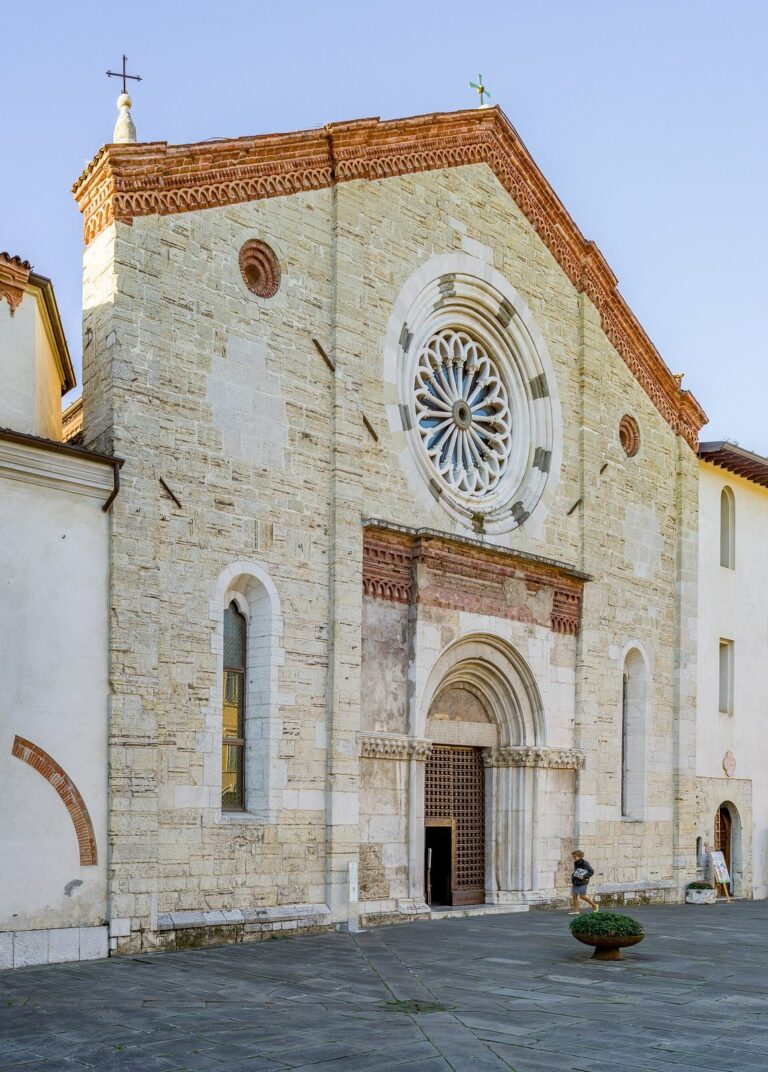
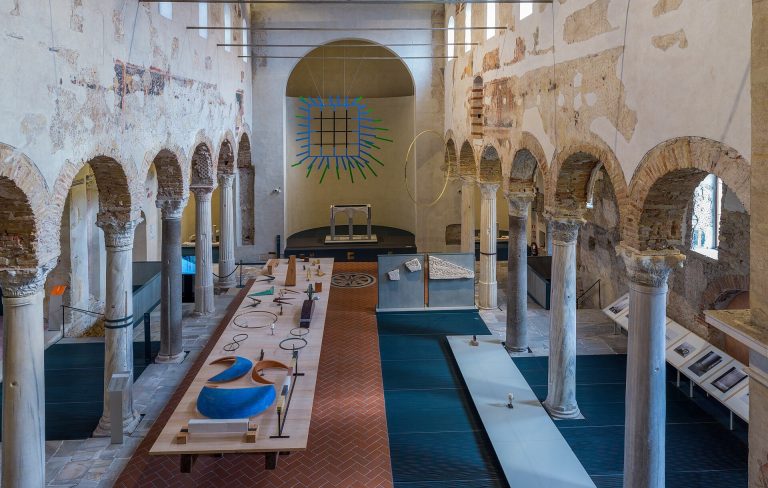
The Rotonda is a Romanesque church, a style commonly marked by rounded arches and substantial masonry, dated to 1024. Its construction characteristics are comparable to those of the Old Cathedral of Brescia. After the 1399 apparition, altars and porticoes were built around the church.
The lakeside chapel
The chapel beside the lake was built in 1400 and restored in 1580 and 1712.
Approach and lakeside features
Road, forecourt, and route to the lake
The road from the town to the sanctuary was completed in 1635, and the forecourt and fountain date to 1637. A tree-lined avenue leads toward the lake, where a gate is associated with the lakeside site. A wayside shrine stands at the entrance to Viale Santuario.