Maccastorna Castle: A Medieval Military Stronghold in Italy
Site at a Glance
- Rating
- 4.7
- Popularity
- Very Low
- Country
- Italy
- Primary era
- Medieval
- Eras represented
- Medieval
- Civilizations
- Holy Roman Empire
- Site type
- Military
- Remains
- Castle
On this page6 sections
History
Ghibelline Foundation and Jurisdiction
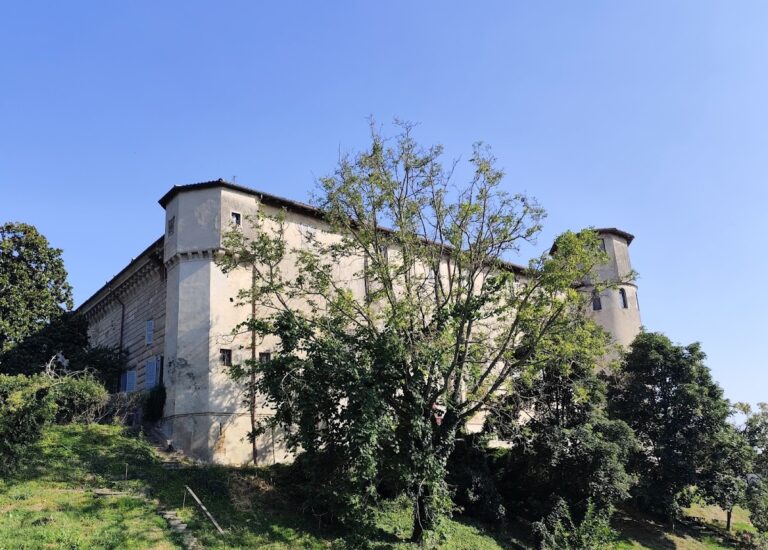
Maccastorna Castle, also known as Belpavone, is a medieval military stronghold in Italy, established in the thirteenth century near the right bank of the Adda by Ghibellines expelled from Cremona. The Ghibellines supported imperial authority in the medieval conflict between the Holy Roman Emperor and the papacy, especially in northern Italy.
Along with Basiasco, Corno Giovine, Cornovecchio, Pizzighettone, and Maleo, Maccastorna belonged to a territory governed by the Vincemala, or Vismara, family from 1272 to 1381. The family exercised both high and low jurisdiction, meaning authority over civil and criminal justice, including severe penalties.
Visconti and Bevilacqua Ownership
In 1371, the noble Vismara family acquired the castle from Gian Galeazzo Visconti, lord of Milan. In 1385, Visconti granted the castle and its fief to Guglielmo Bevilacqua in recognition of his assistance in eliminating Bernabò Visconti. Gian Galeazzo and Bernabò were members of the Visconti dynasty, which ruled Milan during the later fourteenth century.
The Bevilacqua family retained ownership of Maccastorna Castle until 1901. The castle is designated Italian national heritage.
Cabrino Fondulo and the 1406 Murders
During the fifteenth century, the castle and the Maccastorna fief passed to Cabrino Fondulo, a condottiero, or professional military commander who led troops under contract. Fondulo served the Cavalcabò family, the ruling family of Cremona, took up residence at Maccastorna, and substantially altered its fortifications. He later became lord of Cremona in the early fifteenth century.
On 24 July 1406, Fondulo welcomed Carlo Cavalcabò, identified as the cousin of Ugolino Cavalcabò and lord of Cremona, together with his retinue. They were returning from Milan after visiting the Visconti. Following dinner, Fondulo and his henchmen murdered the guests and threw their bodies into the castle well. He then proclaimed himself lord of Cremona. A tradition holds that the victims’ cries still echo through the castle rooms.
Remains
Fortifications and Enclosure
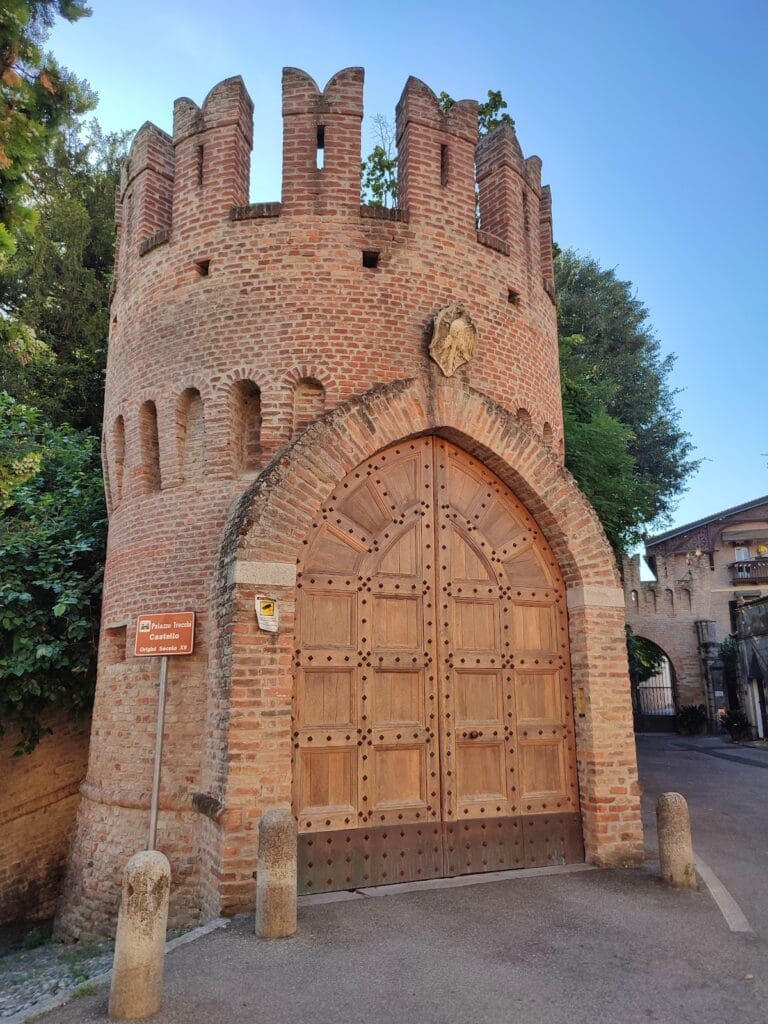
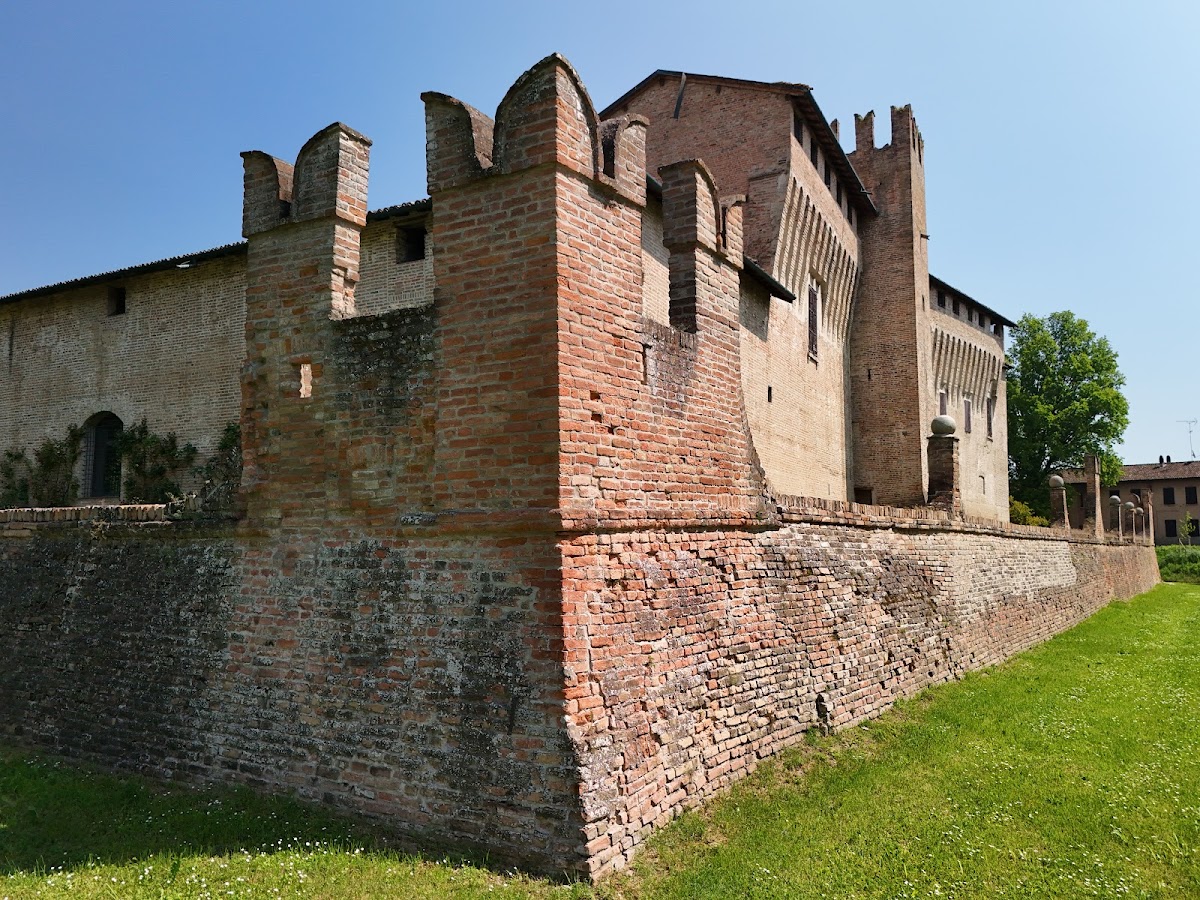
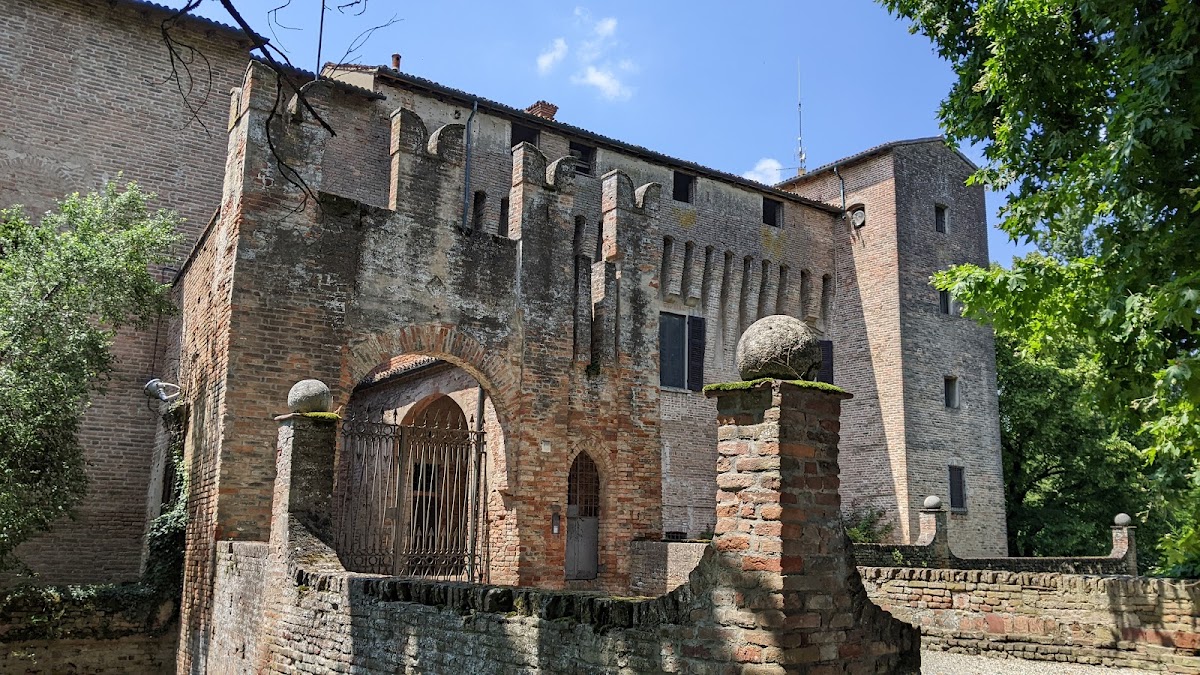
The castle follows an irregular quadrangular plan and was built with cobbles, mortar, and brick. Fondulo’s alterations created enclosing walls, a moat crossed by a drawbridge, and prisons, reinforcing the stronghold’s military character. The original enclosure survives in part through its remaining walls.
A well within the castle is associated with the murders of Carlo Cavalcabò and his companions in 1406. It is the physical feature connected with the tradition that Fondulo’s victims were thrown into the castle after the attack.