Lotikot Mura: A Buddhist Monastery Site in Bangladesh
Site at a Glance
- Rating
- 4.3
- Popularity
- Very Low
- Country
- Bangladesh
- Primary era
- Medieval
- Eras represented
- Medieval
- Civilizations
- Unclassified
- Site type
- Religious
- Remains
- Monastery
History
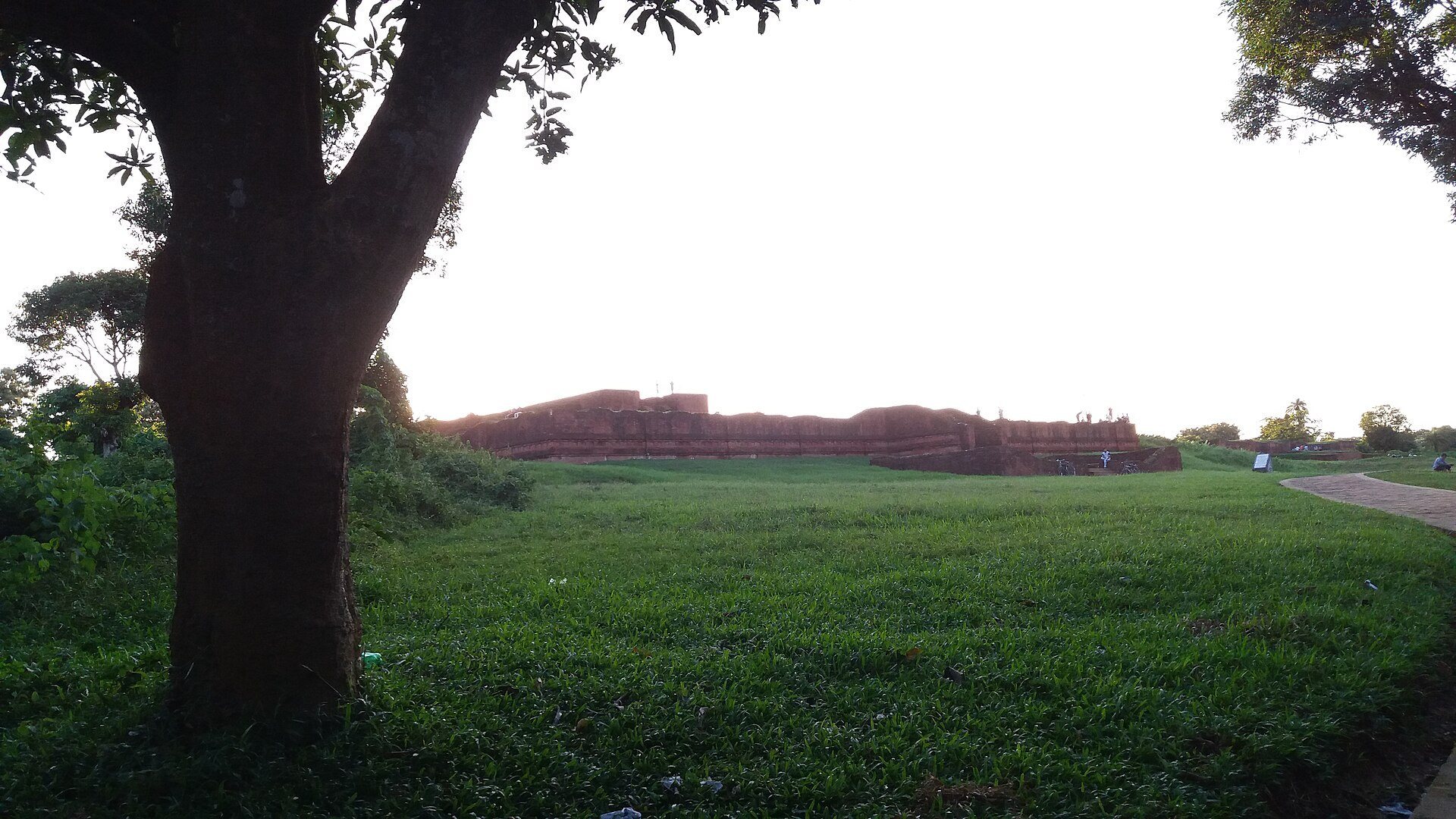
Lotikot Mura is a Buddhist archaeological site in Comilla, Bangladesh, within the Mainamati archaeological area, a region known for early medieval Buddhist monasteries. The site dates broadly from the eighth to the tenth centuries and is associated with Buddhist culture. Also called Lotikot Vihara, it represents a monastic complex whose foundation plan was revealed through archaeological excavation.
Excavation took place from 2003 to 2006 and exposed the remains of the monastery. The site is government-owned, protected as an archaeological site, and managed by the Department of Archaeology of Bangladesh.
Remains
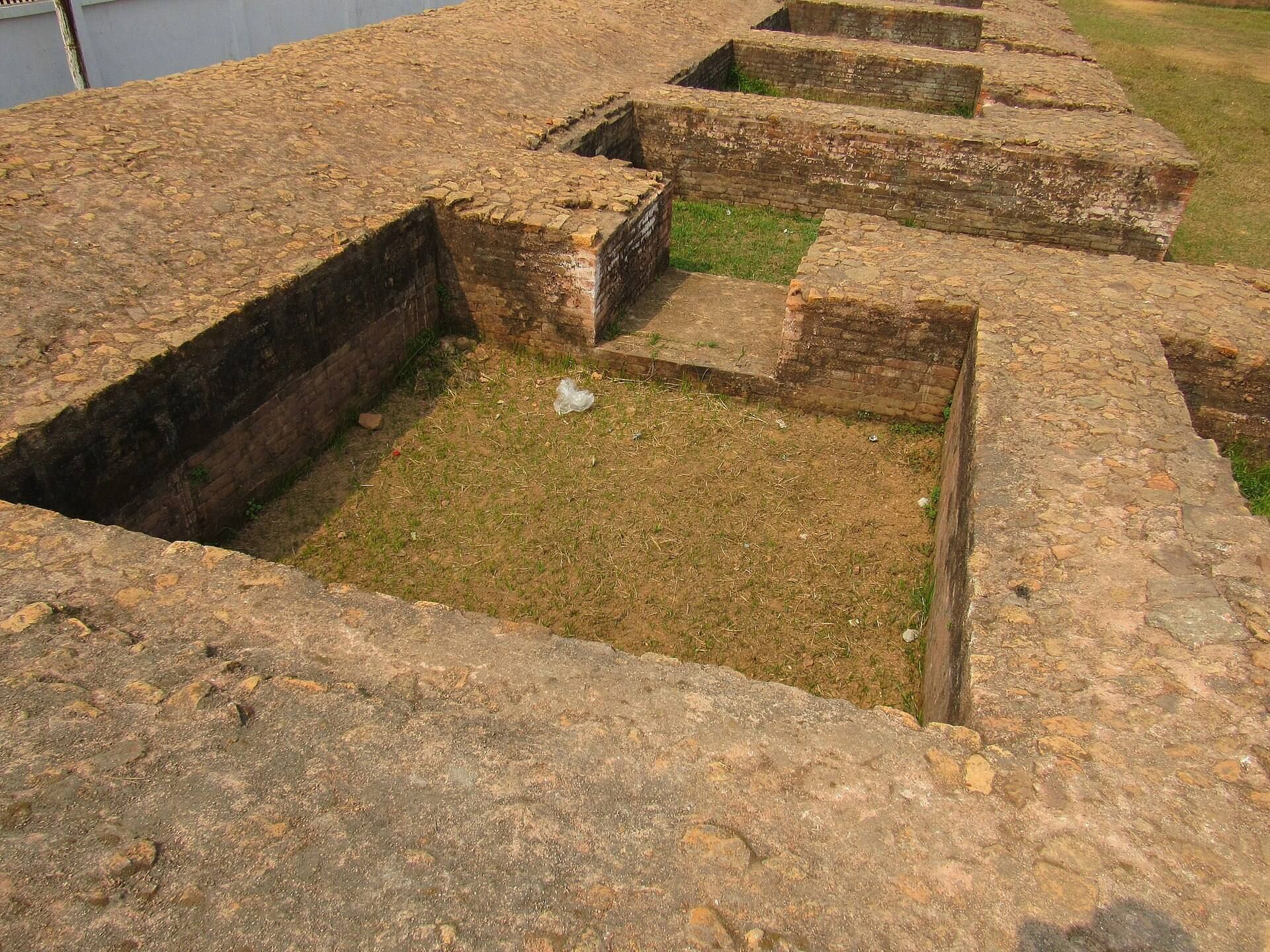
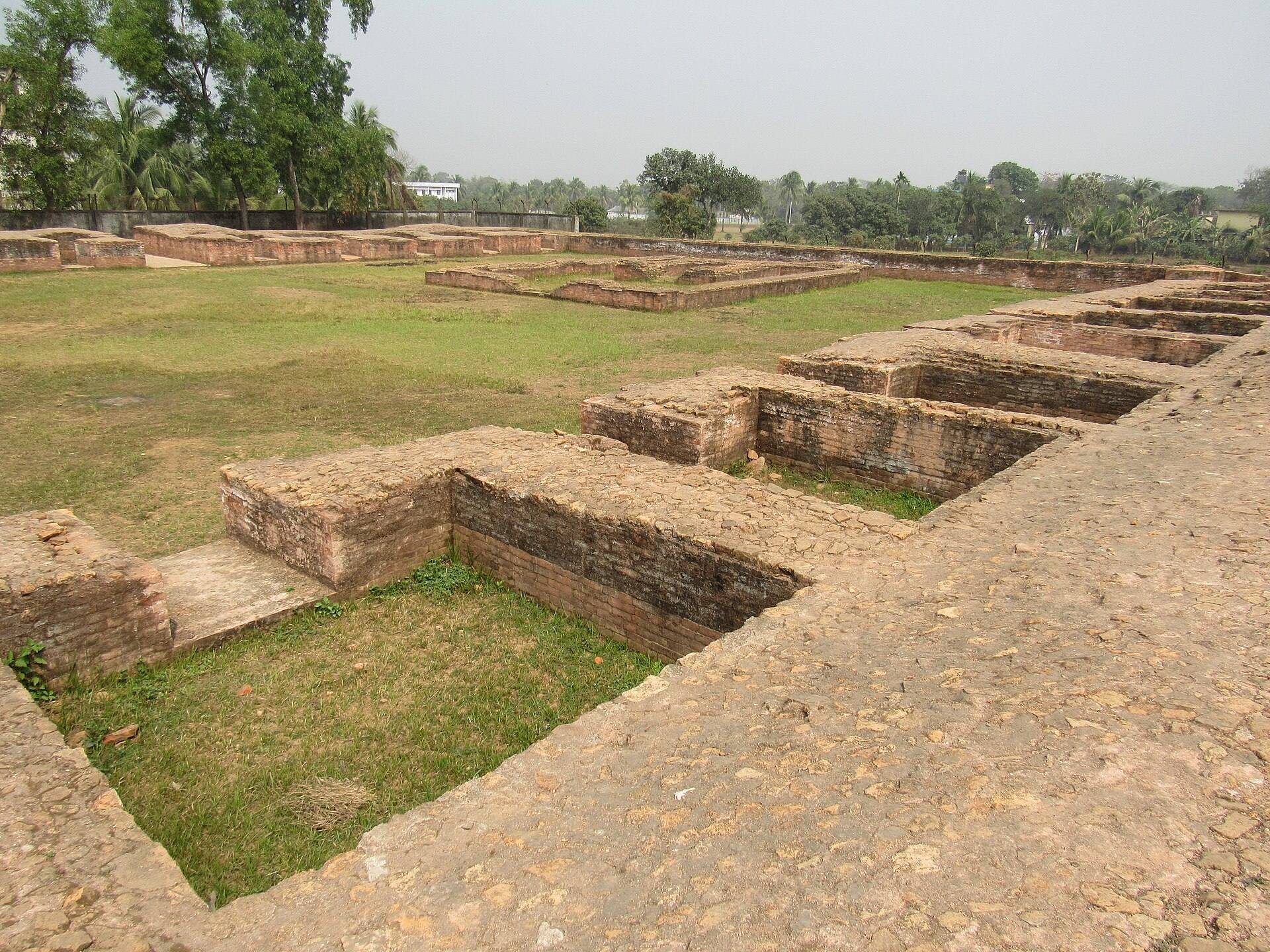
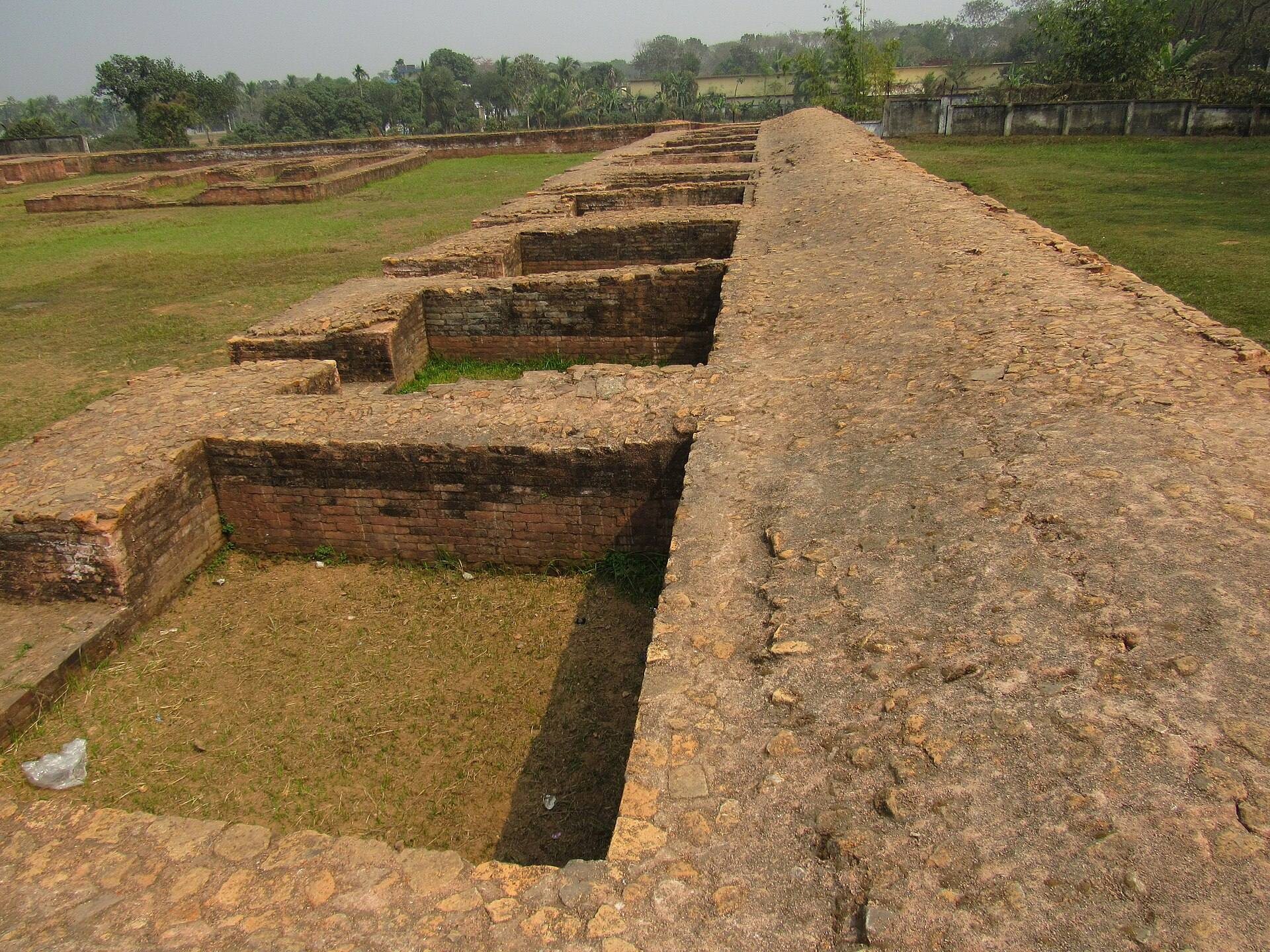
The excavated monastery measures approximately 47.24 by 44.80 metres. Its plan includes 33 monks’ cells arranged within the complex, reflecting the residential organization of a vihara, a Buddhist monastic complex built around living spaces and shared areas. The principal entrance gateway stood on the northern side. The remains are now in a ruined condition.
The monastery was built in two phases. During the second phase, a mandapa, meaning a pillared hall or pavilion, was added at the centre of the eastern wing. Lotikot Mura is one of three archaeological mounds between the Bangladesh Academy for Rural Development and a Border Guard Bangladesh gate along the Comilla to Kotbari road. The other two mounds are separate archaeological sites.