Fort Hoskins: A U.S. Army Post in Oregon
Site at a Glance
- Rating
- 4.6
- Popularity
- Low
- Country
- United States
- Primary era
- Modern
- External website
- Open
- Eras represented
- Modern
- Civilizations
- Unclassified
- Site type
- Military
- Remains
- Fort
On this page8 sections
History
Establishment and Military Service
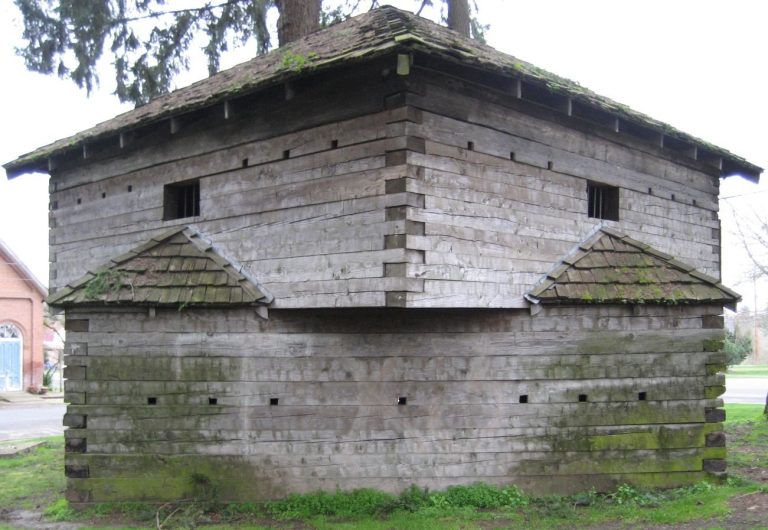
Fort Hoskins was a U.S. Army post near the Luckiamute River in Oregon, United States, established in the mid-nineteenth century to monitor and control the Coastal Indian Reservation, a reservation created for Native American communities along the Oregon coast. Although called a fort, it was an unfortified military post built between 1856 and 1857.
Construction began in 1856 under Captain Christopher C. Augur and was completed the following year. Augur served as the first commander from July 25, 1856, to July 2, 1861. Second Lieutenant Philip Sheridan supervised construction during this period and later took charge of the completed post. Both officers subsequently became Union generals during the American Civil War.
The garrison included companies of the 4th Regiment of California Infantry. Soldiers from Fort Hoskins suppressed a bloodless Native American insurrection at Yaquina Bay. During the Civil War, Royal A. Bensell and William M. Hilleary kept journals describing the post’s damp, uneventful conditions and aspects of nineteenth-century life in the region.
Abandonment and Local Legacy
The post was named for First Lieutenant Charles Hoskins, who was killed at the Battle of Monterrey during the Mexican-American War on September 21, 1846. After the Civil War, Fort Hoskins was recognized as an outpost that had attracted interest from the former Confederate government. The Army abandoned it on April 10, 1865.
Fort Hoskins continued to influence local history after its closure. Several soldiers who had served there remained in the region, and local place-names, including Kings Valley, became associated with former members of the garrison. The later community and post office of Hoskins took their name from the abandoned military post.
Preservation
The Fort Hoskins site was added to the U.S. National Register of Historic Places in 1974. This federal register identifies places considered historically important in the United States. Benton County opened the grounds as Fort Hoskins Historical Park in 2002. In 2012, the former commander’s house was moved from nearby Pedee back to its original location, and in 2015 the county approved funding for exterior restoration.
Remains
Post Grounds and Residential Area
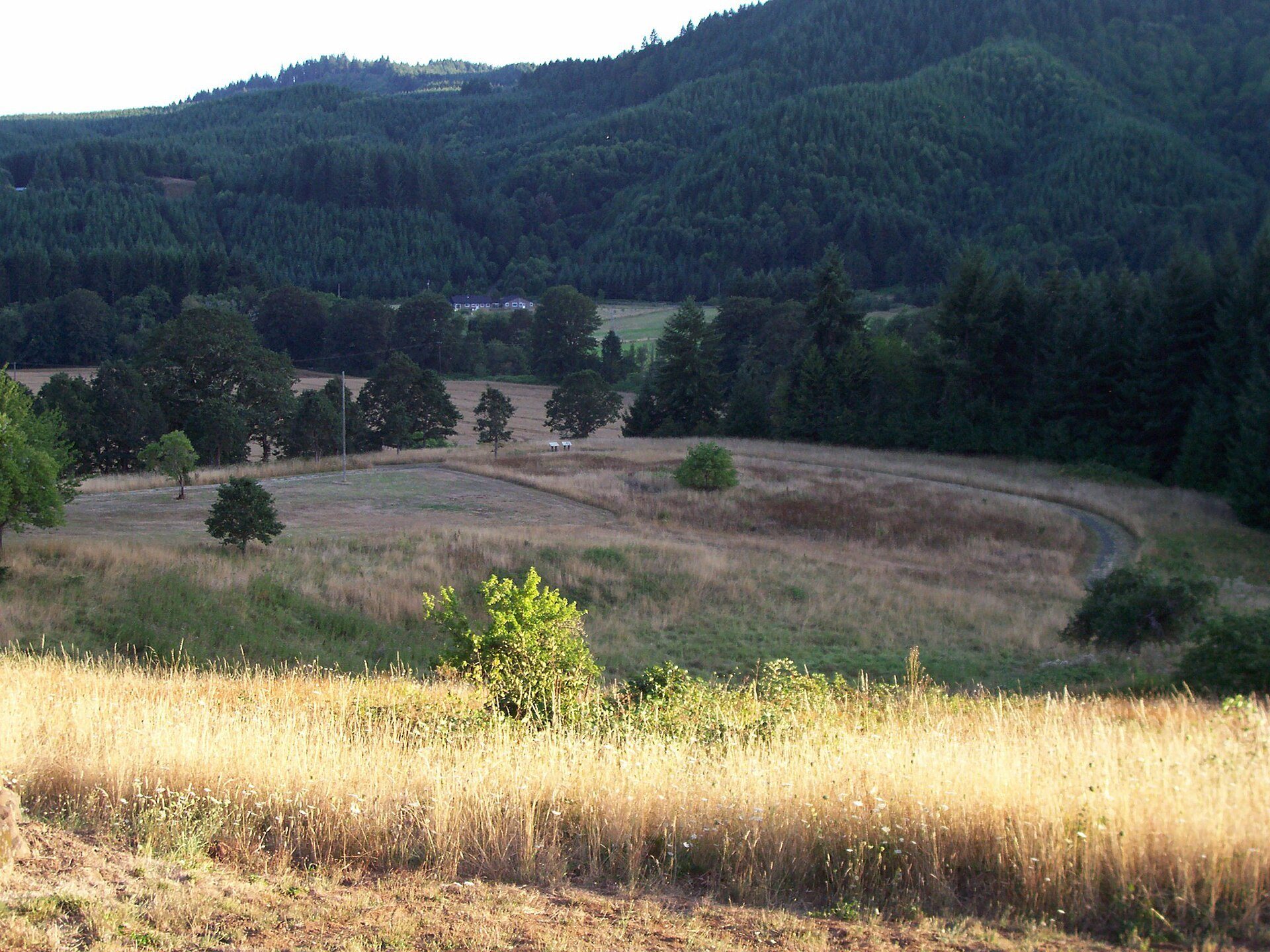
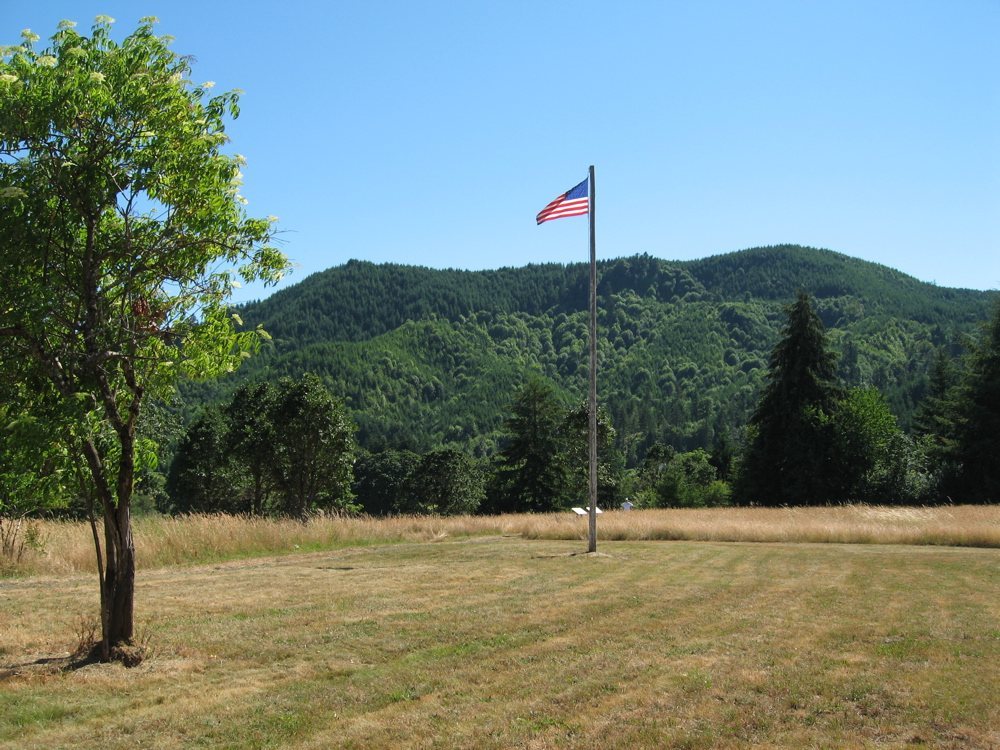
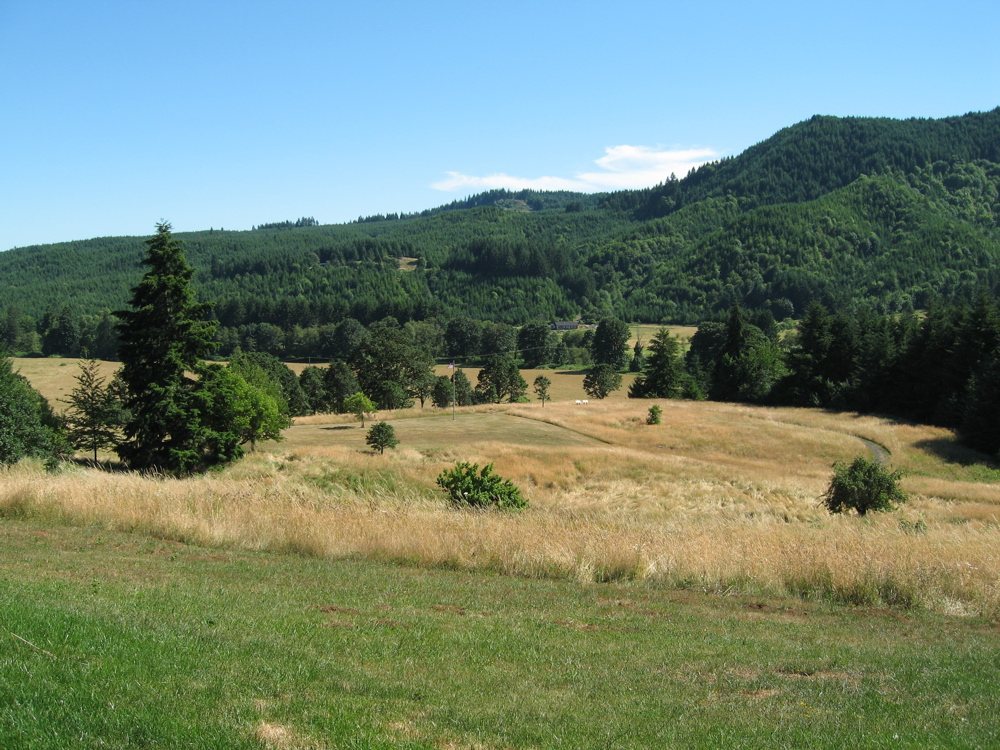
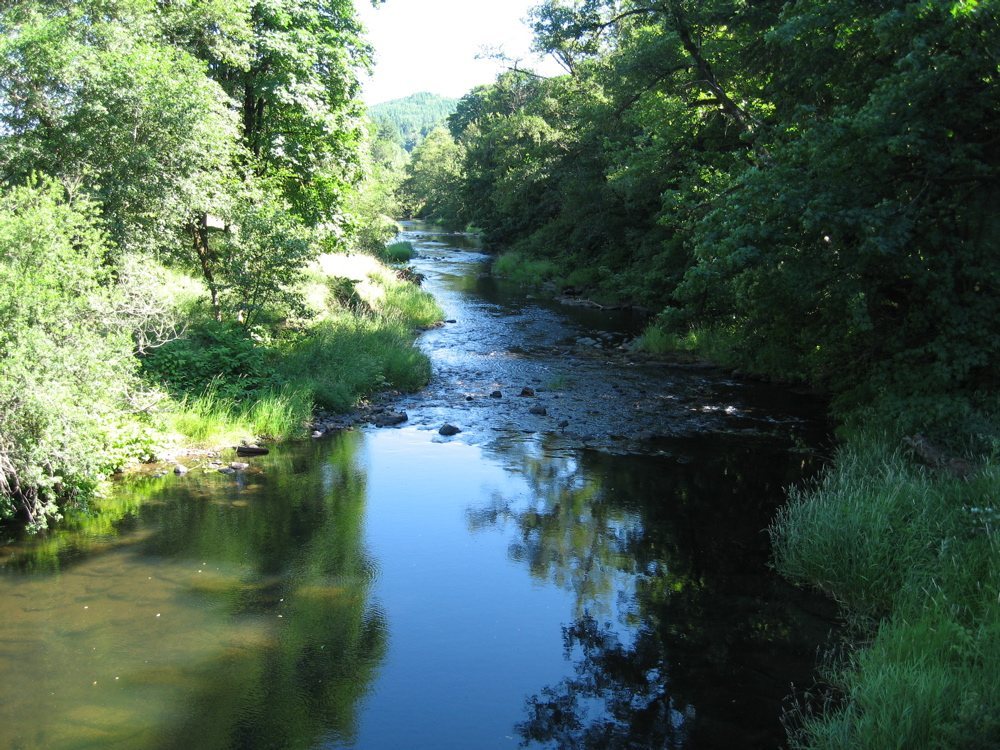
The former post occupied approximately 130 acres along the Luckiamute River, about 19 miles northwest of Corvallis. Built of wood, it included the grounds and archaeological remains of the military installation. Officer’s Row, a residential area reserved for officers and their families, formed part of the post. Captain Augur and his family were the first occupants of the newly constructed officers’ residence.
Commander’s House
The fort commander’s house was later moved to Pedee after the post closed. Its return to the Fort Hoskins site in 2012 restored the building to its original setting, and Benton County later approved exterior restoration work.
Samuel Frantz House
The Samuel Frantz House, also called the Dunn-Frantz House, first served as the fort’s infirmary before being converted into a residence. The building is now part of the county park.