Litvínov Castle: A Baroque Castle in Czechia
Site at a Glance
- Rating
- 4.5
- Popularity
- Low
- Country
- Czechia
- Primary era
- Early Modern
- External website
- Open
- Eras represented
- Early Modern, Modern
- Civilizations
- Austria-Hungary, Austrian Empire, Habsburg, Holy Roman Empire, Kingdom of Bohemia
- Site type
- Domestic
- Remains
- Castle
On this page7 sections
History
From Fortress to Aristocratic Estate
A fortress at Litvínov Castle in Czechia is documented from 1505, when Kašpar z Johnu sold it to Zikmund z Duban. Mikuláš Velemyšlevský z Velemyšlevsi acquired the property in 1532, and from 1534 Zikmund z Knoblshofu held it in pledge. The Johnu family later bought the estate back.
Martin z Johnu owned the estate in 1542. After his death in 1547, it passed to his three sons. Jiří z Johnu died in 1566 and Abraham z Johnu in 1571, both without descendants. The fortress then passed to the underage heirs of Martin’s brother Arnošt and was managed for them by Arnošt’s widow, Anna ze Šarotinu.
Jan Václav z Lobkovic bought Litvínov from Anna’s son Jáchym in 1589 and incorporated it into the Dolní Jiřetín estate. The Dolní Jiřetín and Duchcov estates were united in 1608, after which references to the Litvínov fortress cease. The estates of Dolní and Horní Litvínov were released from feudal obligations in 1617.
The Baroque Castle
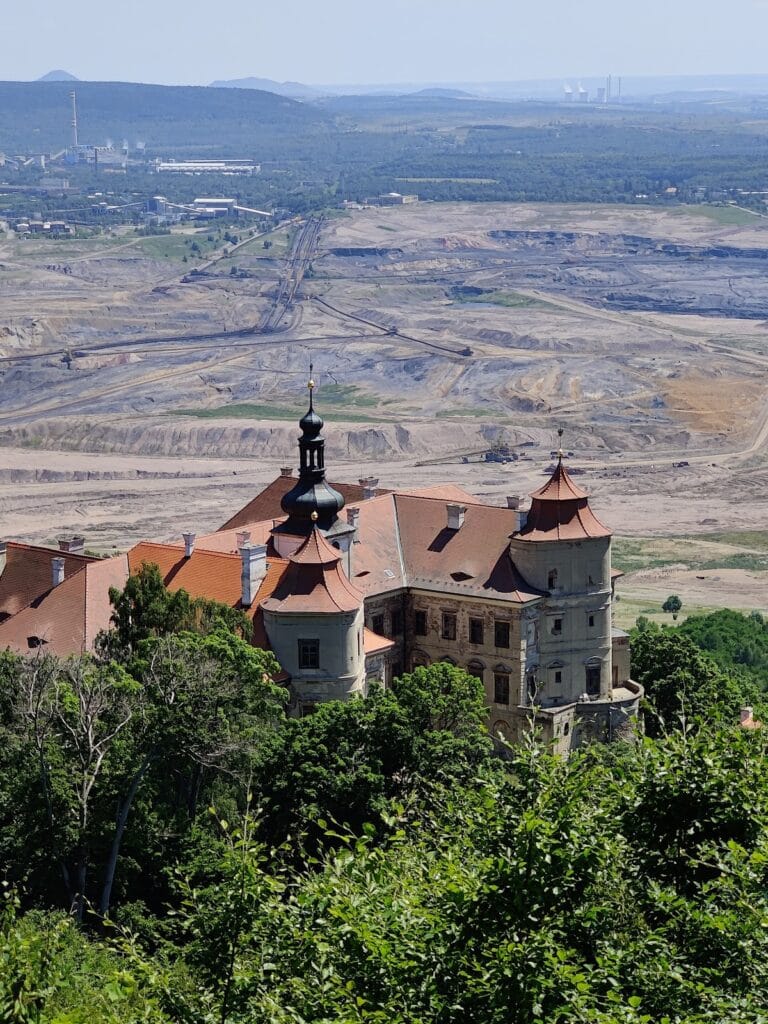
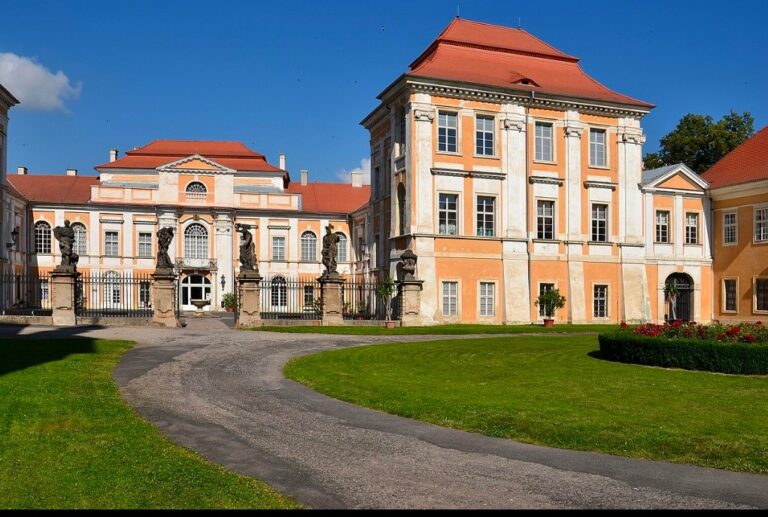
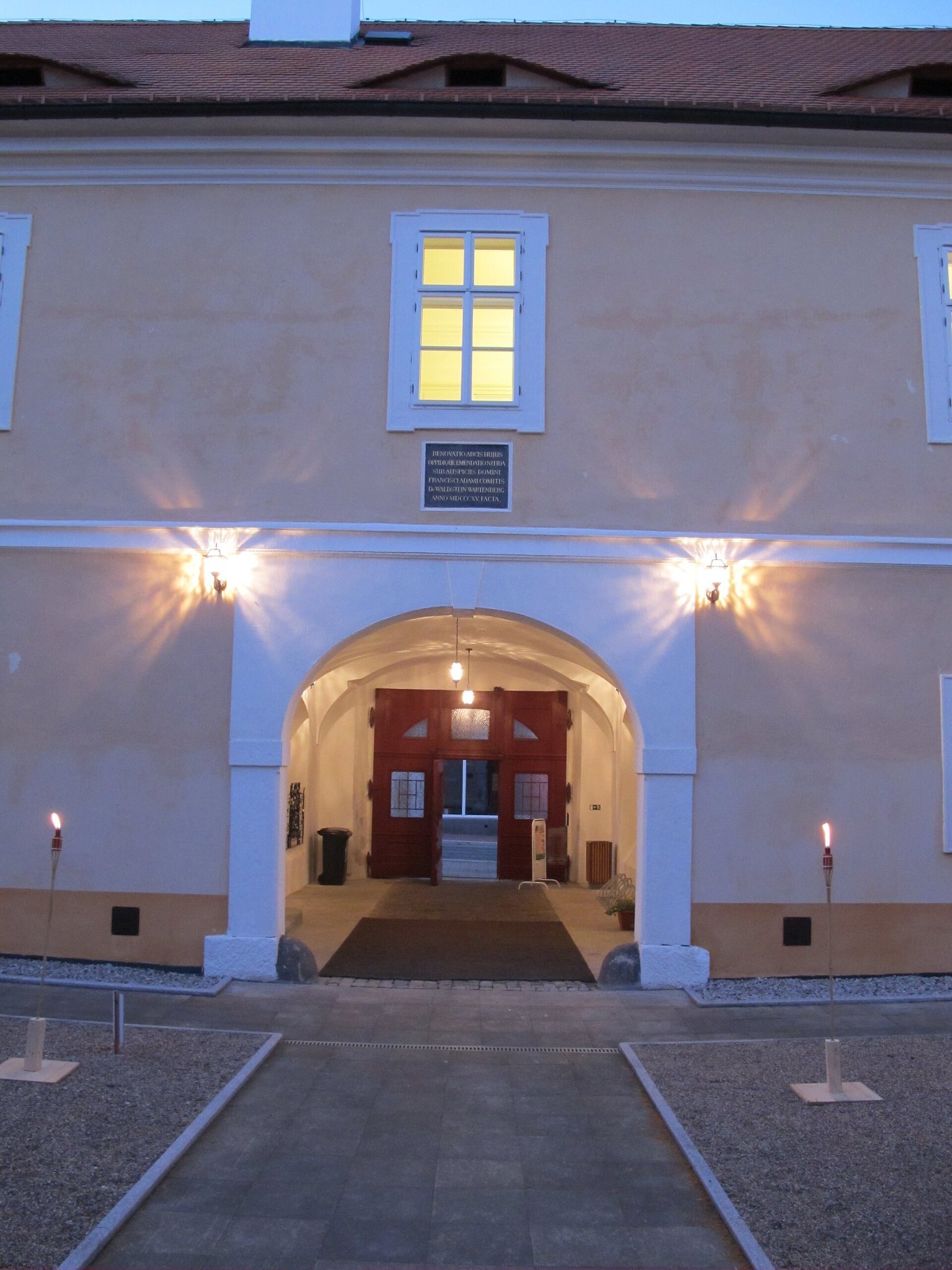
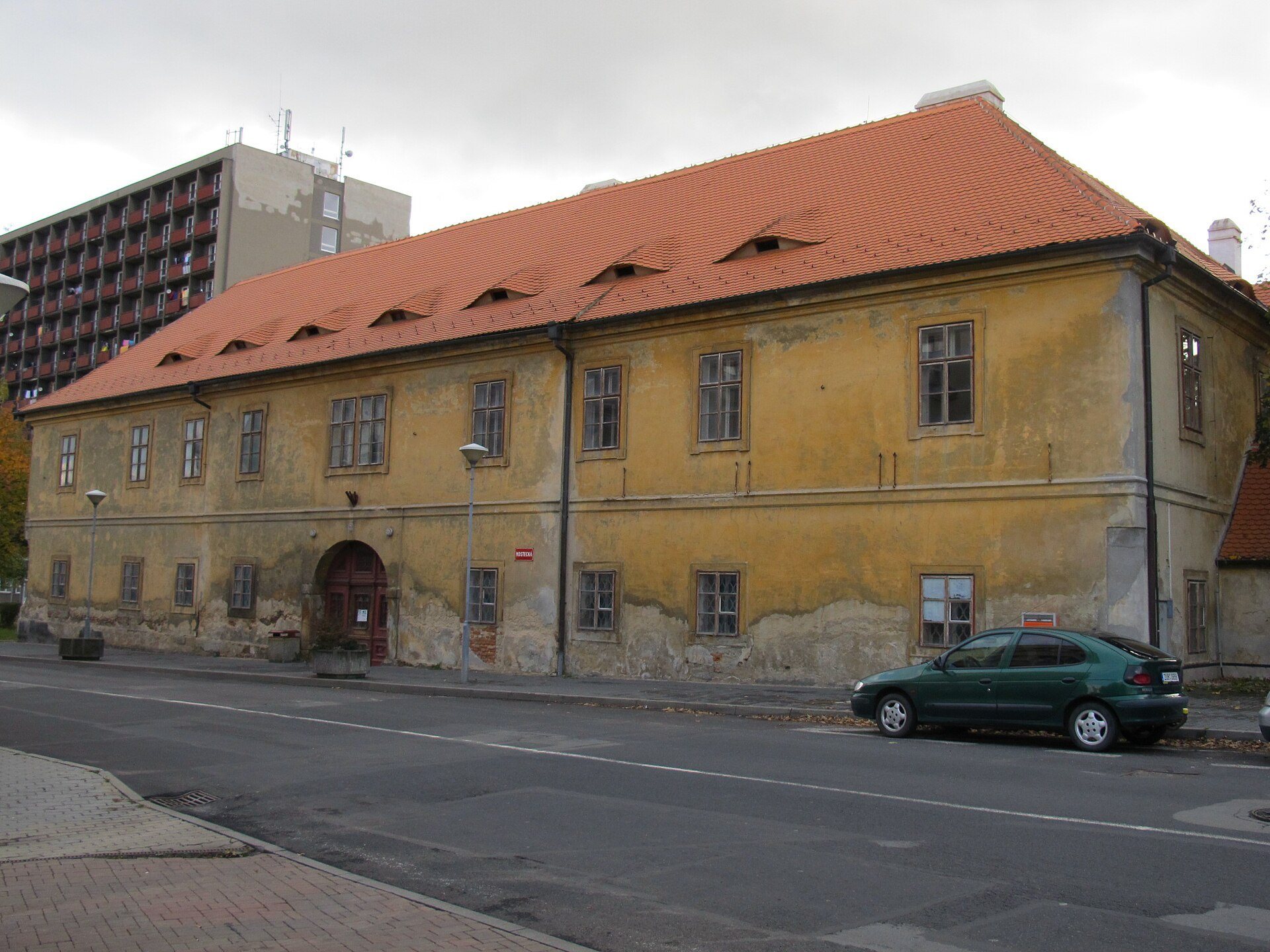
Count František Josef Jiří z Valdštejna-Vartenberka commissioned a new Baroque castle on the site of the earlier fortress. It was built between 1732 and 1743 to a design by František Maxmilián Kaňka, a leading Bohemian Baroque architect. The building was reconstructed in 1815 and altered again in 1878, when most of its stylistic elements were removed. An eight-hectare English park replaced the former garden, and the castle later served economic purposes.
Municipal and Contemporary Use
After the First World War, Czechoslovakia nationalized the castle. From 1948, it housed the State Forest Administration. The municipal museum acquired it in 1960, and that institution merged with the District Museum in Most in 1964. During the 1990s, the museum collections moved to a storage facility in Most, and the castle ceased to be used. Partial reconstruction followed between 1994 and 2000.
In 2006, the Ústí nad Labem Region transferred the castle without charge to the city of Litvínov. Extensive reconstruction took place from 2013 to 2015, after which part of the building accommodated a ceremonial hall. Since 1 December 2015, it has also housed the editorial office of the Krušnohorské noviny, a traditional local-history periodical for the Ore Mountains and Central Bohemian Uplands. The office had previously operated in Litvínov from 1881 to 1883, before later moving to Teplice-Šanov. Litvínov Castle is protected as a cultural monument and is owned by the city.
Remains
Castle Building
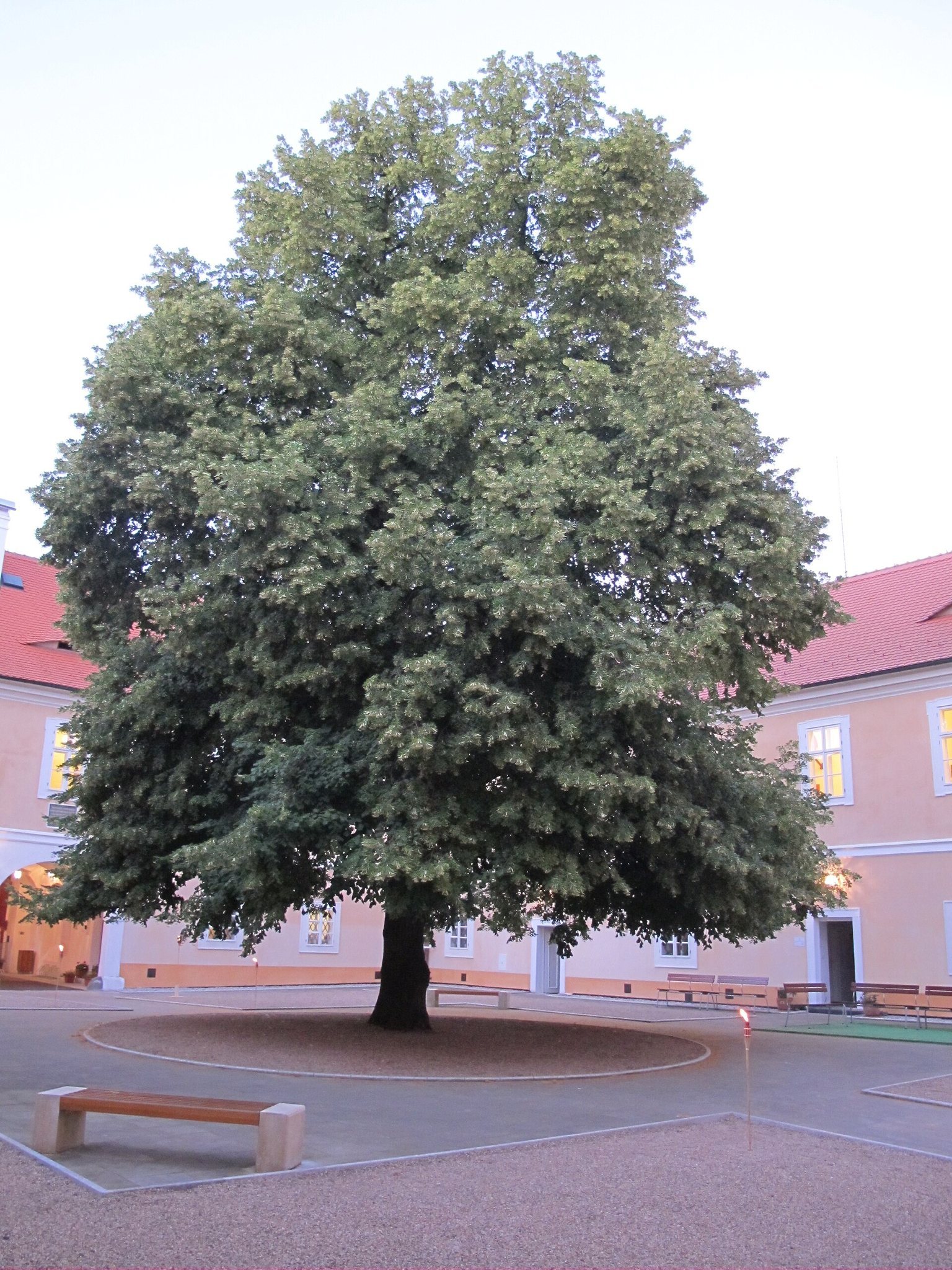
The present castle is a Baroque, four-wing, two-storey building arranged around a square courtyard. Its surviving form comes chiefly from the Valdštejn rebuilding of 1732 to 1743 and alterations made during the nineteenth century. On the garden side, a two-storey central risalit, a section projecting from the main wall, rises beneath a mansard roof. The ground-floor rooms have barrel-vaulted ceilings with lunettes, which are crescent-shaped sections intersecting a larger vault.
Park and Memorial Stones
An eight-hectare English park occupies the site of the former garden. Four Renaissance tombstones belonging to the Lords of Johnu are set into the wall of the rear passage. They date from 1542, 1558, 1566, and 1571, linking the surviving building to the family that held the estate during the sixteenth-century fortress period.