Letohrad Castle: A Baroque Castle in Czechia
Site at a Glance
- Rating
- 4.4
- Popularity
- Low
- Country
- Czechia
- Primary era
- Early Modern
- External website
- Open
- Eras represented
- Early Modern, Modern
- Civilizations
- Austrian Empire, Habsburg, Holy Roman Empire
- Site type
- Domestic
- Remains
- Castle
On this page12 sections
History
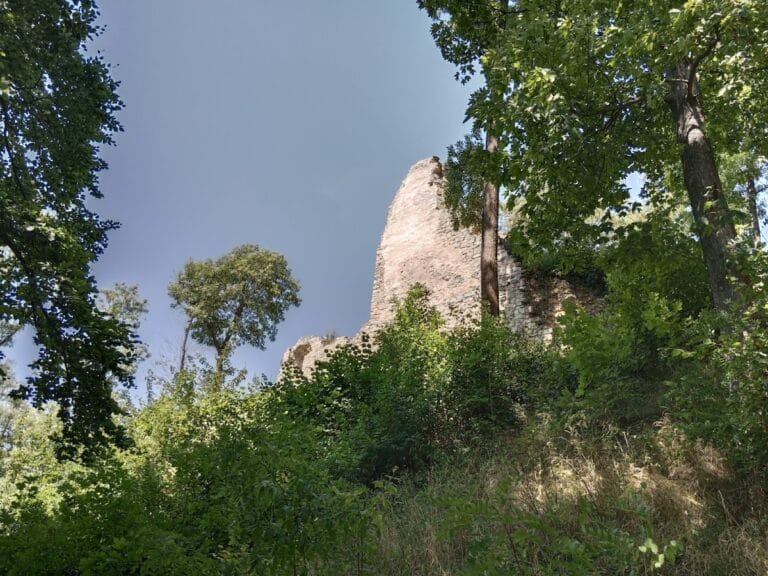
Letohrad Castle is a Baroque castle in Czechia, begun in 1681 on the site of an earlier fortress associated with the Kyšperk estate. Its present form reflects rebuilding carried out from 1730 to 1815, followed by nineteenth- and early twentieth-century alterations. The building later became a school, municipal centre, museum, and cultural venue.
The Kyšperk Fortress
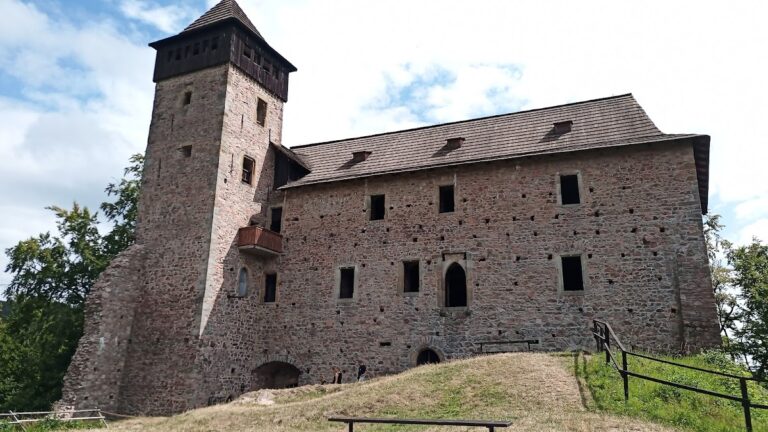
The site belonged to the Žampach family of Potštejn before the Kyšperk estate became independent in 1568. After Zdeněk Žampach died in 1562, his brother Čeněk Žampach held the estate. Jan Burian Žampach then founded a fortress on a promontory above the Tichá Orlice. The fortress is first mentioned in 1570. After Jan Burian’s death, Čeněk was forced to sell the Kyšperk estate.
Baroque Reconstruction
Count Hynek Jetřich Vitanovský of Vlčkovice inherited the estate in 1653. In 1681 he demolished the unsuitable fortress and began the present castle. His wife, Jana Magdalena of Harasov, completed the work. After Hynek’s death, she married Norbert Leopold Libštejnský of Kolovrat.
The estate later passed through the families of Libštejnský of Kolovrat, Harrach of Hřeben, Bred, Cavriani, Marcolini-Feretti, Nimptsch, and Stubenberg. Countess Tereza Bredová of Cavriani of Spandau began extensive changes in 1730. Her daughter Marie Anna’s husband, Petr Marcolini of Ferrata, completed the main rebuilding phase in the early nineteenth century. This phase is dated to 1730–1815.
Nineteenth-Century Use
Karel Nimptsch acquired the castle through his marriage to Petr Marcolini’s daughter, Terezie, in 1836. A school for girls was established in the castle during the middle of the nineteenth century, with needlework among the subjects taught there. In 1877, the estate passed through the marriage of Karel Nimptsch’s daughter Anna to the Stubenberg family. The castle was confiscated from the Stubenbergs in 1945.
Civic and Cultural History
After 1945, the castle became the seat of the National Committee. It included a ceremonial hall and municipal library, while part of the building served as a boarding school. The municipal museum was also installed there. A comprehensive reconstruction took place from 1983 to 1996. The City of Letohrad now owns the castle, which accommodates Letohrad Private Grammar School, a hotel and restaurant, the municipal library, an elementary art school, and a permanent castle exhibition.
The exhibition presents the Baroque period, nineteenth-century historicism, an approach that revived earlier architectural styles, and early twentieth-century Art Nouveau, known for flowing lines and organic ornament. It also recalls the Kyšperk artistic family of the Umlaufs. Dominik Umlauf was a woodcarver who made frames for paintings by his sons Jan and Hynek, both painters. Other displays concern Alfons Mucha, the Czech artist known for Art Nouveau paintings, posters, and decorative designs, and the local painter Rudolf Faltus. Mucha visited Kyšperk each summer toward the end of his life because his wife, Marie Chytilová, had relatives there. He rented a studio in the former Masaryk School of Work, now a secondary industrial school.
Remains
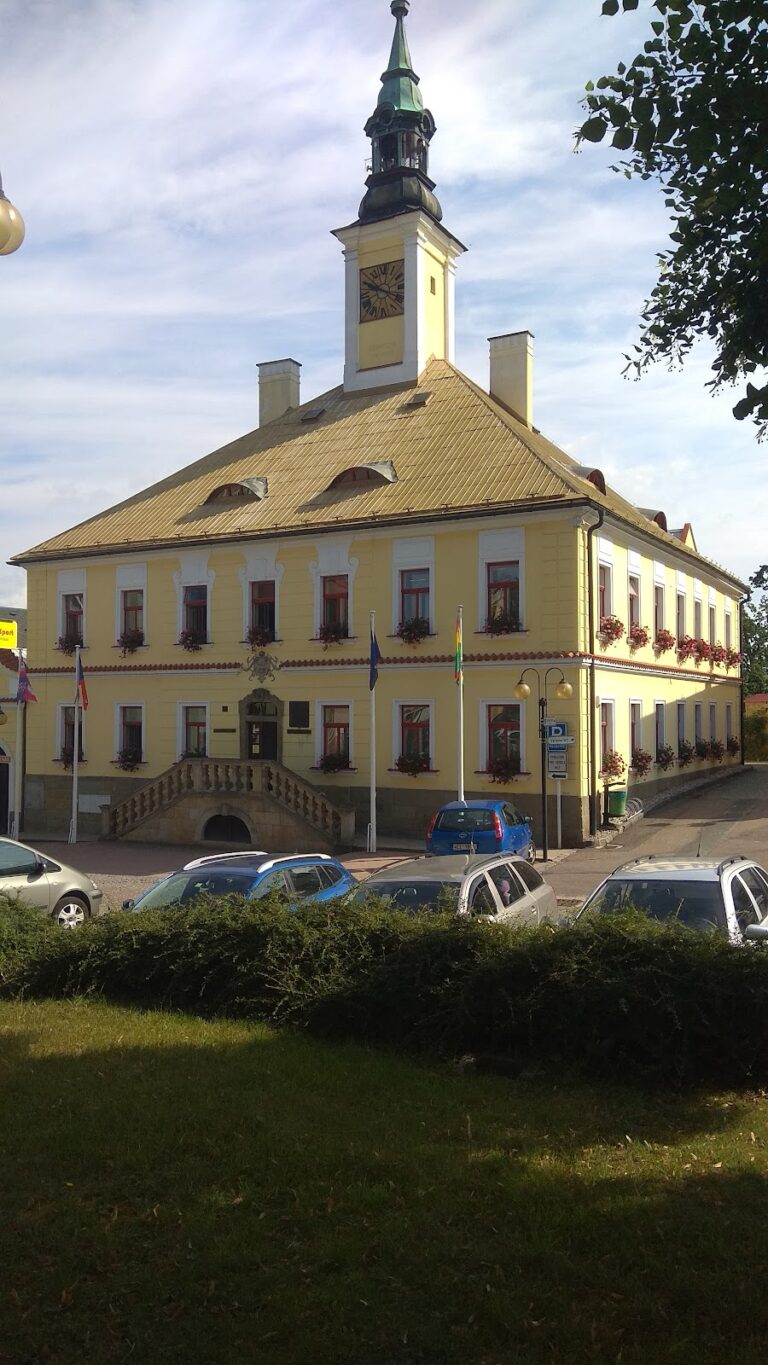
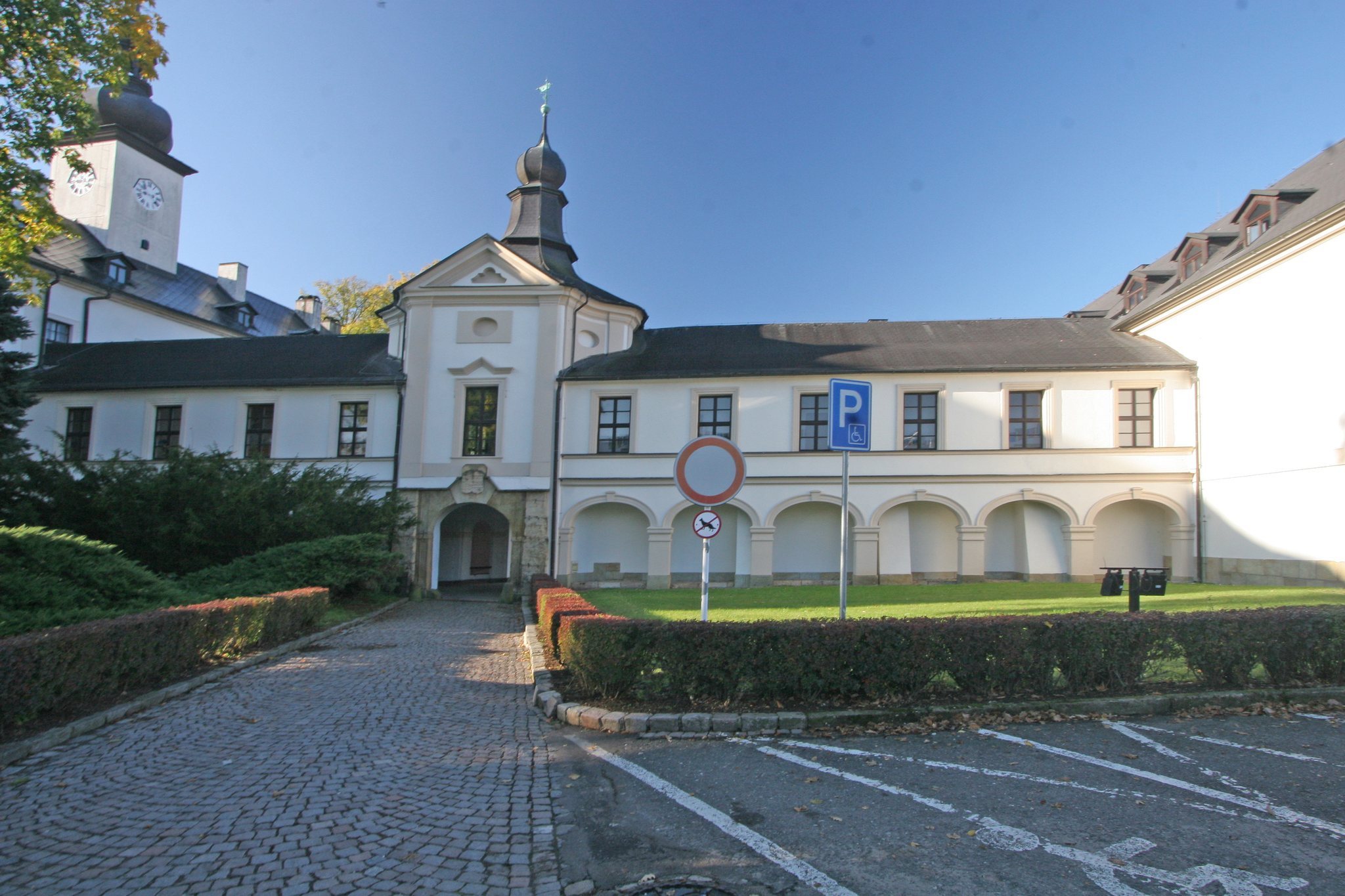
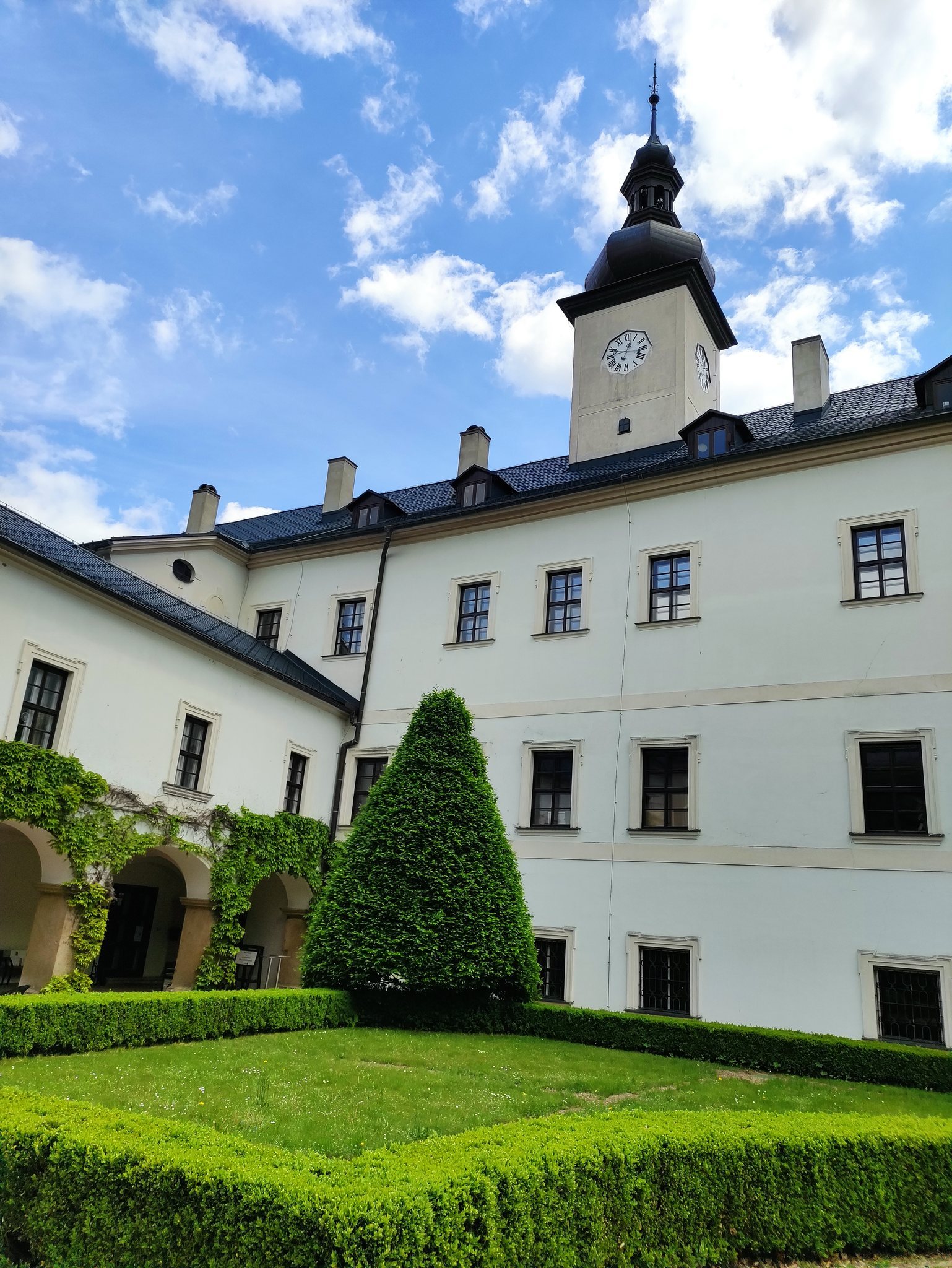
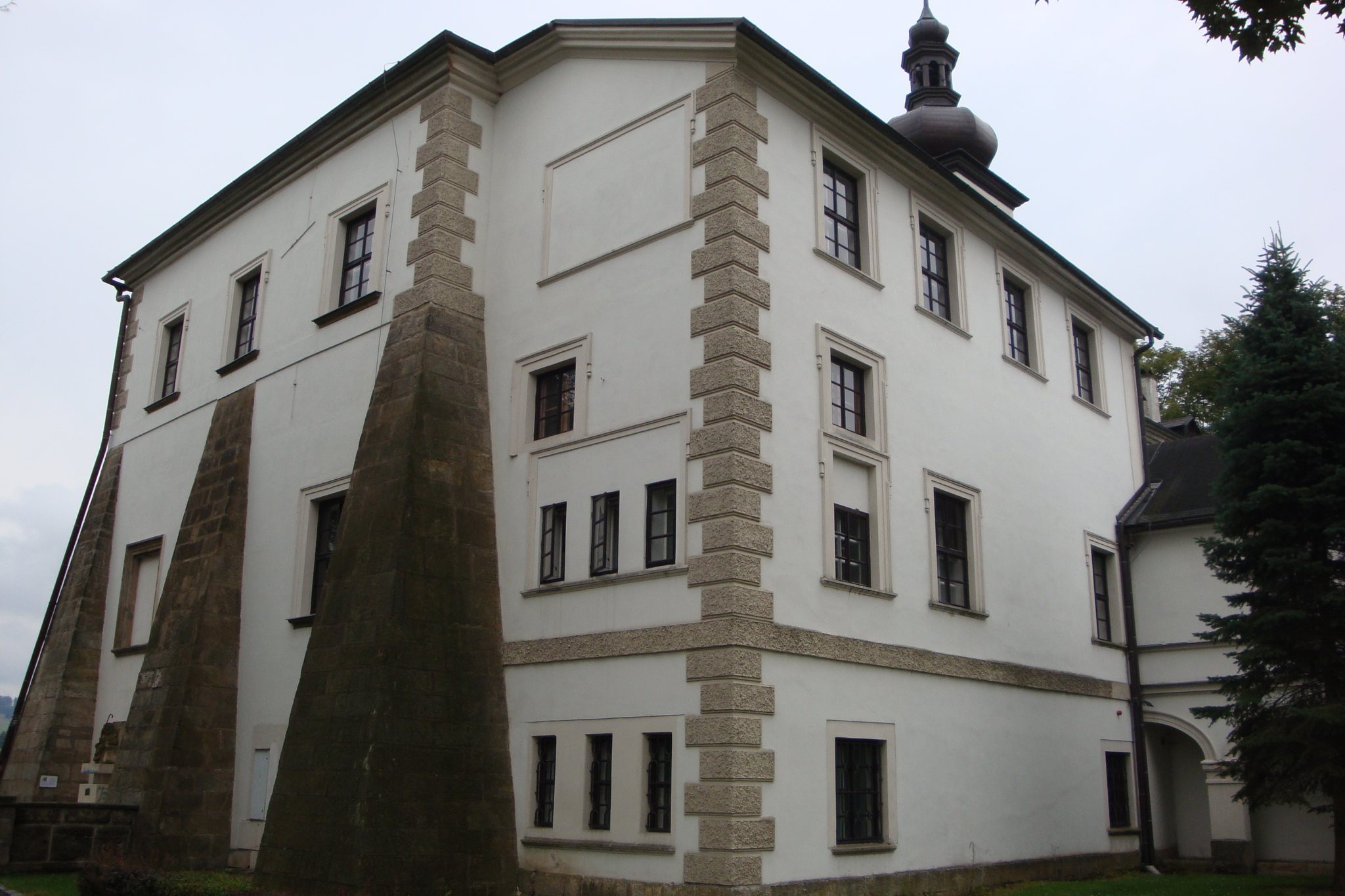
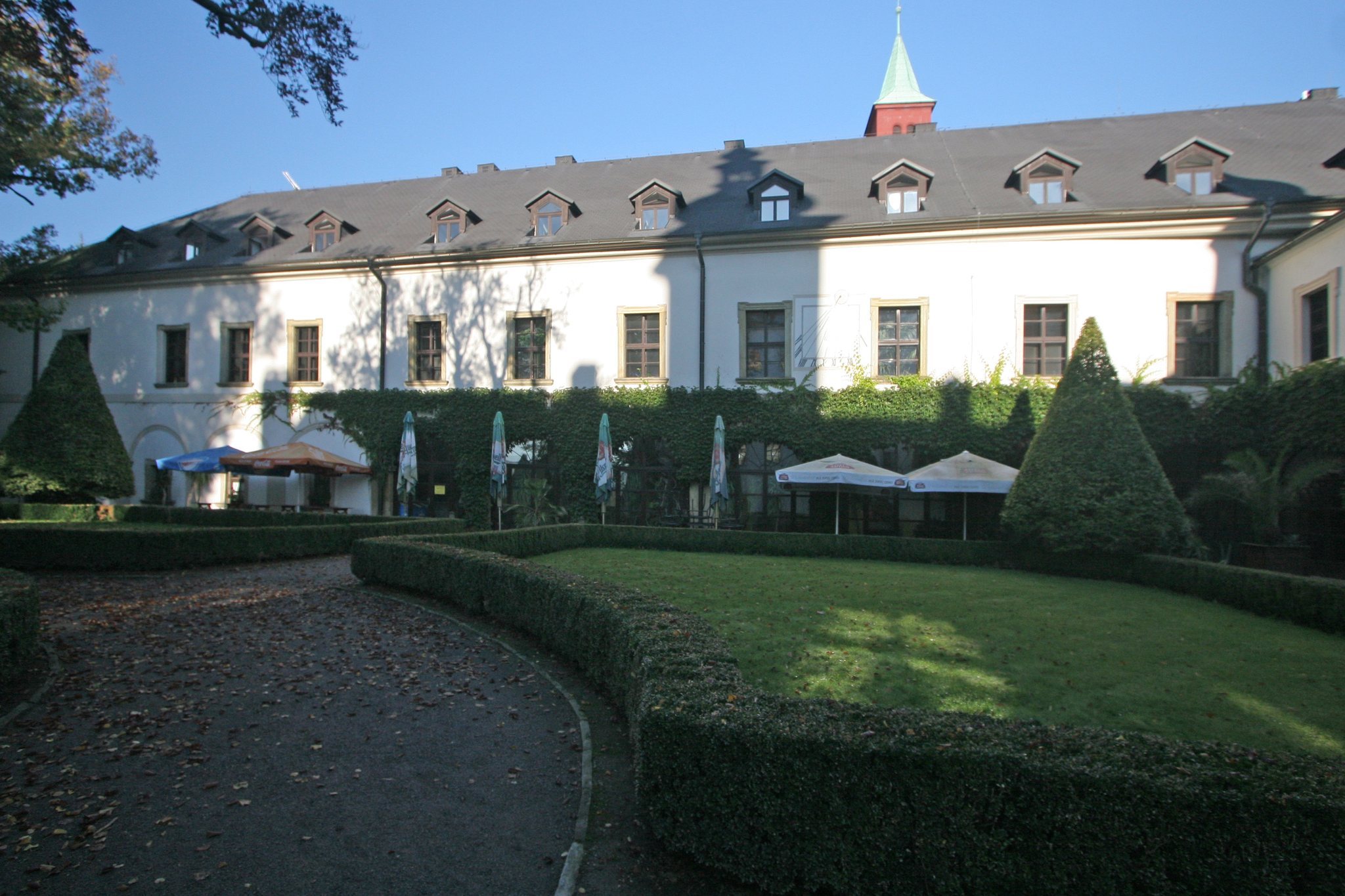
Letohrad Castle is a two-storey Baroque building with a rectangular ground plan and a separate tower. Its buildings developed around a courtyard, with later wings, connecting structures, a chapel, and landscaped grounds. Earthworks enlarged the courtyard and created room for a garden. The castle’s physical form also preserves changes made during the eighteenth, nineteenth, and early twentieth centuries.
Castle Buildings and Chapel
Main Building and Tower
The main building began in 1681 after the earlier fortress was demolished. A single-storey addition housed the patrimonial office, an administrative office responsible for managing an aristocratic estate and its economic affairs. The alterations begun in 1730 changed the original arrangement of rooms and removed the first tower. A new tower was later built in its present form and fitted with a clock.
Connecting Wings and Gate
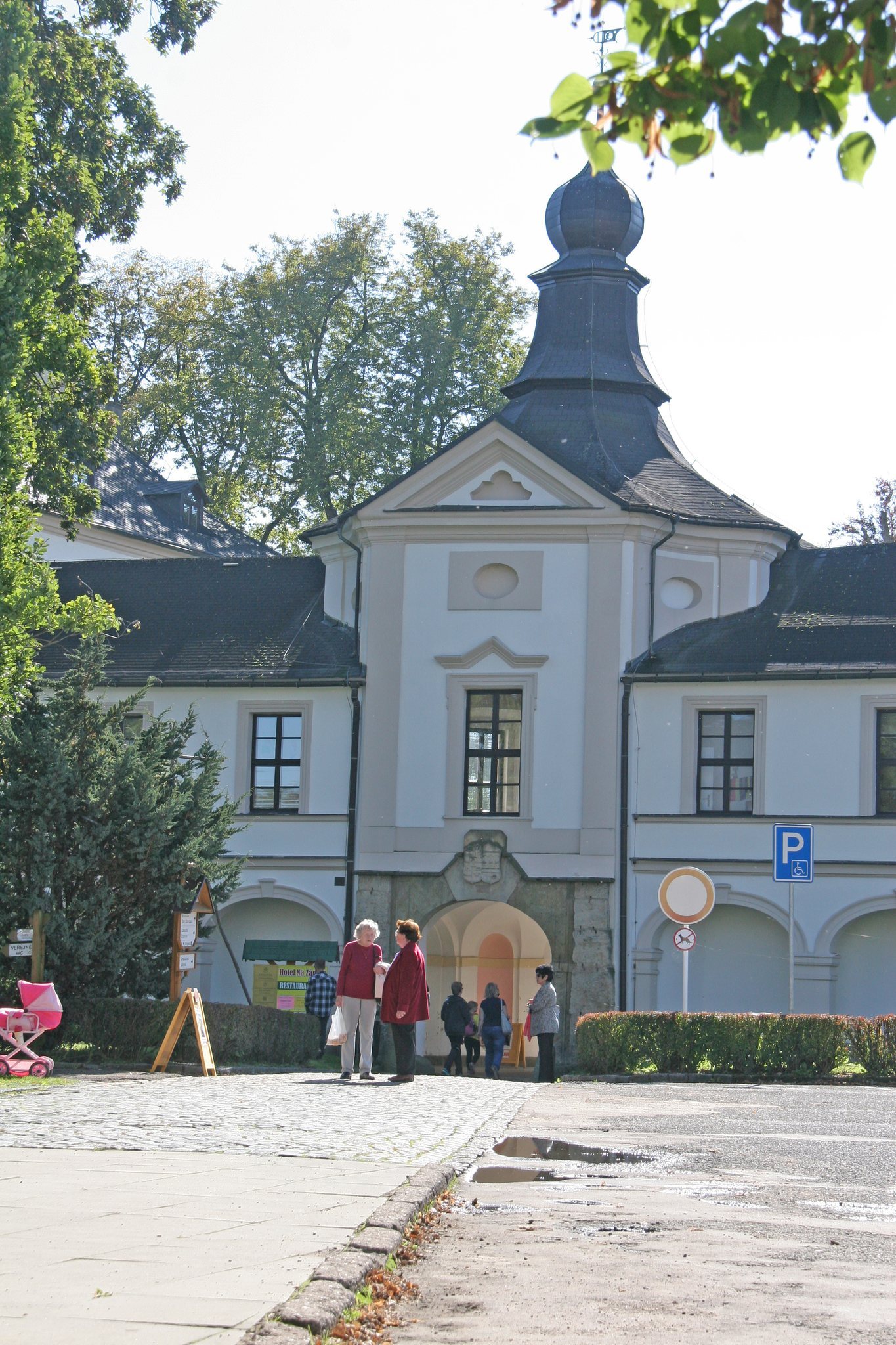
A simple wall with an entrance between the wings was demolished and replaced by a narrow, two-storey connecting wing. The northern part of the west wing, facing the square, was altered. After Karel Nimptsch acquired the castle, the southern connecting wing was demolished, while the northern connecting wing was rebuilt with ground-floor arcades and the main gate.
Saint Wenceslas Chapel
An adjoining single-nave chapel dedicated to Saint Wenceslas had elaborate stucco decoration by Giovanni Maderna. In 1726 it was converted into the Church of Saint Wenceslas.
Park and Later Alterations
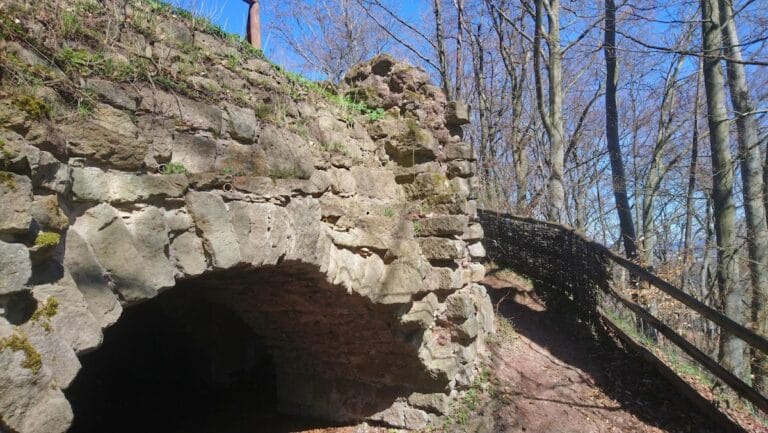
An English landscape park was created during the nineteenth-century alterations. It included an Empire-style pavilion, a small garden building influenced by restrained classical forms, together with a grotto containing a lookout and an orangery. The garden before the entrance was later redesigned under Karel Stubenberg-Nimptsch. The park also contains an aviary for exotic birds.
The Stubenbergs remodelled the interiors of the southern wing. In 1897–1898, the west wing was enlarged with servants’ quarters. From 1901 to 1905, the façade of the entire castle was remodelled in a Pseudo-Classical style, with new cornices and window pediments.
Exhibition Rooms and Objects
The permanent exhibition occupies three rooms and part of a corridor on the second floor of the east wing. Its displays include frames made by Dominik Umlauf for paintings by Jan and Hynek Umlauf, along with material concerning Alfons Mucha and Rudolf Faltus.
A functioning polyphon is also displayed. This mechanical musical instrument produces music from interchangeable metal plates and formerly stood, until the 1930s, in the U Forchů inn near the railway station.