Læsø Saltsyderi: A Reconstructed Medieval Salt-Boiling Works
Site at a Glance
- Popularity
- Medium
- Country
- Denmark
- Primary era
- Medieval
- Eras represented
- Medieval
- Civilizations
- Danish
- Site type
- Economic
- Remains
- Production Complex
On this page7 sections
History
Medieval salt production
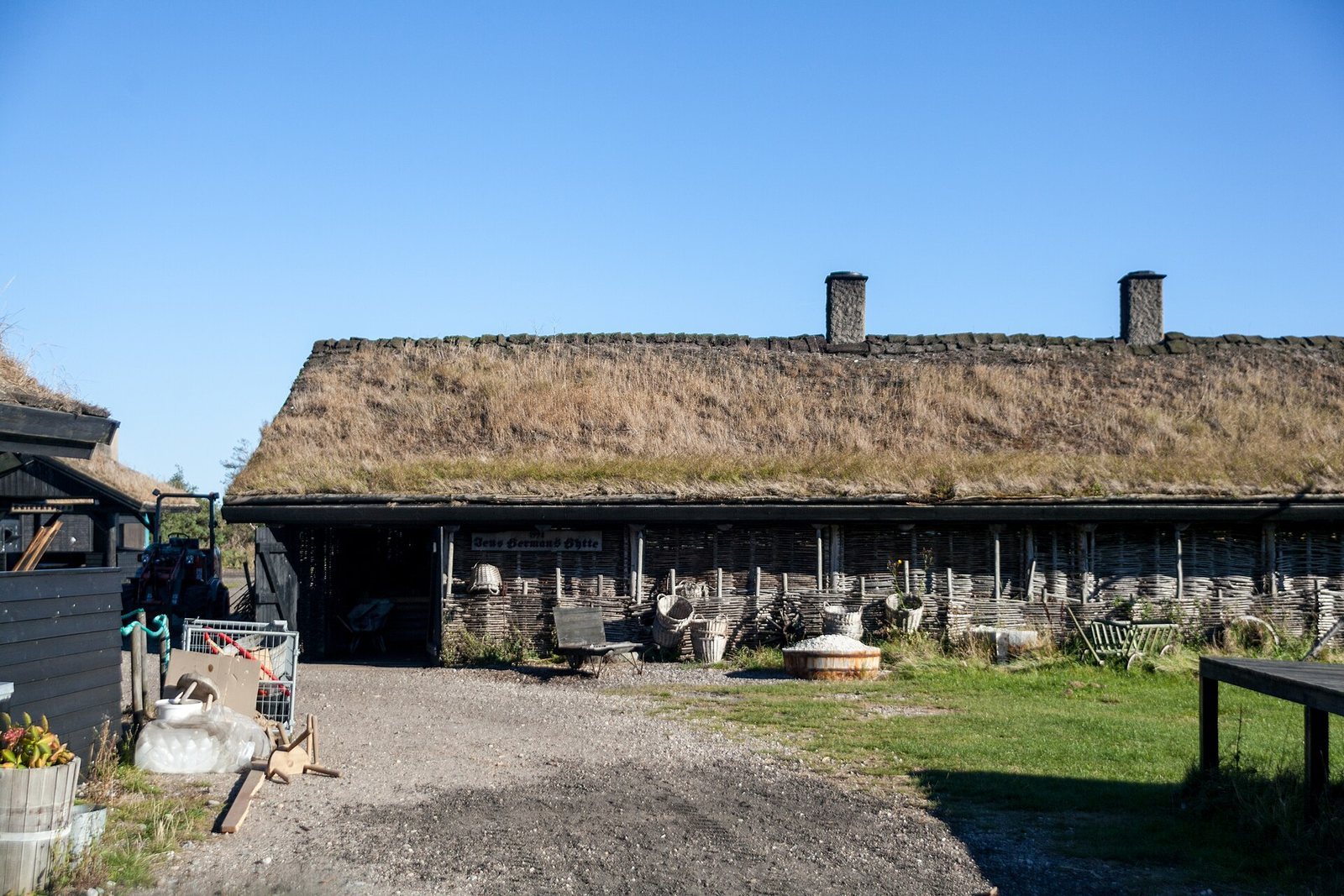
Læsø Saltsyderi is a salt-boiling works on the island of Læsø in Denmark, about two kilometres south of Byrum. Its reconstructed huts follow forms excavated from the late twelfth century, while the modern revival of salt production began in 1990.
Salt boiling had been practiced on Læsø for centuries and became a foundation of the island’s medieval economy. The earliest recorded mention dates to 1330, when Christopher II, a Danish king, demanded 168 tonnes of salt from the bishop of Børglum, a medieval diocese in northern Jutland. By 1481, the island supplied about 36 tonnes on each of three occasions during the year. Production had become systematic and efficient on a scale later described as industrialized.
Decline and revival
Traditional salt boiling continued on Læsø for about five centuries, but the industry consumed large quantities of wood. By the mid-seventeenth century, the island had been left almost entirely without forest, and salt boiling was prohibited by law. Extensive replanting began in the early twentieth century.
A revival began in 1990, when medieval archaeologist Jens Vellev established the Læsø Salt project. Archival research, including work in the Viborg regional archives, and excavations near Rønnerne guided the reconstruction of a medieval salt-boiling hut. Research continued until 2005 and helped clarify how the medieval process probably worked, including its demands for water and fuel.
Salt boiling now continues at the works as part of Læsø’s economy. The revived production serves as both a research project and a working salt business, producing up to 85 tonnes in a year.
Remains
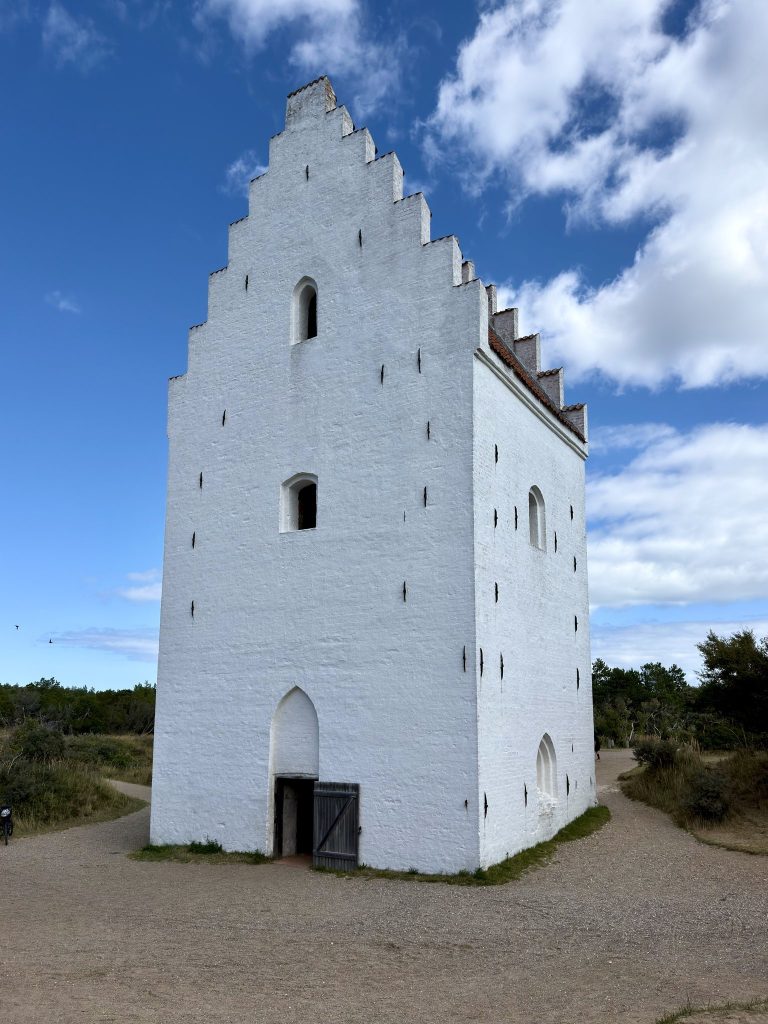
The works includes two reconstructed salt huts, one single hut and one double hut, as well as a lookout tower. Both huts reproduce forms excavated from the late twelfth century. The double hut is based on a structure excavated at Langerøn, in the Rønnerne nature area.
Salt water and production
The Rønnerne salt meadows
The works uses saline groundwater from the Rønnerne salt meadows, about four to five kilometres to the south. These flat meadows are flooded by seawater from the Kattegat, the sea between Denmark and Sweden, during winter. The water enters the upper sand but is held back at a depth of roughly one to two metres by Yoldia clay, a deposit that impedes its downward movement. When the seawater recedes in spring, water remaining in the exposed sand evaporates and gradually increases the groundwater’s salinity. It reaches about 12 to 16 percent, compared with roughly 3 percent in ordinary seawater.
Sea lavender and sea thrift also add salt to the soil. These plants take up salt water and release salt through glands on their stems, increasing the salt content of the ground beneath them.
Boiling and drying the salt
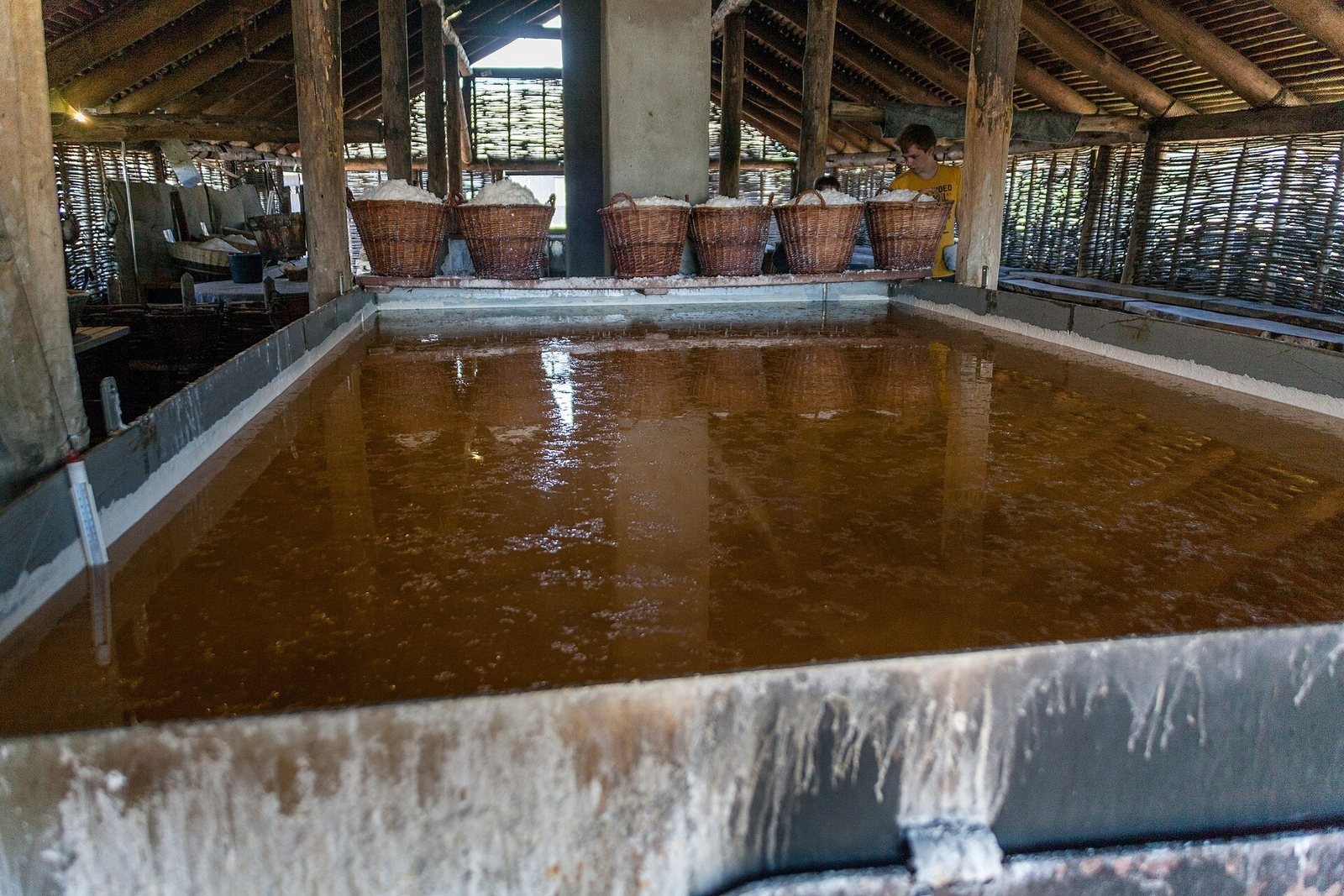
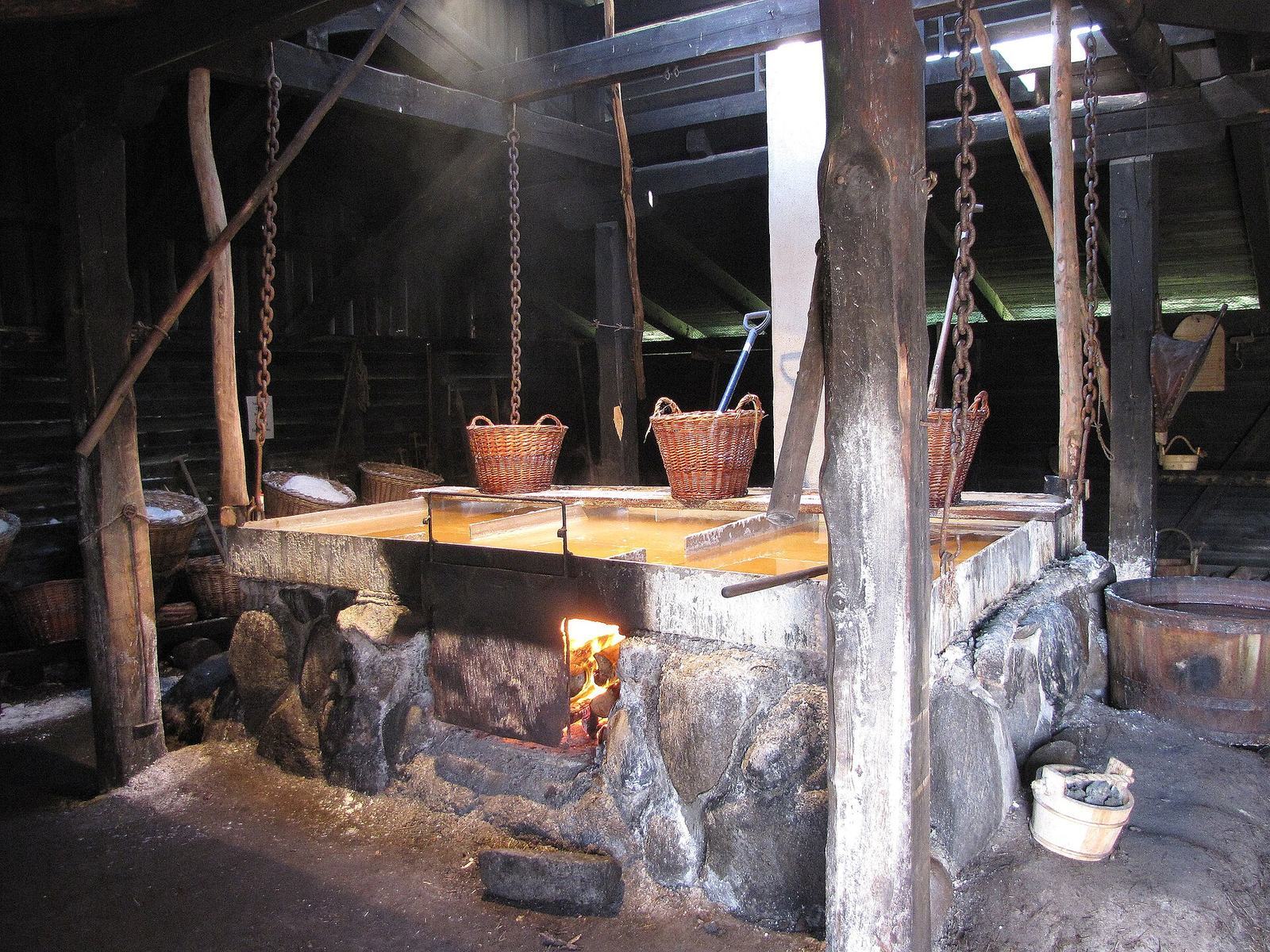
A traditional test used an egg to judge the water’s salt content. When it floated with about as much of its height above the surface as the thickness of a coin, the water was considered sufficiently salty, at roughly 12.5 percent. Workers collected it in barrels and carried it to a hut. At the works, they boil the concentrated water over wood fires in five pans, each about one by two metres and 15 centimetres deep, with a capacity of 300 litres. Their broad surface helps water evaporate as it is heated slowly and kept between 80 and 85 degrees Celsius. Salt crystals form as the water boils, and workers remove them while adding more water.
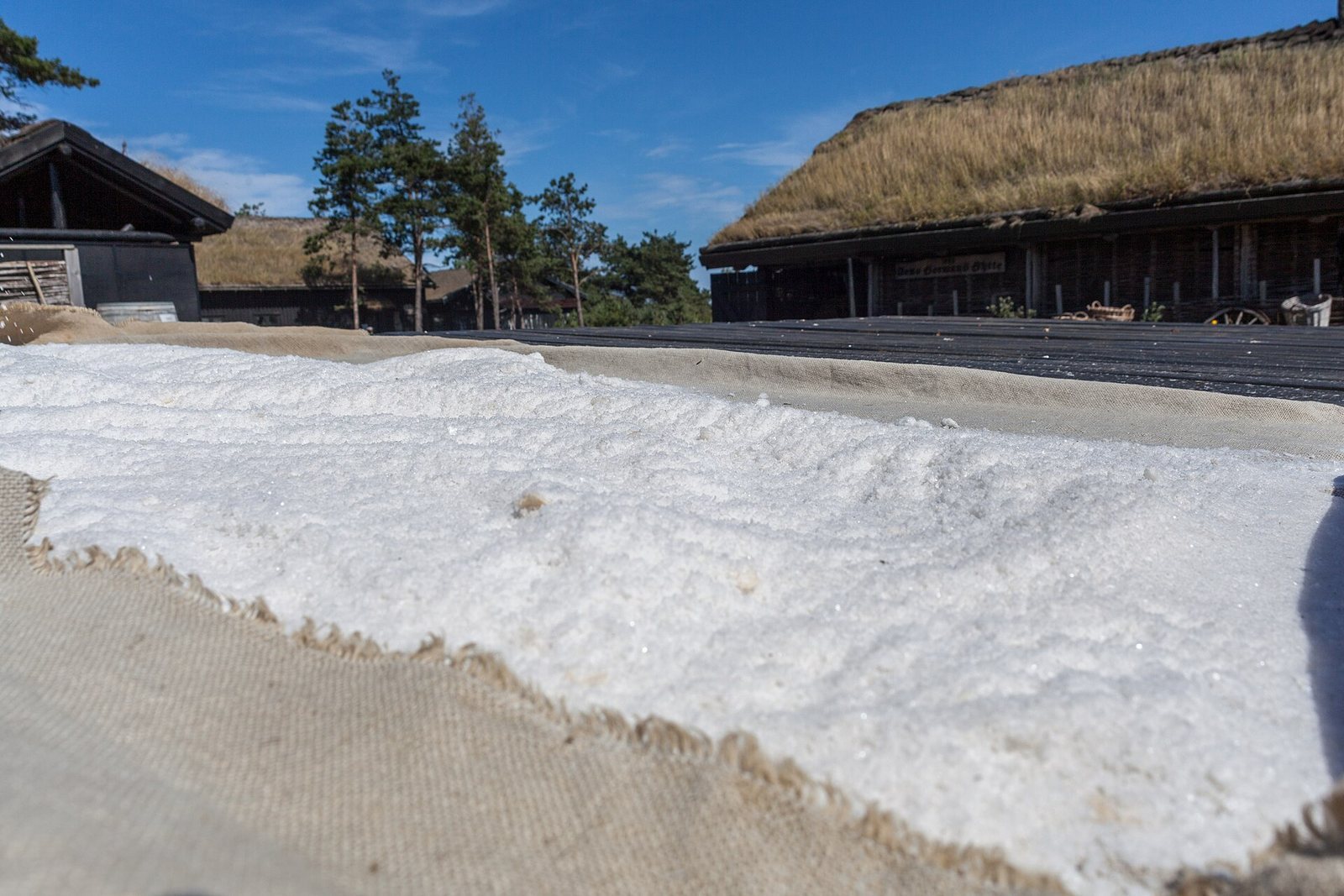
After about a day, the crystals sink to the bottom of the pans. They are raked out, drained in baskets for another day, then dried in a loft for a further day before being packed in cloth bags. The finished salt is about 92 percent sodium chloride by dry weight.
Bitter magnesium salts can crystallize if the water is heated too quickly or if evaporation concentrates them sufficiently. Iron minerals, including goethite, can also precipitate and turn the salt rusty brown. The pans are typically emptied and refilled about once a week, before these compounds form deposits.