Lade Mansion: A Historic Manor House in Norway
Site at a Glance
- Popularity
- Medium
- Country
- Norway
- Primary era
- Modern
- Eras represented
- Modern
- Civilizations
- Danish
- Site type
- Domestic
- Remains
- Manor House
On this page5 sections
History
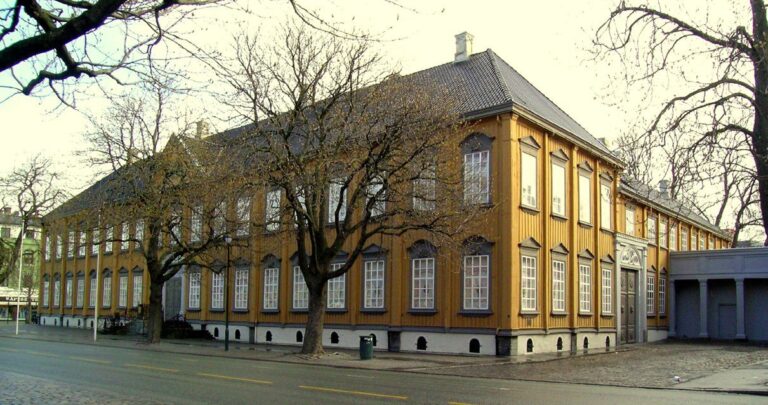
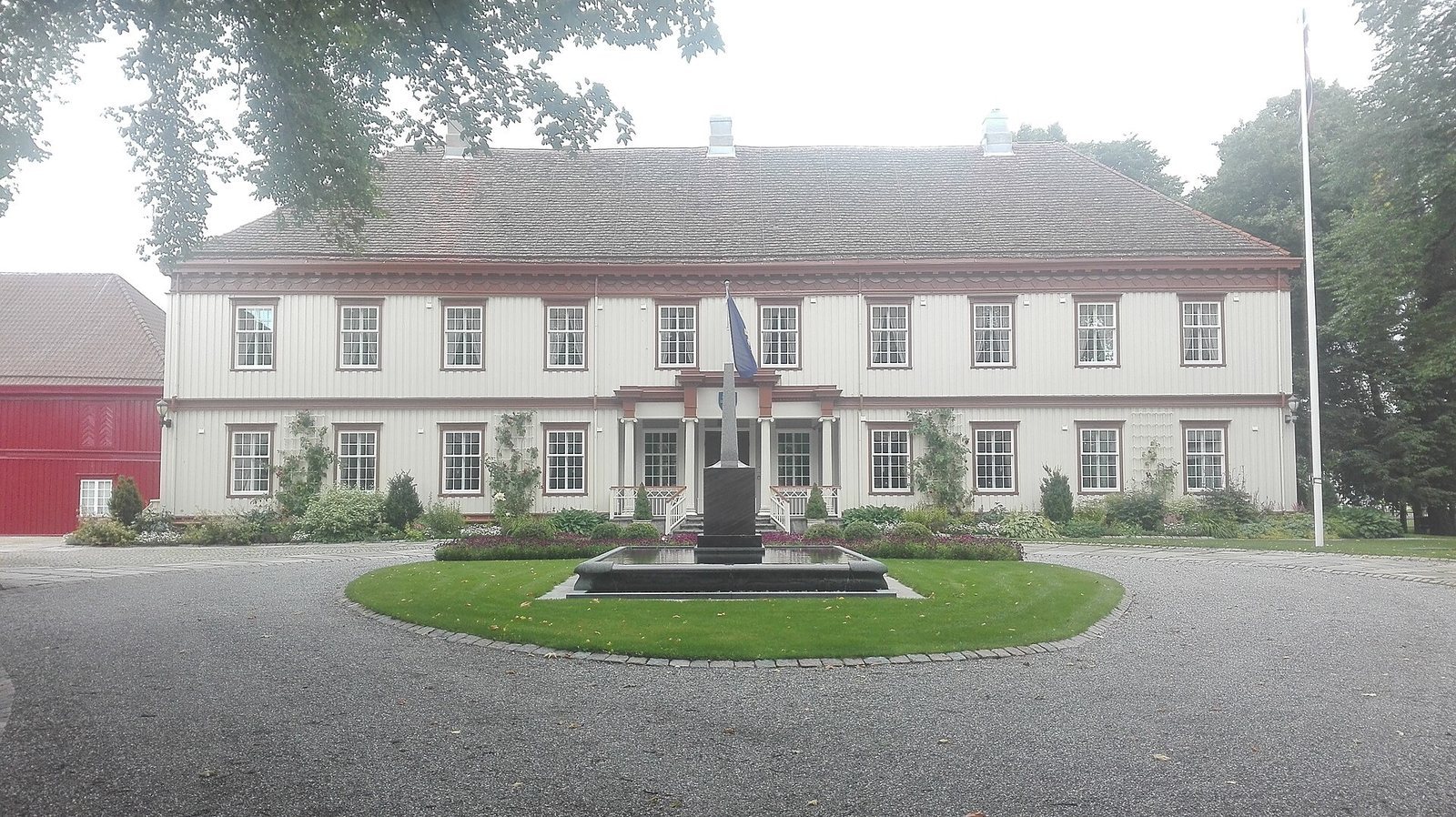
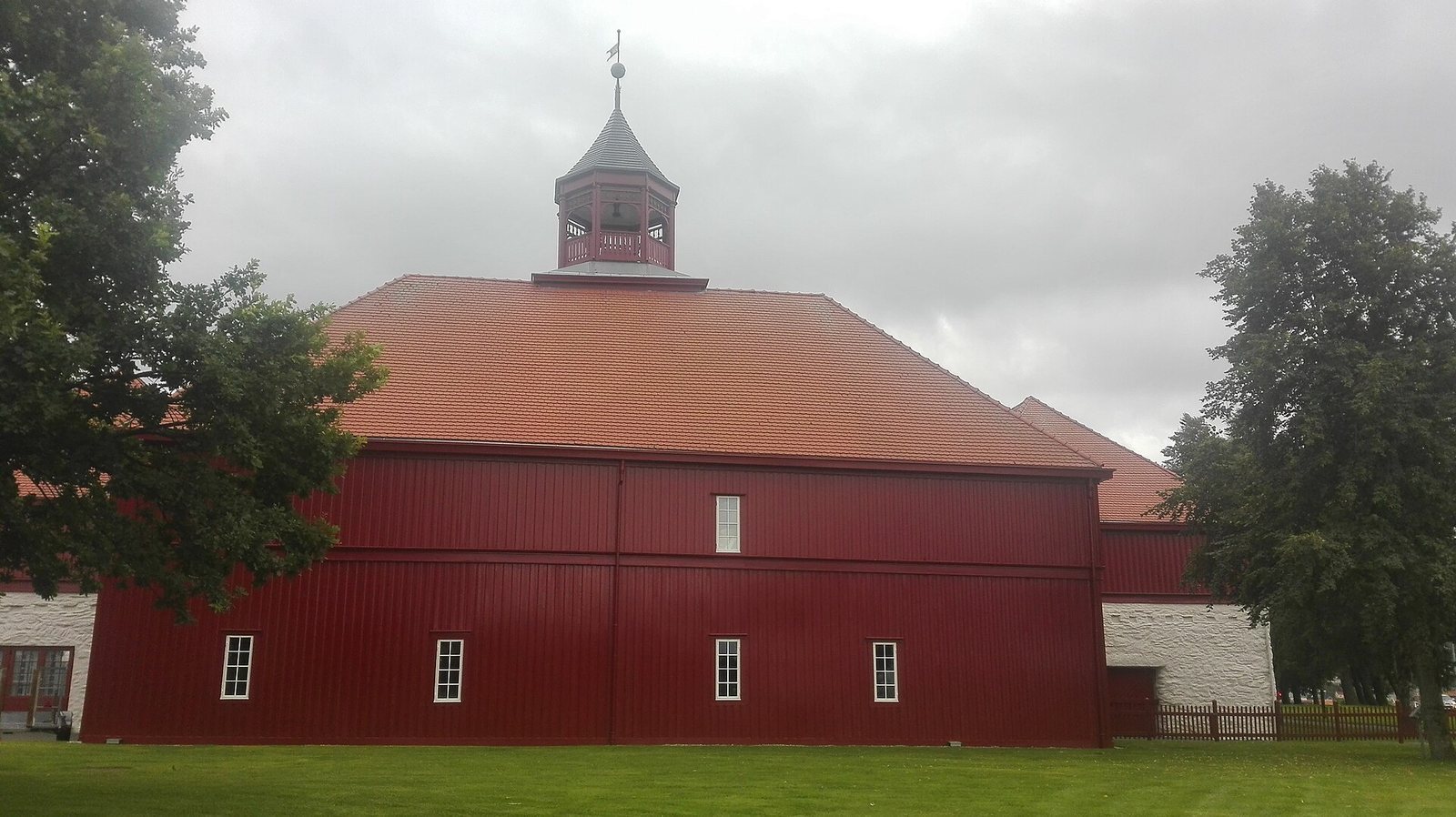
Lade Mansion is a manor house in the Lade community outside Trondheim, Norway. Its present buildings were constructed in 1810–1811 in the Empire style, an early nineteenth-century style of formal, classical design.
Seat of the Earls of Lade
From the ninth to the eleventh century, Lade was traditionally the seat of the Earls of Lade, powerful regional rulers of Trøndelag and Hålogaland. During the reign of Harald Fairhair, traditionally regarded as an early king of Norway, Lade also served as a royal residence.
Monastic and Crown ownership
After Christianity was introduced in Norway, Bakke Abbey, a medieval monastic institution, used the property. Following the Protestant Reformation, a religious movement that reshaped Christianity across Europe, it became Crown land, meaning property held by the monarch.
Manor and later institutions
Hilmar Meincke Krohg (1776–1851), then county governor, a senior regional official, of Romsdals Amt, a historical Norwegian county, directed construction of the present buildings in 1810–1811.
Trondheim purchased the property in 1917. It later housed the Norwegian College of General Sciences, a higher-education institution, and the Social Academy in Trondheim, which focused on social work. In 1992, the Reitan Group bought the property from the municipality and directed restoration of the buildings. The Group’s cultural and financial center now occupies the site.
Remains
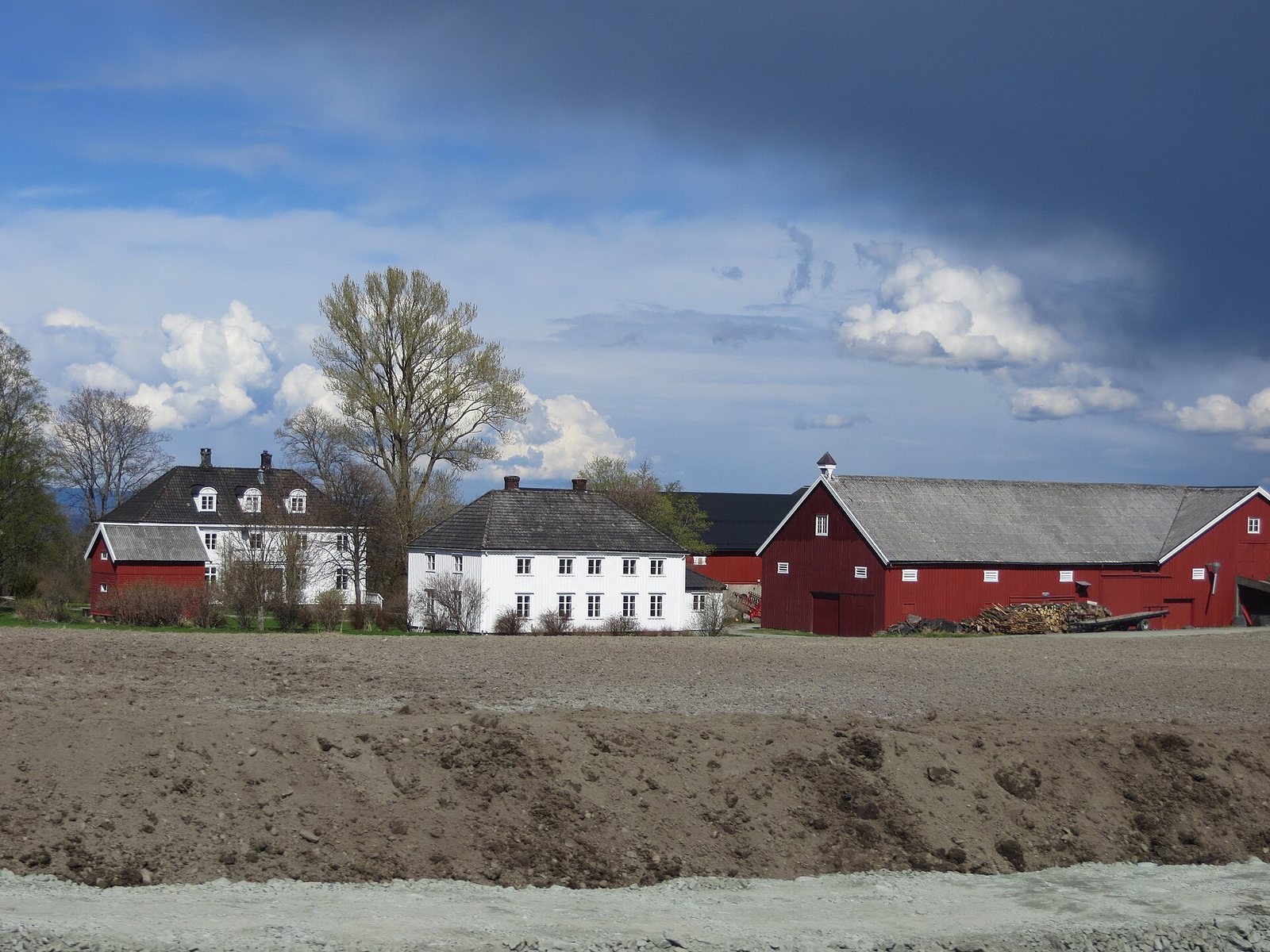
The surviving buildings form the manor-house core of the estate, which is associated with one of Norway’s historic farms.