Muri Castle: A Historic Estate in Muri bei Bern, Switzerland
Site at a Glance
- Popularity
- Medium
- Country
- Switzerland
- Primary era
- Modern
- Eras represented
- Early Modern, Modern
- Civilizations
- Swiss
- Site type
- Domestic
- Remains
- Castle
On this page9 sections
History
Early settlement and estate
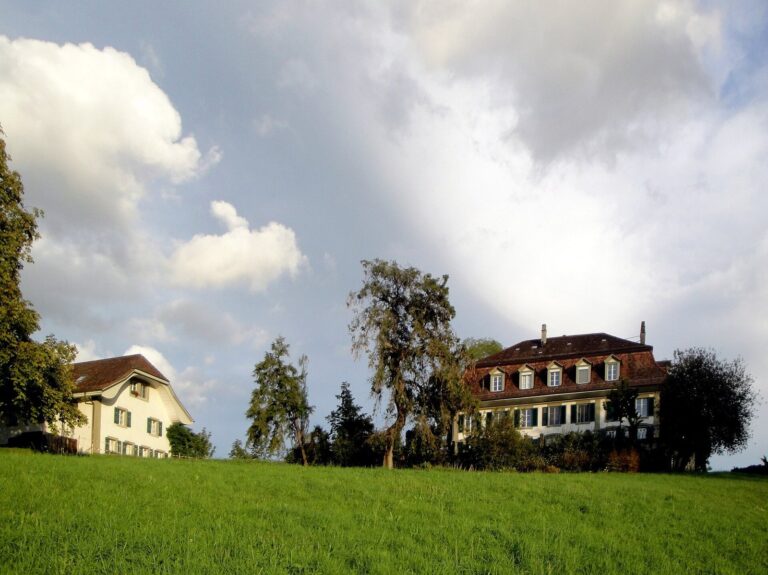
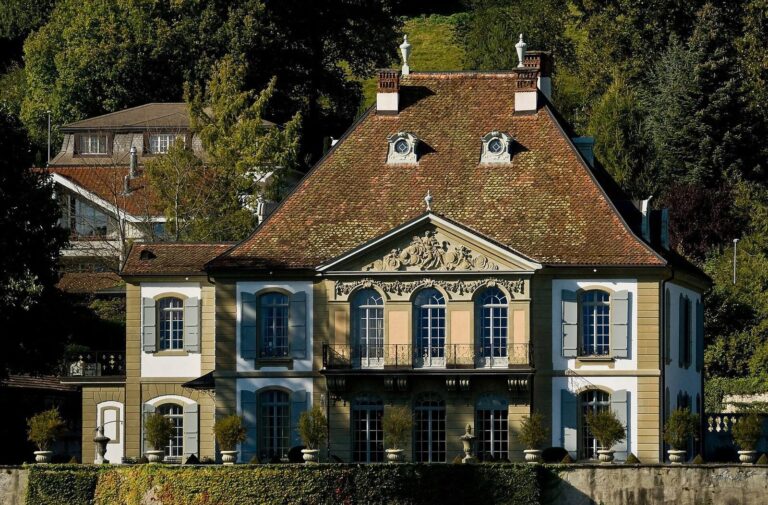
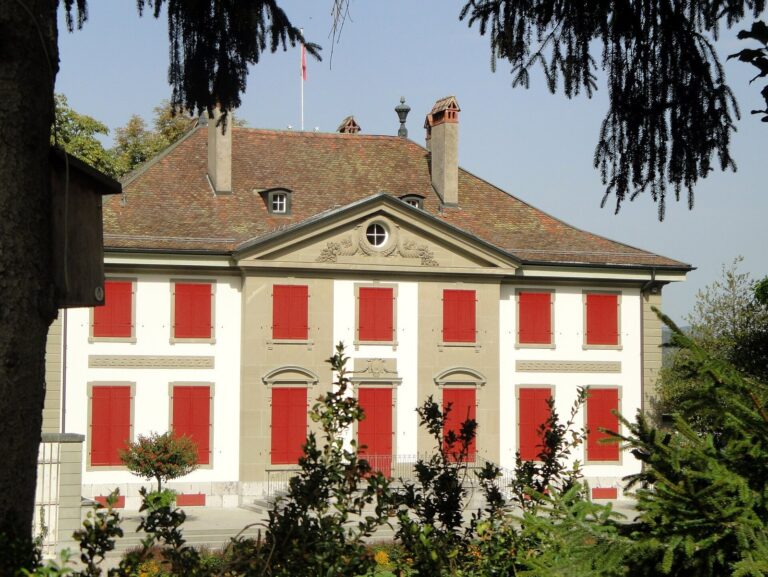
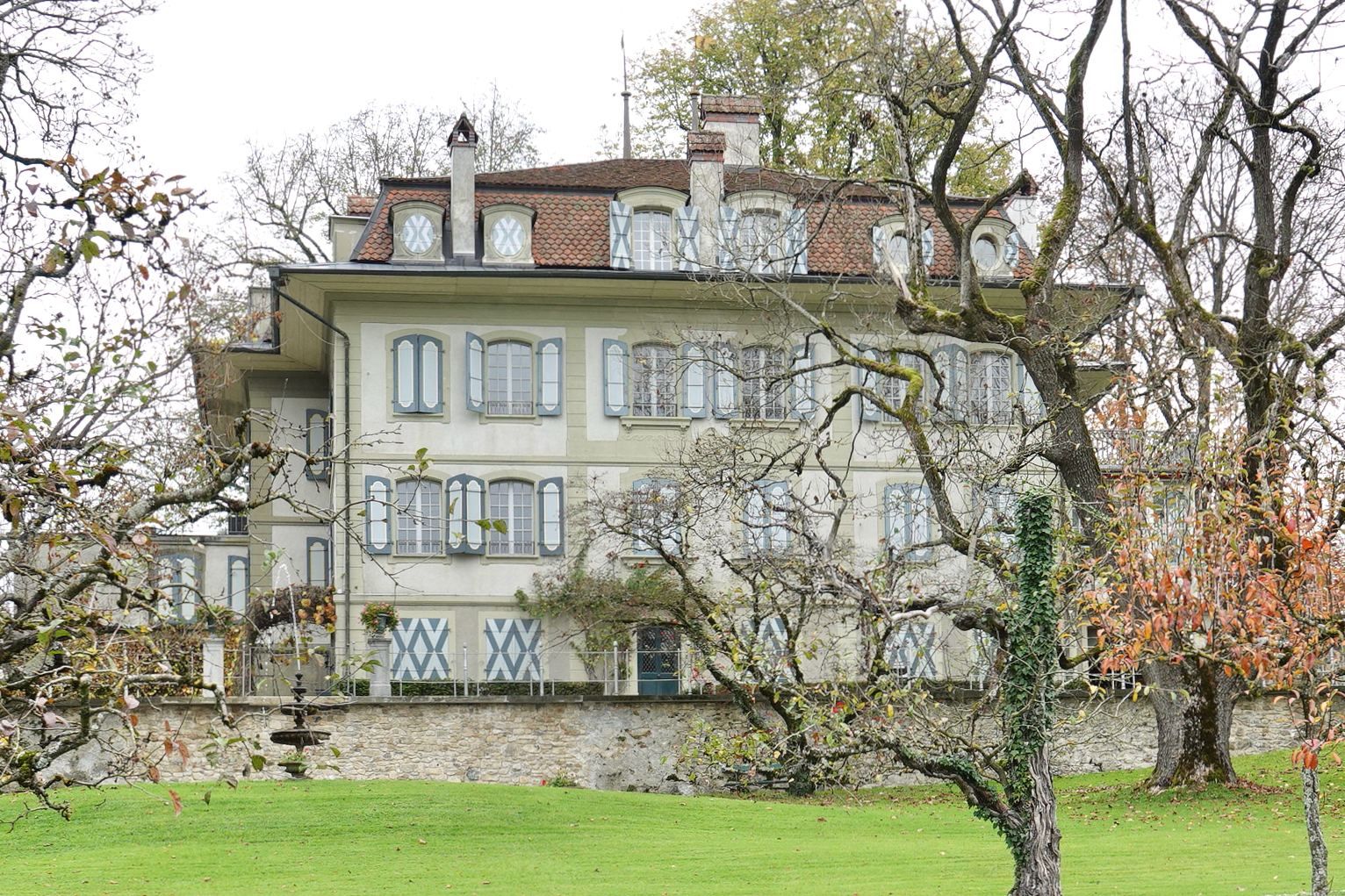
Muri Castle is a castle estate on Murihügel in Muri bei Bern, Switzerland, and may have originated in the 16th century. Finds made in 1832 point to settlement at the site during both the Celtic and Roman periods.
In the 12th century, the estate known as villa Mure belonged to the lordship of Geristein, a territory governed by a lord. It later passed to Interlaken Monastery, an Augustinian religious house, in the 13th century, and to Thorberg Charterhouse, a monastery of the secluded Catholic Carthusian order, in the 15th century. Following the monastery’s dissolution in 1528, the estate came under the city and Republic of Bern.
Castle formation and the von Diesbachs
The castle may have been established in the 16th century on the site of an earlier manor house. In the mid-17th century, Johann Rudolf von Diesbach either built it or remodeled an existing structure. From 1650, he acquired substantial land. He had served as a colonel in the Swiss Guards, military units serving the French crown, and later governed Lenzburg.
Eighteenth-century ownership and exile
Albrecht von Mülinen acquired the castle in 1695, and it remained in his family until 1758. Financial difficulties prompted its sale to Abraham Heggi, who began rebuilding the main tower that year. Heggi’s successors made further major alterations, eventually exceeding their financial means.
During the French Revolution, the political upheaval that began in France in 1789, the Count of Artois lived in exile at the castle. He later became King Charles X of France.
Nineteenth- and twentieth-century owners
Physician Samuel Lehmann bought the castle in 1825 and sold it in 1849 to banker Ludwig Emanuel von Wagner. Von Wagner enlarged and rebuilt it between 1851 and 1854. In 1892, the estate passed to Louise Fanny von Ernst and the six children of von Wagner’s deceased second daughter. Louise Fanny bought out the other heirs and became sole owner. She later left the castle to her son, Armand Heinrich Friedrich von Ernst, and her daughter, Louise Katharina Henriette. Her daughter subsequently transferred her share to her brother.
Alfred Alexander Ludwig Armand von Ernst inherited the castle from his father in 1938. Before leaving it to his daughter, Catherine Stankiewicz-von Ernst, in 1980, he undertook extensive renovations. The castle remains privately owned.
Remains
Castle and estate buildings
Main building and outbuilding
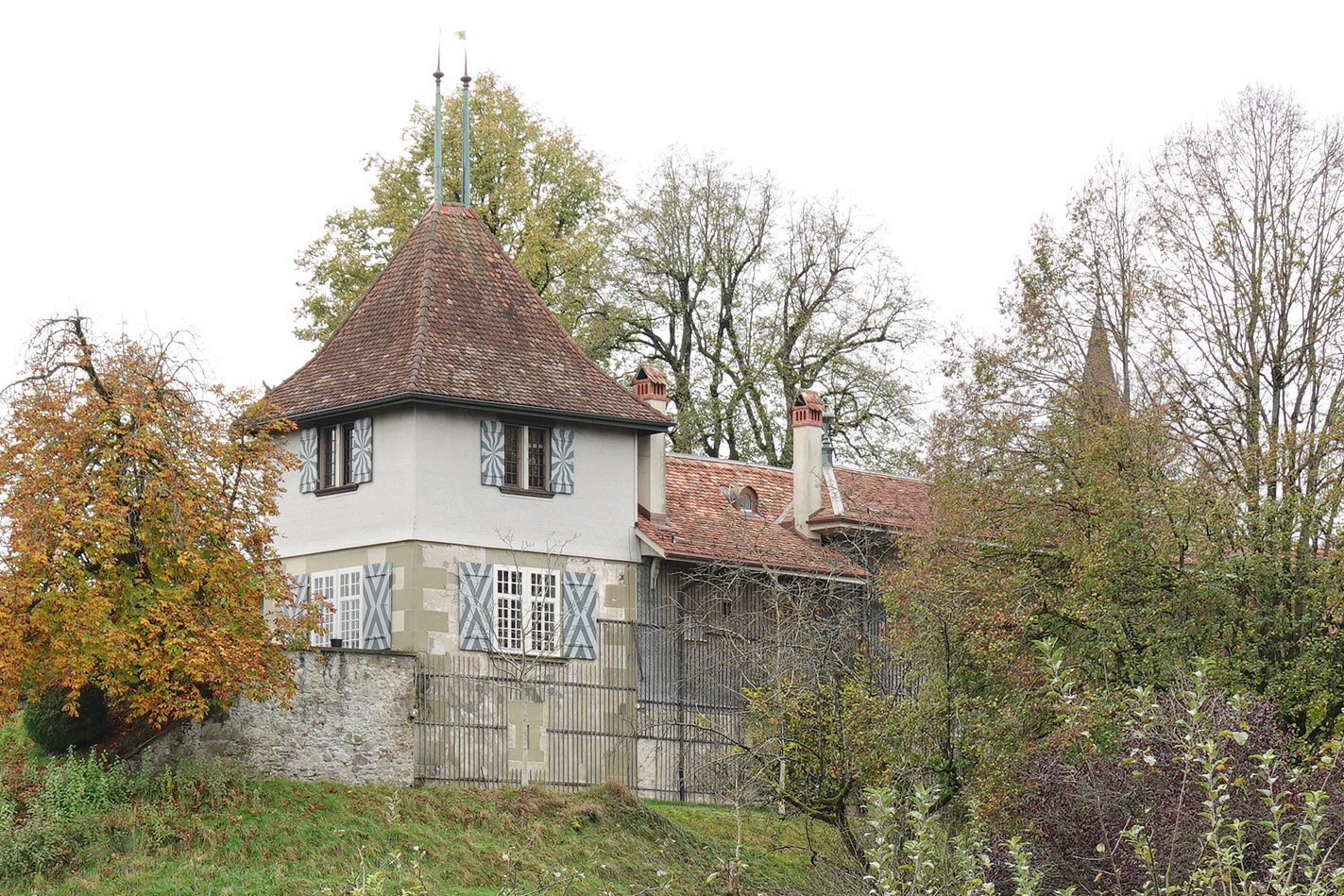
The earliest known image of the castle is a 1670 watercolor by Bernese painter Albrecht Kauw. It depicts a compact main building with a pointed stair tower. Beside it stands a long outbuilding, with a small tower on its roof ridge and a larger tower at one end.
Orangery and castle barn
The estate also included an orangery, a building used to shelter citrus trees and other plants in cold weather, and a castle barn. Both buildings were altered before 1980.