La Prée Abbey: A Cistercian Monastery in Berry
Site at a Glance
- Popularity
- Medium
- Country
- France
- Primary era
- Medieval
- Eras represented
- Medieval
- Civilizations
- French
- Site type
- Religious
- Remains
- Fortified Monastery
On this page13 sections
History
Foundation and growth
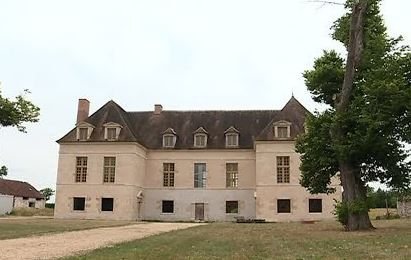
La Prée Abbey is a former Cistercian monastery in Berry, France, founded in 1141 by Raoul, a companion of Bernard of Clairvaux. The Cistercians were a Catholic monastic order that developed within the Benedictine tradition, and La Prée was among the earliest foundations associated with Bernard. Monks arrived in 1128, and Bernard consecrated the abbey church in 1141. The community was a daughter house of Clairvaux, meaning a monastery founded by or dependent on a mother abbey, and dedicated its church to the Virgin Mary as Our Lady of La Prée.
Donations during the twelfth and thirteenth centuries helped the abbey prosper and contribute to rural development. Its holdings included 22 estates and three mills, alongside resources from nearby woods and quarries. The priory of Boidabert, a monastic house led by a prior, was later attached to La Prée. The abbey became a royal abbey in the thirteenth century. Figures associated with its monastic history included Blessed Habraham, Cardinal de Prie, a senior Catholic prelate, and the Abbot of Bessey.
Conflict, decline, and private ownership
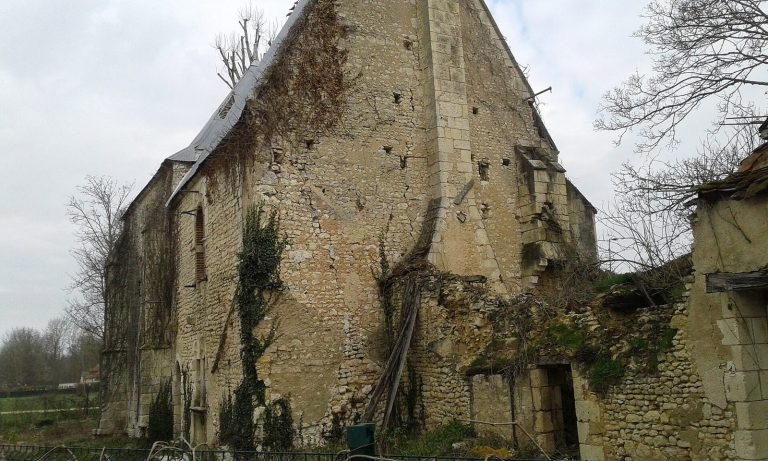
La Prée was plundered during the Hundred Years’ War and later came under commendatory control. Under this system, an abbot who did not necessarily live with the monks could hold the abbey’s administration or revenues. The buildings were fortified in the fifteenth century, and the abbey also took part in local events during France’s Wars of Religion. A fire partly destroyed the west wing in the seventeenth century.
Monastic life ended during the French Revolution. The property was sold in 1791 as national property, meaning land taken into state ownership during the Revolution and sold by the state. The abbey church was demolished in 1818. From the late eighteenth century to the mid-twentieth, the estate passed among the Cagniart, Tourangin, and Desprunaux families, then to Maurice de Vauzelles. After his death, his daughter and son-in-law, General de Bellefon, owned it. George Sand, the pen name of a nineteenth-century French novelist, referred to La Prée in extensive correspondence with Eliza Tourangin, a member of the owning family.
Charitable and cultural uses
In the early 1950s, the charitable association Petits Frères des Pauvres gave a diamond ring to an elderly couple it called the Prince and Princess d’Achy for their sixtieth wedding anniversary. At the Princess’s request, she was buried with the ring. The controversy over the gift helped prompt General de Bellefon and his wife to donate La Prée to the association in 1954, following the urging of Catholic writer Gilbert Cesbron.
Founded in 1946 by Armand Marquiset, Petits Frères des Pauvres worked with people experiencing poverty or isolation, particularly older people. Marquiset’s ideal, expressed as “give flowers before bread,” informed initiatives such as holidays for older people in attractive, well-appointed surroundings. La Prée began serving as a holiday venue in 1955 and also became part of the association’s wider work with older people.
At Michel Christolhomme’s initiative, Petits Frères des Pauvres and Pour Que l’Esprit Vive developed La Prée as a social, artistic, and cultural meeting place around 1990. Pour Que l’Esprit Vive opened an artists’ residence there in 1991, with seven places for people working in literature, music, painting, sculpture, engraving, photography, and film. Since 2002, the residence has been under the patronage of the Académie des Beaux-Arts, part of the Institut de France. Some abbey buildings were listed as historic monuments in 1966, and restoration work has taken place since the 1990s with public assistance and private donations.
Remains
Estate and landscape
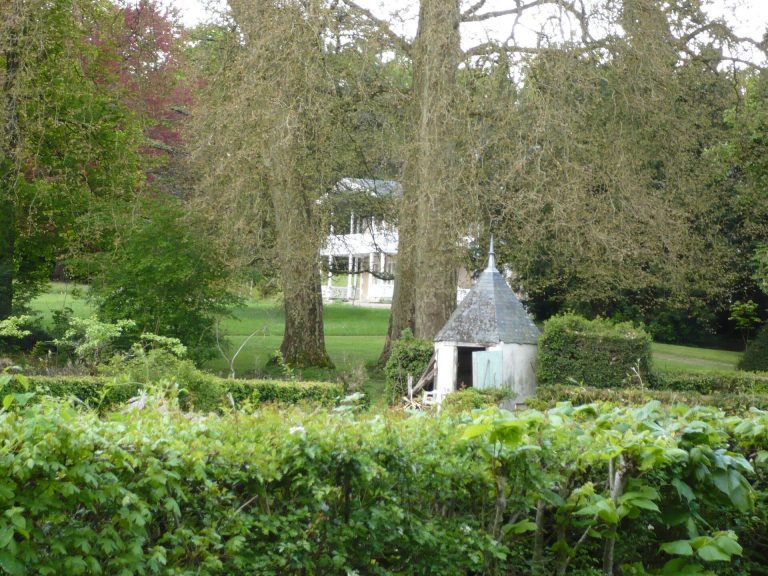
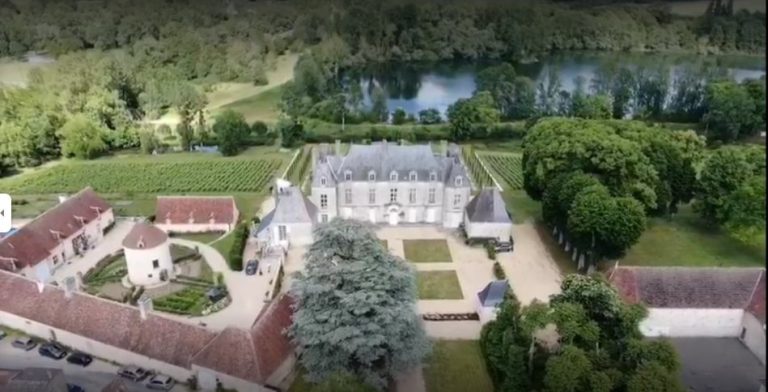
The approximately 40-hectare estate lies beside the Arnon River among fields and woods, at a remove from other habitation. A walled English landscape park surrounds the buildings; a large meadow borders the river, and a small wood, the Bois de Bataille, forms another part of the grounds. Water, woodland, and cultivable land shaped the setting chosen for monastic life. The name La Prée is traced to Latin forms used for places with extensive hay meadows and pasture.
Cloister and monastic buildings
Western cloister and mill
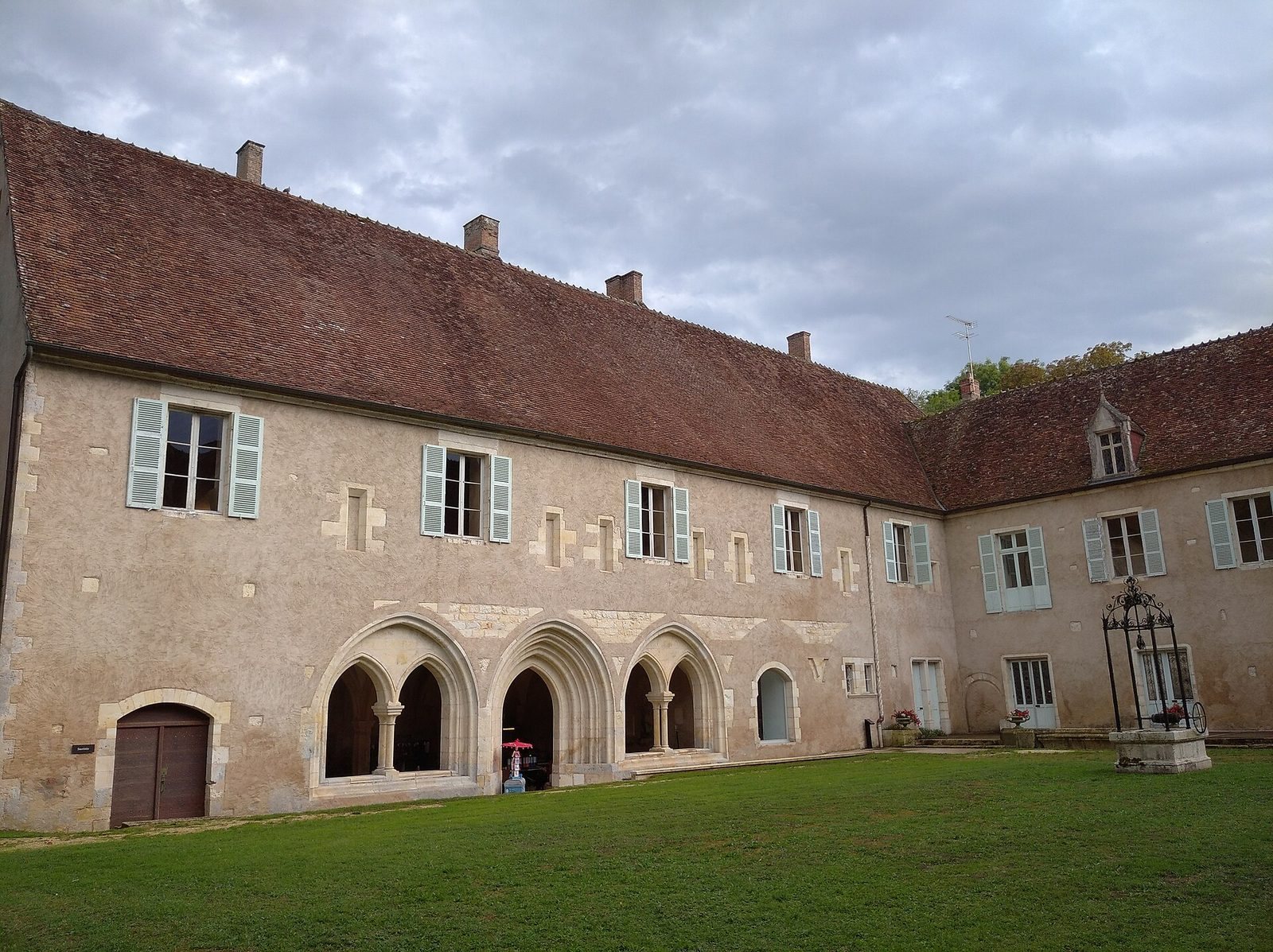
Despite repeated alterations and additions, the original Cistercian arrangement remains recognizable. Parts of the cloister, a covered walkway around a monastery courtyard, survive, including its western side. The west cloister wing is incorporated into the former abbey mill building, where four arched openings sit beneath a larger arch. The mill building now accommodates older people in about 20 individual rooms.
Chapter house
The chapter house, where the monastic community met for readings and business, dates to the twelfth century. Two octagonal pillars remain within it.
East wing
The east wing contains the sacristy, a room for storing objects used in worship, and an upper-floor dormitory, the monks’ sleeping quarters.
Abbot’s house and south wing
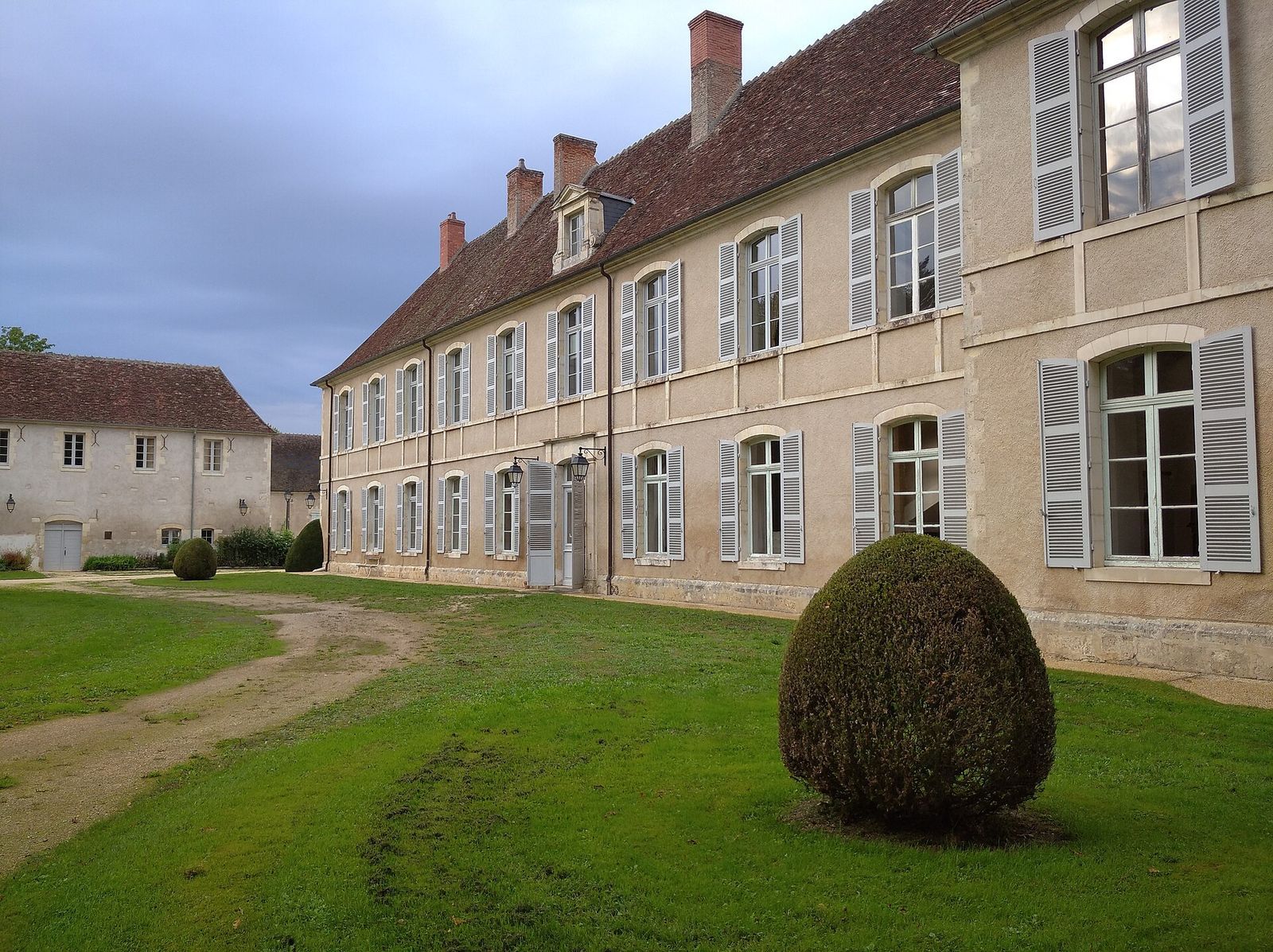
The abbot’s house forms the southern end of the cloister. The south wing contains the White Salon and a reception room, as well as a staircase and the abbot’s apartment.
Towers and burial niche
Two round corner towers survive in line with the other buildings. The complex also contains a recessed burial niche associated with Gaucher de Passac.
Marquiset memorial
A room inside the former abbey building is dedicated to Armand Marquiset’s memory. It contains paintings, photographs, and documents deposited by Michel Christolhomme.