La Molière: The Surviving Tower of a Medieval Castle in Switzerland



Site at a Glance
- Rating
- 4.7
- Popularity
- Very Low
- Country
- Switzerland
- Primary era
- Medieval
- External website
- Open
- Eras represented
- Medieval
- Civilizations
- Duchy of Savoy
- Site type
- Military
- Remains
- Castle
On this page6 sections
History
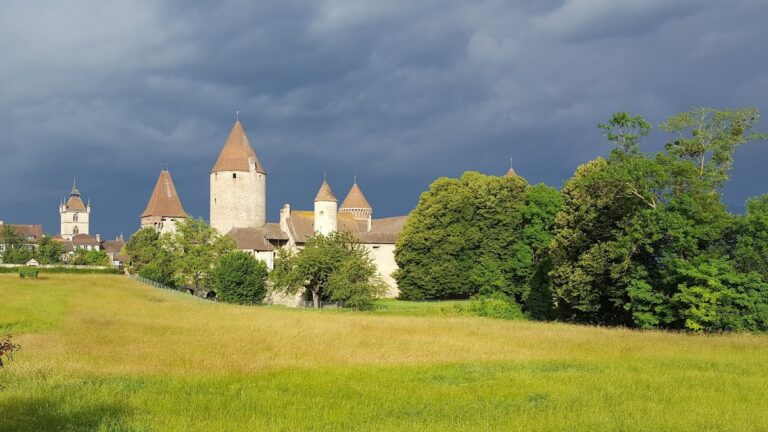
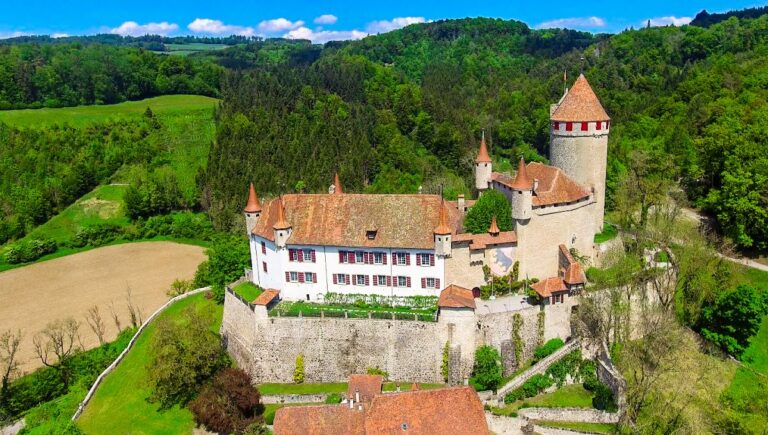
La Molière is the surviving tower of a medieval castle and settlement near Murist in Switzerland. The castle and settlement were established on a hill from the end of the twelfth century. A transaction recorded in 1301 took place at La Molière, while a document from 1314 confirms the castle’s existence. By 1317, the site included houses, gates, a drawbridge, and enclosing walls.
The Molière Lordship
The castle was the seat of the Molière family of Font. Bernese and Fribourg forces seized it in 1475 during the Burgundian War, a late-fifteenth-century conflict between the Swiss Confederates and their allies and Duke Charles the Bold of Burgundy and his territories.
After the seizure, the castle passed to the House of Savoy, a medieval ruling dynasty with territories in the western Alps and nearby regions. It was later ceded to the counts of Gruyère, the noble rulers of the Gruyère lordship in western Switzerland. In 1513, the lordship belonged to the counts, who were compelled to sell it because of their debts. Jacques de Pesmes then became its lord.
Fribourg Administration and Later Change
During Fribourg’s conquest of Vaud in 1536, the state of Fribourg bought the castle from François de Montmayeur. After acquiring the other parts of the lordship, Fribourg united La Molière with Font and Vuissens in a bailiwick, an administrative territory governed by a bailiff. The bailiff resided at Vuissens.
In 1580, the chancellor Guillaume Techtermann prepared a plan and sketch of the site. They show the entire open area above the rock enclosed by a fortified rampart, whose foundations remain visible. During the nineteenth century, the state of Fribourg authorized the inhabitants of Murist to dismantle the smaller of the two surviving towers. La Molière was then used as a quarry, with stone taken for the village rectory and several houses. An association founded in 2009 promotes and conserves the site. La Molière is listed as a class A Swiss cultural property of national significance.
Remains
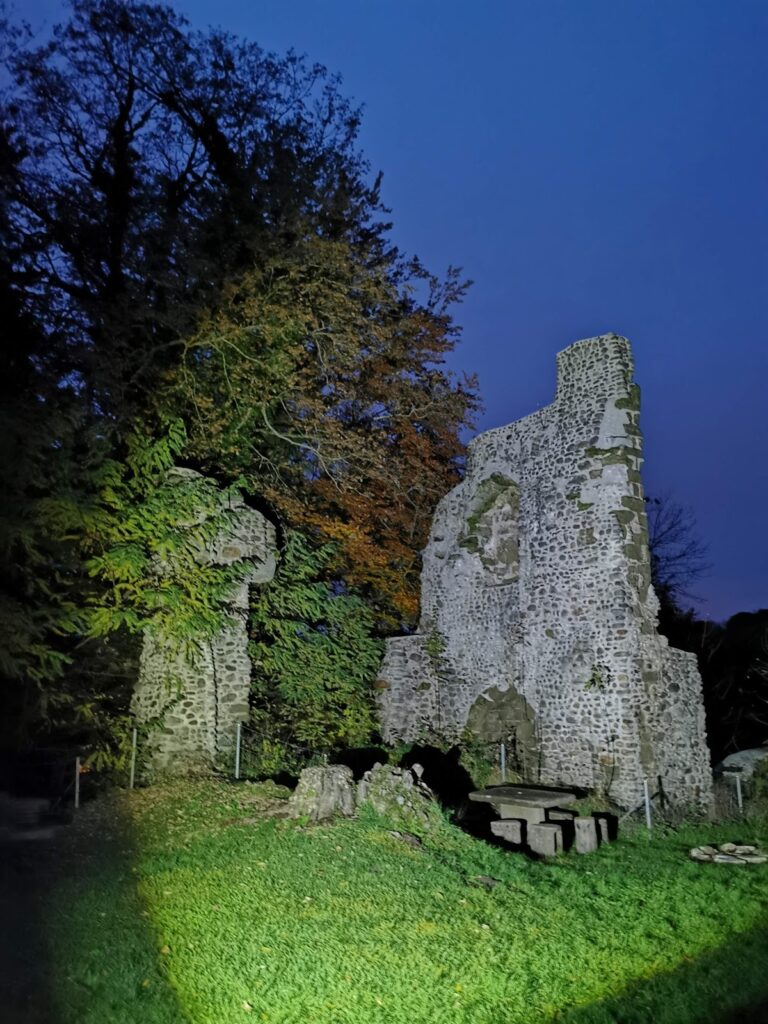
La Molière survives as a stone square tower above the rock, together with visible rampart foundations and slight ground undulations marking the former medieval settlement. The castle and settlement once occupied an enclosed esplanade, an open and relatively level area, protected by a rampart, or fortified defensive bank or wall.
Surviving Tower
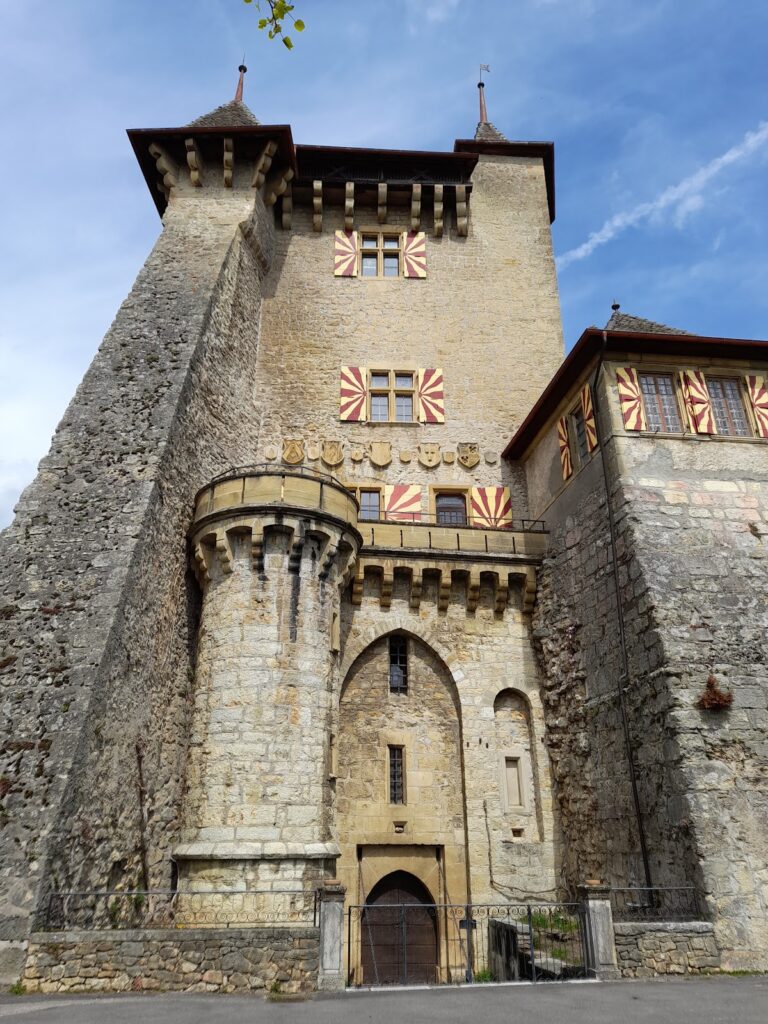
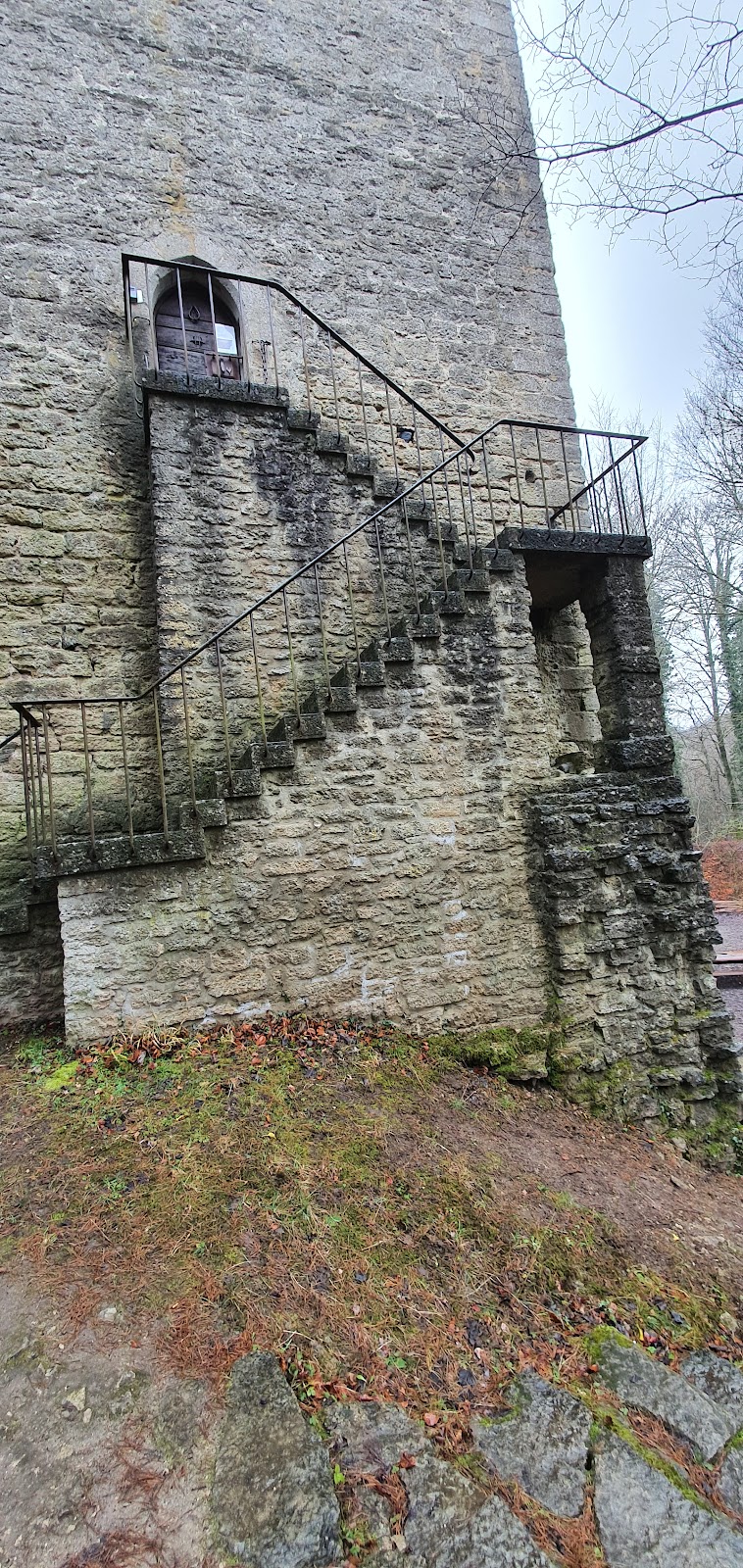
Built around 1300, the tower has a square plan, measures approximately 9 metres across, and rises about 25 to 30 metres. Its stone construction contains three interior levels. An observation platform stands approximately 19.5 metres above the ground and is reached by 96 steps. The tower is the principal standing remnant of the former castle and serves as a publicly accessible lookout tower.
Settlement and Defences
The former castle included houses, gates, a drawbridge, enclosing walls, and two towers. The smaller tower was dismantled in the nineteenth century. The settlement’s remaining traces appear as slight undulations in the ground, while the foundations of the enclosing rampart can still be seen above the rock.