La Cabane de César: A Prehistoric Dolmen in Felletin, France
Site at a Glance
- Popularity
- Very Low
- Country
- France
- Primary era
- Stone Age
- Eras represented
- Stone Age
- Civilizations
- Unclassified
- Site type
- Burial
- Remains
- Tomb
On this page8 sections
History
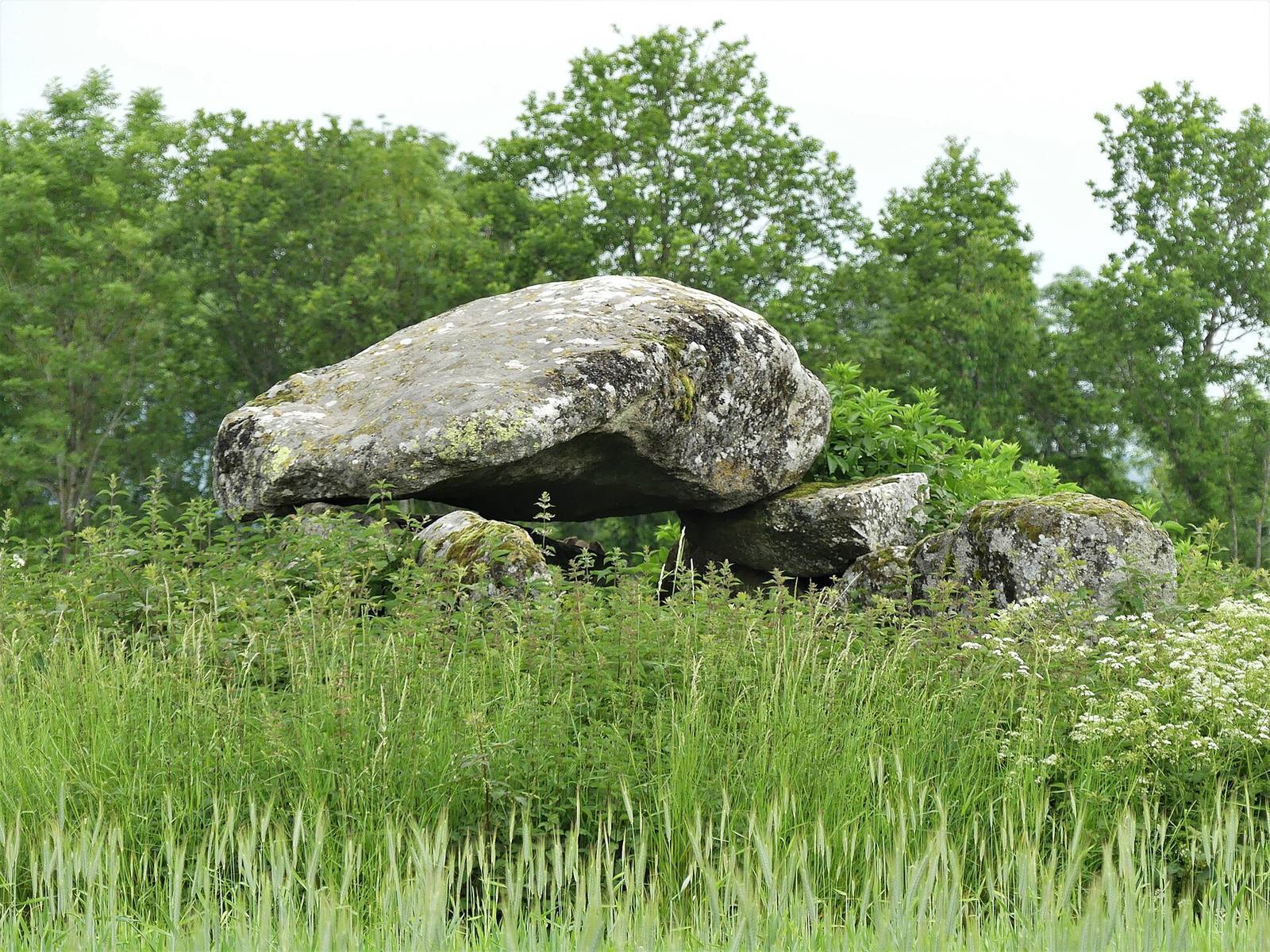
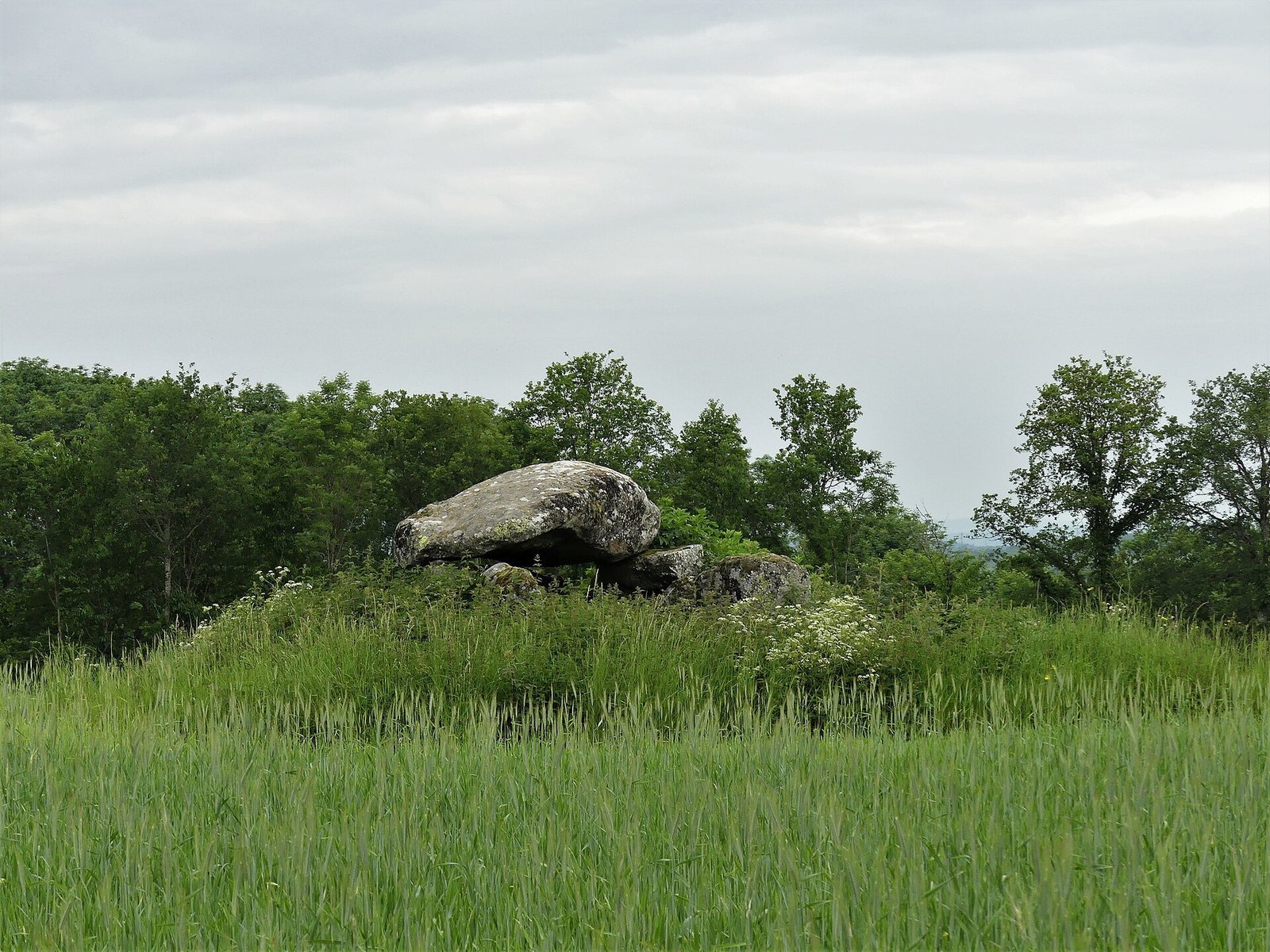
La Cabane de César is a prehistoric dolmen, a megalithic tomb, at Felletin in Creuse, France. Charcoal beneath its supports was dated to the Final Neolithic, the later part of the Neolithic period.
Historical names
Seventeenth- and eighteenth-century records refer to the monument as Pierre-soupèse, while local farmers called it Cabane des Fées, or “Fairies’ Hut.” In 1771, Michel-Étienne Le Peletier de Saint-Fargeau, an eighteenth-century French magistrate and political figure exiled in Felletin, may have given the dolmen its current name by confusing it with a nearby cave also called Cabane de César.
Recognition and investigation
France listed the dolmen as a historic monument in 1966. From 1987 to 1989, the Limousin prehistoric antiquities service excavated and restored it under the direction of R. Nicoux.
Remains
The tomb is formed from granite slabs set into bedrock of schist, which was excavated before construction. Its burial chamber lies beneath a surviving roof slab, and the structure once extended beyond the present entrance.
Architectural layout
Stone supports and roof
Six upright stones make up the frame: three stand to the north, two to the south, and one to the west. They measure from 0.63 to 1.45 m long and from 0.92 to 1.28 m high. Flat stones 0.30 m thick cap the smaller uprights. The dolmen originally had two large roof slabs, but only one is now visible. It is 3.25 m long, measuring 2 m across at its southern end and 1.15 m at its northern end, and rests on four supports.
Chamber and entrance
The burial chamber measures 2.10 m in length and 1.35 m in height. Four stones lean against its inner walls, two on each side, forming seats 0.30 m high. This arrangement may stem from an imaginative restoration by Le Peletier de Saint-Fargeau. The chamber continued beyond the current entrance into a feature that may have been a vestibule or portico.
Finds and proposed type
Finds from the site include a barbed arrowhead with a tang, flint flakes, and pottery fragments. Its architectural classification is debated. An excavation report proposes an Angevin type, while French prehistorian Roger Joussaume regards it as a passage dolmen, with a passage leading to the burial chamber, and compares it more closely with the Angoumois type. Angevin and Angoumois are regional labels for proposed dolmen types.