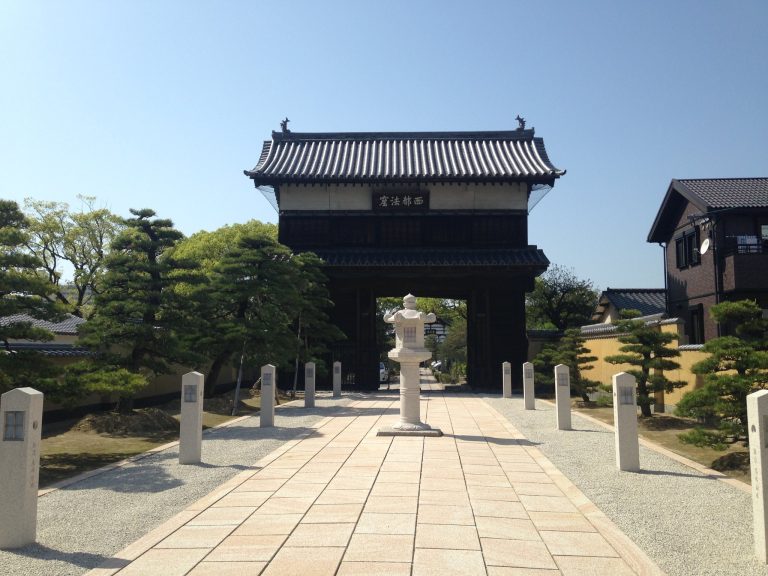
Kushida Shrine: Hakata’s Chief Guardian Shrine in Japan


Site at a Glance
- Rating
- 4.3
- Popularity
- High
- Country
- Japan
- Primary era
- Early Modern
- External website
- Open
- Eras represented
- Early Modern
- Civilizations
- Toyotomi regime
- Site type
- Religious
- Remains
- Sanctuary
On this page12 sections
History
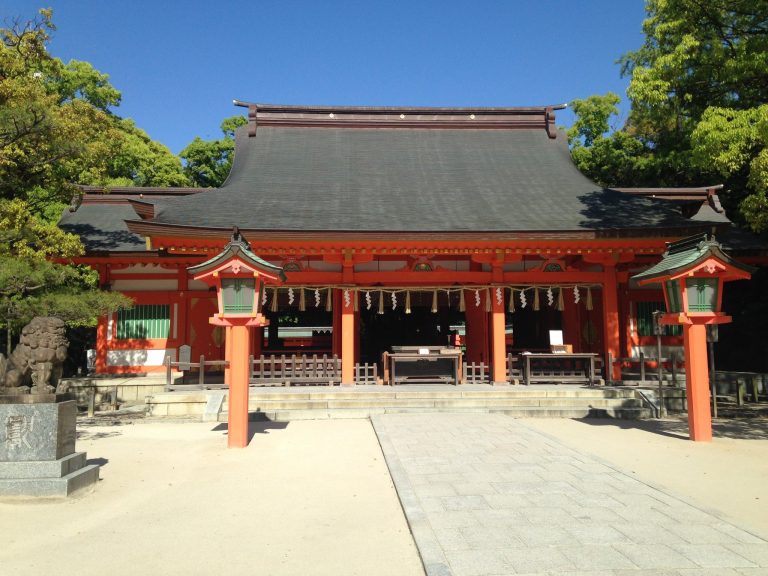
Kushida Shrine is a Shinto shrine in Japan, located in Hakata’s historic urban district of Fukuoka. Its traditional foundation dates to 757, when a branch of Kushida Shrine in Matsusaka was established in Hakata. Long revered as Hakata’s community tutelary shrine and chief guardian, it is formally known as Hakata Sōchinju Kushida Shrine and is locally called “Okushida-san.”
Foundation and the Three Deities
The foundation tradition links the shrine’s establishment with Ōhata-nushi no Ōkami, also known as Kushida Ōkami. Amaterasu, the Shinto kami associated with the sun and the imperial lineage, was enshrined with him. In 941, Susanoo was added after Ōno no Yoshifuru, a Heian-period court official and military commander, invited the deity from Yasaka Shrine in thanksgiving for the imperial suppression of the Fujiwara no Sumitomo Rebellion, a tenth-century uprising in western Japan.
The three deities had previously been worshipped in separate sanctuaries. Other traditions identify Kushinadahime, the Shinto goddess associated with Susanoo, as the shrine’s original deity. A different theory regards Kanzaki Kushida Shrine in present-day Saga Prefecture as the predecessor or original source, stating that Taira no Tadamori later established a shrine in Hakata after inviting its deity. This account was recorded in the 1965 Hakata Yamakasa Record and Fukuoka’s 1979 History of Fukuoka, although Tadamori belonged to a much later period than the traditional foundation in 757. The shrine is also described as having received deities from Kushida Shrine in Matsusaka, Mie Prefecture, and Matsusaka Shrine in Kyoto.
Decline, Rebuilding, and Religious Administration
Kushida Shrine declined during Japan’s Warring States period, an era of prolonged political fragmentation and warfare before unification in the late sixteenth century. When Toyotomi Hideyoshi, the military ruler who unified Japan, rebuilt Hakata in 1587, the present shrine buildings were constructed.
Until the state separation of Buddhism and Shinto in 1868, Kushida Shrine was administered by Jingoji, a temple affiliated with Tōchōji. This policy ended many temple-shrine administrative relationships. In 1891, Kushida Shrine was ranked as a prefectural shrine. It is also a Beppyo Shrine, one of the shrines included in the Association of Shinto Shrines’ special listing.
Christian Activity and Later Damage
After Ōtomo Yoshishige, a sixteenth-century lord of Kyushu who supported Jesuit activity, granted the site to the Jesuits, a church and a priests’ residence may have been built there. Luís Fróis’s History of Japan later described a dispute between the Jesuits and Hakata residents concerning the storage of equipment used for Hakata Gion Yamakasa.
The shrine was damaged by Typhoon 22 in 1955. Among the damage was the toppling of an enoki tree within the grounds.
Festivals and Civic Associations
Hakata Gion Yamakasa is a roughly eight-hundred-year-old offering festival centered on Kushida Shrine. Held from July 1 to 15, it features decorated floats offered to the shrine and was inscribed on UNESCO’s Representative List of the Intangible Cultural Heritage of Humanity in 2016. The designation concerns living traditions and practices rather than buildings.
Hakata Dontaku takes place on May 3 and 4. Although it is not strictly a Kushida Shrine festival, its Matsubayashi procession traditionally departs from the shrine. Hakata Okunchi, held in October, is another major festival associated with the precinct. Fukuoka’s Gion district is traditionally connected with the Gion deity, an identity of Susanoo enshrined at Kushida Shrine.
Remains
The precinct is organized around three sanctuaries and contains long-standing trees, a permanent display of festival floats, and a later planting connected with the traditions of Hakata Gion Yamakasa. The sanctuaries house the shrine’s three principal deities, while the trees and festival objects preserve physical links with local worship and ceremonial practice.
Sanctuaries and Festival Display
Three Sanctuaries
Ōhata-nushi no Ōkami is enshrined in the central sanctuary, Amaterasu in the sanctuary on the left, and Susanoo in the sanctuary on the right. Their arrangement reflects the shrine’s history as a place where the three deities, once worshipped separately, came to be enshrined together.
Hakata Gion Yamakasa Floats
A permanent display of the decorative floats used for Hakata Gion Yamakasa stands within the shrine precincts. These floats are the material forms associated with the festival’s offering procession and remain connected to the annual ritual centered on Kushida Shrine.
Trees and Cultivated Features
Ginkgo of Kushida
Near the entrance stands the Ginkgo of Kushida, a tree estimated to be about 1,000 years old. It is celebrated in the Hakata Iwai Uta and is designated a prefectural natural monument. The tree is part of the shrine’s established landscape and remained within the grounds despite the damage caused by Typhoon 22 in 1955.
Kiriki Peony
In November 2018, a cutting of the Kiriki peony was planted in the precincts after being propagated from the Kiriki peony in Hizen, Karatsu. The plant is associated with the tradition that led to decorating the Yamakasa floats with peonies, linking a cultivated feature of the grounds with the festival’s decorative practice.