Kuse Elementary School Kofun: A Fifth-Century Burial Mound in Japan
Site at a Glance
- Popularity
- Low
- Country
- Japan
- Primary era
- Classical
- Eras represented
- Classical
- Civilizations
- Yamato
- Site type
- Burial
- Remains
- Burial Mound
On this page4 sections
History
Kuse Elementary School Kofun is a tomb mound in Japan, built around the middle of the fifth century during the Kofun period, an era associated with the construction of large burial mounds. Finds suggest a date around the middle of that century. The tomb is one of 13 in the Shibagahara burial-mound group and is identified as No. 9.
The mound area was included in the Kutsukawa burial-mound group’s National Historic Site designation on October 3, 2016. During construction of the elementary school, a suspected moat around the mound was leveled.
Remains
Mound and exterior features
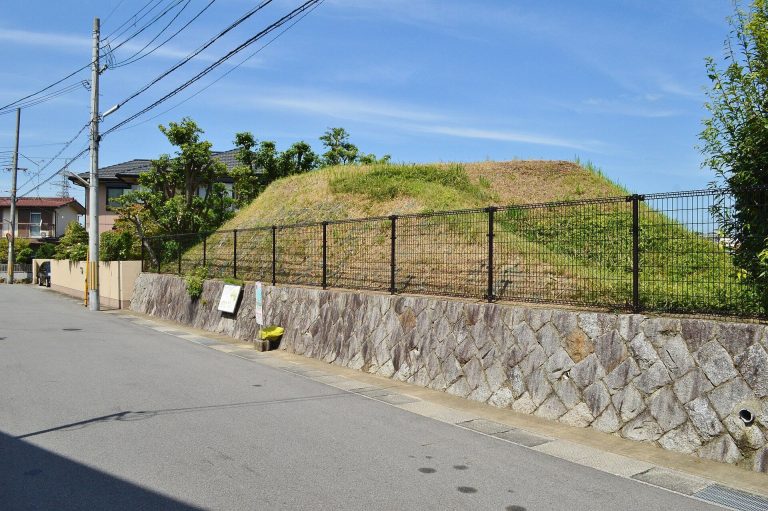
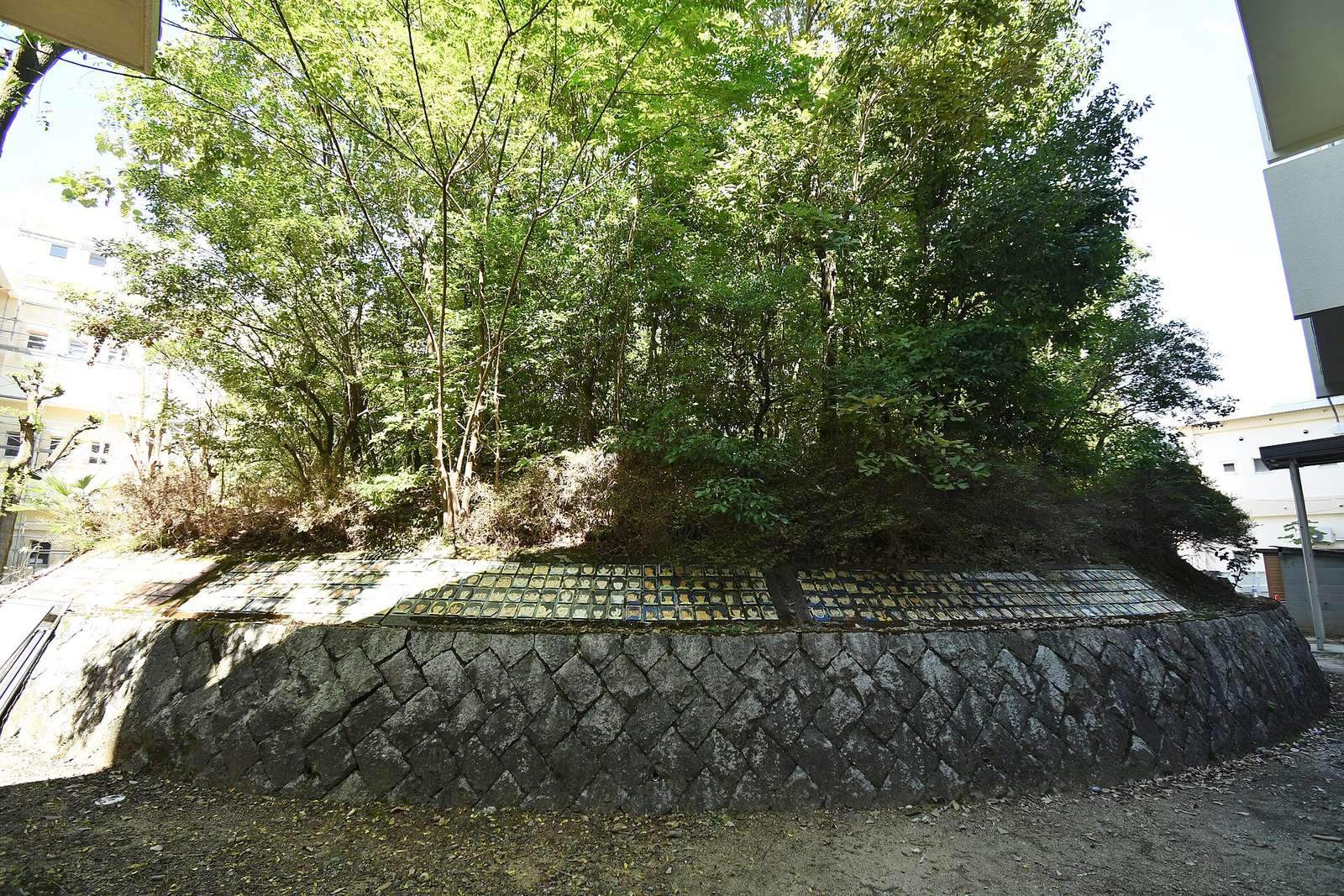
The circular mound stands in the school courtyard. It has two tiers and measures 27.5 metres in diameter and 3.5 metres high. Rows of cylindrical haniwa, clay objects placed in connection with burial mounds, were found on the flat surfaces between the tiers and at the summit. Other objects from the mound’s exterior include clay forms shaped like houses, umbrellas, armor, and quivers, as well as stones used to cover the mound. A moat is thought to have surrounded it, though the moat’s course and extent are uncertain.
Central burial
A wooden coffin was placed directly in a pit at the centre of the summit. Two handled stoneware jars with short necks were recovered from the burial pit.