Brundlund Castle: A Danish Water Castle and Art Museum
Site at a Glance
- Rating
- 4.3
- Popularity
- Medium
- Country
- Denmark
- Primary era
- Medieval
- Eras represented
- Medieval, Early Modern, Modern
- Civilizations
- Danish
- Site type
- Military
- Remains
- Castle
On this page7 sections
History
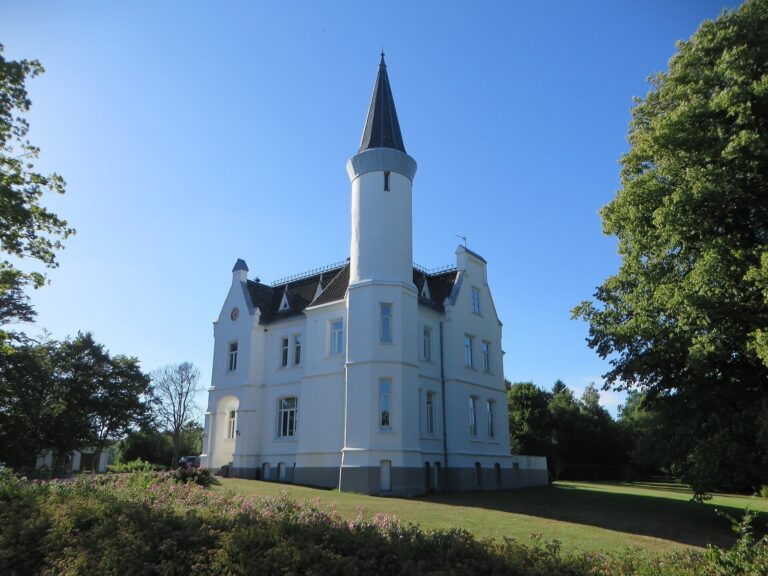
Brundlund Castle, now home to the Brundlund Castle Art Museum, stands in Aabenraa, Denmark. Construction began in 1411 under Queen Margarethe I, after the town, then known as Apenrade, came under her authority. It was built as a water castle, a fortified residence set apart by water.
Expansion and administration
In the 16th century, the castle was enlarged in the Renaissance style, which revived forms derived from antiquity. For centuries it served as the seat of a local administrative official and of royal, ducal, and municipal administrations.
From 1805 to 1807, the Danish architect Christian Frederik Hansen partly remodelled the castle in a classical style.
Restoration and museum use
A major restoration took place in 1983–1985. The last resident left in 1996, and the municipality of Aabenraa then took over the castle and established an art museum, which opened in 1998.
The museum presents Danish art from the 19th century to the present. Its holdings focus mainly on paintings, prints, and sculpture made after 1920, alongside selected 19th-century works, including paintings by Christoffer Wilhelm Eckersberg, a leading Danish painter of the early 19th century. The castle also houses the complete collection of Danish modernist painter Franciska Clausen, comprising 2,500 works. Temporary exhibitions are held at the museum.
Remains
Castle island and approach
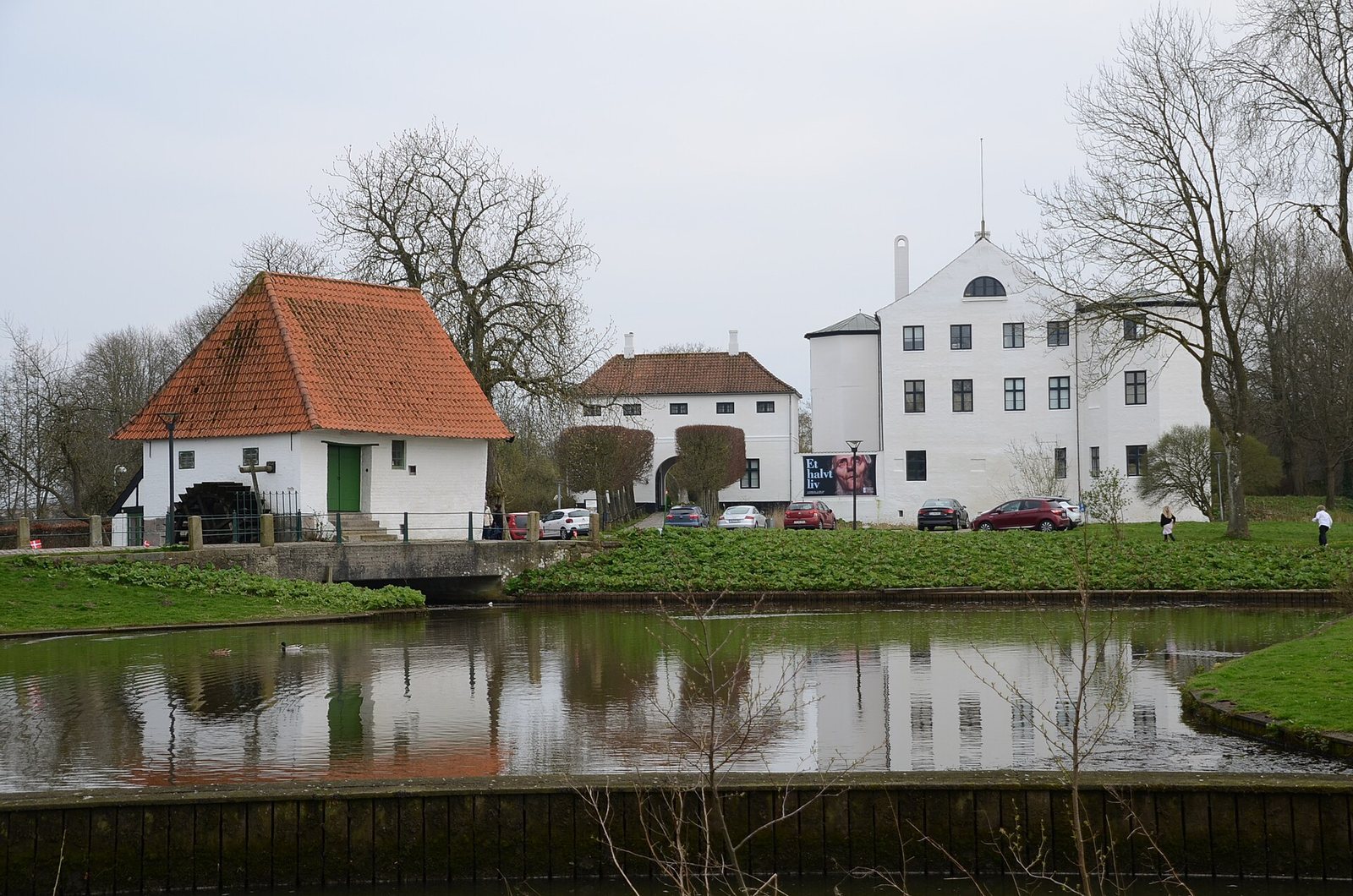
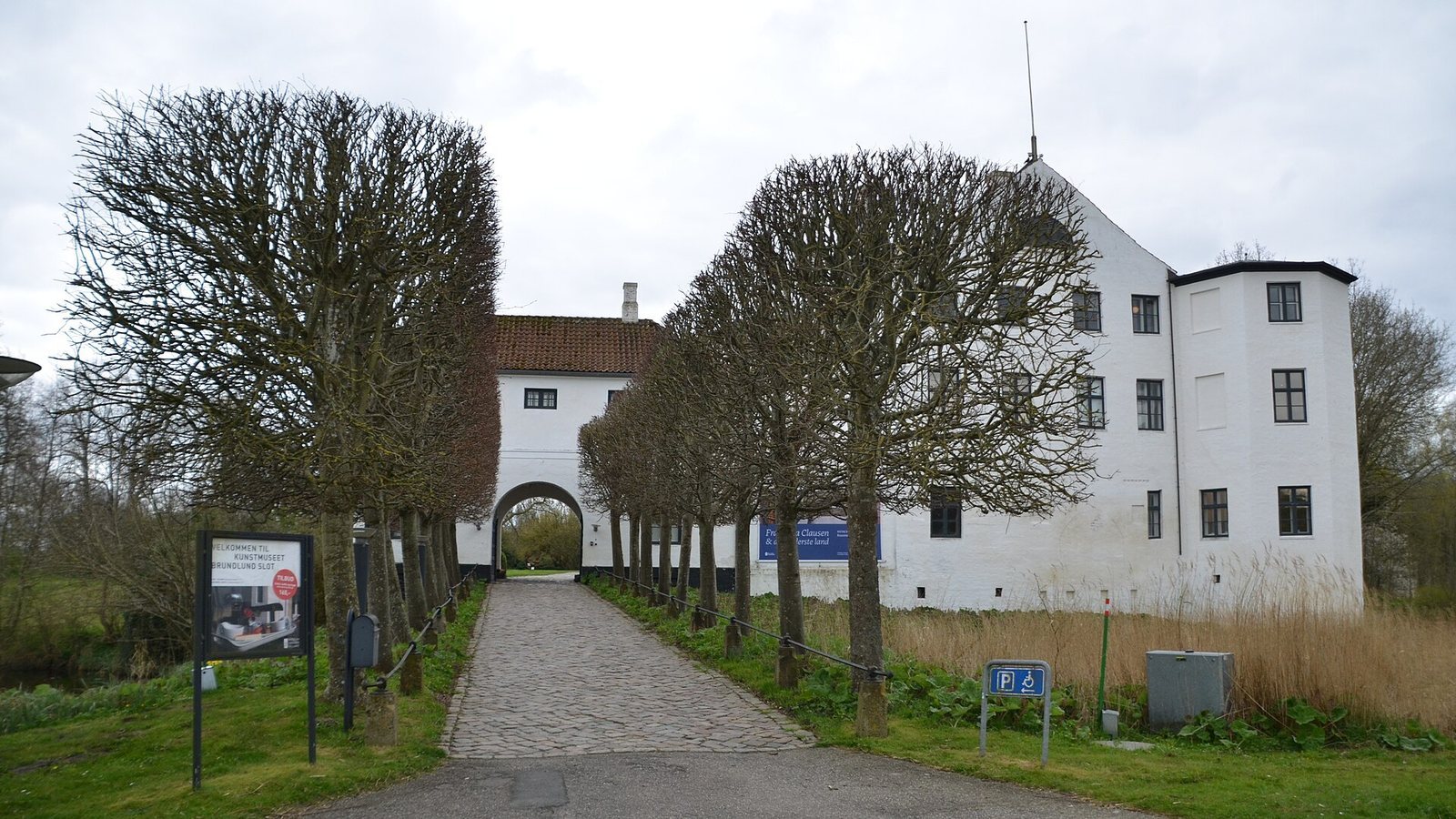
The castle and garden occupy an island surrounded by a moat, which is wider on the east side and narrower on the west. The water and island preserve the layout of a water castle. A gatehouse adjoins the castle on the east. To the north, a causeway and tree-lined avenue link the island with a forecourt on the mainland.
Main block and bridge tower
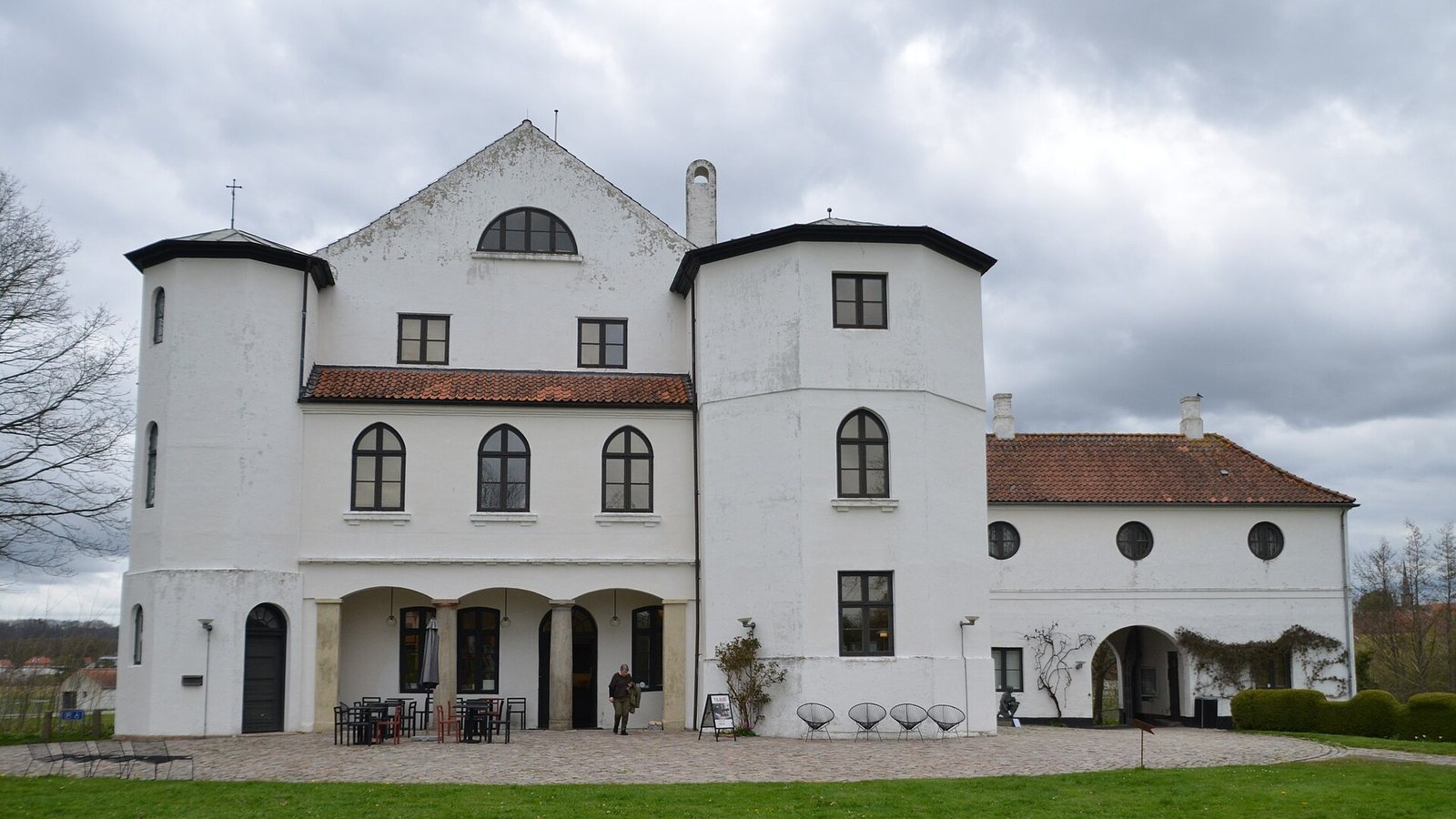
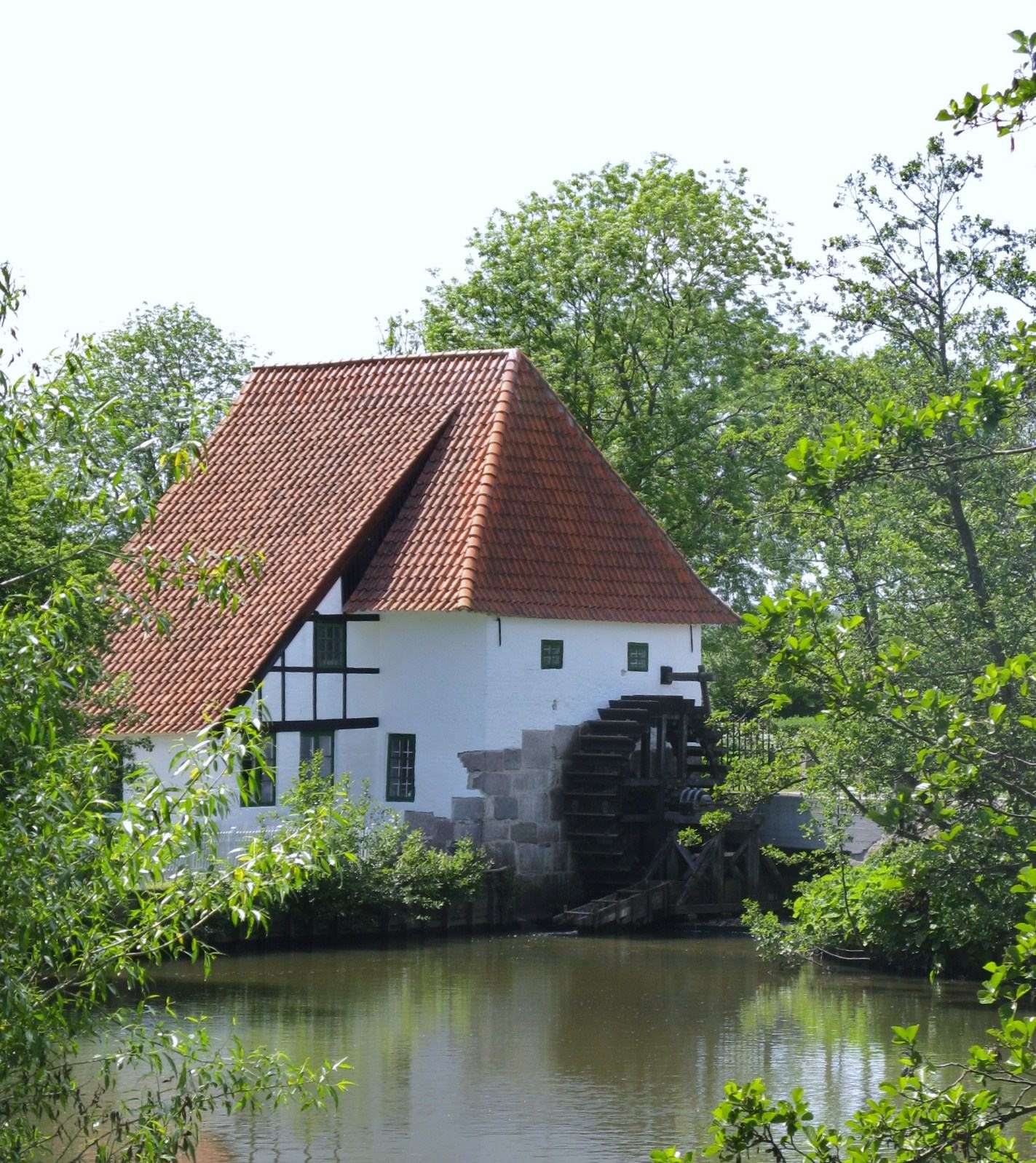
The castle’s main block is rectangular, with towers on three sides. Two contain salons, or reception rooms, while the southwest tower holds the stairs. The buildings have restrained ornament, and the façades facing the landscape garden feature a colonnade, a row of columns, with relatively plain Doric capitals, a classical column form. At the approach stands a watermill with a mill wheel. Dating to around 1530, it originally served as the castle’s bridge tower and is among Denmark’s oldest surviving watermills.
Garden
The garden is now a park with numerous sculptures, including works by contemporary Danish sculptors. It lies beside the Mølleå River.