Kruishoutem Castle: A Historic Moated Castle in Belgium
Site at a Glance
- Rating
- 5
- Popularity
- Very Low
- Country
- Belgium
- Primary era
- Early Modern
- Eras represented
- Medieval, Early Modern
- Civilizations
- County of Flanders, French, Spanish
- Site type
- Domestic
- Remains
- Castle
On this page7 sections
History
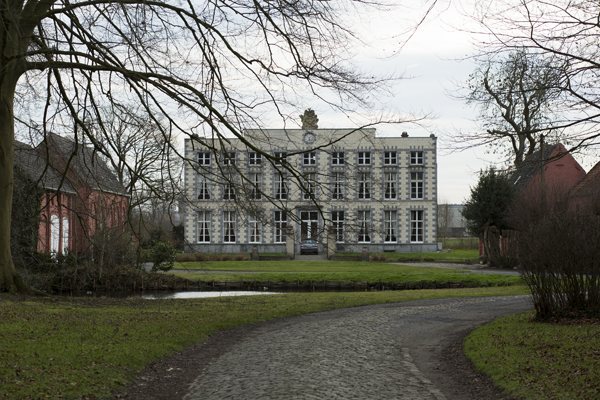
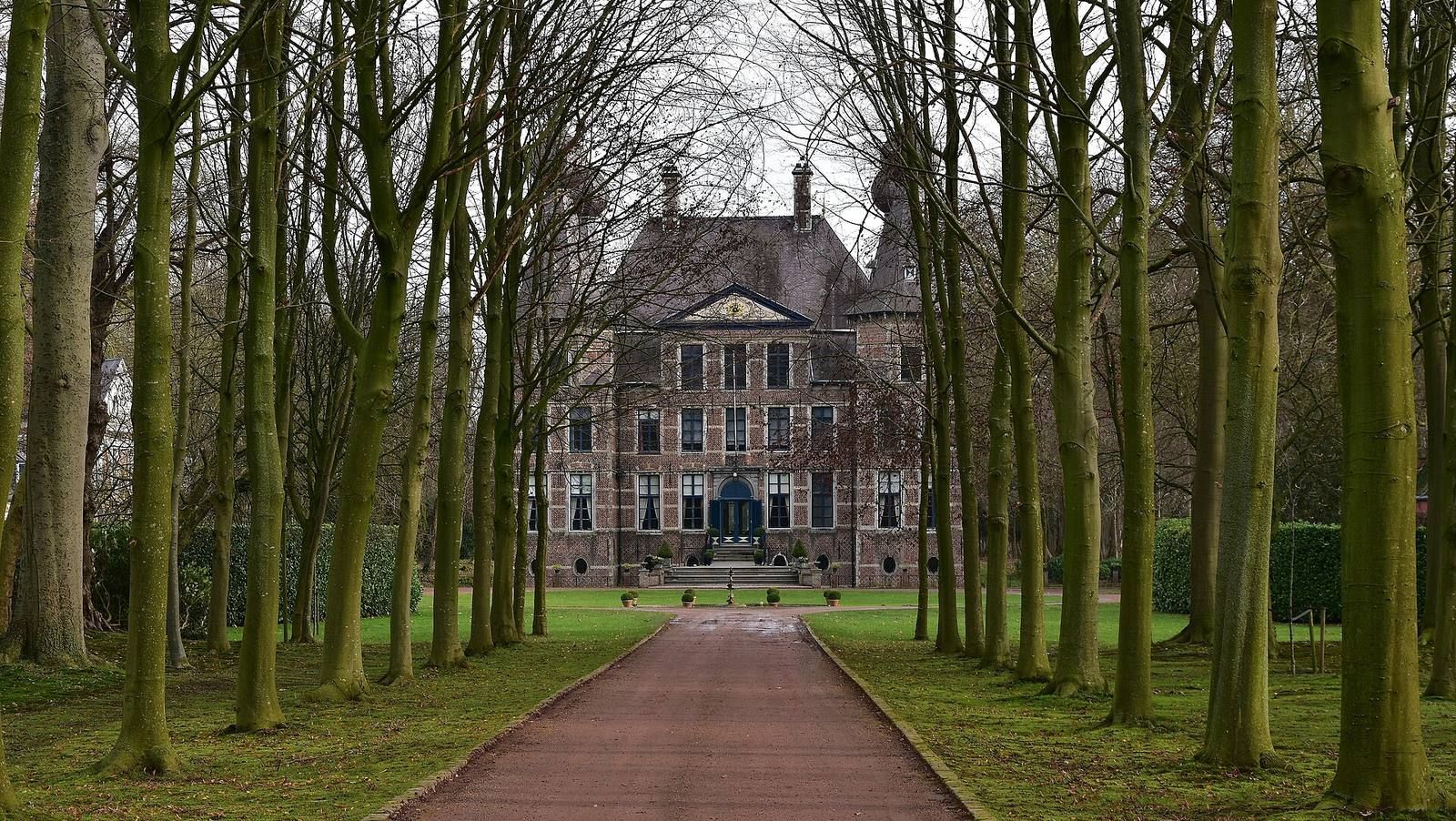
Kruishoutem Castle is a castle in Kruishoutem, within the municipality of Kruisem, Belgium, rebuilt in its present form during the 17th century. Also known as Aaishove Castle and Piers de Raveschoot Castle, it was the seat of the lordship of Aïshof, also rendered Ayshove. A lordship was an estate and jurisdiction held by a lord; in the 11th century, this territory extended between the Scheldt and Lys river basins.
Medieval origins
The first castle was built in the 11th century near the source of the Molenbeek, in a strategic position between the two river basins. By the 13th century, the site included a castle surrounded by a moat and a chapel beside it.
Destruction and reconstruction
During the religious unrest of the 16th century, the castle buildings were completely destroyed amid the Beggars’ Revolt, the Eighty Years’ War, and the sack of Mechelen. These were connected episodes in the conflict in the Low Countries. In the Spanish Netherlands, Habsburg-ruled territories in the Low Countries, Protestant opposition in the north grew against Philip II, king of Spain, and his governor, the Duke of Alba. William of Orange led a general revolt against Spanish rule that began in 1568.
The de Mastaing family rebuilt the castle between 1629 and 1634, giving it the form it has today. Around the 1930s, architect Valentin Vaerwyck oversaw a renovation. A royal decree dated 10 December 1973 protected the castle as a monument and its park as a landscape.
Remains
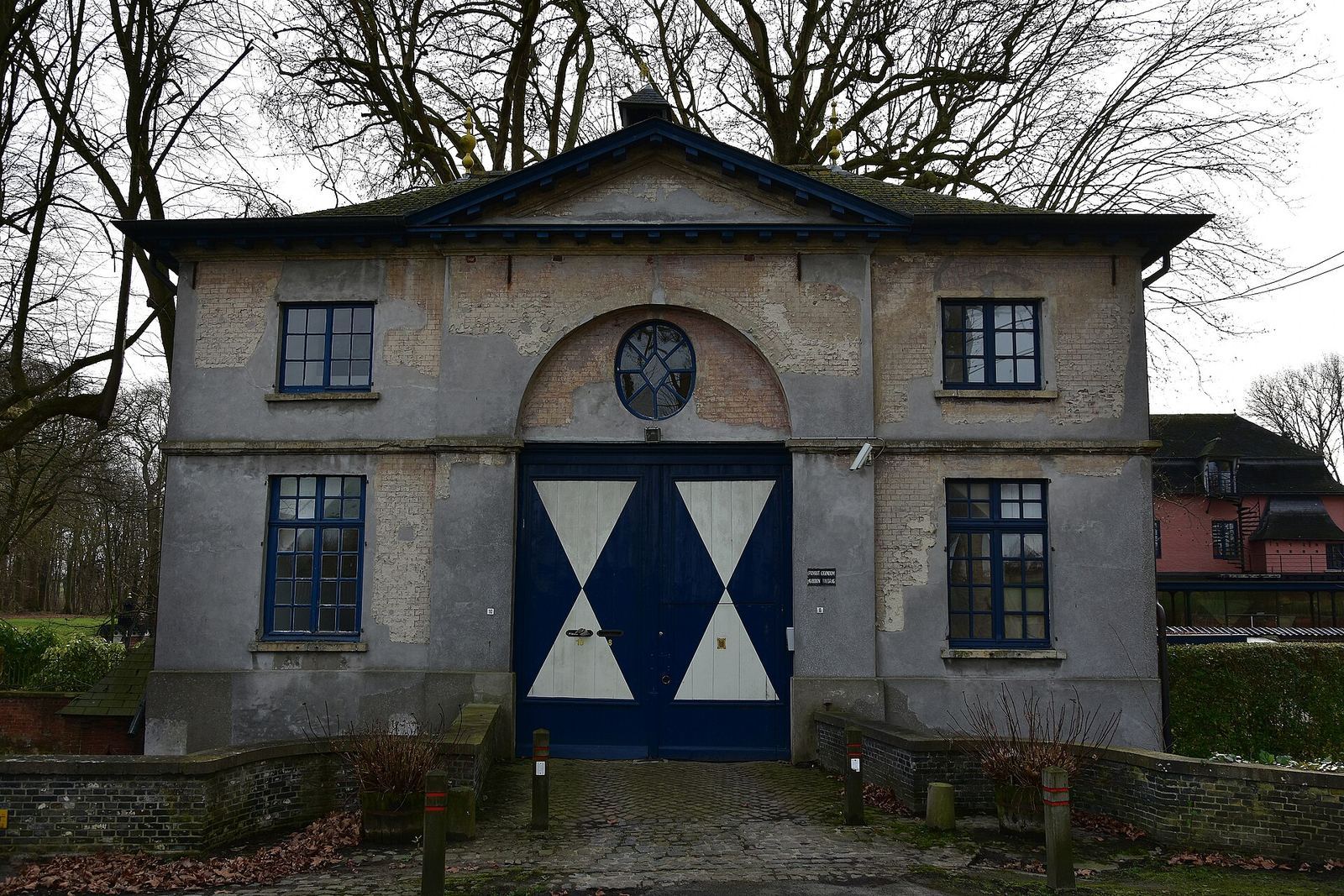
The present site combines a 17th-century castle, moats, and a 13-hectare park. The moat separates the castle from the park, while the grounds include a pond and a layout influenced by English gardens.
The castle and its grounds
Castle
The castle has onion-domed towers and is set within moats. Its present form dates to the rebuilding carried out between 1629 and 1634.
Park
The park covers 13 hectares and has a pond. Its layout takes inspiration from English gardens, and the moat marks its separation from the castle.