Herlegem Castle: A Louis XVI-Style Estate in Belgium
Site at a Glance
- Rating
- 4.4
- Popularity
- Very Low
- Country
- Belgium
- Primary era
- Early Modern
- External website
- Open
- Eras represented
- Early Modern
- Civilizations
- Habsburg
- Site type
- Domestic
- Remains
- Castle
On this page6 sections
History
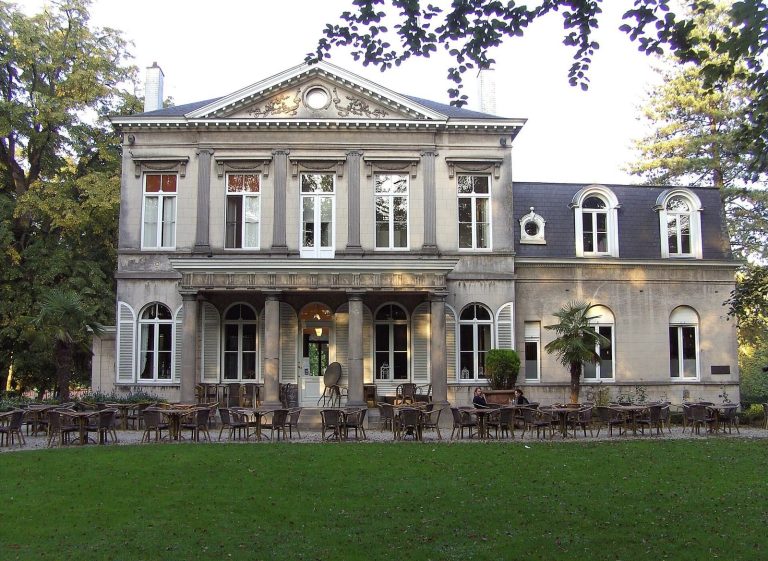
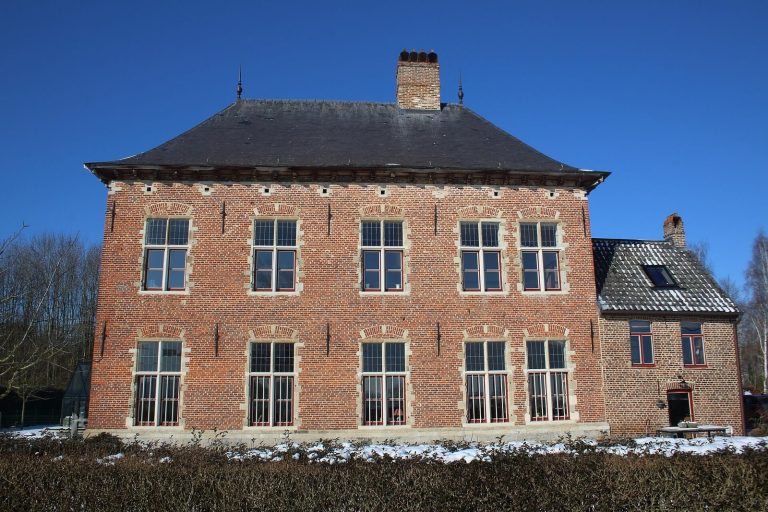
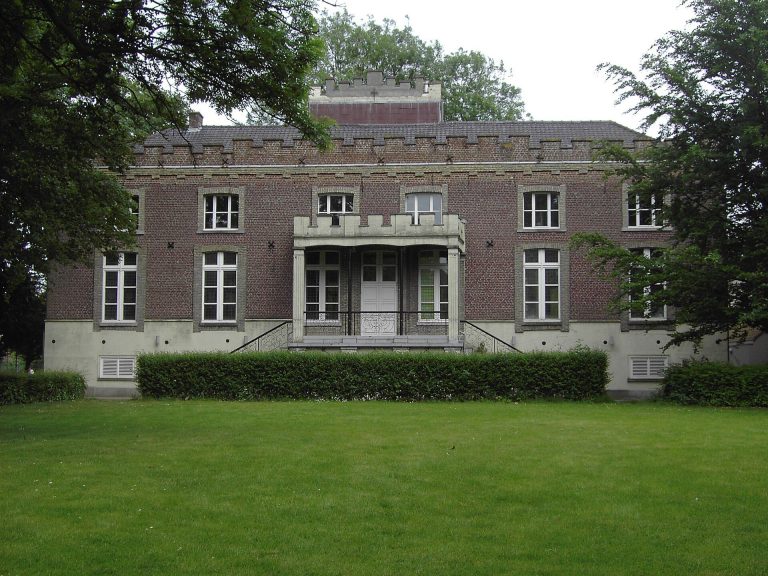
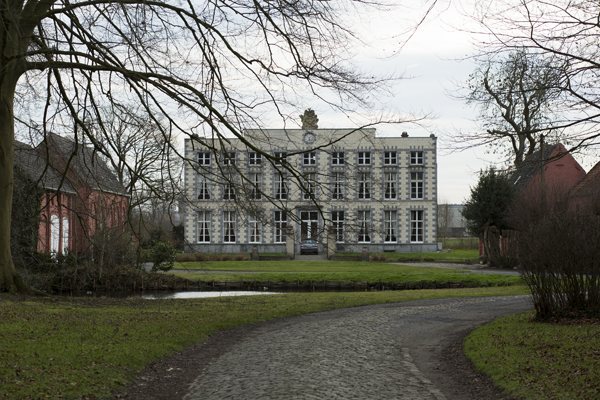
Herlegem Castle is a Louis XVI-style castle in Kruishoutem, Belgium, situated on the Zaubeek at the boundary with Waregem. Its late-eighteenth-century architectural character reflects Louis XVI style, a French tradition based on classical forms, symmetry, and restrained ornament.
Early origins
The castle site is associated with the lordship of Herlegem, a territory or estate governed by a lord. It may have origins in the Frankish period, possibly as early as the fifth century. The Franks were a Germanic people whose kingdoms developed into the Frankish realm of the early Middle Ages. This early dating is linked in part to the regional place-name ending “-gem,” which can indicate an old settlement or estate in Belgian and northern French names.
Ownership and heritage status
The Van Pottelsberghe de la Potterie family has owned the castle and estate since 1680. Herlegem Castle and its estate were designated as architectural heritage on 20 June 2023, under monument number 74372.
Remains
Estate layout
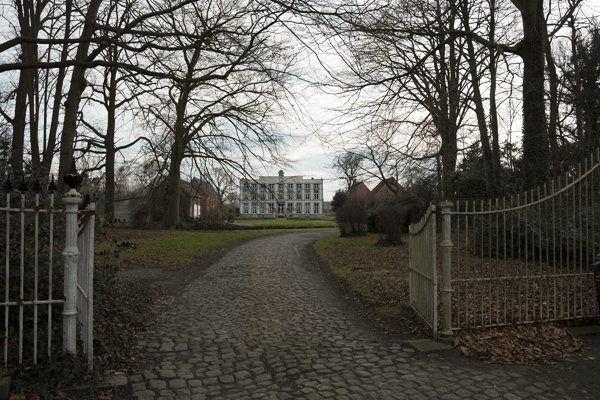
The château occupies the center of a rectangular island, enclosed by its own moat within a wider moated estate. An access bridge reaches the site from the south. The surrounding grounds include a courtyard with service buildings arranged in a U-shape, a spacious rectangular kitchen garden surrounded by water, and an orchard. Herlegem Mill stands in the castle courtyard, forming part of this organized group of estate buildings and spaces.
Interior decoration
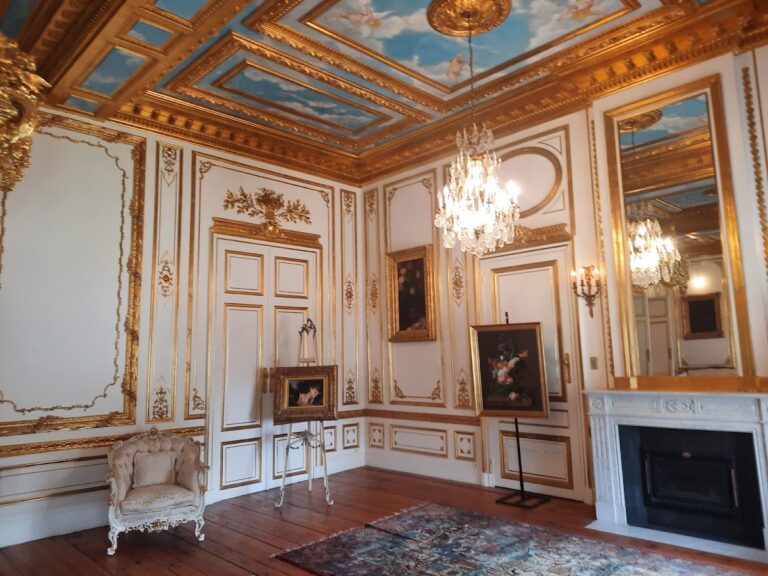
Inside the castle, the vestibule contains Ionic columns, whose capitals have scroll-shaped forms, together with dentils, a repeating molding of small tooth-like blocks. The overdoor panels are made from stucco, a workable plaster used for molded architectural decoration, and carry ornamental attributes. Oral tradition connects their production with Joseph Moretti and his brothers, who also practiced stucco work at nearby Wannegem-Lede Castle.