Kronenburg Castle: A Ruined Hilltop Stronghold in Germany
Site at a Glance
- Rating
- 4.5
- Popularity
- Medium
- Country
- Germany
- Primary era
- Medieval
- External website
- Open
- Eras represented
- Medieval
- Civilizations
- Duchy of Luxembourg, Holy Roman Empire
- Site type
- Military
- Remains
- Castle
On this page8 sections
History
Kronenburg Castle is a ruined hilltop castle in Germany, above the Upper Kyll Valley in the village of Kronenburg. The site was first mentioned in 1277 in a document of the Imperial Abbey of Stavelot-Malmedy, an ecclesiastical territory and imperial institution in the historical region of the present-day Belgian Ardennes. At that time, the noble von Dollendorf knightly family controlled Kronenburg.
Noble Lordship
An independent branch of the von Kronenburg family emerged briefly in 1327. When Knight Peter von Kronenburg died without male heirs in 1414, the Lordship of Kronenburg passed to the Counts of Manderscheid. This transfer ended the independent branch and placed the lordship under a different noble house.
Spanish Rule and the French Period
Kronenburg belonged to the Duchy of Luxembourg, a historic territorial polity whose jurisdiction extended beyond the boundaries of the modern state of Luxembourg. In 1555, during the reign of Charles V, a Habsburg ruler and Holy Roman Emperor from 1519 to 1556, the territory came under Spanish rule. It remained under Spain until 1715. This political history later gave the former Spanish enclave in the Eifel the name “Spanish Ländchen.”
Plague epidemics affected Kronenburg from the early seventeenth century and continued until 1680. The castle declined during the mid-eighteenth century, and its castle house, the principal residential building within the complex, was sold into private ownership during the period of French rule.
French forces occupied Kronenburg in 1794. The settlement then became the chief town of a canton, an administrative division, in the Department of the Ourthe. After the French period, Kronenburg continued as a municipal administrative center and was at times the seat of a notary, a legal official who authenticates documents and transactions.
Territorial Reorganization
After Napoleon’s defeat and the territorial reorganization of Central Europe, Kronenburg initially became an exclave of the House of Mecklenburg-Strelitz. An exclave is a territory separated from the main part of the state or polity to which it belongs. In 1819, Kronenburg was transferred to Prussia through an exchange or compensatory payment.
Remains
Hilltop Castle Complex
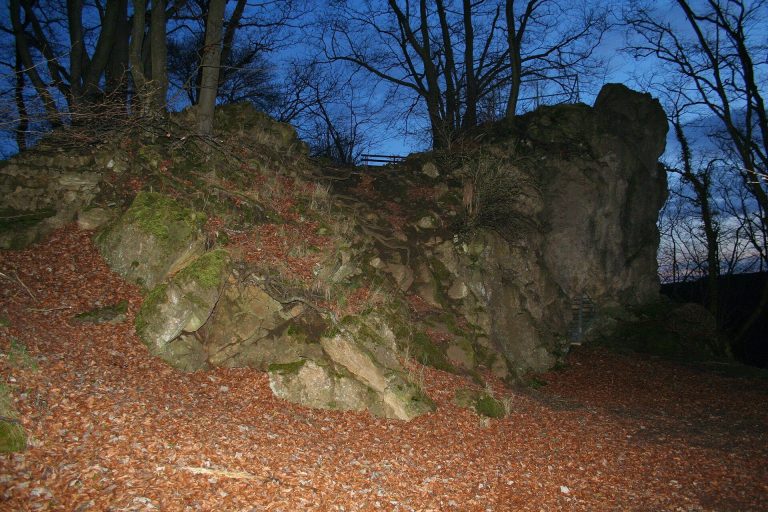
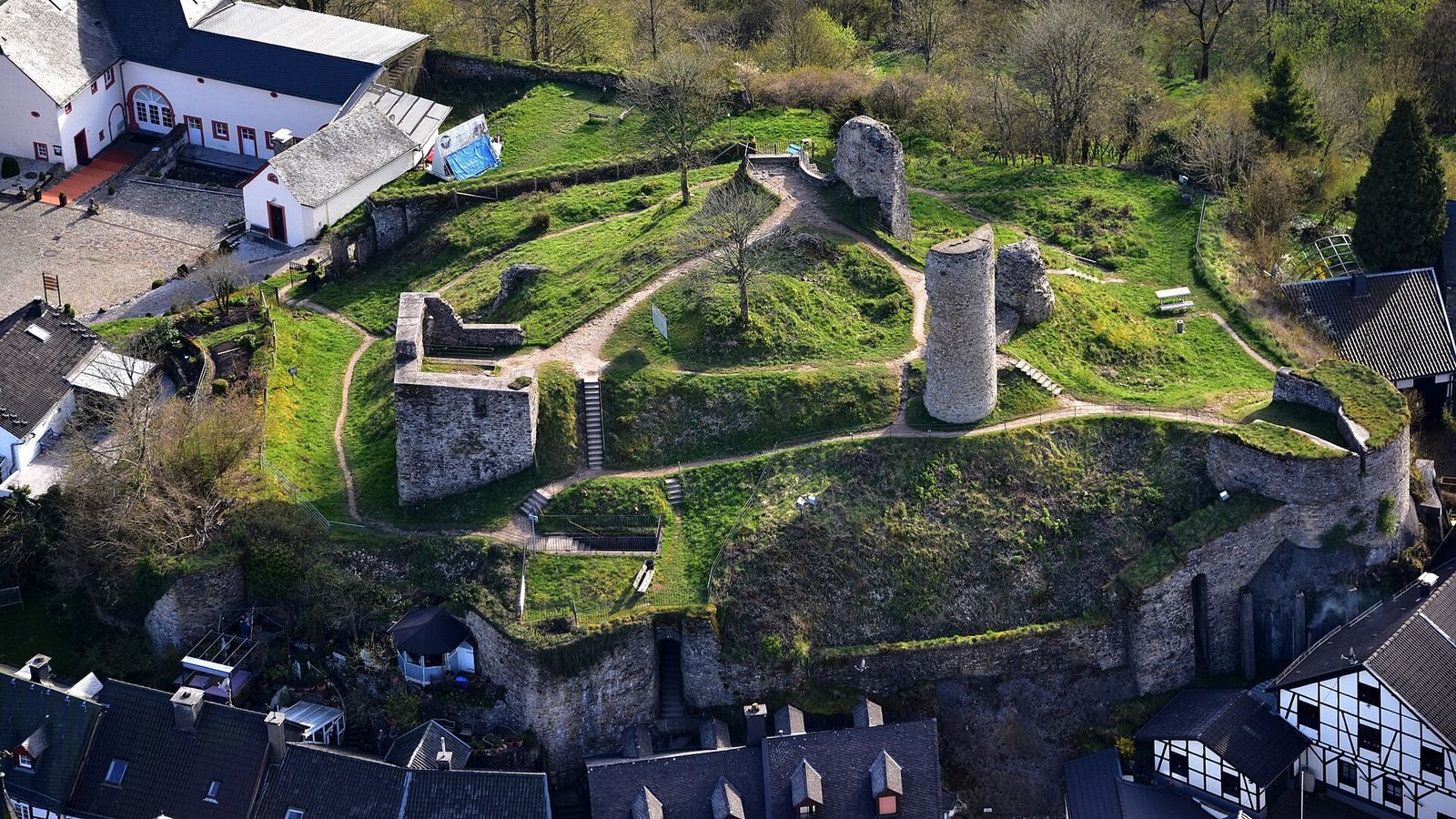
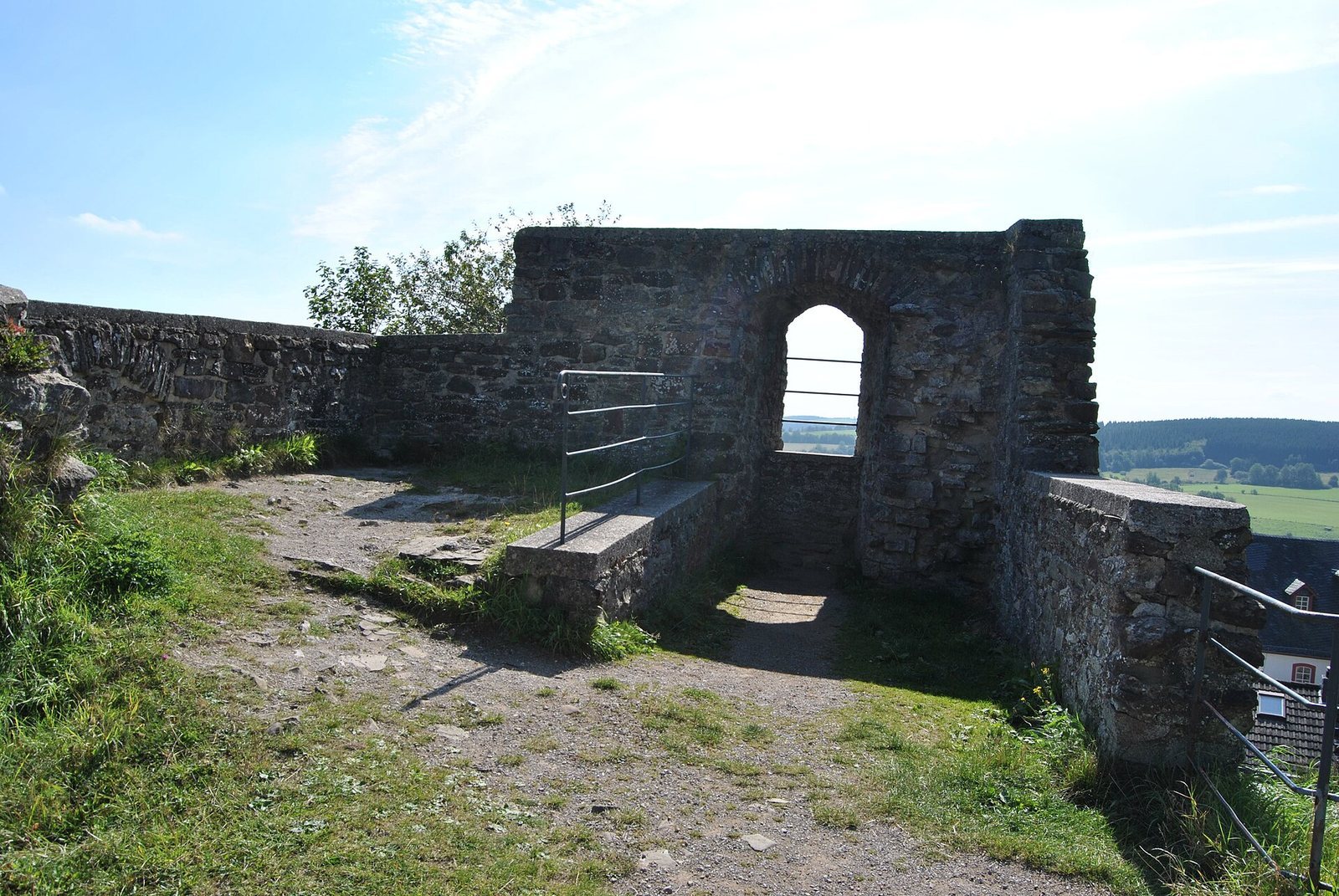
Castle Ruins
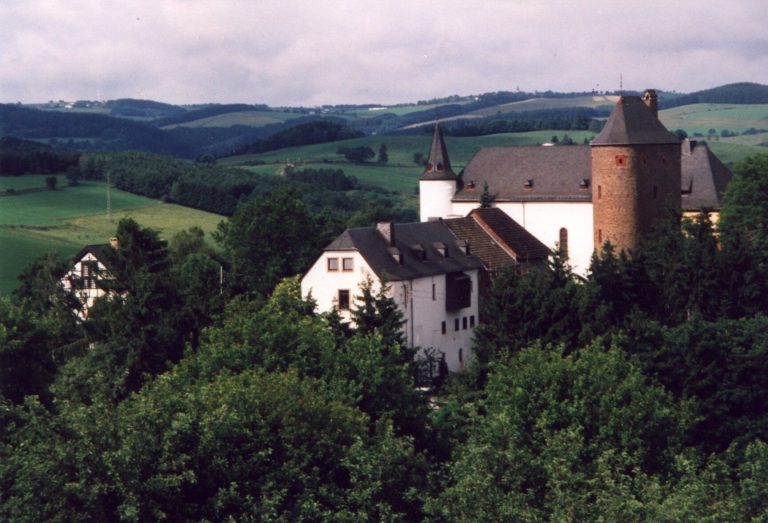
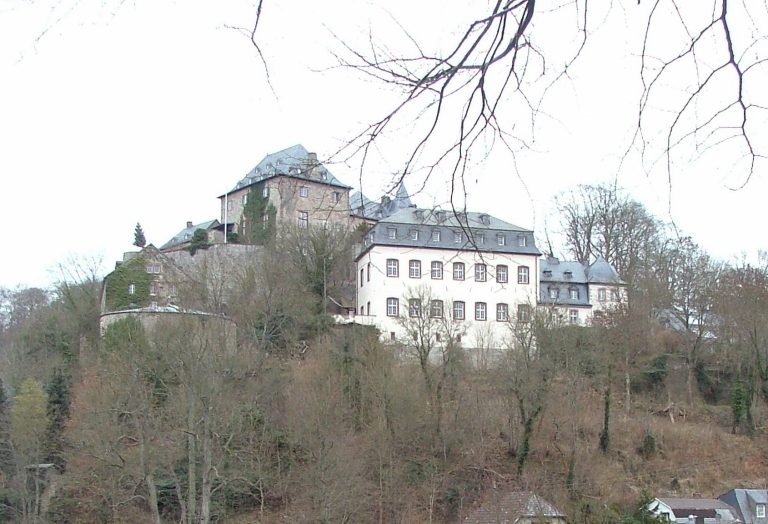
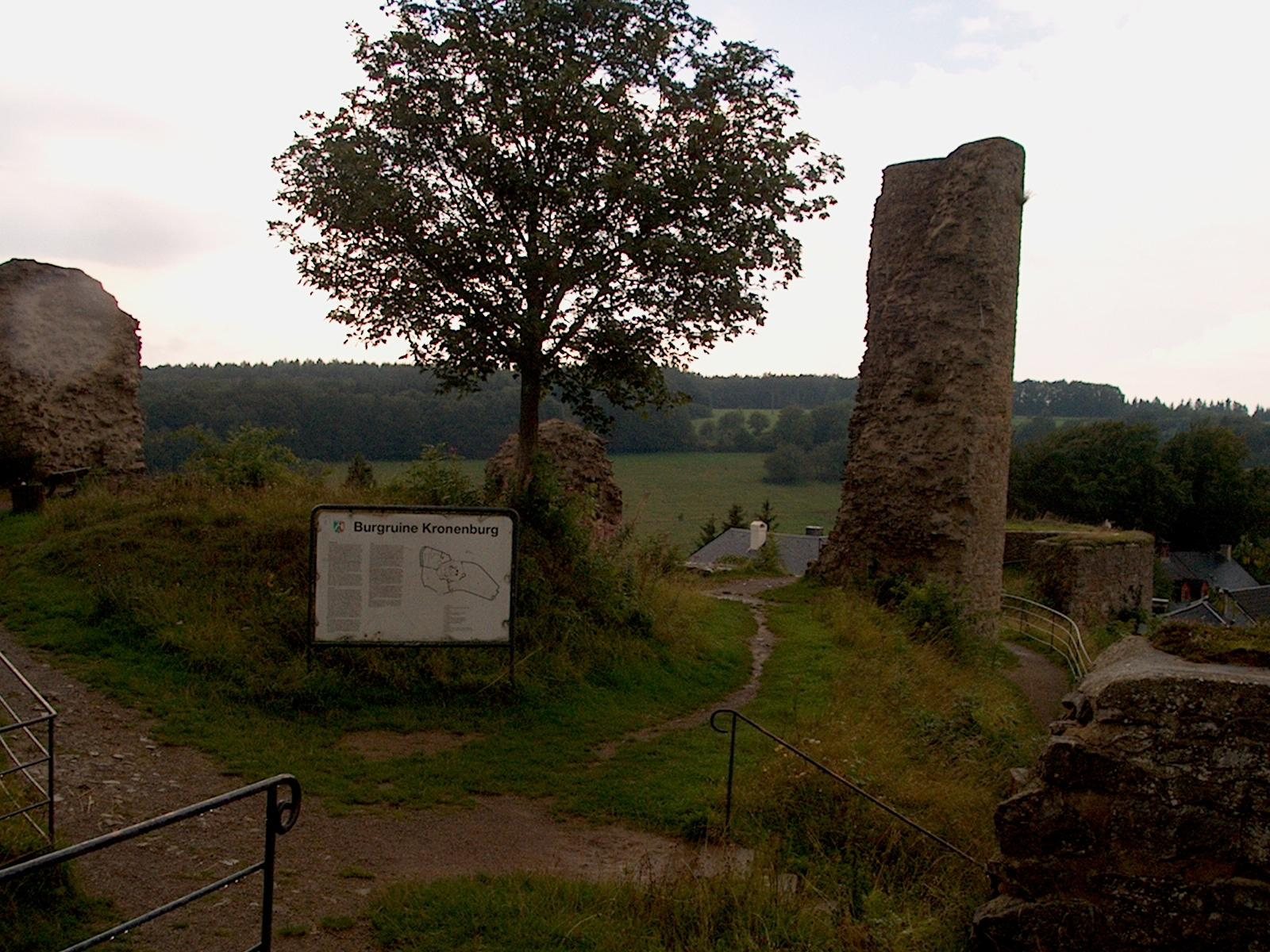
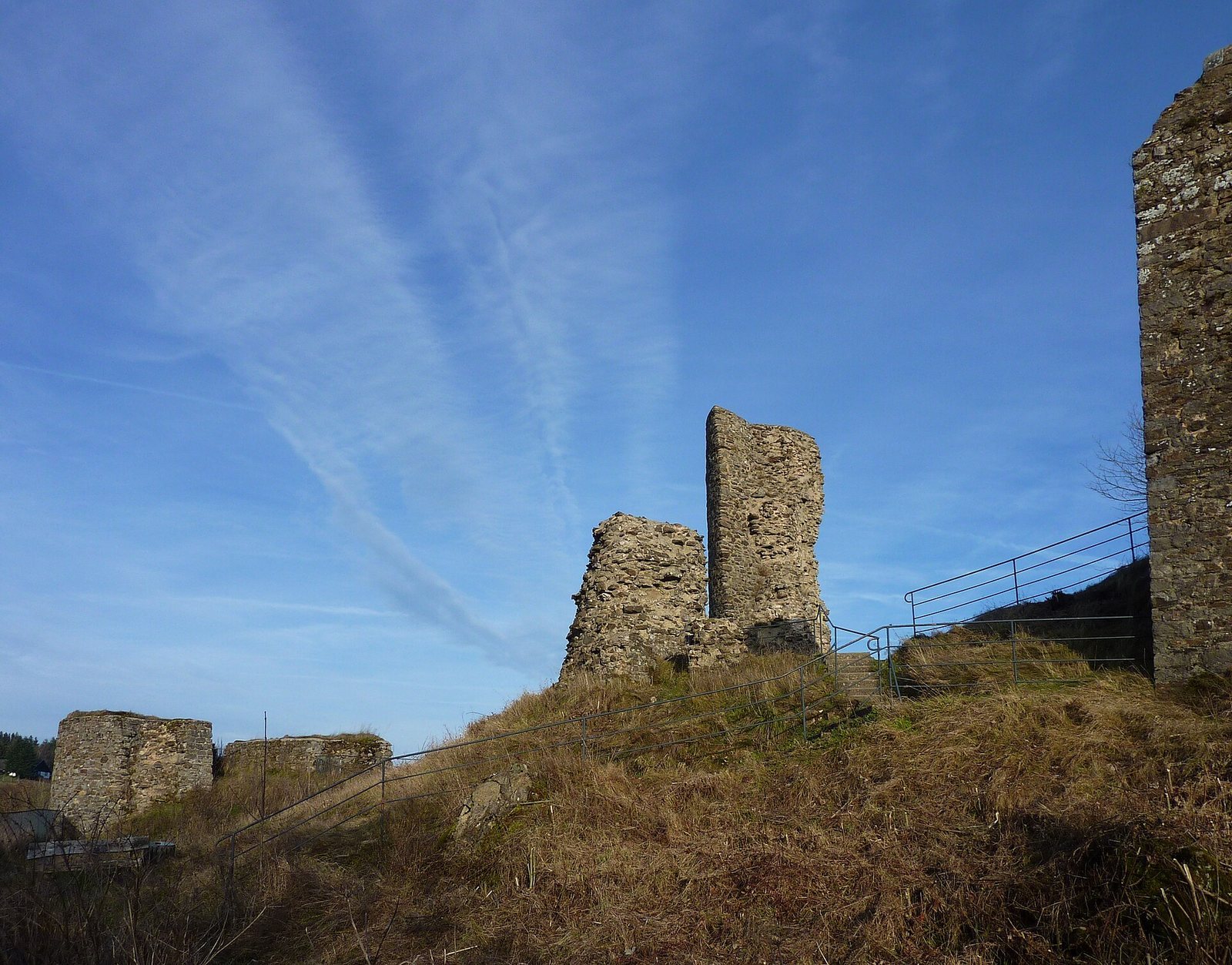
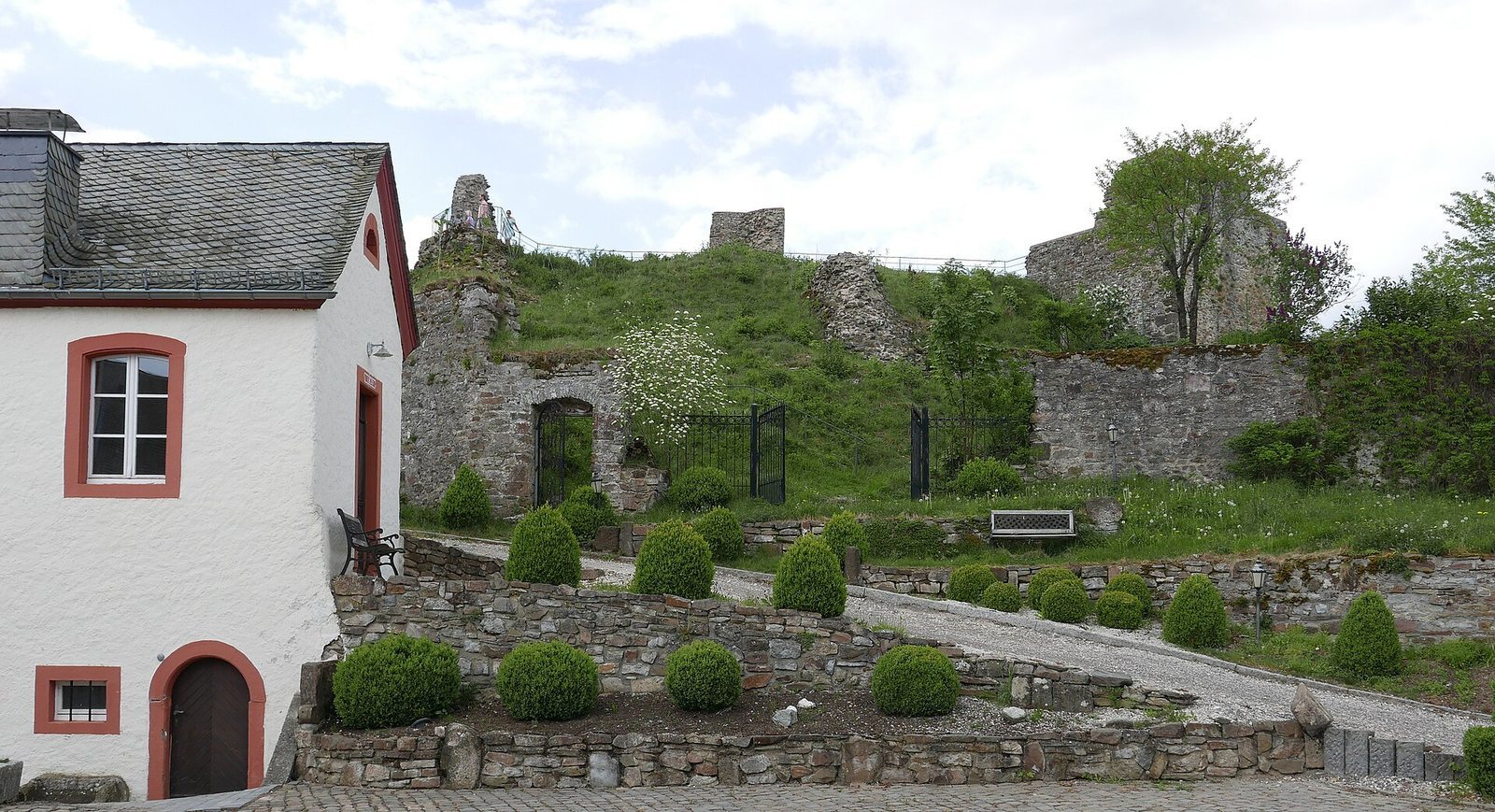
Kronenburg Castle stands at approximately 560 metres above sea level on a hill above the Upper Kyll Valley and Kronenburger Lake. Its elevated position reflects the strategic importance of the site overlooking the valley. The castle is now described as a ruin, while the castle house passed into private ownership during the French period.
Parish Church Tower
The tower of the parish church of St. John the Baptist, also known as the Johanniter Church, formed part of the defensive arrangement. It simultaneously served as an additional defensive tower for the castle complex. The name Johanniter refers to the Order of St John, a Christian military and charitable order.