Krasňany Manor House: A Late-Renaissance Complex in Slovakia
Site at a Glance
- Popularity
- Very Low
- Country
- Slovakia
- Primary era
- Early Modern
- Eras represented
- Early Modern
- Civilizations
- Habsburg, Hungarian
- Site type
- Domestic
- Remains
- Manor House
On this page8 sections
History
Seventeenth-century construction
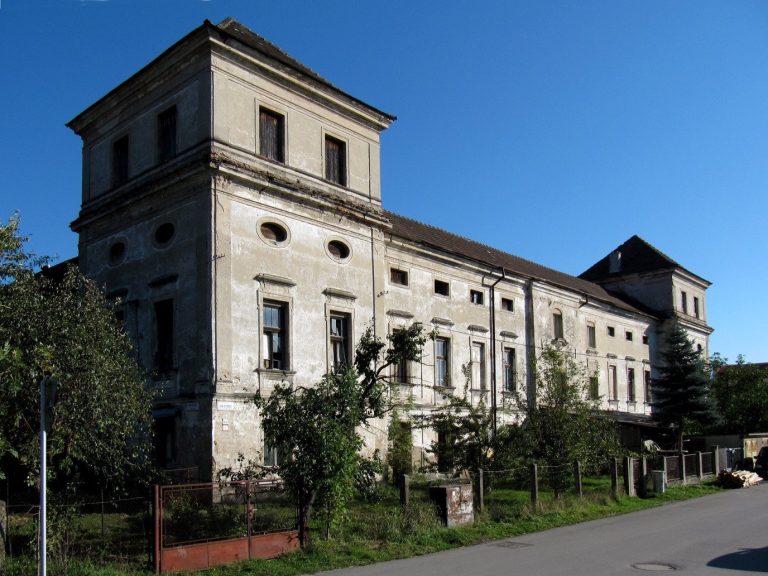
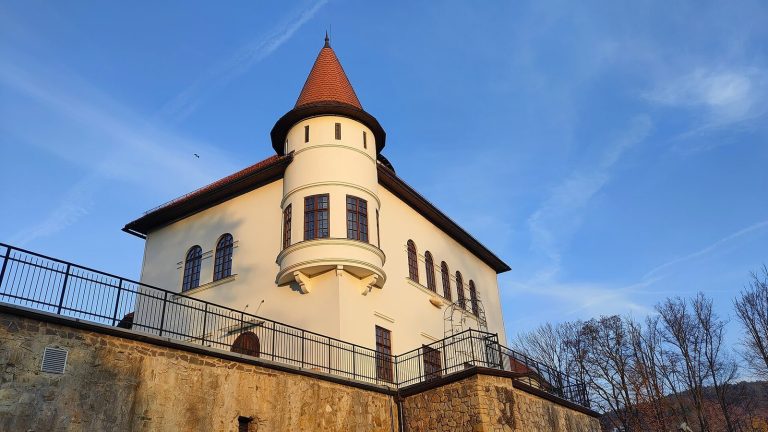
Krasňany Manor House, also known as Pongrácz Manor, is a late-Renaissance complex in Krasňany, Slovakia. The older house was built between 1667 and 1678 on the site of an earlier manor, and a second house was constructed toward the end of the seventeenth century. The Pongrác family of counts owned the manor for several centuries from its construction.
Expansion and reconstruction
In the eighteenth century, a new ground-floor wing joined the two houses. Reconstruction work took place between 1898 and 1912. The manor was designated a National Cultural Monument, a formal heritage-protection status in Slovakia, on 5 November 1963.
State ownership and later cultural use
After the Second World War, nationalization transferred the manor from the Pongrác family to the state. The state used it chiefly for cultural purposes, and the Považské Museum was housed there for a time. Further reconstruction work took place between 1967 and 1980. The property was returned to descendants of its former owners in 1995, after which they held no events there. Italian entrepreneur Rugger Gadotti bought the manor in 2004, and cultural events and folk performances resumed.
Remains
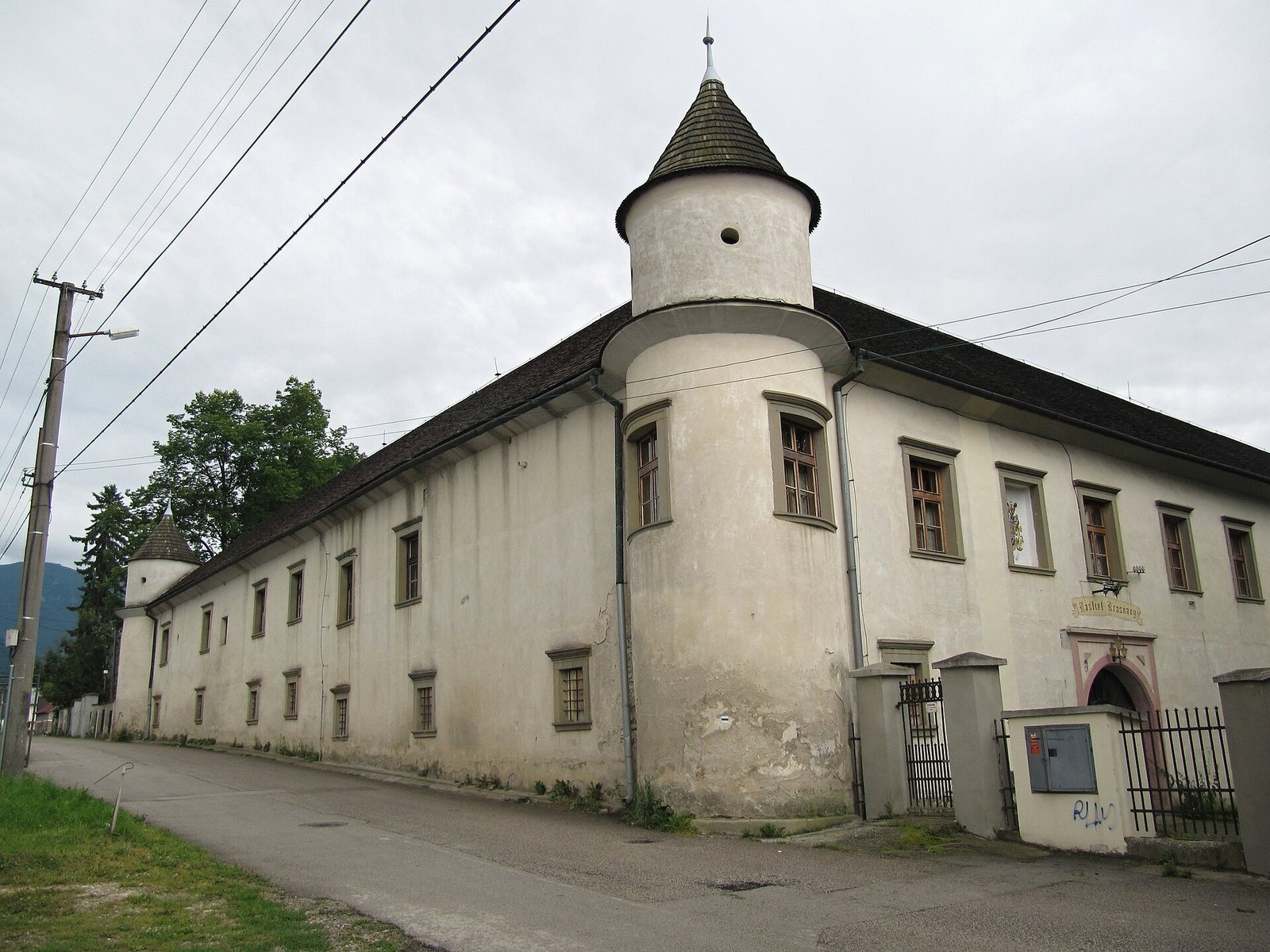
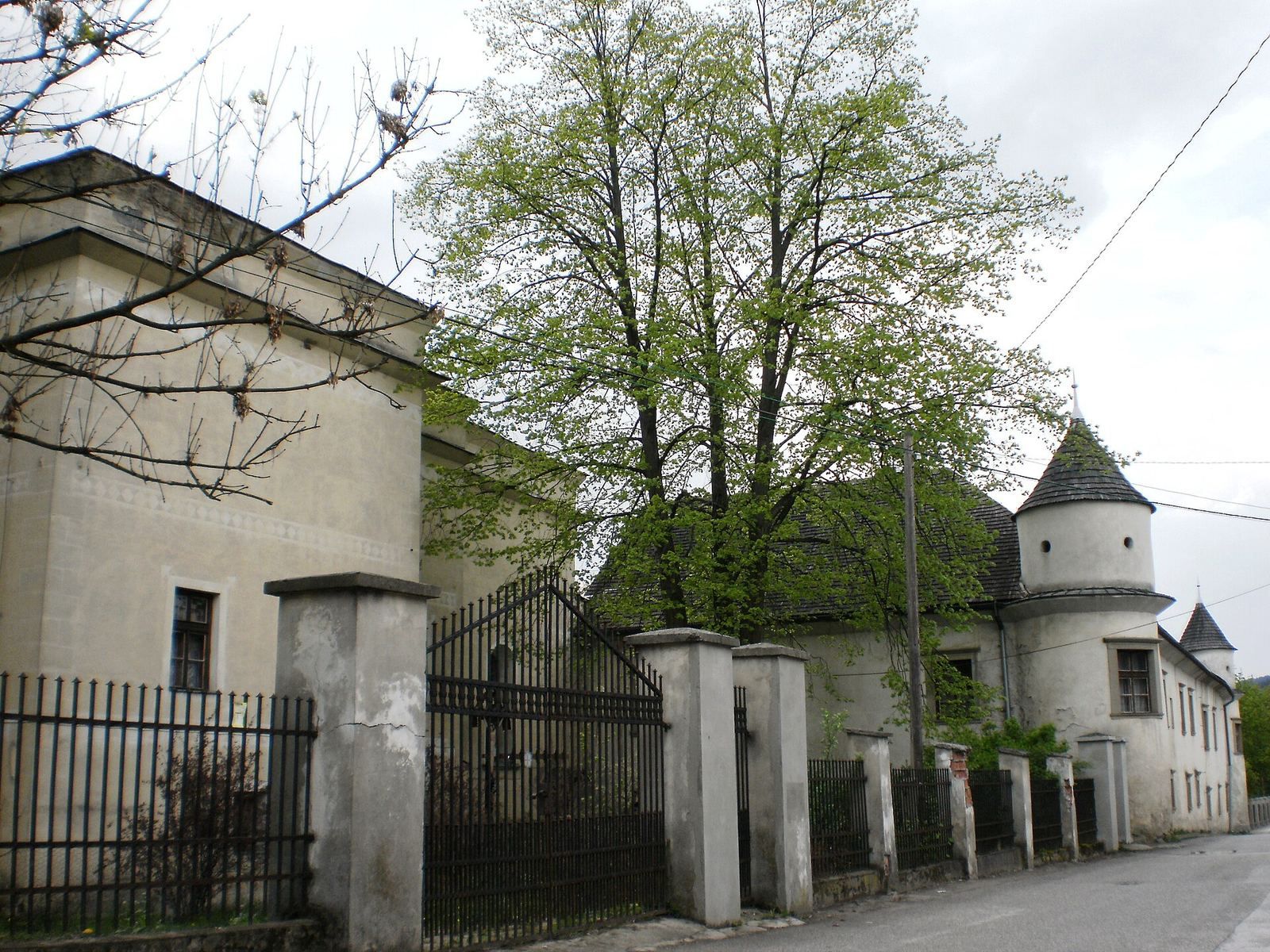
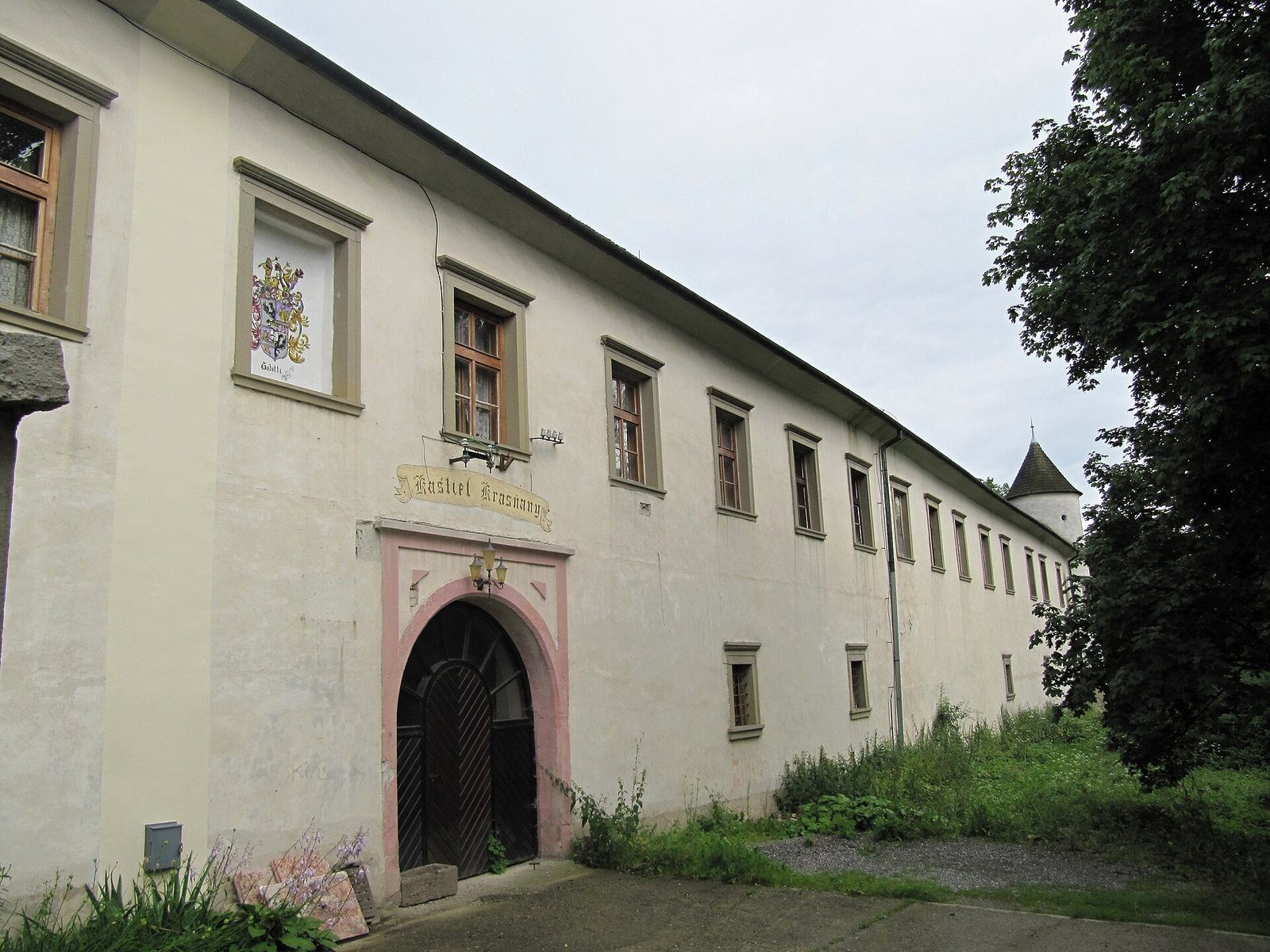
The late-Renaissance complex consists of two houses with different plans, joined by an eighteenth-century ground-floor wing. Its surviving features include corner towers, courtyard arcades, decorative sgraffito, cross vaults, and Renaissance portals.
Older house
The older house has a U-shaped plan and two prism-shaped towers at its corners. Its sgraffito ornament survives. Sgraffito is made by scratching away an outer surface layer to reveal a contrasting layer beneath.
Newer house
The newer house has an L-shaped plan, three round corner towers, and arcades in its courtyard. An arcade is a row of arches supported by piers or columns.
Vaults and portals
Cross vaults and Renaissance portals, or formal doorways, also survive. A cross vault is formed by intersecting barrel vaults.