Villarsel-le-Gibloux Castle: A Medieval Stronghold in Switzerland
Site at a Glance
- Popularity
- Very Low
- Country
- Switzerland
- Primary era
- Medieval
- Eras represented
- Medieval
- Civilizations
- Unclassified
- Site type
- Military
- Remains
- Castle
On this page5 sections
History
Villarsel-le-Gibloux Castle is a medieval stronghold in Villarsel-le-Gibloux, Switzerland, generally dated to the early thirteenth century. A castle at Vilarsel was built around 1212–1220 on the order of Bechtold of Neuchâtel, bishop and leader of the Lausanne diocese, but it is uncertain whether this was the present castle or Villarzel-l’Évêque. Bechtold’s successor, Bishop Boniface, may have fortified it.
Origins and naming
The place-name additions le Gibloux and l’Évêque came into use around the thirteenth century, but were not applied consistently. A burning in 1275, once associated with a castle called Villarsel, probably concerned Villarzel-l’Évêque. Similar names elsewhere, including Villarsel-sur-Marly and Château de Villarzel in Vaud, have also contributed to confusion between sites.
Lords and inheritance
The first known lord of the castle was Wilbertus de Villarsel. His son Otto, a knight of Villarsel, inherited it, and ownership later passed through marriage to the lords of Corbières. In 1346, a sale between Rodolphe de Corbière and Jocérius d’Oron brought the castle under the protection of the lordship of Oron; Aymon de Cossonay ratified the agreement.
In 1375, Aymon d’Oron left the stronghold to his nephew Rodolphe de Langin. Rodolphe’s daughter named her husband, Amédée de Challant, as its beneficiary. Challant was bailiff of Chablais, an administrative officer, and his family held the castle until the end of the sixteenth century. The Challants’ arms provided the basis for those of Villarsel-le-Gibloux, which became obsolete after municipal mergers.
War with Fribourg and rebuilding
The Challants supported Savoy, a historical state ruled by a duke, and held their lands as vassals, lords bound to a superior. When Fribourg went to war with the Duke of Savoy, Villarsel was the first target. On 21 December 1447, more than 600 men from Fribourg sacked and burned the castle. They captured its castellan, the official responsible for the castle, and 35 other prisoners.
Peace between Fribourg and Savoy was concluded on 16 July 1448. Fribourg was required to contribute 4,000 florins, a medieval currency, toward rebuilding the castles of Montagny and Villarsel. The amount intended for Villarsel was 90 florins, or possibly 900. Any rebuilding there was probably limited, as the Challants were heavily indebted.
Remains
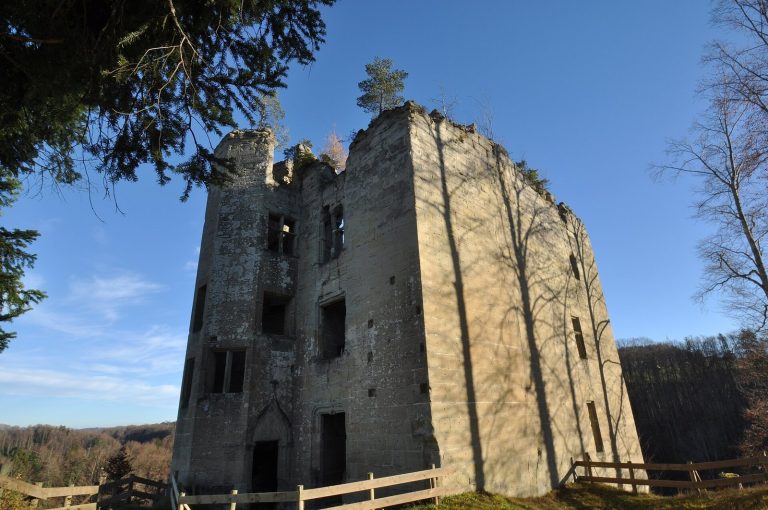
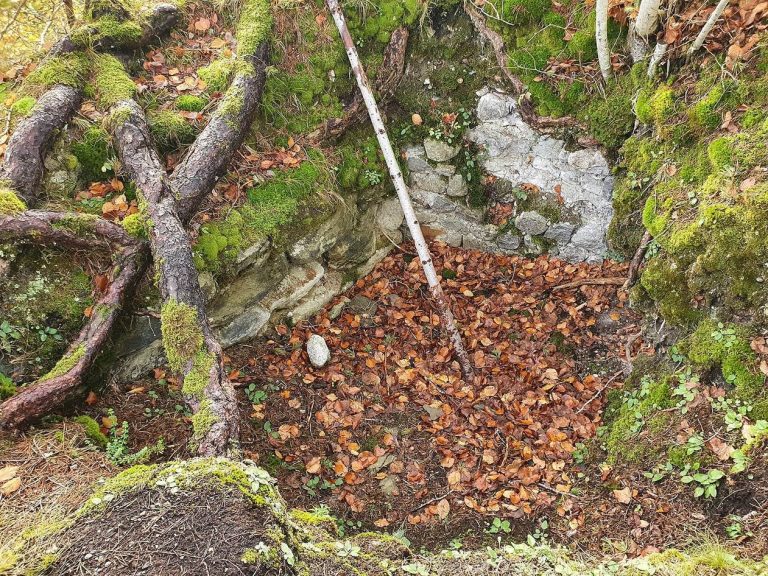
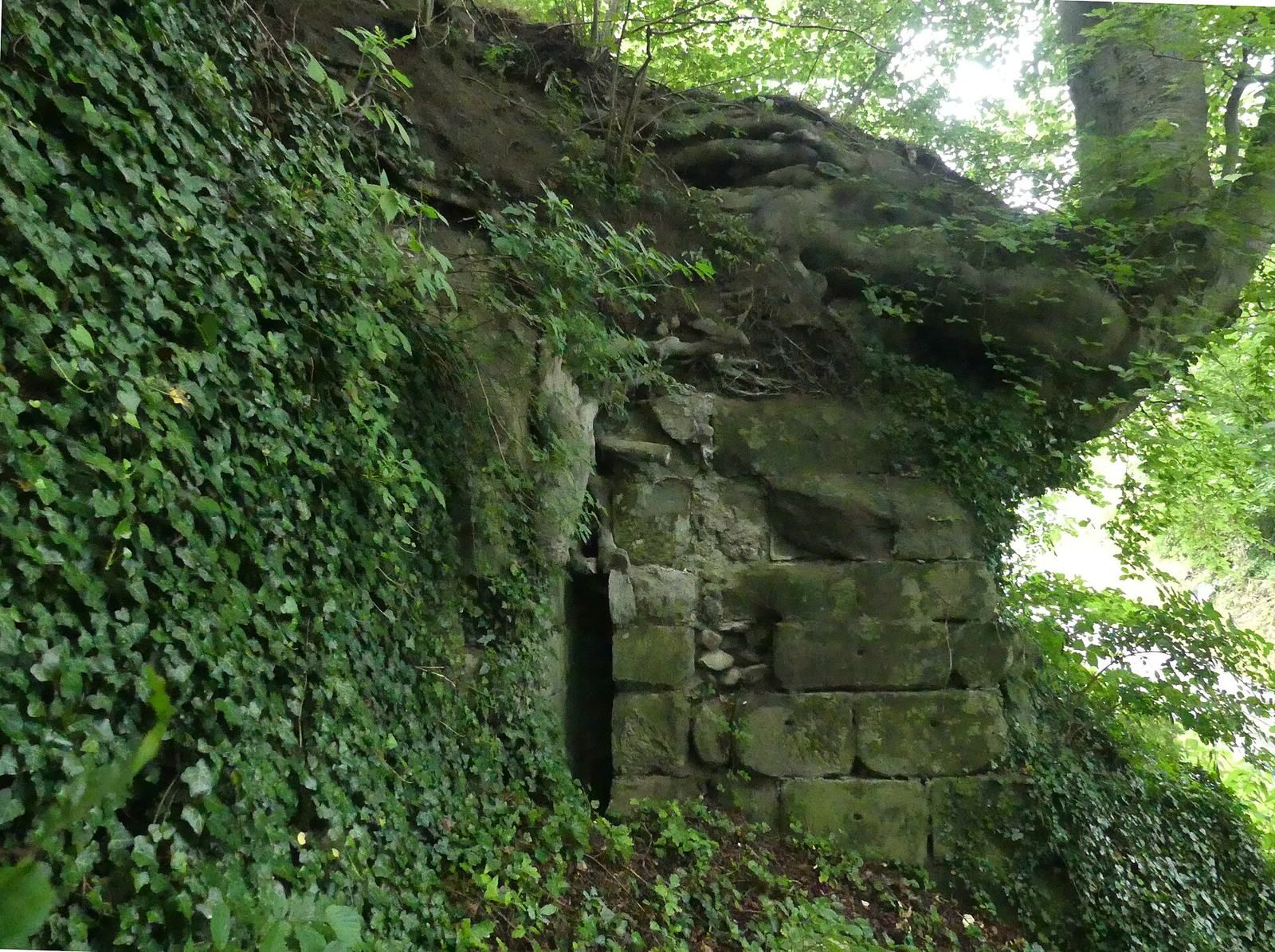
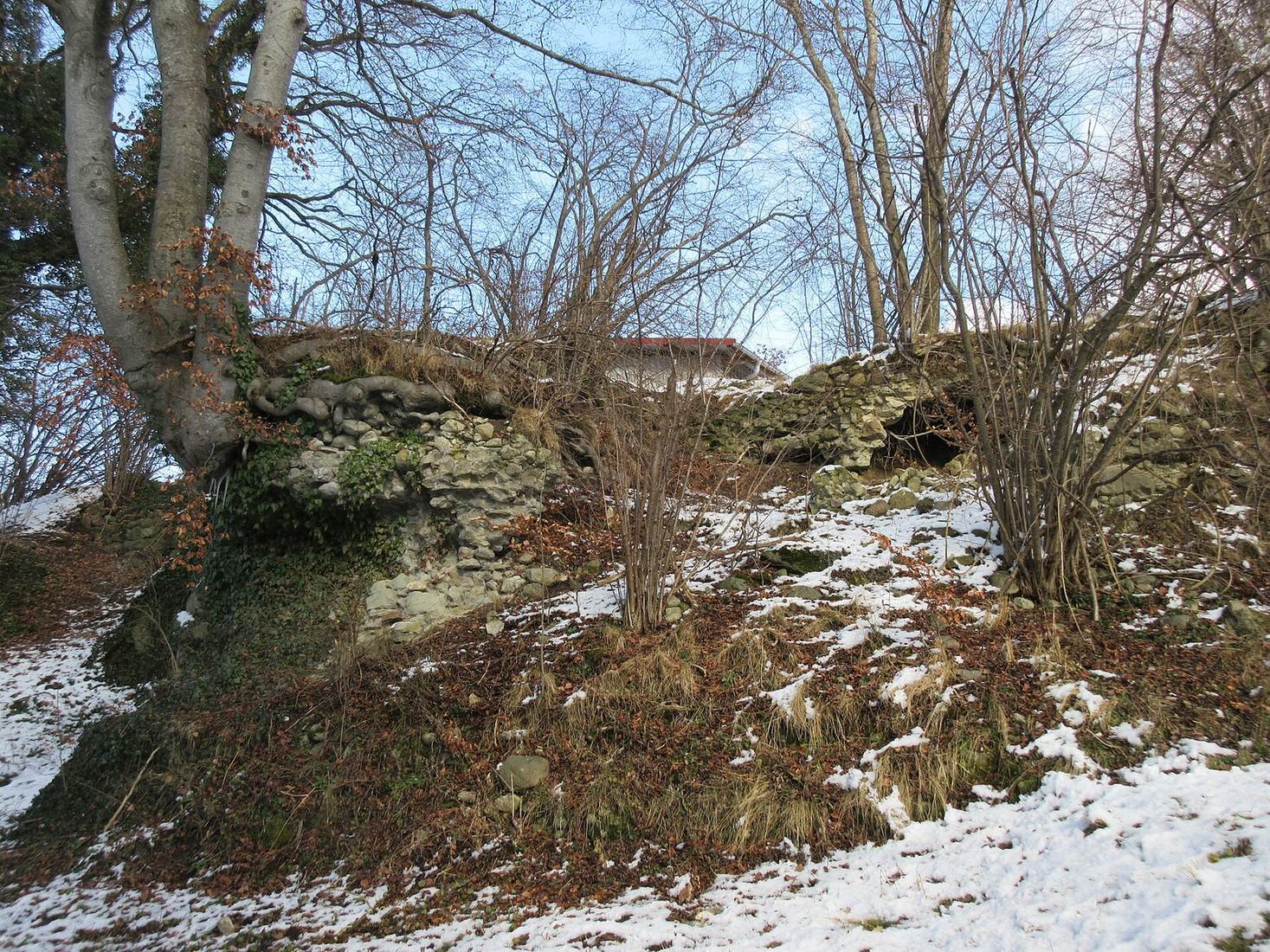
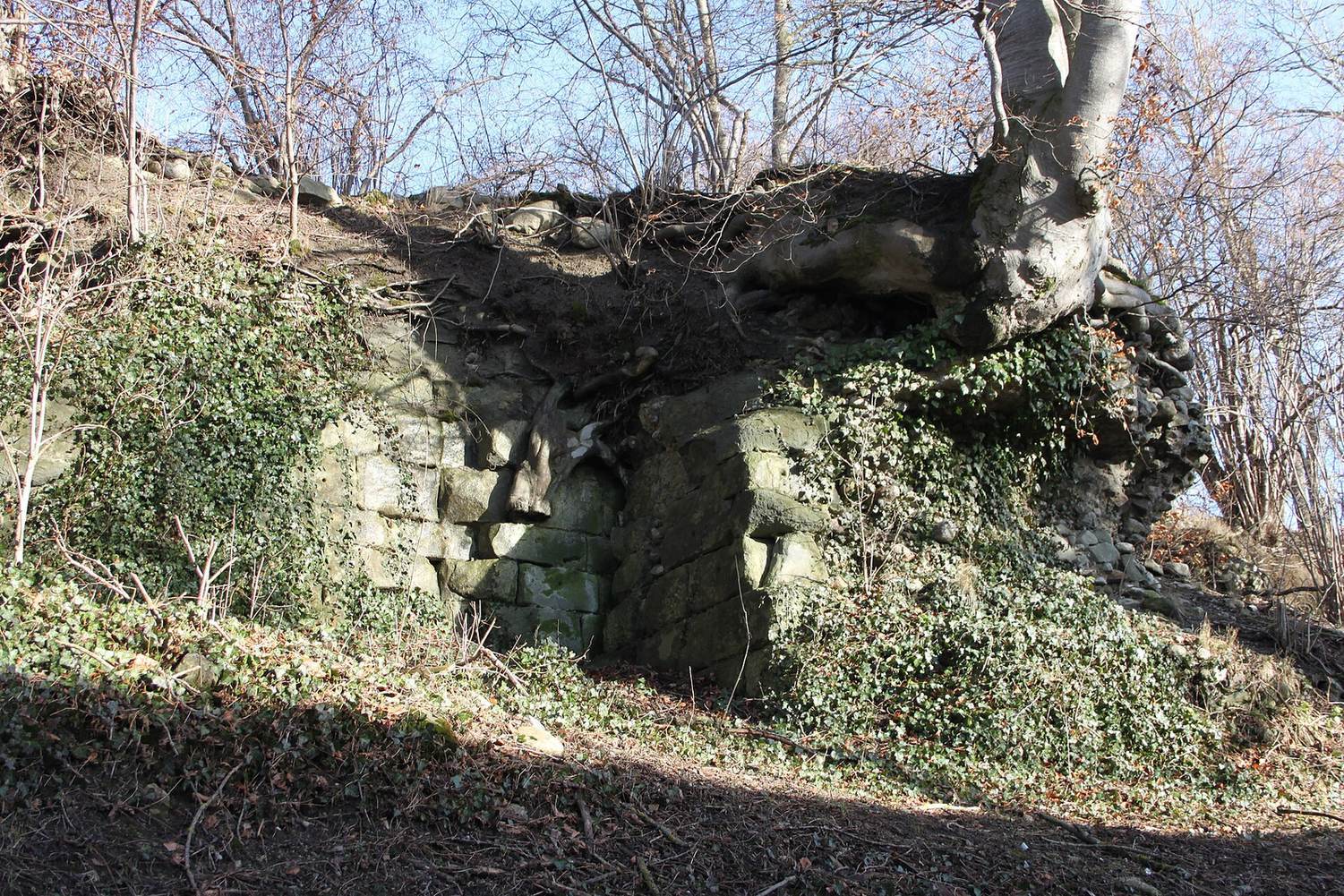
The castle survives as ruins. Their scale suggests that the original building was fairly large.