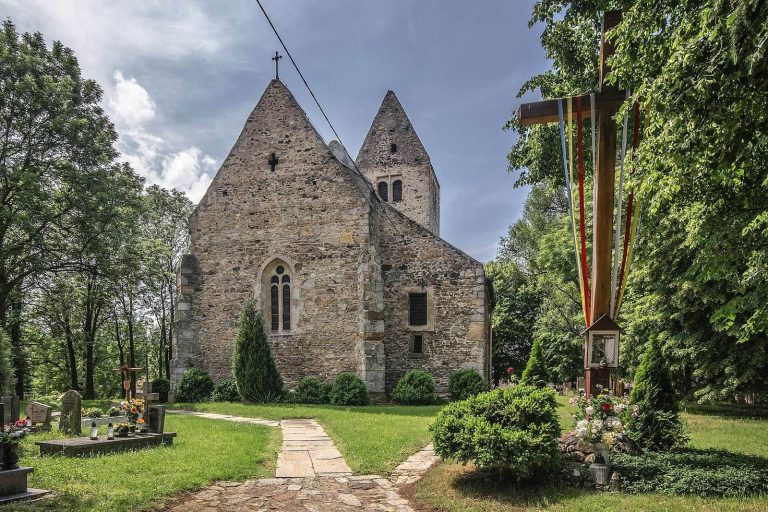
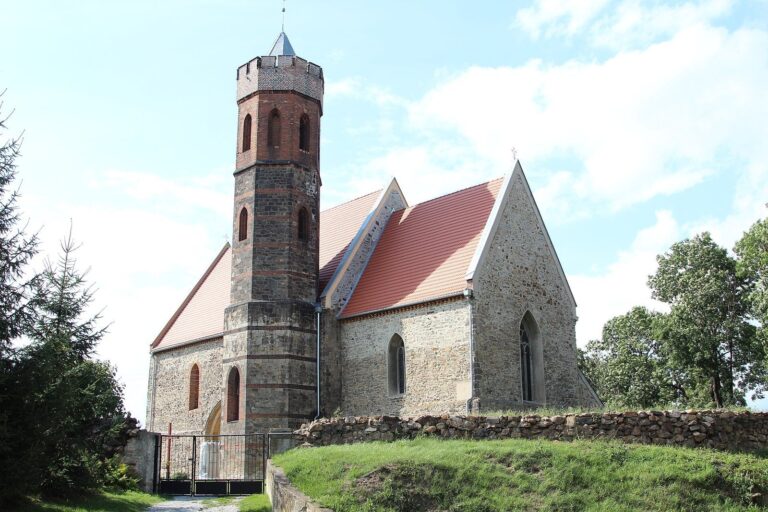
St Michael the Archangel Church in Milin: A Medieval Roman Catholic Filial Church
Site at a Glance
- Popularity
- Very Low
- Country
- Poland
- Primary era
- Medieval
- Eras represented
- Medieval, Early Modern, Modern
- Civilizations
- German, Holy Roman Empire, Kingdom of Bohemia
- Site type
- Religious
- Remains
- Church
On this page6 sections
History
Medieval origins and later changes
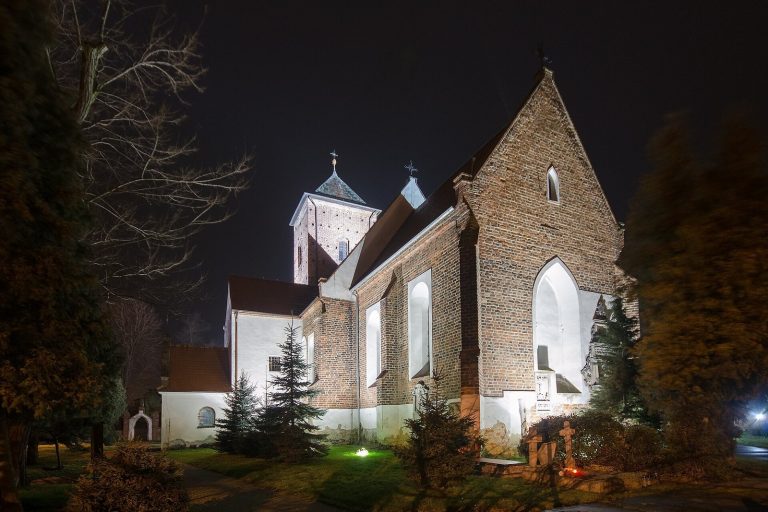
St Michael the Archangel Church in Milin, Poland, is a Roman Catholic place of worship whose present form dates to the early 14th century and follows the Gothic style, a medieval architectural tradition associated with pointed arches and rib vaults. The church was first mentioned in 1297. Its chancel was built in the 15th century, and the main body was remodeled in 1677–1679.
Dedicated to St Michael the Archangel, the church serves as a filial church, meaning it depends on a parish rather than functioning as an independent parish church. It belongs to the parish of the Immaculate Conception of the Blessed Virgin Mary in Maniów Wielki. That parish is part of the Sobótka deanery, a local grouping of parishes, within the Archdiocese of Wrocław, a major church jurisdiction led by an archbishop.
Fires, repairs, and renovation
A fire damaged the church in 1824, after which it was restored. Work in 1858 repaired the chancel vault, roof, and interior. A new roof followed in 1869, a new tower spire in 1881, and further renovation and new interior furnishings in 1882–1883.
New plaster and a plinth, a projecting base at the foot of a wall, were installed in 1929 and 1932 to help limit damp. The roof was repaired in 1967 and the tower in 1977. A fire in 2008 destroyed an altar and part of the floor; the church was renovated in 2008–2009.
Remains
Church building
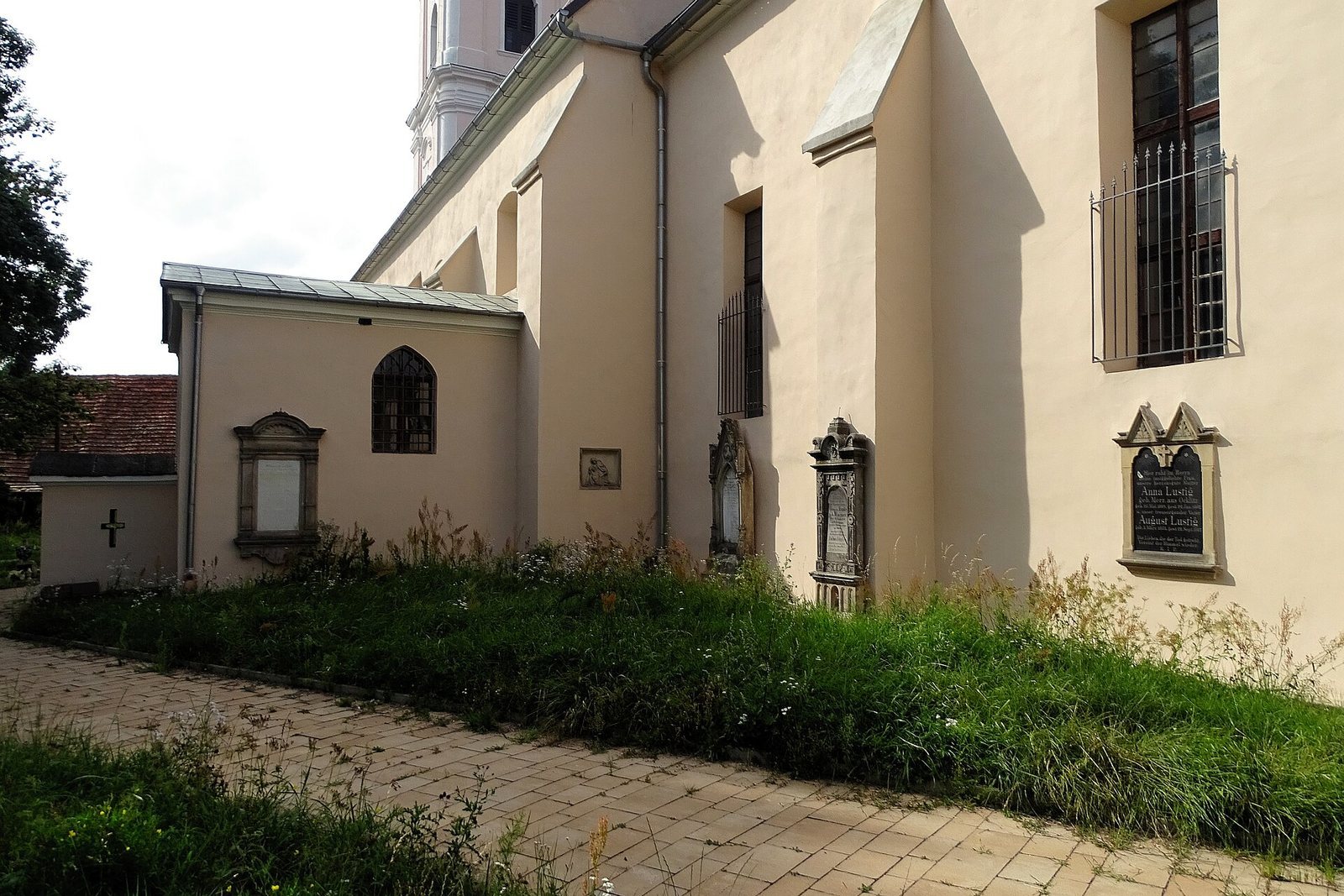
The church is built of brick, with its chancel and altar at the eastern end and a single nave, or main worship hall. A tower stands at the western end. The chancel is covered by a two-bay rib vault, a ceiling whose projecting ribs form its supporting framework. The building contains three altars; the altar in the southern chapel is Classicist, drawing on balanced forms associated with ancient Greek and Roman art. A silver monstrance, a vessel used to display the consecrated Eucharistic host, is kept in the sacristy, a room for vestments and liturgical vessels. The funerary chapel bears the coat of arms of the von Machui family.
Monument to St John of Nepomuk
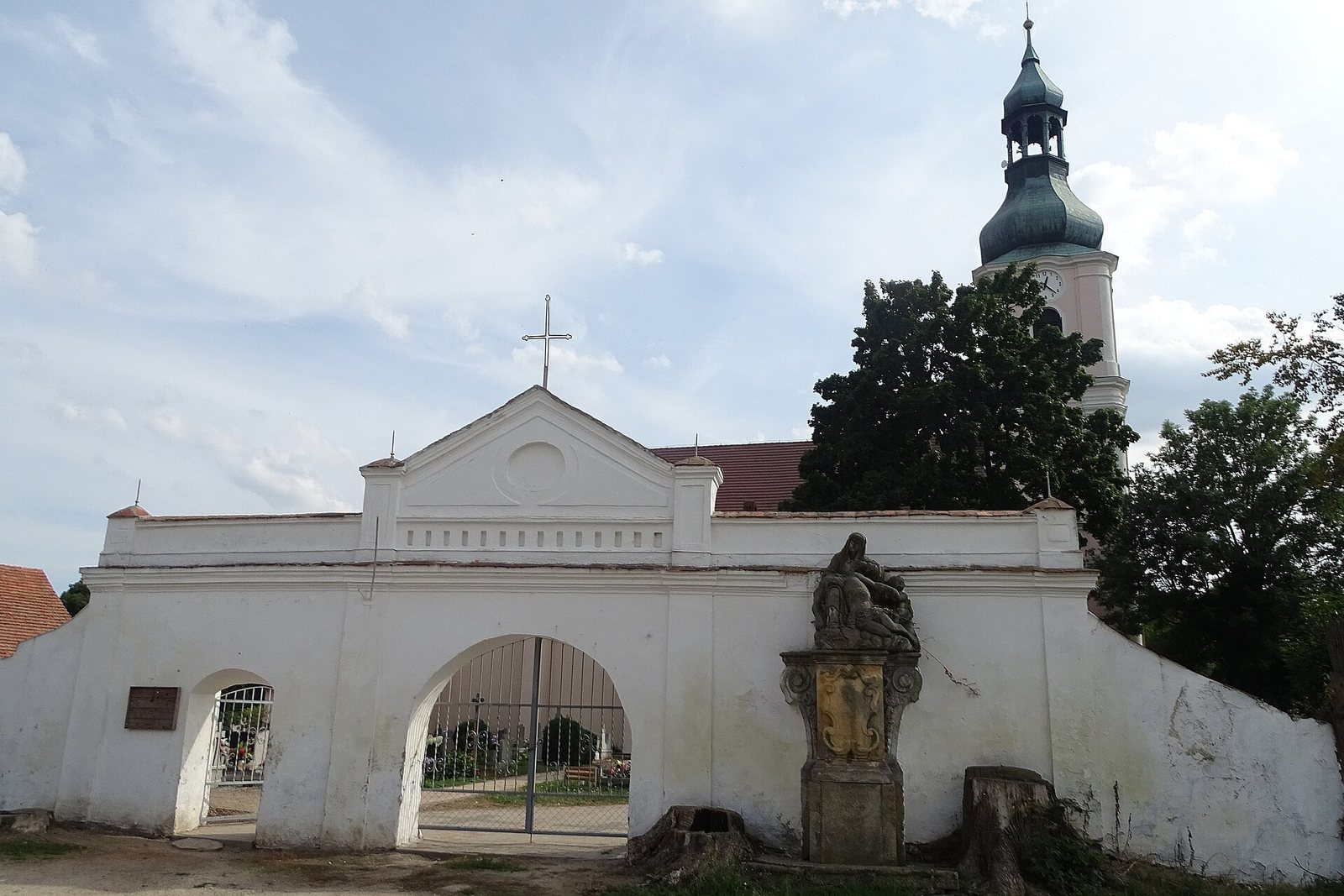
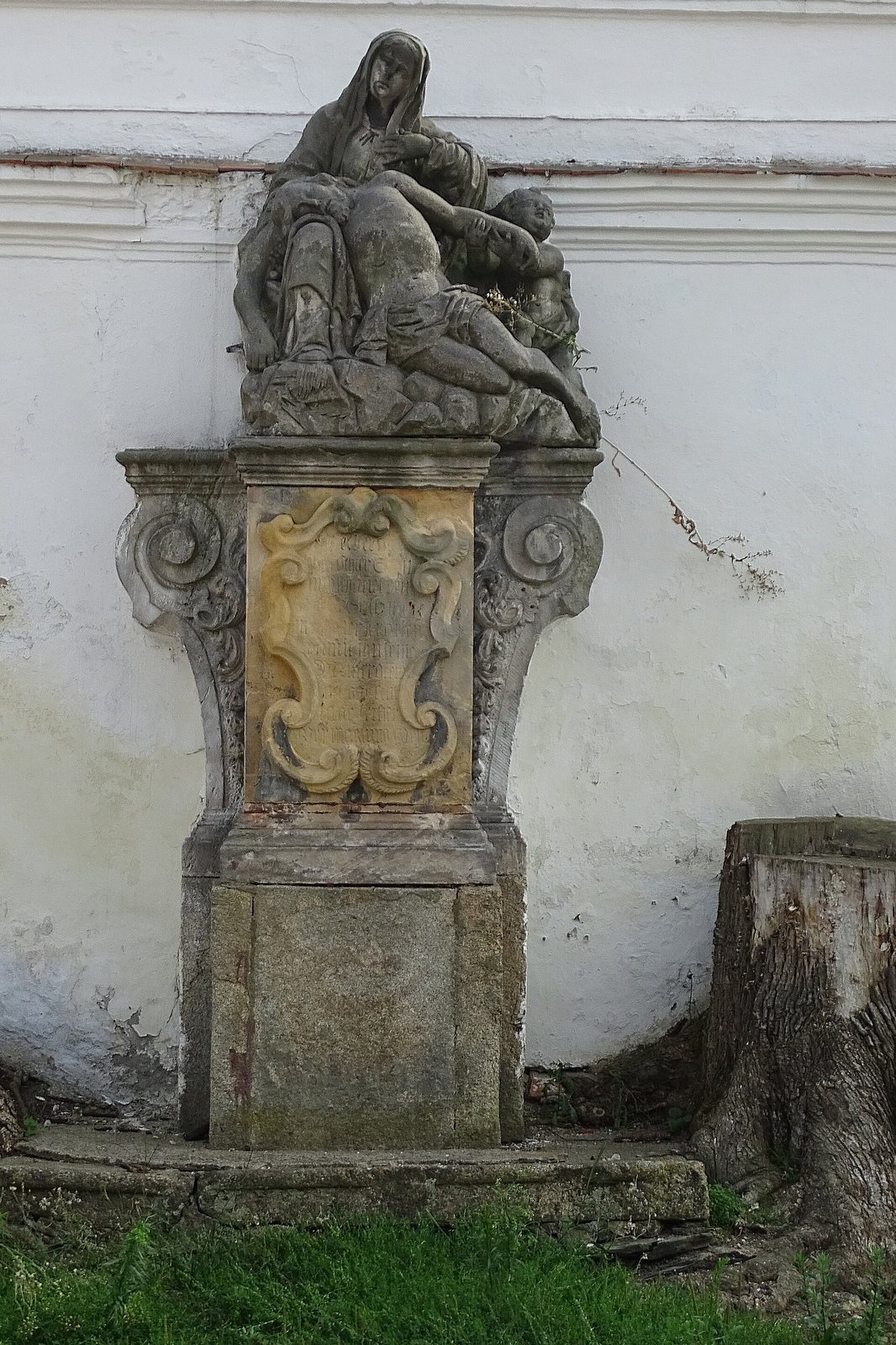
Beside the church stands a Baroque statue of St John of Nepomuk, a Bohemian priest venerated as a Catholic saint. The elaborate artistic style was prominent in the 17th and 18th centuries. The statue dates to 1733 and stands on a three-sided pedestal. One side depicts Queen Sophia’s confession; another shows John being thrown from a bridge into the Vltava. In the traditional story, he was the queen’s confessor and was cast into the river after refusing to reveal her confession.
A plaque on the front carries a Latin dedication to John. Its chronogram, an inscription whose numeral-bearing letters indicate a date, gives the year 1733. The inscription credits the pious Peter Becker with raising the stone monument. The pedestal also displays the coats of arms of the von Petrasch and Becker families, who founded it.