Church of Saints James and Andrew in Bożewo: A Gothic Parish Church in Poland
Site at a Glance
- Popularity
- Very Low
- Country
- Poland
- Primary era
- Medieval
- Eras represented
- Medieval, Early Modern, Modern
- Civilizations
- Kingdom of Poland, Polish–Lithuanian Commonwealth, Russian
- Site type
- Religious
- Remains
- Church
On this page7 sections
History
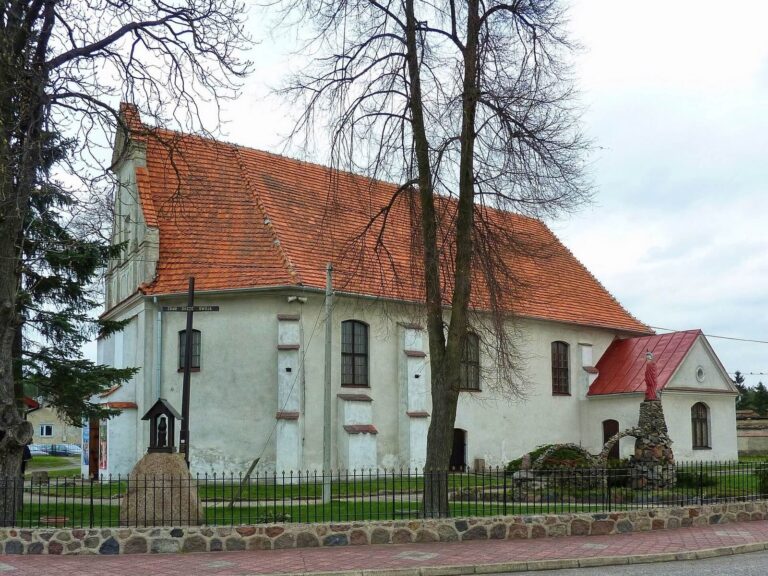
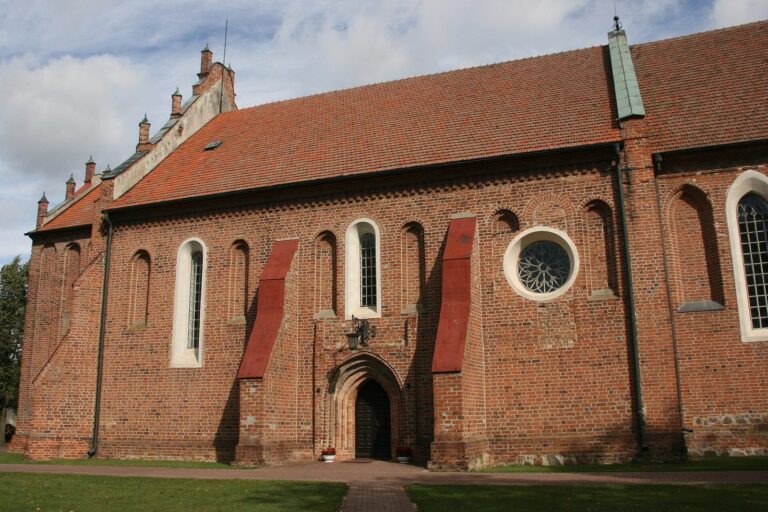
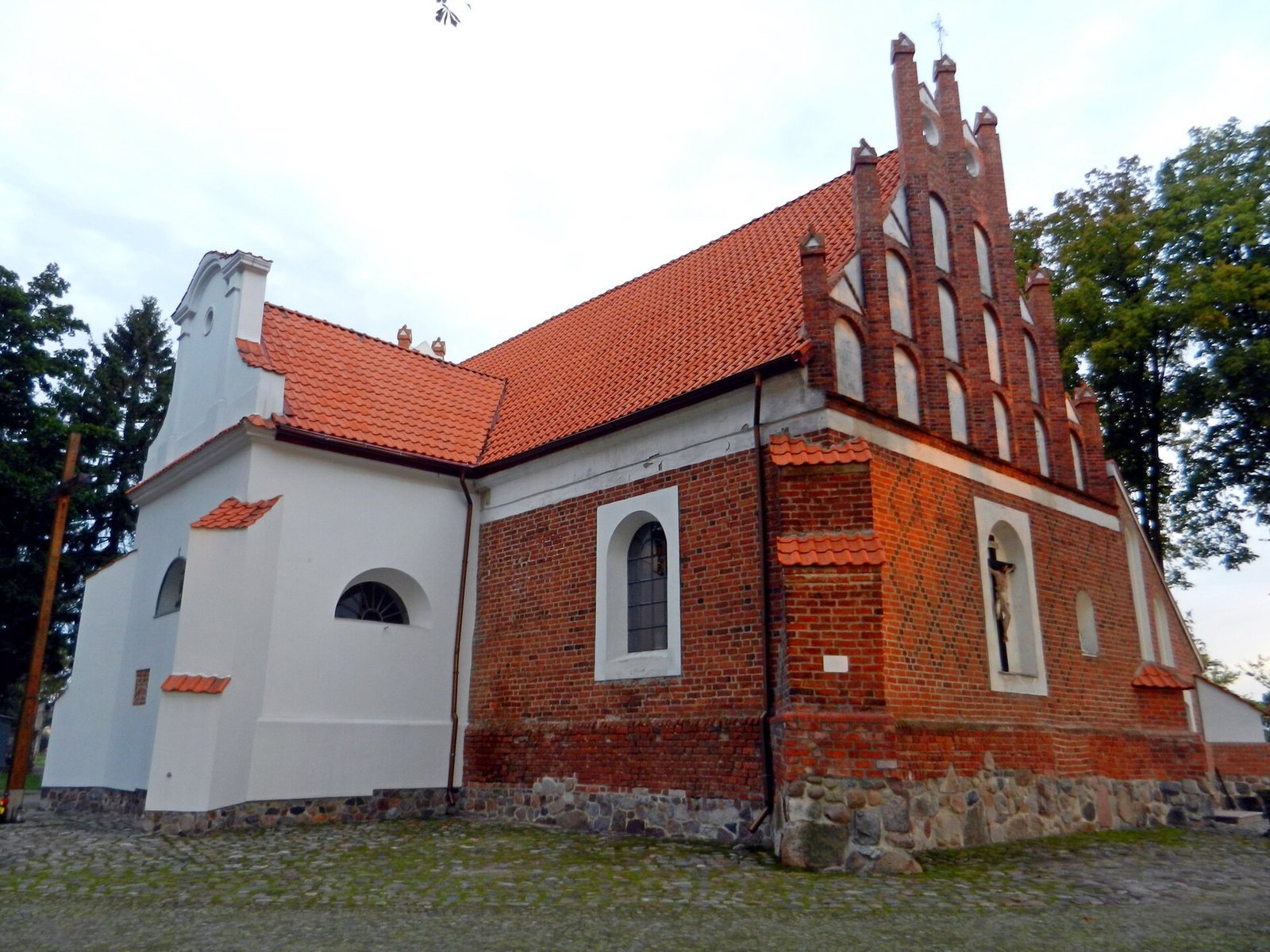
The Church of Saints James and Andrew in Bożewo is a Roman Catholic parish church in Poland, probably built in the second half of the fifteenth century in the Gothic style. It belongs to the Parish of Saint James in Bożewo, within the Tłuchowo deanery of the Diocese of Płock.
Foundation and seventeenth-century history
The church may have been funded by Andrzej z Borzewa, a Polish nobleman whose Lubicz coat of arms was a family emblem. He held the local royal office of district governor of Płońsk and the court office of cupbearer of Płock. The interior was renovated in 1598. Around 1630, the Borzewski family paid for a chapel dedicated to Saint Anne, which was associated with a confraternity, a religious association organized around devotion to the saint.
In 1647, Wojciech Tolibowski, an auxiliary bishop who assisted the bishop of Płock, consecrated the church anew. At that time, the main altar held sculptures of Saints Anne, Andrew, and James. Two side altars were dedicated to the Descent from the Cross and the Blessed Sacrament.
Repairs and renovations
Before 1817, the priest Tomasz Franciszek Jurzyński arranged repairs to the church. In 1910–1912, work carried out through the efforts of the priest Michał Kaczorowski included removing the old porch to expose the main entrance portal and remodeling the sacristy. Interior polychromy, or multicolored decoration, was added in 1913, probably by Aleksander Szredzki, and repainted in the 1960s.
From 1960 to 1968, the priest Bogusław Skowroński oversaw a major renovation. The roof covering was replaced, new plaster applied, and the interior repainted. After a side altar was demolished, the pulpit was moved to its former position. In 1999–2000, the priest Andrzej Feliks Świderski directed major repairs to the roof and walls. Later work addressed interior fittings. An altar was restored in 2012, and the choir loft and organ were renovated in 2018.
Remains
Building and layout
The church is a single-nave Gothic building made of brick laid in mixed bonding patterns and partly covered with plaster. An arch marks the division between the nave and the presbytery, the area around the main altar. A chapel adjoins the south side of the nave; rebuilt in the eighteenth century, it was dedicated to Saint Anne. The sacristy stands on the north side and is described as the oldest part of the church.
Altars and interior furnishings
The present altars date from the eighteenth century. The main altar retains a carved group from the sixteenth century showing Saint Anne with the Virgin Mary and the Christ Child. The church also preserves eighteenth-century liturgical objects, including a monstrance, a vessel used to display the consecrated Eucharistic host, a chalice, and two pewter candlesticks. Marble slabs pave the presbytery and the rest of the church. A slab in the middle of the nave bears the Lubicz coat of arms associated with the Borzewski family.
Organ
Dominik Biernacki of Dobrzyń made the organ in 1900. It has six stops, controls for selecting pipe sounds, and a mechanical action in which keys operate pipes through physical linkages.