Kolona: An Ancient Sanctuary and Settlement on Aegina
Site at a Glance
- Popularity
- Very Low
- Country
- Greece
- Primary era
- Iron Age
- Eras represented
- Stone Age, Iron Age, Classical, Medieval
- Civilizations
- Ancient Greek, Byzantine, Roman
- Site type
- City
On this page15 sections
History
Prehistoric settlement
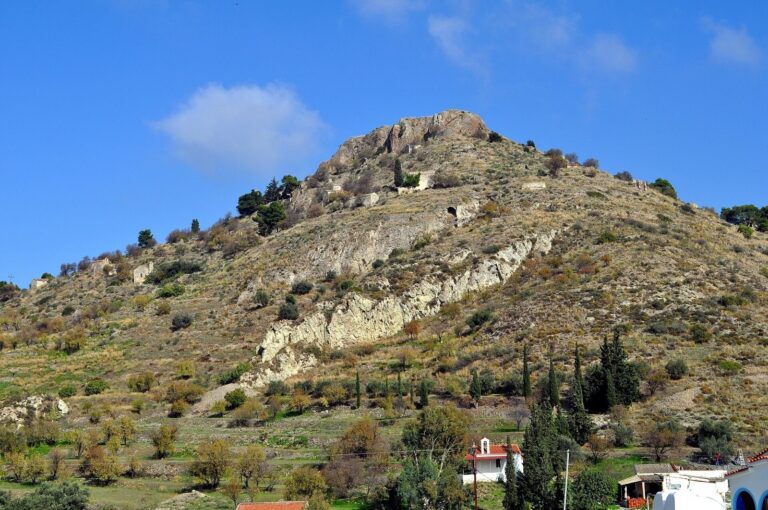
Kolona is an archaeological site on a hill in northwestern Aegina, Greece. Its earliest settlement dates to the Neolithic, the later Stone Age, and successive prehistoric communities followed. The settlement was especially prosperous during the Copper Age, when people used copper alongside stone tools, around 2600–2500 BCE.
Settlement activity declined or stopped sometime between the twelfth and tenth centuries BCE. People inhabited the site again from the tenth century BCE.
Sanctuary and acropolis
Places of worship began to be built in the eighth century BCE. By the seventh century BCE, Kolona had become a sanctuary and an acropolis, the settlement’s elevated, fortified center. The sanctuary prospered through the sixth and fifth centuries BCE. Italian sailors gave the hill its name, using the visible columns of the Temple of Apollo, dedicated to the Greek god associated with prophecy and the arts, as a navigational reference.
Later occupation and abandonment
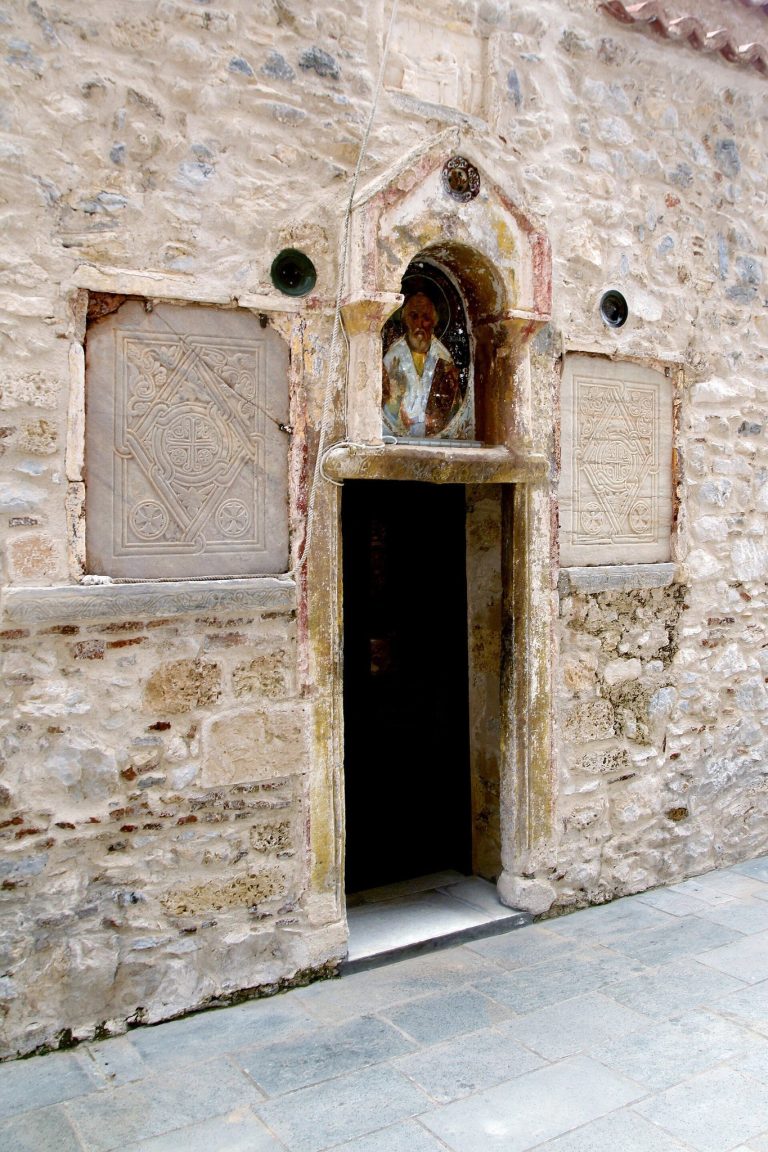
A defensive fortification was built in the third century CE to protect Kolona from attacks. After Christianity reached the area, existing structures were put to new uses. The Temple of Apollo, for example, served as a church in the sixth century CE. Kolona remained inhabited until about 1000, when attacks from the sea prompted residents to leave for Paleochora in the island’s interior.
Excavations
Adolf Furtwängler and Habbo Gerhard Lolling excavated at Kolona before Gabriel Welter led a large campaign from 1921 to 1954. Hans Walter directed further excavations from 1966 to 1992. Since 1994, work has been organized by the Austrian Archaeological Institute of Athens, with Florens Felten directing this later phase.
Remains
Prehistoric settlement and finds
Settlement and production
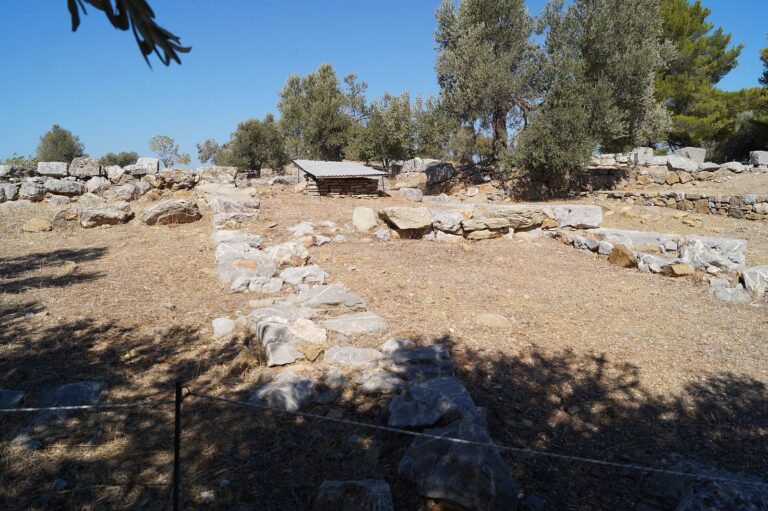
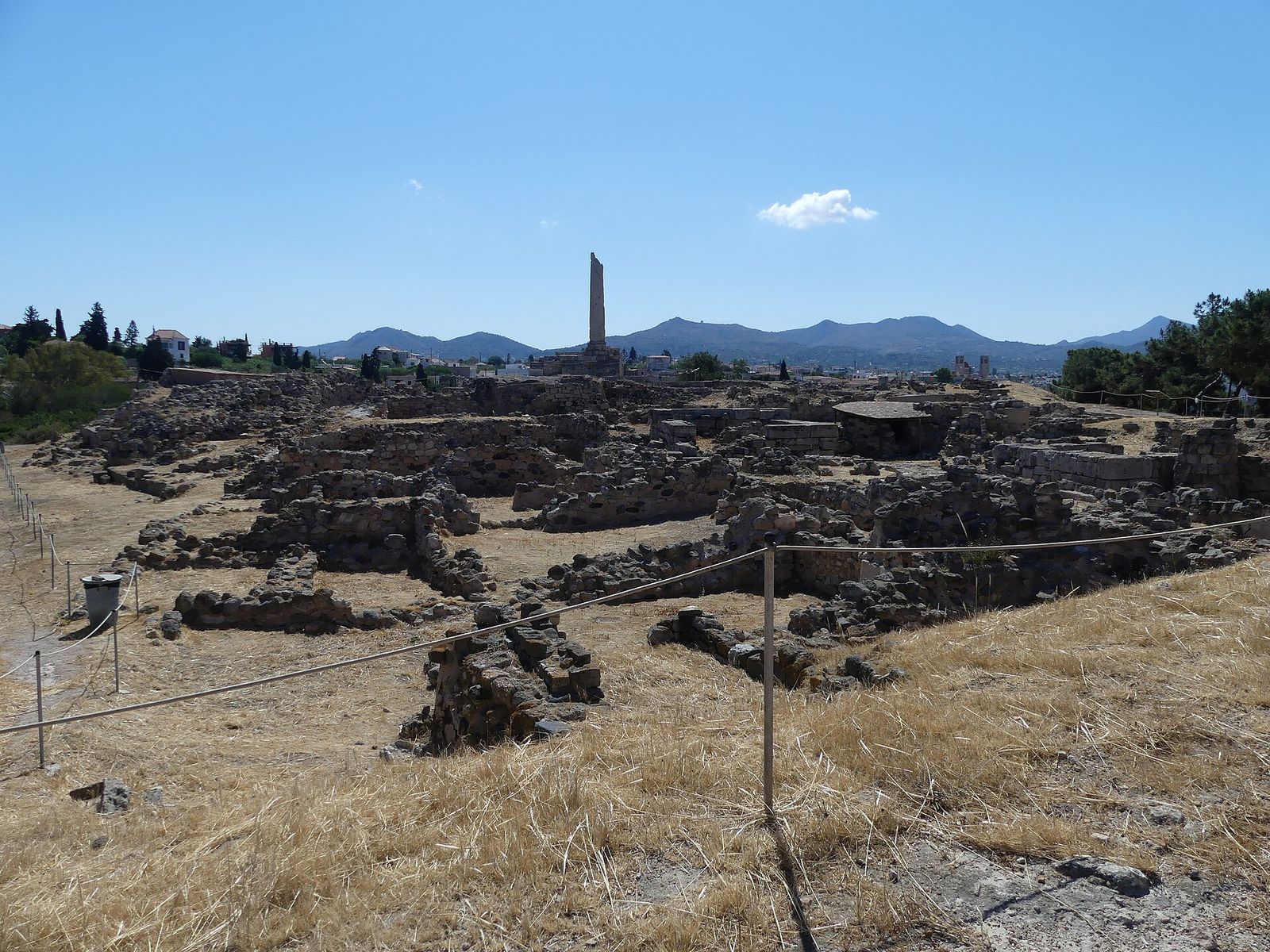
Remains of settlement on the hill include evidence from the Neolithic onward. Numerous clay figurines from the Copper Age depict male and female human figures. A purple-dye workshop operated during Late Helladic IIA, a phase of Greece’s Late Bronze Age, around the sixteenth century BCE. It used a type of snail to produce the pigment.
Animal remains and jewelry
Animal remains from the Late Bronze Age point to sacrificial activity. The Aegina Treasure, a group of Bronze Age jewelry, is thought to have come from a Mycenaean tomb at Kolona. The Mycenaeans were a Bronze Age Greek civilization. The circumstances of the treasure’s discovery in the late nineteenth century are unknown; it was taken to the United Kingdom and is now in the British Museum. In 2025, a deposit associated with the treasure was found. It contains gold and carnelian objects thought probably to have belonged to one necklace, along with other metal objects.
Sanctuary and temples
Temple of Apollo
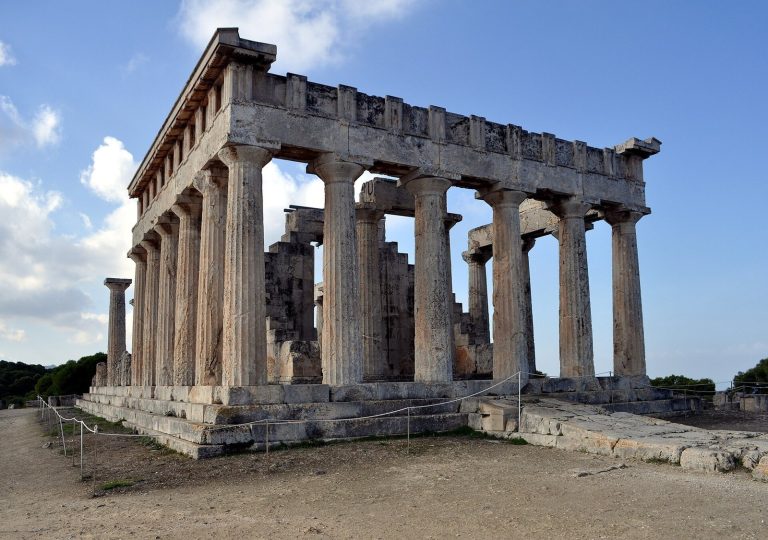
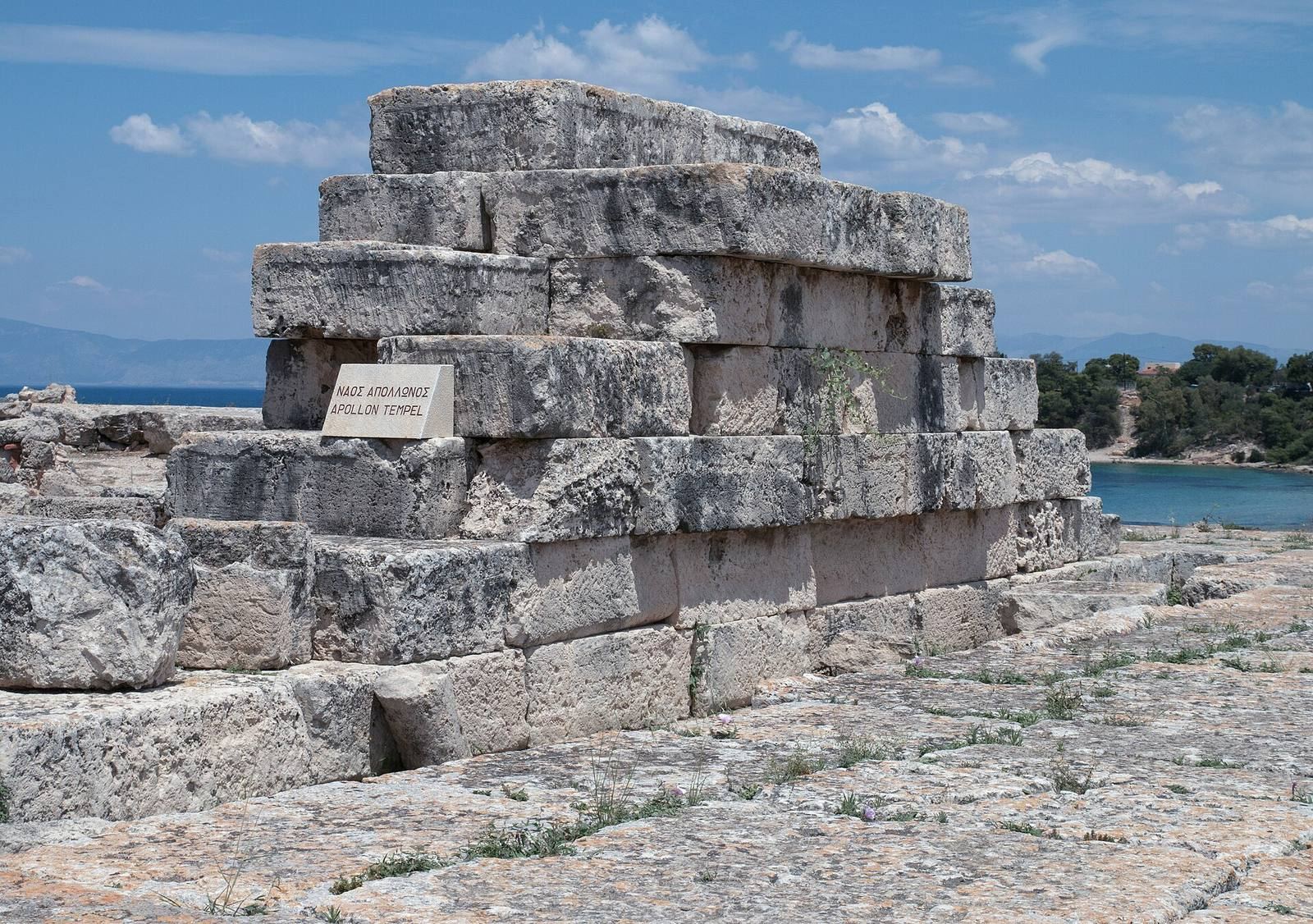
The Temple of Apollo was built in the early sixth century BCE in the Doric order, a classical Greek style with sturdy columns and simple capitals. A colonnade surrounded the building, with eleven columns along each long side and six along each short side. The entrance porch and rear porch each had two columns. Surviving remains include the foundations and a single-stone column from the rear porch, about eight metres high.
Other sacred buildings
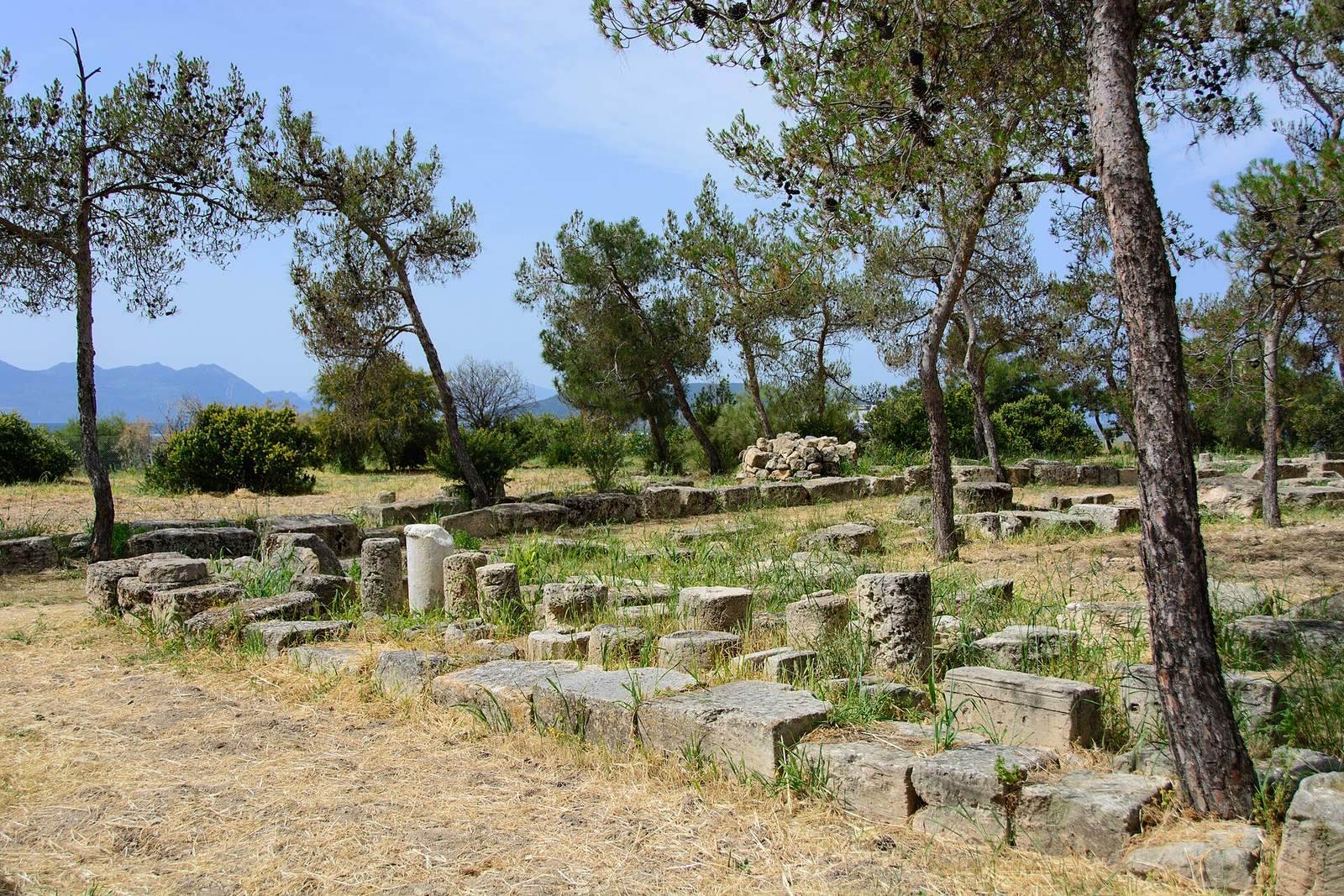
The sanctuary also included an altar, a temple of Artemis, a monumental entrance, priests’ houses, and other buildings. Traces of places of worship associated with Poseidon, Demeter, Dionysus, and Hecate have also been identified. Artemis was the Greek goddess of hunting; Poseidon was associated with the sea; Demeter with agriculture; Dionysus with wine and religious celebration; and Hecate with magic and crossroads.
Fortifications and infrastructure
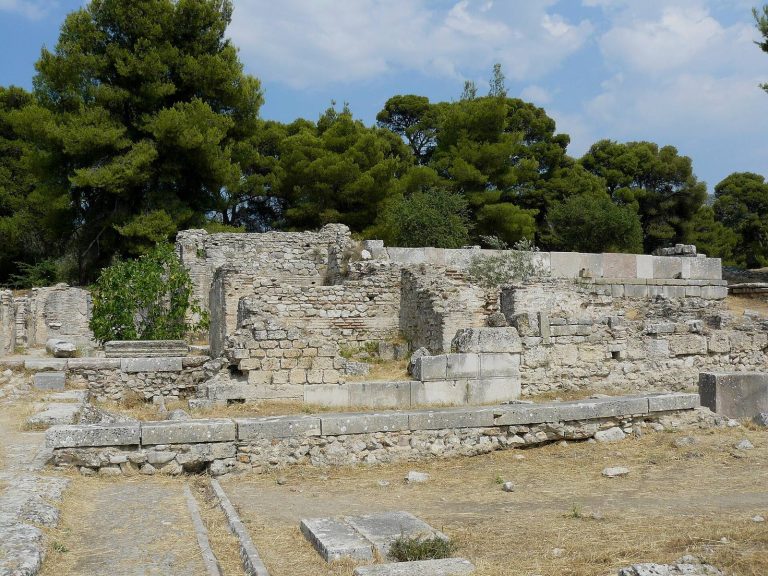
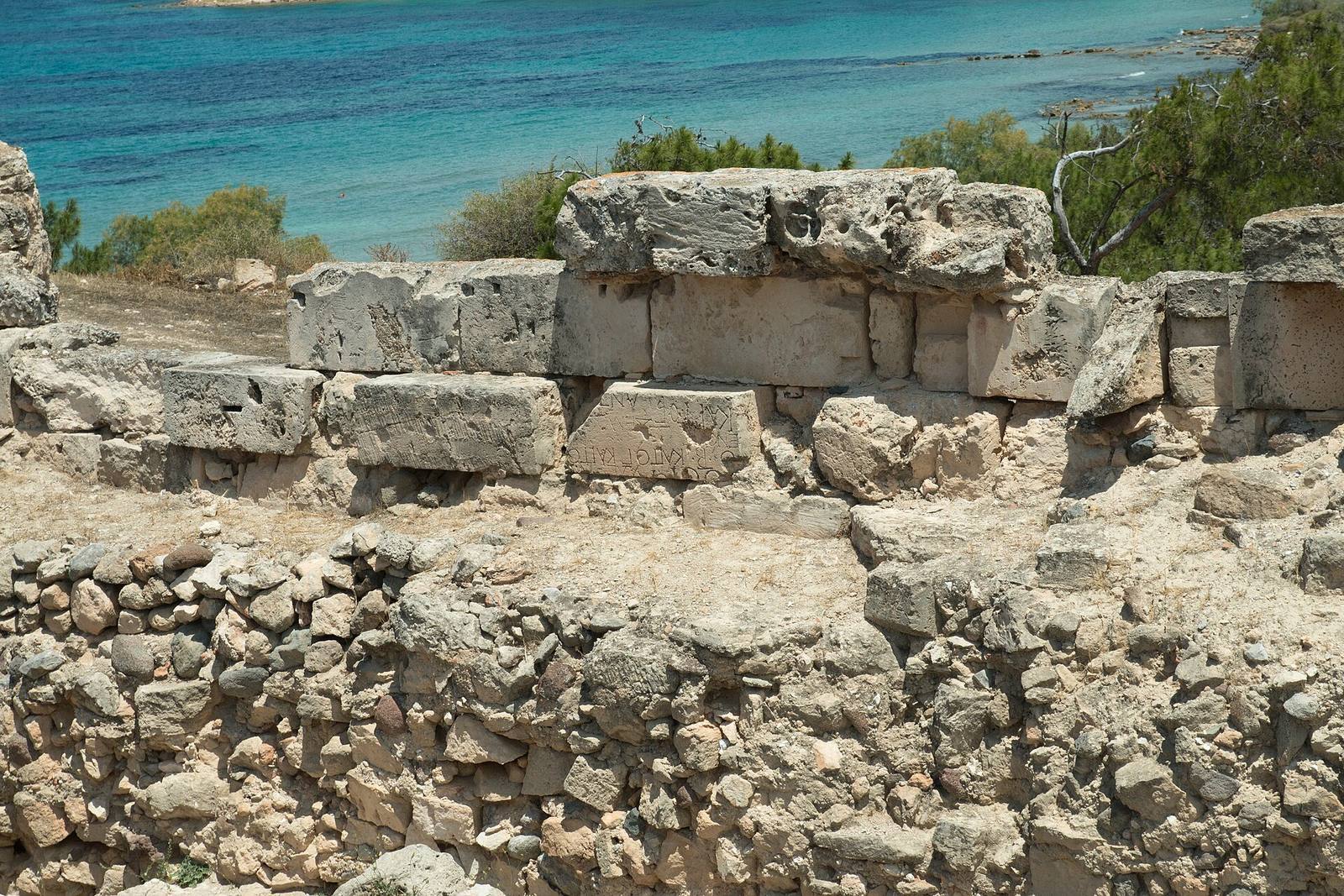
A Greco-Roman defensive wall and other fortification remains occupy the site. Stones taken from sanctuary buildings were reused in the fortification. Excavated infrastructure also includes towers, mills, water conduits, and a Byzantine cistern, or water-storage tank from the medieval Eastern Roman period.
Harbors and civic remains
Harbor facilities occupied areas north and south of the cape. The southern area had two harbors, one probably military and the other commercial. The commercial harbor lay where Aegina’s present harbor is situated. The northern area is thought to have been used first and abandoned first, perhaps because of changes in sea level; the harbor system’s chronology remains uncertain. Other excavated remains include a council building, a theater, a gymnasium, and tombs.
Museum collections
The adjacent Aegina Archaeological Museum displays finds chiefly from Kolona, spanning prehistory to the end of the Roman period. Its collections include pottery, sculptures, and an inscription referring to the Temple of Aphaia, a goddess associated with Aegina.