Palaiochora: Aegina’s Medieval Hilltop Settlement
Site at a Glance
- Popularity
- Medium
- Country
- Greece
- Primary era
- Early Modern
- Eras represented
- Classical, Medieval, Early Modern
- Civilizations
- Ancient Greek, Byzantine, Ottoman, Venetian
- Site type
- City
On this page14 sections
History
Palaiochora is a medieval hilltop settlement on Aegina, Greece, that served as the island’s principal centre from the Middle Byzantine period, a phase in the history of the eastern Roman Empire, until the early 19th century. Its settlement is thought to have taken shape in the 9th century. Palaiochora is also nicknamed the “Mystras of Aegina,” recalling the medieval fortified settlement in the Peloponnese known for its Byzantine churches and architecture.
Ancient and Byzantine origins
The hill has been identified as the site of ancient Oie, which is mentioned by Herodotus and Pausanias. Aeginetans brought wooden cult statues of Auxesia and Damia from Epidaurus. The fertility goddesses were associated with Demeter and Persephone, and festivals were held in their honour.
Pirate raids on Aegina’s coast led inhabitants to move inland to the hill, where the position offered better defence. This resettlement probably occurred in the 9th century, possibly after a raid in 896 by Muslim raiders, which also struck the island.
Latin and Venetian rule
In 1204, the Fourth Crusade, a western European expedition that captured Constantinople, brought Aegina under Venetian control. The island later passed to the Duchy of Athens, a Latin-ruled state in parts of Greece. In 1296 Aegina was given as a dowry to Boniface of Verona; in 1394 it was held by the Caopena family, and in 1451 Venetian rule returned. Construction of Palaiochora’s hilltop castle began in the mid-15th century. In 1462 the Venetians removed the skull of St George from the Church of St George the Catholic and took it to Venice.
Ottoman conquest and abandonment
In 1537 the Ottoman admiral Hayreddin Barbarossa besieged Aegina and captured it after four days. His forces demolished Palaiochora’s houses, while inhabitants were enslaved or killed. Aegina passed to the Ottoman Empire in 1540, and continuing pirate threats prompted people to resettle the hill. Some residents also began conducting raids at sea. Venetian forces led by commander Francesco Morosini besieged Palaiochora for eight days, then departed with between 300 and 600 Albanian inhabitants and 40 Turkish inhabitants.
Venice captured Aegina again in 1687, but the Ottomans retook it in 1715. Palaiochora had about 400 houses in 1765. As piracy declined, residents gradually left the settlement in the early 19th century and moved to the modern town of Aegina.
Remains
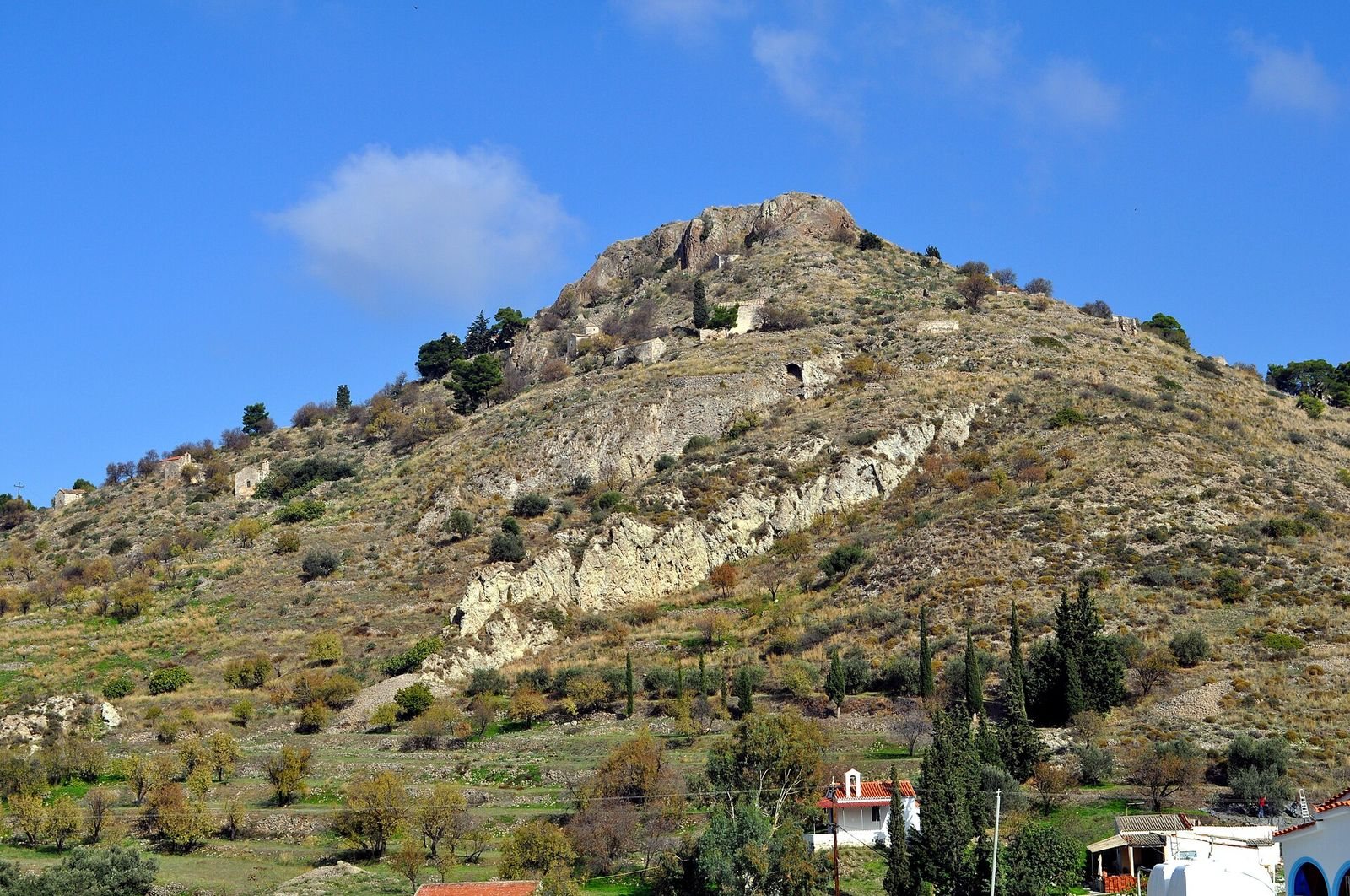
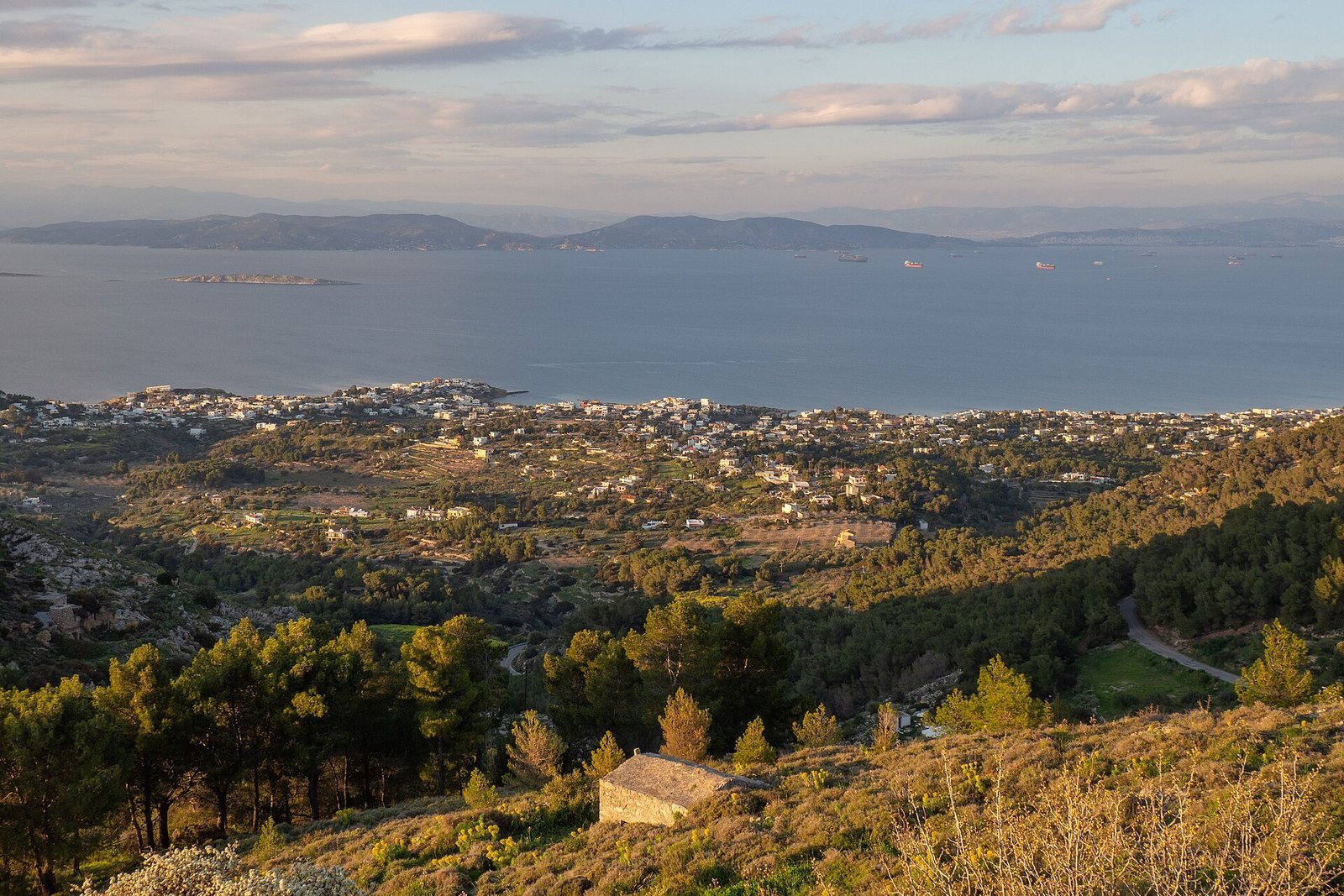
Palaiochora occupies the eastern, southern, and western slopes of a hill in northern Aegina, above the Monastery of St Nektarios and beside the road between Aegina town, Mesagros, and the Temple of Aphaia. The northern slope was left uninhabited so the settlement could not be seen from the sea. The remains include the summit castle, traces of the densely built settlement, and numerous churches.
Settlement and castle
Houses and roads
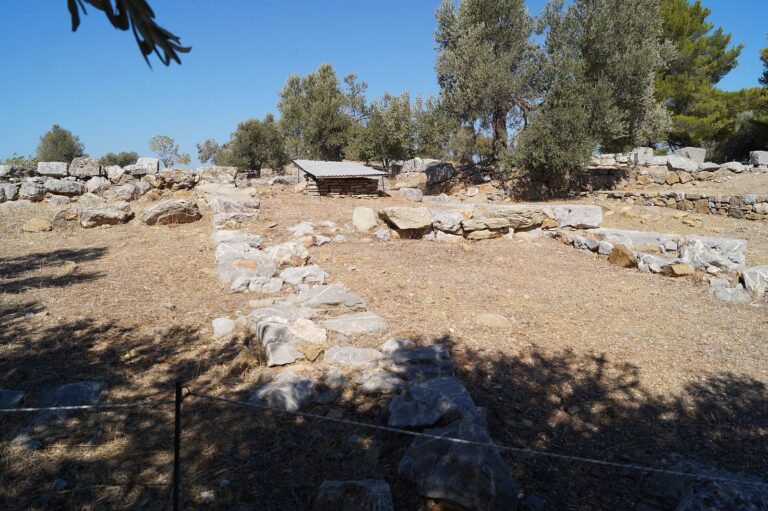
Small houses formed a dense settlement on the hill slopes. Two principal roads climbed towards the castle at the summit. Only a few houses survive, in some places solely as foundation remains.
Summit castle
The castle stands at an elevation of 355 metres. Its steep southern and western sides provided natural defence, while entrances on the north and east connected it with the settlement. Sections of the castle walls survive to heights of up to 1.8 metres.
Cisterns and other buildings
Three cisterns and the ruins of other buildings also survive within the settlement.
Churches
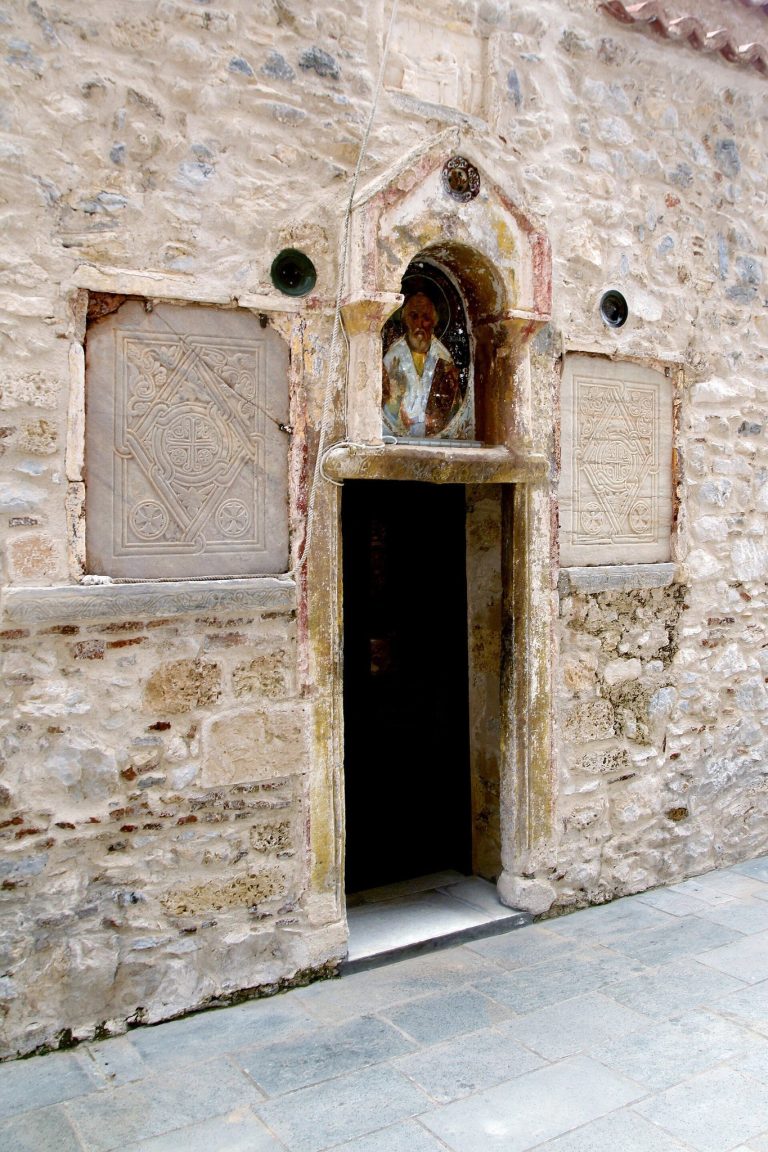
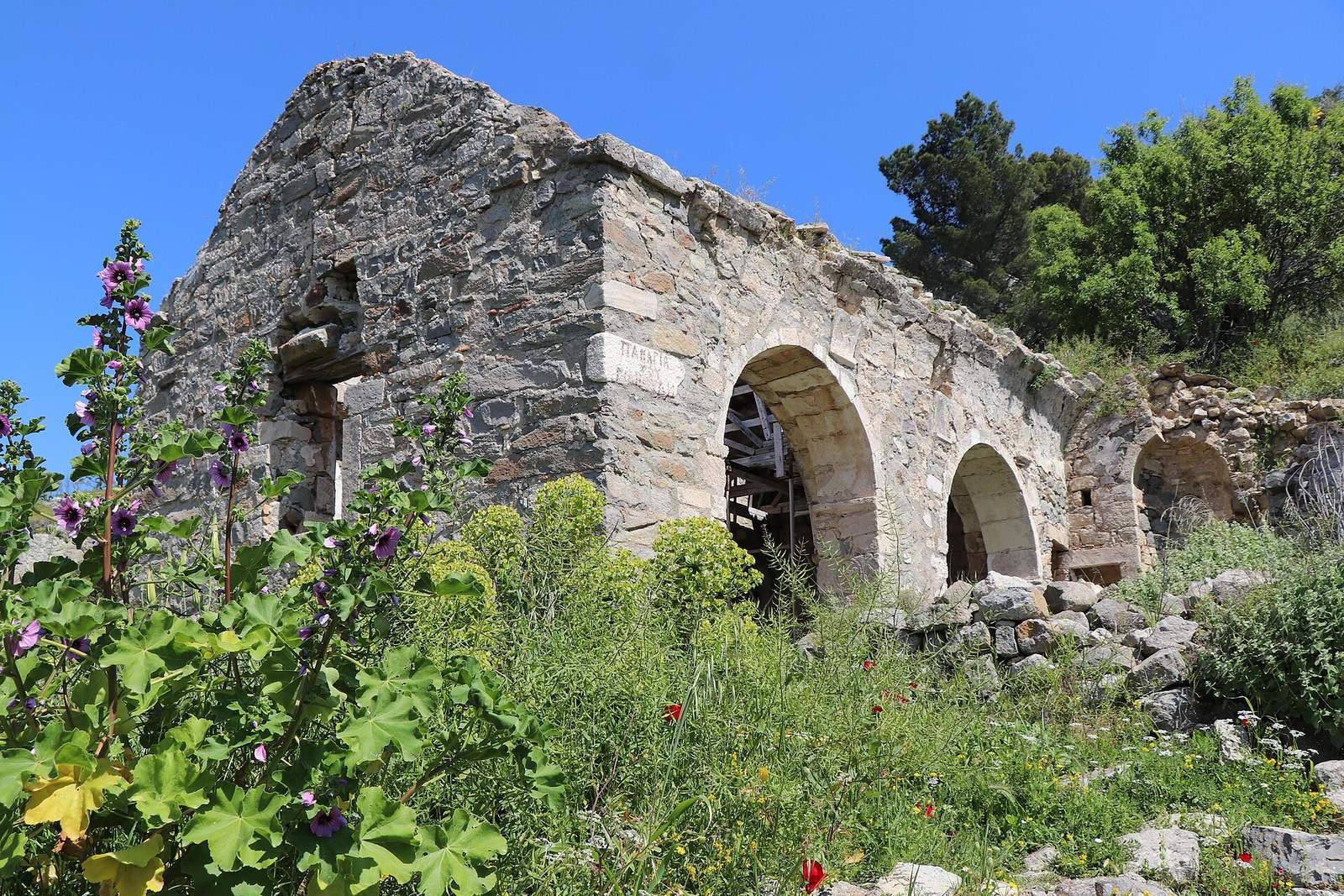
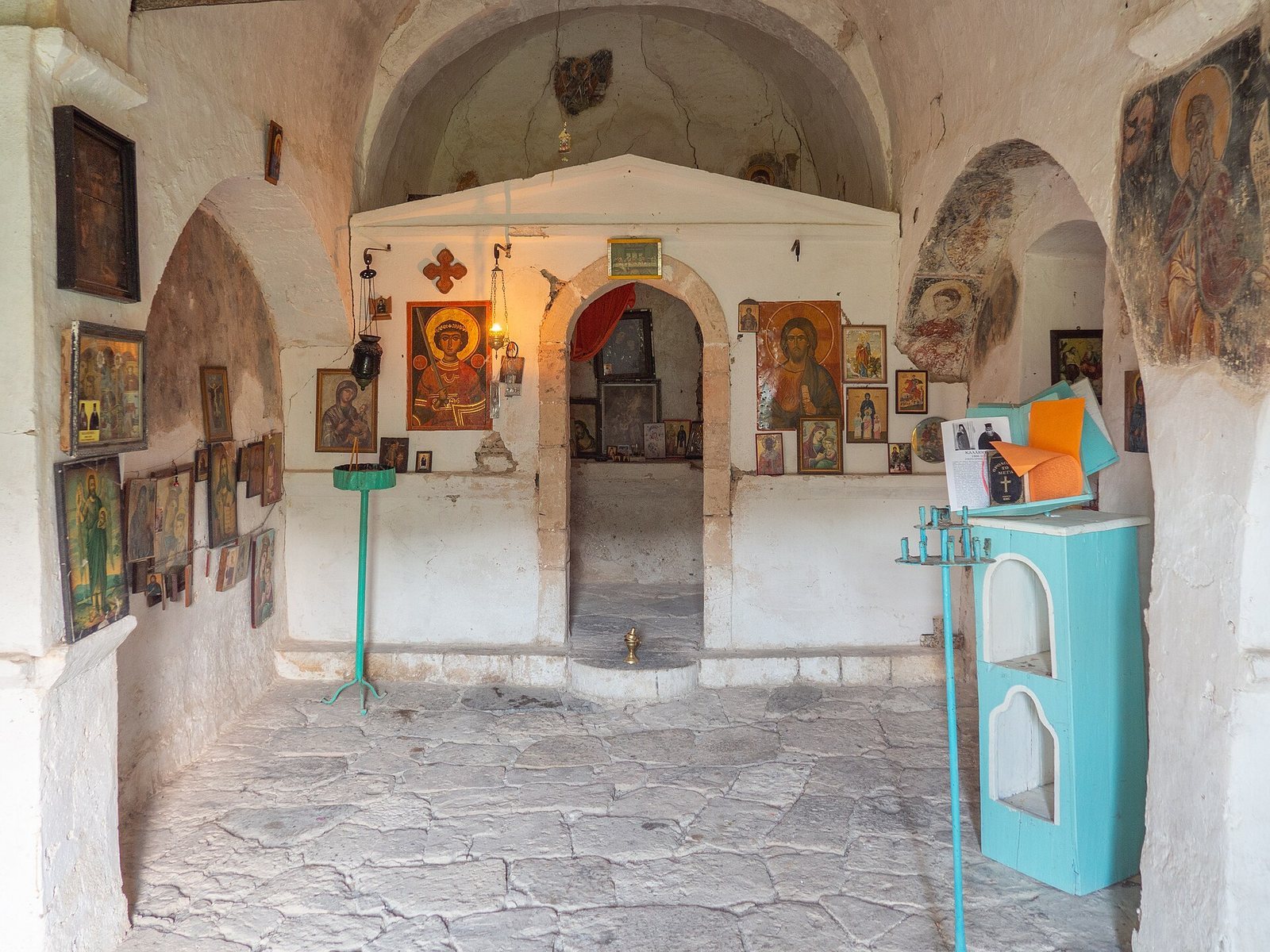
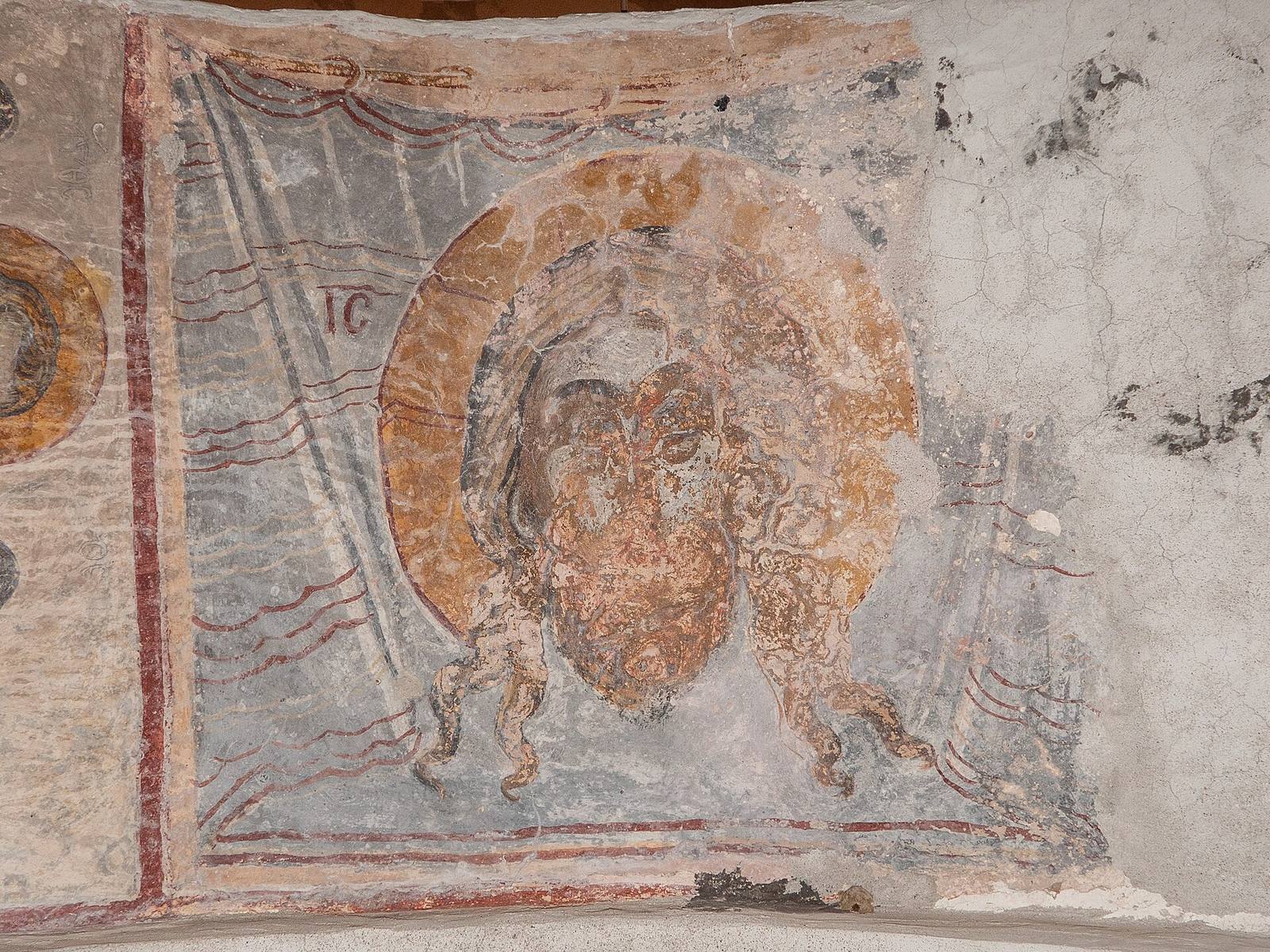
Thirty-eight Byzantine and post-Byzantine churches survive at Palaiochora; post-Byzantine refers to later eras and traditions shaped by Byzantine culture. Many retain interior wall paintings. The individually named churches span the 13th to 18th centuries.
Churches of the 13th to 15th centuries
The Church of the Archangel dates to the 13th century, and the Church of St George the Catholic to the 13th–14th centuries. The Church of St Euthymius and the Church of the Archangel Michael date to the 14th century. The Church of Episkopi, also called St Dionysius, dates to the 14th–15th centuries. The Church of St John the Theologian dates to the late 14th century, and the Church of St Nicholas to the late 14th–early 15th century. The 15th-century Church of the Virgin Mary of Giannouli and the Church of St Kyriaki and the Life-Giving Spring, dated to the 15th–16th centuries, are also among the surviving buildings.
Churches of the 16th century
The Church of St Barbara, the Church of Agia Kryfti, the Church of St Zacharias, the Church of St Spyridon, and the Church of St Charalambos date to the 16th century.
Churches of the 17th and 18th centuries
Seventeenth-century churches include the Church of St Catherine, the Church of St Anne, the Church of St Macrina, the Church of the Holy Unmercenaries, the Church of St George and St Demetrius of the Castle, the Church of St Demetrius, the Church of St John the Forerunner, the Church of St Quiricus, the Church of St Menas, the Church of St Stylianos, the Church of the Holy Theodores, the Church of the Dormition of the Mother of God, the Church of the Dormition of St Anne, the Church of the Transfiguration, and the Church of the Holy Cross. The Church of St Athanasius and the Church of St Nicholas of Episkopi date to the 18th century. The Church of St George and the Church of St Eleutherius date to the 17th–18th centuries, as does the Church of St Stephen.
Earlier architectural remains
Architectural elements from ancient and early Christian periods have also been found in the area.