Kloster Bredelar: A Former Premonstratensian and Cistercian Monastery in Germany
Site at a Glance
- Rating
- 4.4
- Popularity
- Very Low
- Country
- Germany
- Primary era
- Early Modern
- External website
- Open
- Eras represented
- Early Modern, Modern
- Civilizations
- Holy Roman Empire, Kingdom of Prussia
- Site type
- Religious
- Remains
- Monastery
On this page10 sections
History
Kloster Bredelar in Germany is a former monastery in Marsberg-Bredelar, founded in 1170 by Philipp I of Heinsberg, Archbishop of Cologne, as a Premonstratensian convent. The Premonstratensians were members of a twelfth-century order of religious canons. The foundation was established on land obtained from the archbishop’s vassal Gottschalk von Padberg and developed through later medieval, Baroque, industrial, and conservation phases.
Foundation and Cistercian administration
Gottschalk von Padberg received the monastery’s bailiwick, the protective and administrative authority exercised by a lay official over a religious institution. The foundation was endowed with the monastery grounds, the chapel at Bremen near Werl, several farmsteads, and a mill. In 1196, Archbishop Adolf I of Cologne transferred Bredelar to the Cistercians, a reform branch of Western monasticism that emphasized austere communal religious life. The first monks arrived from Hardehausen Abbey, the nuns moved to Rumbeck Abbey, and Bredelar entered an institutional filial relationship with Hardehausen. The abbey held the right to elect its own abbots and was exempt from the ordinary internal jurisdiction of the local bishop.
During the thirteenth century, the monastery expanded through gifts from the Lords of Padberg, purchases, and hereditary leases. Its possessions at times extended to vineyards along the Rhine. In 1246, Bredelar entered a prayer confraternity with Wedinghausen Abbey. The Bredelar Bible was produced between 1238 and 1241, during this period of prosperity.
Economic hardship and early modern recovery
Regional feuds and the depopulation of settlements brought economic decline during the fourteenth and fifteenth centuries, when monastic life nearly came to a standstill. Conditions improved in the sixteenth century, allowing the community to renew and improve its furnishings. In 1591, the Cistercian General Chapter removed Abbot Melchior Gruben as an alleged Protestant. Disputes delayed the election of his successor for two years. Under the new abbot, construction resumed and a new high altar was installed.
The Thirty Years’ War, a European conflict from 1618 to 1648, placed the monastery under severe pressure, and most of the monks left in 1631. Abbot Absalon Heuck, who held office from 1640 to 1669, organized the restoration of buildings damaged during the war. Between 1726 and 1766, Bredelar underwent an extensive rebuilding in the Baroque style.
War, fire, and reconstruction
On 5 August 1761, during the Seven Years’ War, French and Prussian troops fought in front of the monastery. The complex suffered severe damage, paid heavy military contributions, and was used as a hospital for about 250 soldiers. About 350 soldiers died in the battle, and soldiers’ graves were still being found along the Diemel in 1932.
An accidental fire during the night of 21 to 22 March 1787 destroyed the monastery complex. It was rebuilt soon afterward, but its debts exceeded 40,000 Reichstaler by 1801. A Reichstaler was a historical German silver currency. At that time, annual income and expenditure were each about 10,000 Reichstaler. Around 1800, the convent had 18 members, including an abbot, prior, subprior, and kitchen master. The monastery held the parishes of Bontkirchen and Giershagen, and temporarily Heringhausen. It generally appointed chaplains in Messinghausen and Rösenbeck, exercised visitation rights over Holthausen, and supplied the provost and chaplain of Himmelpforten.
Secularization and industrial conversion
During the rule of Clemens August of Bavaria, an eighteenth-century Archbishop-Elector of Cologne and ruler of territories associated with the Duchy of Westphalia, diocesan boundaries changed and Bredelar moved from the jurisdiction of Paderborn to the Diocese of Cologne. In 1802, the monastery passed with the Duchy of Westphalia to the Landgraviate of Hesse-Darmstadt. The landgrave dissolved it on 20 February 1804, and its property became a state domain that was initially leased. In 1816, the former monastery came under Prussian rule.
This secularization, the transfer of church property into non-ecclesiastical control, also dispersed the monastery’s collections. The archive went to the State Archives in Münster. The library contained more than 1,300 volumes in 1804. Ten valuable manuscripts and eleven printed works went to the landgrave’s court library, some books passed to local parishes, and much of the remaining library eventually reached the university library in Münster. The Bredelar Bible was taken to Darmstadt and is now held by the University and State Library of Darmstadt.
In 1842, Theodor Ulrich bought the former monastery and established an iron foundry there. Between 1826 and 1870, the Ulrich firm installed blast furnaces within the complex, including in the nave of the former church. After 1931, the buildings served various commercial and other purposes. During the Second World War, they housed a large storehouse for textiles and household goods. After American troops occupied Bredelar on 30 March 1945, local inhabitants and former German prisoners looted the storehouse on 12 April.
Conservation and present use
Most of the complex stood unused from about 1980. Local preservation efforts and searches for a suitable new use began around 1990. The Förderverein Kloster Bredelar was founded on 11 August 2000, and restoration of areas intended for public use began in 2002. The association received the Europa Nostra conservation award in 2011. Parts of the former monastery now serve as a cultural and conference centre, while the complex also contains a museum devoted to the former Theodorshütte. Since the 2000s, the main building has housed the office of the Association for Nature and Bird Conservation in the Hochsauerland district.
Remains
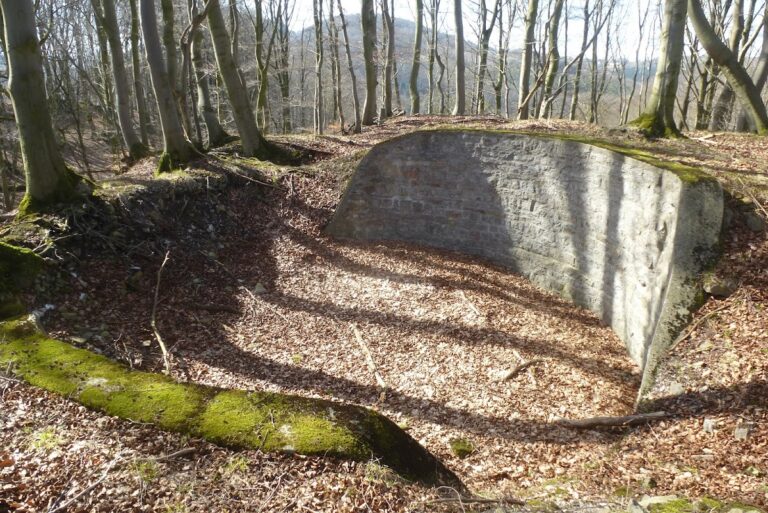
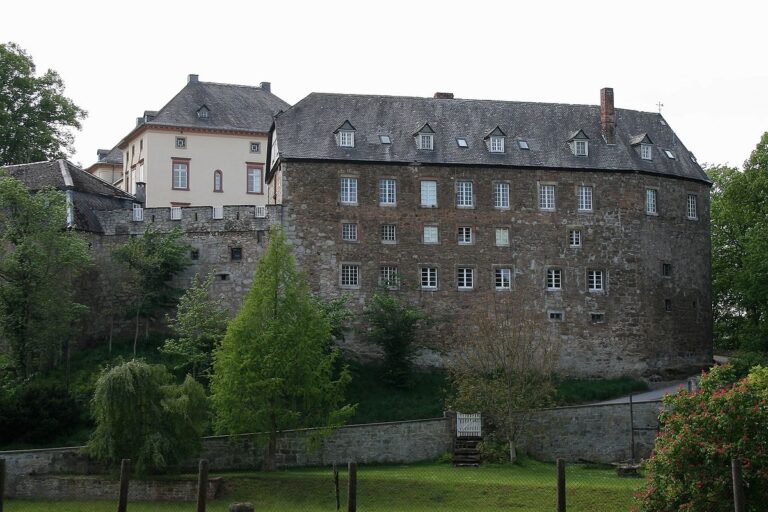
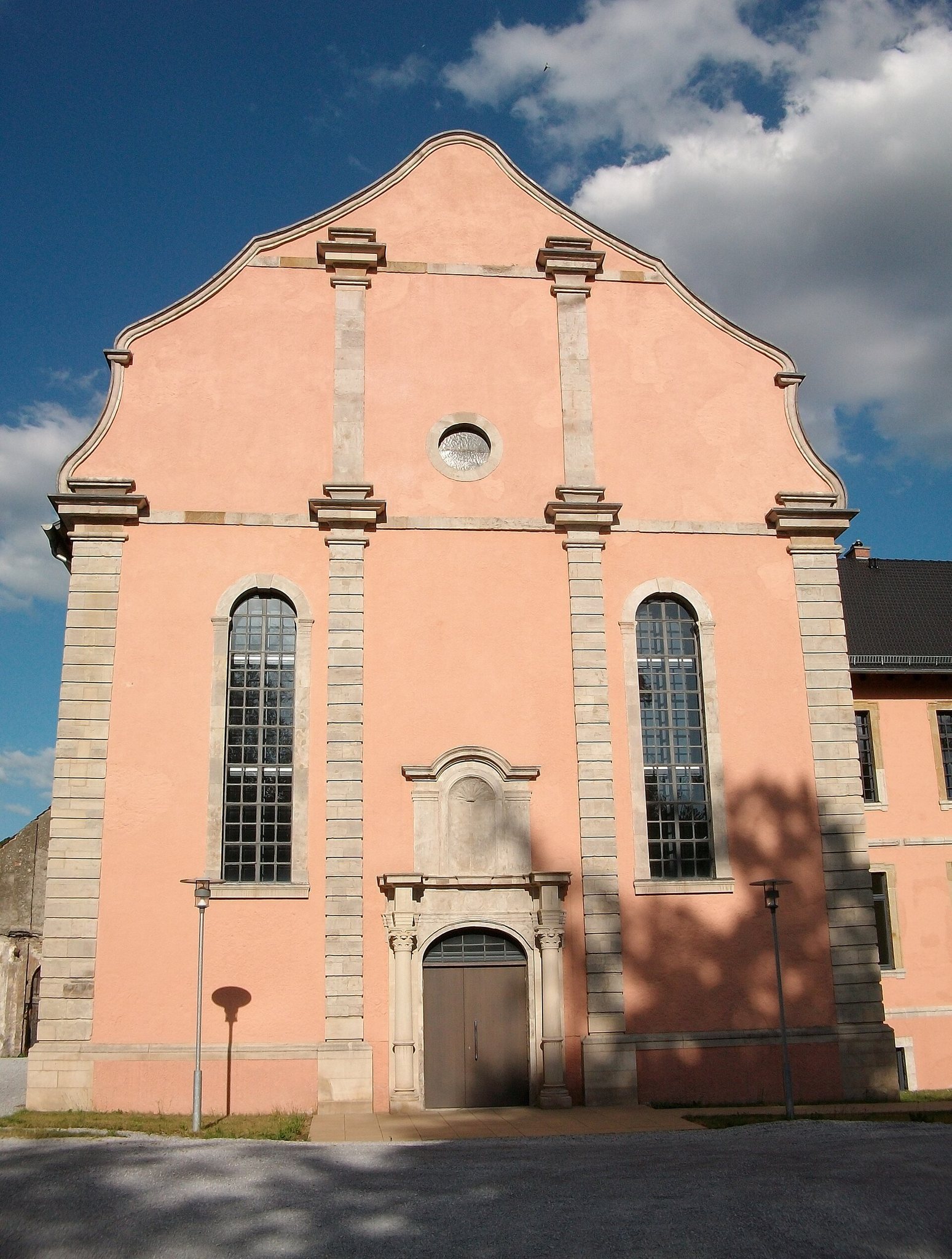
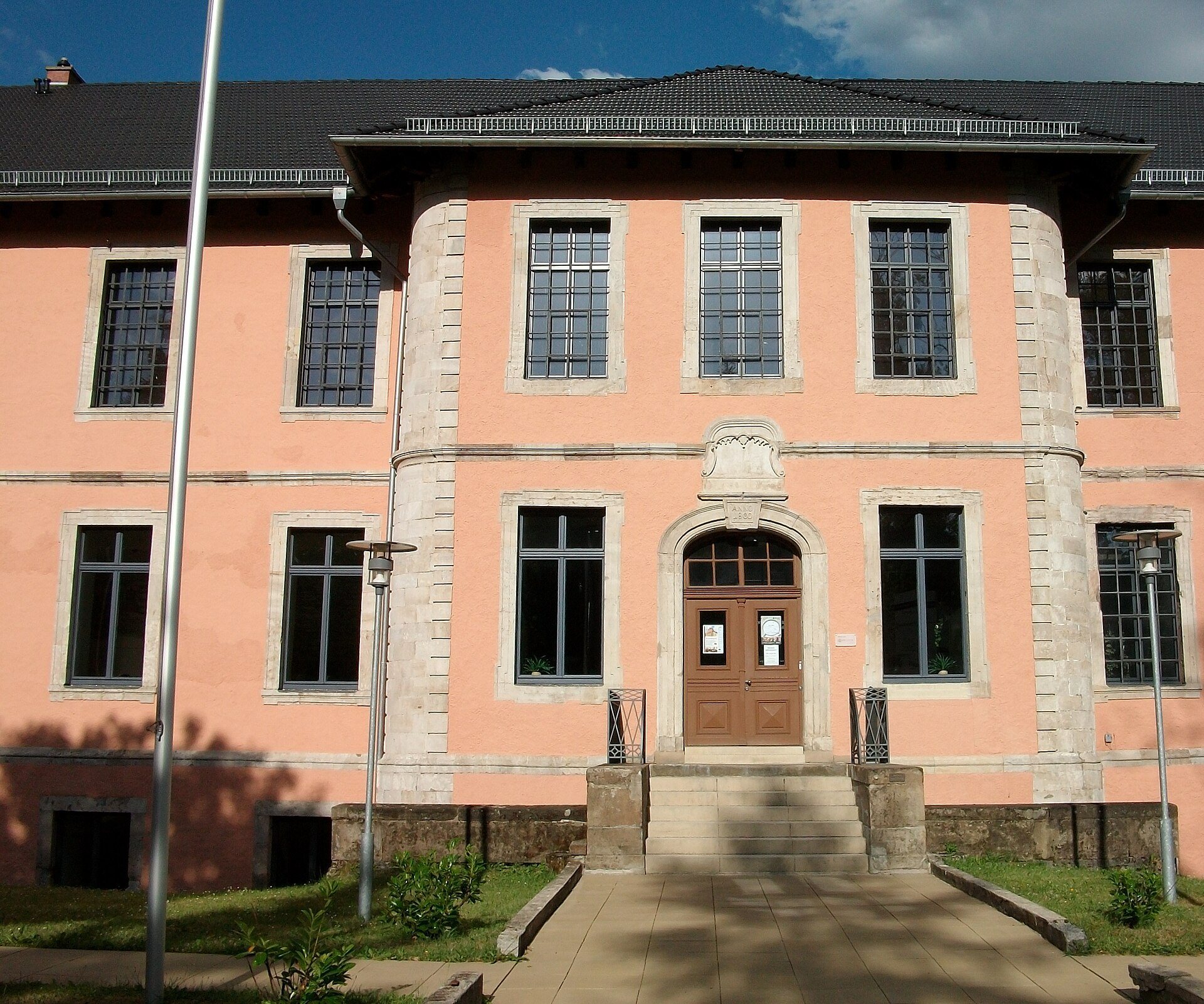
The surviving complex reflects several successive uses. Its main building is accompanied by former stable and storage buildings, while the overall architectural form derives from the large Baroque rebuilding of 1726 to 1766. The monastery church was dedicated to Saint Lawrence. The buildings also retain physical evidence of their later conversion into an iron foundry, including industrial installations placed within the former church nave.
Monastery buildings
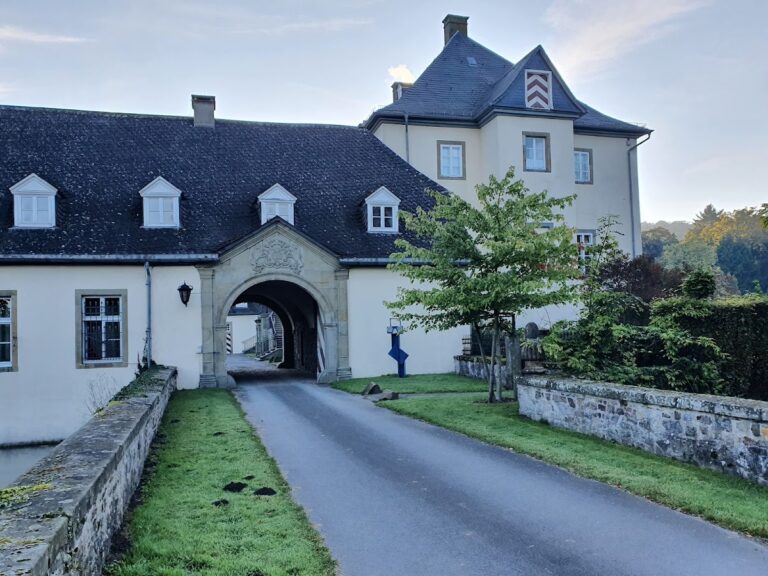
The former monastery includes a main building, stable buildings, and storage buildings. Larger areas west and south of the main building were excluded from the restoration concept, while the southern wing of the main building was later acquired for renovation. The complex therefore combines surviving monastic structures with areas shaped by later industrial and commercial use.
Church and industrial remains
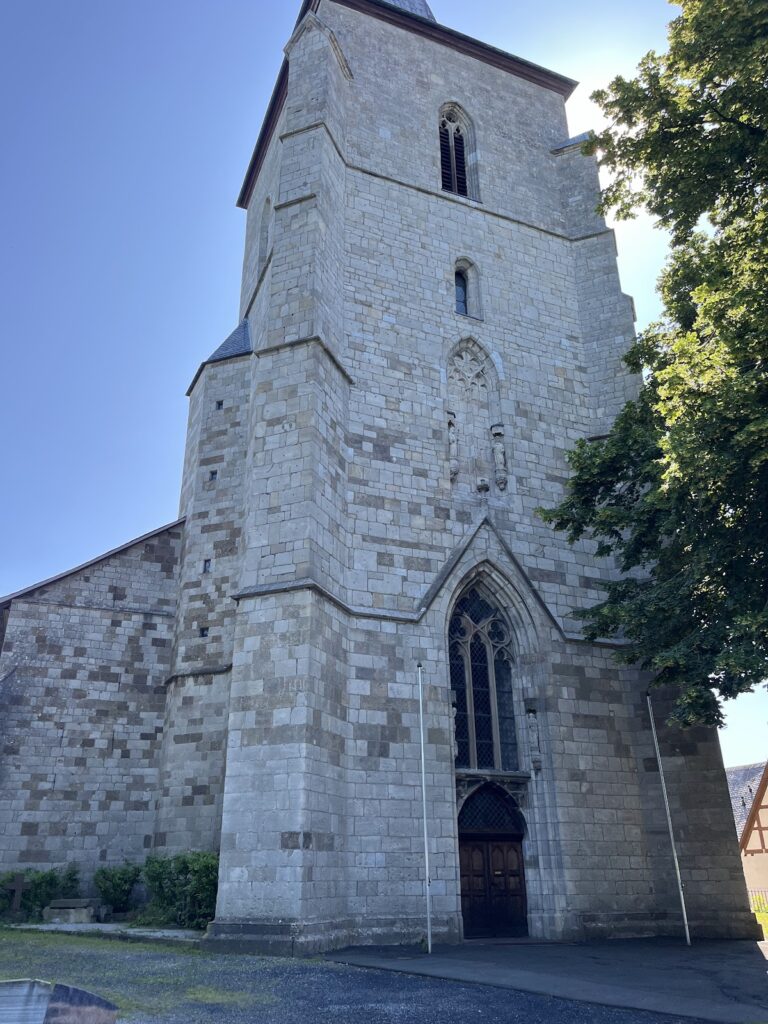
The church formed part of the monastery dedicated to Saint Lawrence and was rebuilt after the fire of 1787. Its nave later accommodated blast furnaces installed by the Ulrich firm between 1826 and 1870, preserving a direct physical link between the former religious complex and its iron-foundry phase. The museum devoted to the former Theodorshütte presents this industrial history within the wider complex.
Agricultural and documentary evidence
The monastery’s economic base included extensive agricultural land. Around 1801, its holdings comprised 865 Prussian Morgen used for its own farming and more than 4,300 Morgen of woodland. A Prussian Morgen was a historical agricultural area unit whose size varied by territory. The Bredelar Bible, made between 1238 and 1241, provides a surviving material connection with the abbey’s thirteenth-century period of prosperity, although it is now preserved at the University and State Library of Darmstadt.