Burg Altenfels: A Medieval Hilltop Castle Site in Germany

Site at a Glance
- Rating
- 5
- Popularity
- Very Low
- Country
- Germany
- Primary era
- Medieval
- Eras represented
- Medieval
- Civilizations
- Holy Roman Empire
- Site type
- Military
- Remains
- Castle
On this page7 sections
History
Burg Altenfels is a high-medieval hilltop castle site in Germany, near Rösenbeck in the Brilon area of North Rhine-Westphalia. The fortified settlement occupied Altenfels mountain and comprised two separate installations, known as the West Castle and East Castle. Archaeological finds place the construction of the West Castle in the second half of the eleventh century, while the East Castle probably existed from about 1100 until the third quarter of the twelfth century.
The West Castle
The West Castle, also called Altenfils, Aldenvels, or Westburg, was first recorded in 1144 in a property register belonging to Siegfried IV of Boyneburg and Homburg, a medieval German count. It appeared again in a partition agreement of 1202 made by the sons of Henry the Lion, a twelfth-century duke of the Welf dynasty.
After a period of decline, the West Castle passed to the archbishops of Cologne. In 1294, Siegfried of Westerburg, an archbishop of Cologne, assured the citizens of Brilon that the restored castle would not harm them. Since they had helped rebuild it, he promised them protection instead. The last recorded episcopal garrison dates from 1326, and archaeological evidence indicates that the West Castle was destroyed during the fourteenth century.
The East Castle
The East Castle was probably established around 1100 and was destroyed by fire before the end of the third quarter of the twelfth century. Its history remains largely unknown, but its separate position on Altenfels mountain confirms that the site developed as two distinct castle installations. The East Castle remains were later excavated, secured, and made accessible.
Archaeological investigation
The West Castle was examined during a rescue excavation, an archaeological investigation carried out before threatened destruction, in 1968. Quarrying subsequently destroyed its remains. The East Castle survived as an archaeological castle ruin and continues to represent the more substantial physical evidence of Burg Altenfels.
Remains
The two castle installations occupied the 486-metre-high Altenfels mountain. Its southern side drops steeply by approximately 150 metres, providing the elevated setting associated with a hilltop castle, a fortified stronghold that uses high ground and steep slopes to strengthen its defenses.
East Castle
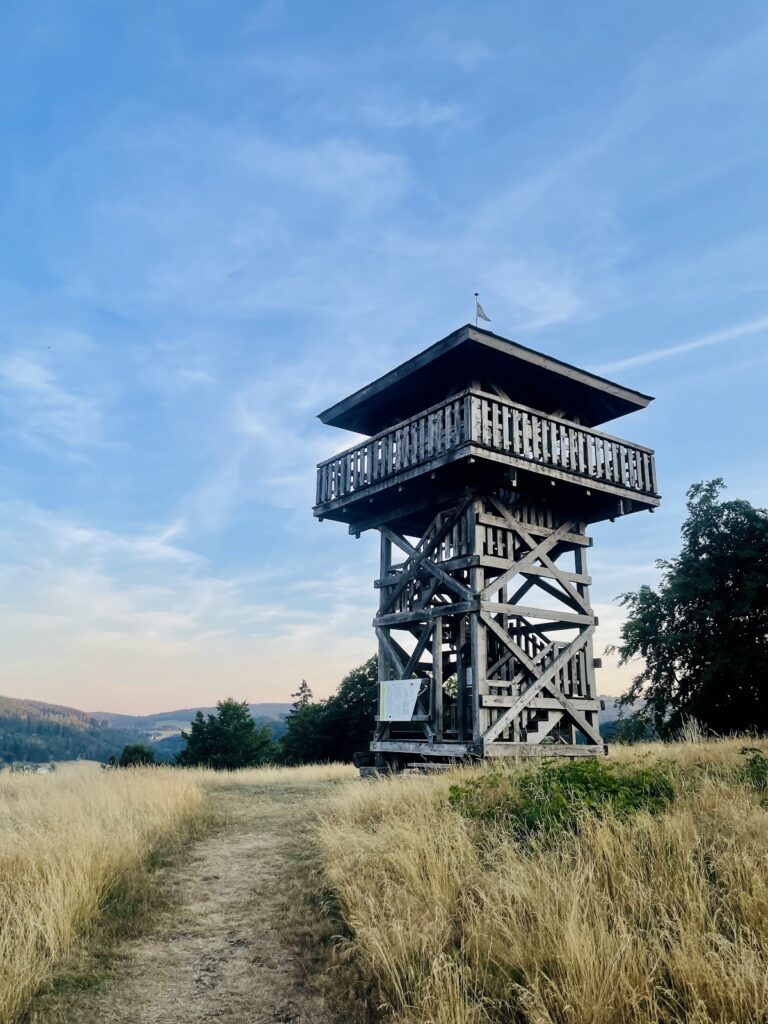
The East Castle consisted chiefly of two towers, which may have served as living quarters. Ramparts and ditches protected the space between them. Excavated remains include sections of the outer wall, the inner wall of the north tower, and the rampart-and-ditch system along the eastern side. The crown of the southern tower wall has been rebuilt, and the surviving remains have been secured.
West Castle
The West Castle stood on the western summit of Altenfels. Its remains were investigated in the 1968 rescue excavation before quarrying destroyed them, leaving the East Castle as the surviving excavated part of the former twin-castle site.