Kjesäter: A Swedish Manor and Refugee Transit Center
Site at a Glance
- Popularity
- Medium
- Country
- Sweden
- Primary era
- Modern
- Eras represented
- Early Modern, Modern
- Civilizations
- Swedish
- Site type
- Domestic
- Remains
- Manor House
On this page9 sections
History
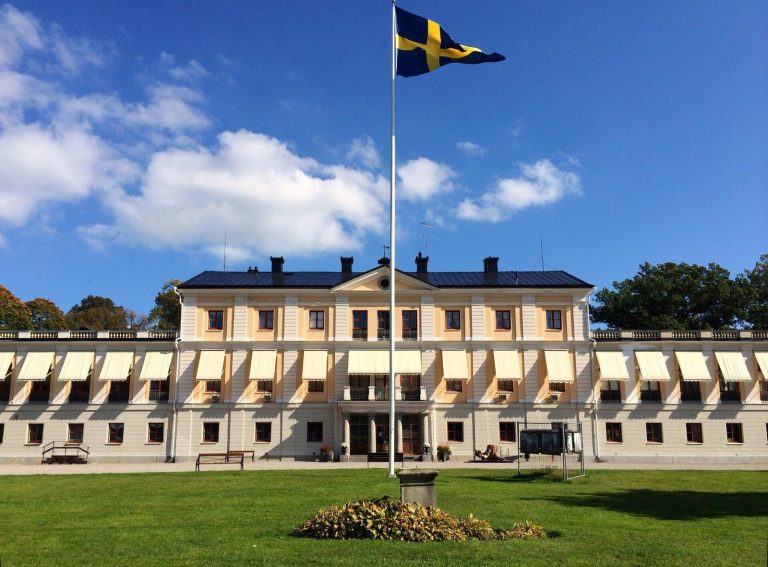
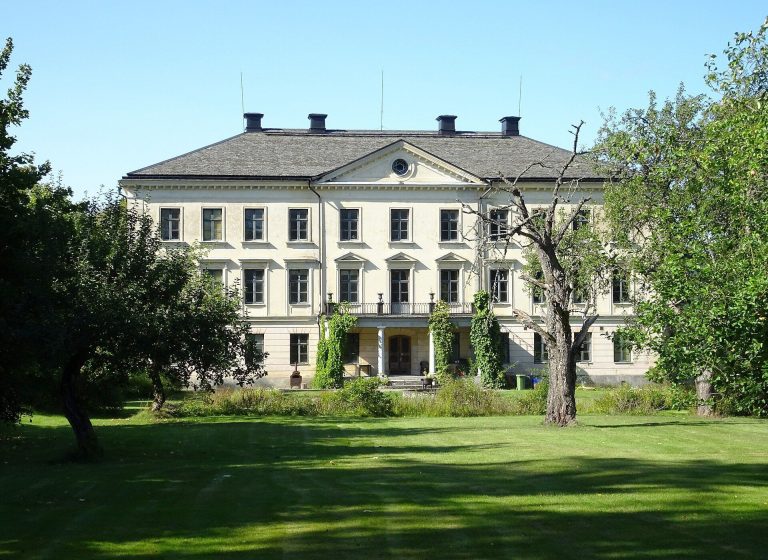
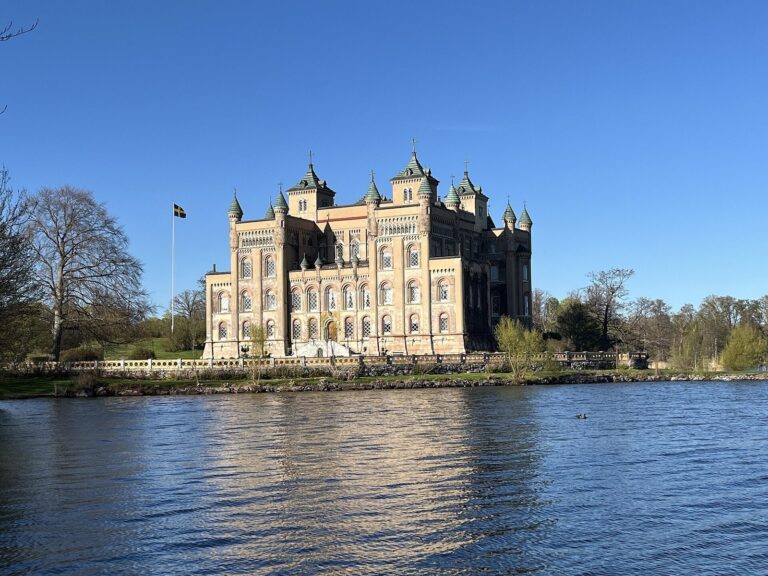
Kjesäter is a manor in Vingåker Municipality, Sweden, built in 1865 to designs by Swedish architect Johan Fredrik Åbom for the nobleman Gustaf Trolle Bonde. During the Second World War, it became Sweden’s principal assembly and transit center for people fleeing the Nazi German occupation of Norway.
Norwegian refugees in Sweden
Norwegian refugees began arriving in Sweden on or after April 9, 1940. Among the early arrivals were officials of Norway’s legitimate government, political activists, particularly communists, and Jews afraid of persecution. Many returned to Norway when conditions seemed to stabilize. Sweden continued to grant asylum to political refugees during the war and, from 1942, also admitted groups persecuted for other reasons.
Kjesäter during the war
After the transit center at Öreryd proved inadequate, Kjesäter was designated the main assembly and transit point on June 15, 1942. It served people escaping the occupation, including resistance members and Jews fleeing deportation to extermination camps, and remained the principal transit point for refugees from Norway until the war ended.
About 50,000 people crossed from Norway into Sweden during the war; that figure describes all crossings, not the number processed at Kjesäter. Refugees often travelled by train or side roads toward the border, then crossed on foot, on skis, or sometimes by boat. Swedish border officials received and interviewed them, issued emergency visas valid for two weeks, and, when needed, provided directions and travel money to reach Kjesäter.
Processing at the center generally lasted three to four days and involved medical examinations and detailed questioning. Norwegian nationals received Norwegian passports, while stateless refugees were issued Swedish identification cards. The center also provided food, clothing, and fares for onward journeys. Alongside its reception work, it registered Norwegians for a military-style police force and sent younger refugees to a Norwegian high school in Uppsala. These activities were part of a wider Norwegian refugee organization connected to offices maintained by Norway’s government in exile in Stockholm.
John Aae directed Kjesäter from 1943 to 1945 and later became mayor of Trondheim. In June 1943, a separate center for Sami refugees opened at Jokkmokk in Norrbotten County. The Sami are an Indigenous people of northern Scandinavia.
Later use
From 1960 to 2011, Kjesäter served as a folk high school, an adult-education institution offering courses outside the conventional degree system. The manor has been privately owned since 1981.
Remains
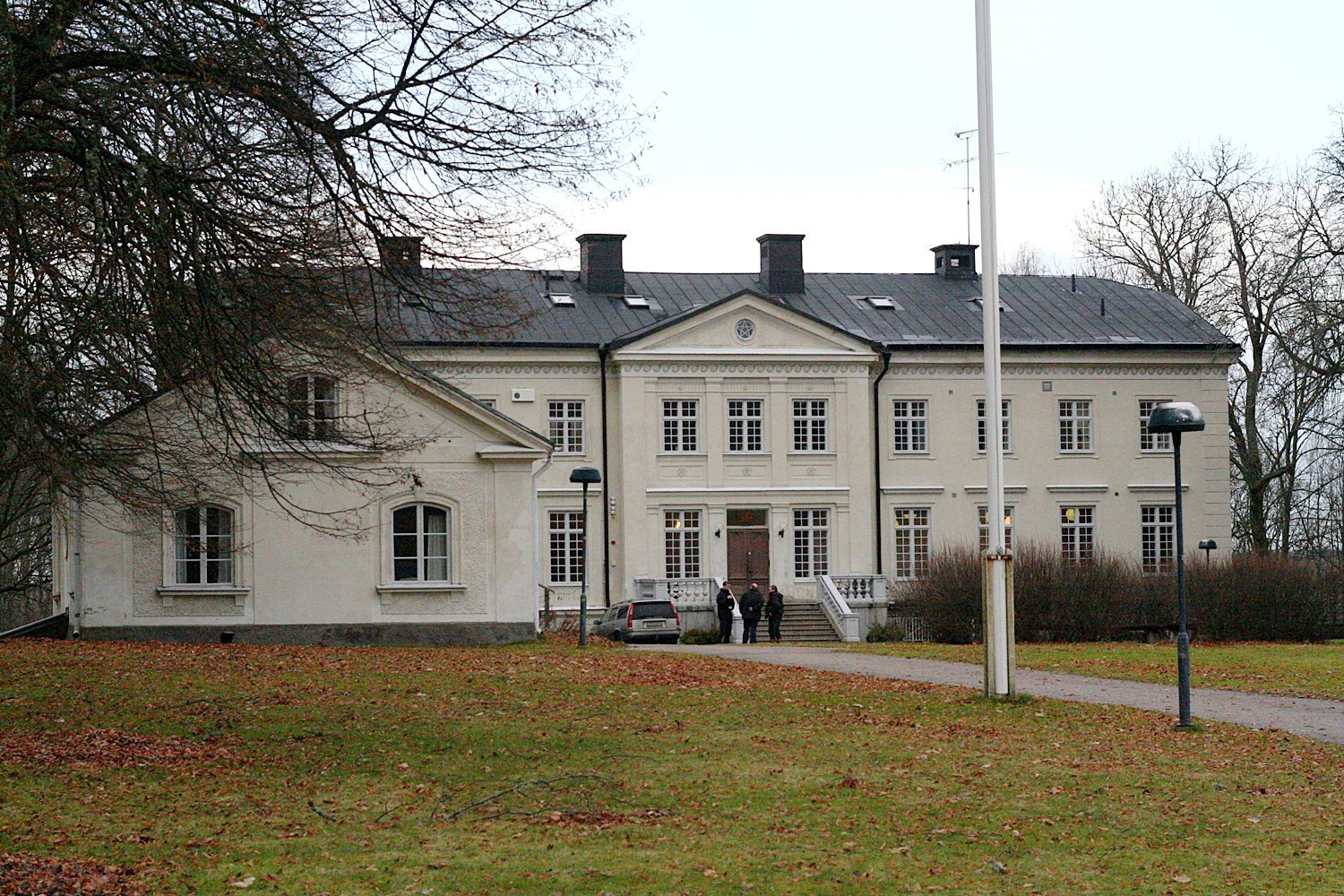
Kjesäter’s built features include the manor and its outbuildings, two older castle wings, and the barracks used when the estate operated as a refugee center. Together, they reflect the estate’s buildings and its wartime role.
Manor buildings
Castle wings
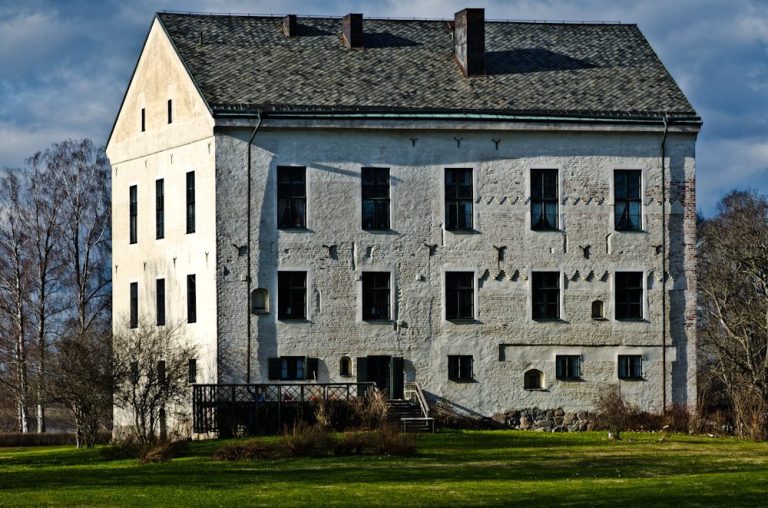
The castle’s two wings date from the eighteenth century. They form the older part of the described building group.
Manor and outbuildings
The manor and its outbuildings were constructed in 1865 to Åbom’s designs for Gustaf Trolle Bonde. The complex was built as a manor estate.
Refugee-center barracks
At the height of Kjesäter’s use as a refugee center, the grounds had 30 barracks, with capacity for 700 to 800 refugees. The barracks provided accommodation for people passing through the center.