Kinross House: A Late-Seventeenth-Century Country House
Site at a Glance
- Rating
- 4.8
- Popularity
- Medium
- Country
- United Kingdom
- Primary era
- Early Modern
- Eras represented
- Early Modern
- Civilizations
- Kingdom of Scotland
- Site type
- Domestic
- Remains
- Elite Residence
On this page9 sections
History
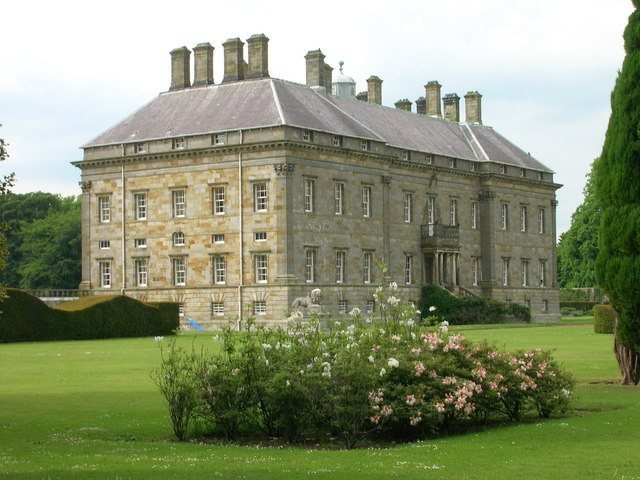
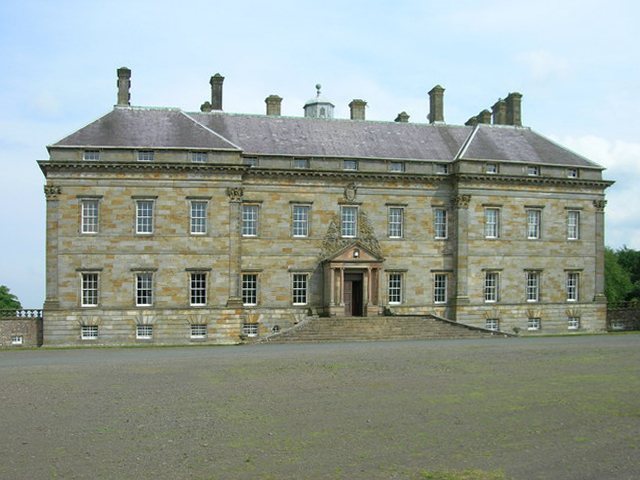
Kinross House is a late-seventeenth-century country house on the mainland shore of Loch Leven in the United Kingdom. Scottish architect Sir William Bruce built it between 1684 and 1695 in an early classical style influenced by Andrea Palladio’s Italian Renaissance designs. It is regarded as Scotland’s first and most important early example of neoclassical-Palladian architecture, and as one of Bruce’s finest works.
The estate and Bruce’s project
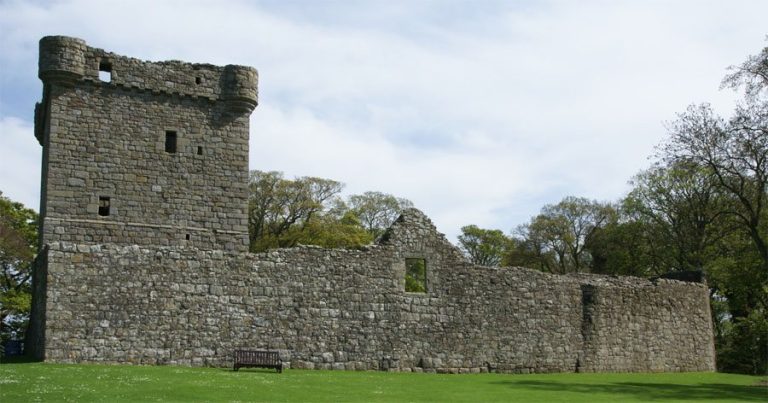
Lochleven Castle and the surrounding estate had a history before Bruce’s house was built. Mary, Queen of Scots, was imprisoned at the castle in 1567 and escaped in 1568. She gave up the Scottish throne there in favour of her infant son James VI and discussed the future of Scotland’s Protestant Reformation with John Knox, a leading reformer.
Bruce acquired Lochleven Castle in 1672 and bought the surrounding estate in 1675 from William Douglas, 9th Earl of Morton. The property included Newhouse of Lochleven, a mansion built near the site of Kinross House by William Douglas, 6th Earl of Morton. Newhouse was demolished in 1723. Bruce intended Kinross House as his own residence, with its garden conceived as part of the same design. Garden work began in either 1679 or 1683 and was complete by 1700.
Bruce had served Charles II and could focus on Kinross after the king’s death in 1685. He continued the work despite repeated imprisonment after the Glorious Revolution of 1688–89, which overthrew James II and brought William III and Mary II to the throne. Bruce was a Jacobite, a supporter of the Stuart claim to the thrones of England, Scotland, and Ireland. The house’s exterior was complete by 1693, but its interior remained unfinished to Bruce’s design when he died in 1710. Tobias Bauchop of Alloa was the builder.
In 1726, the English writer Daniel Defoe praised Kinross House for its beauty and proportions, suggesting it might be the finest private residence in Scotland or Britain.
Later ownership and preservation
George Graham, a wealthy merchant with the British East India Company, bought the property from Bruce’s descendants in 1777. After Graham’s son Thomas died in 1819, the house’s contents were sold publicly. The estate passed to James Montgomery, who had married Thomas’s youngest daughter, Helen Graham. The Montgomery family kept the property for nearly 200 years.
For about 80 years after 1819, the house stood unoccupied while the Montgomerys lived at Stobo Castle in Peeblesshire. Its fabric was protected from the weather and remained unaltered during the Victorian era, while the gardens became overgrown and deteriorated. Sir Basil Montgomery took up residence in 1902 and restored the formal gardens. He also worked with an architect to adapt the house for early twentieth-century comforts while respecting Bruce’s design.
Donald Fothergill bought the house and grounds around 2010–11 as a family home and carried out a comprehensive restoration. The work received the Historic Houses Association’s Restoration Award in 2013. The house has been a Category A listed building since 1971, Scotland’s highest listed-building grade. Its grounds joined Scotland’s national Inventory of Gardens and Designed Landscapes in 1987.
Remains
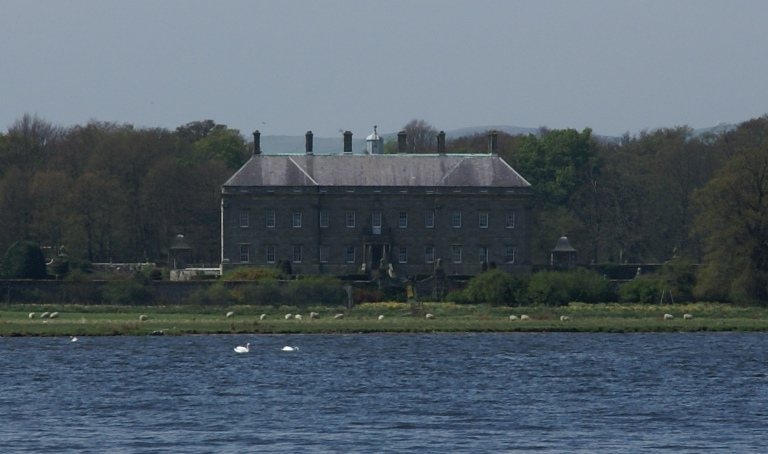
The house and formal gardens occupy a rectangular area measuring about 400 by 200 metres on the mainland shore of Loch Leven. The wider designed landscape includes extensive woodland and Castle Island, where Lochleven Castle stands opposite the house.
House and designed landscape
House and principal sightline
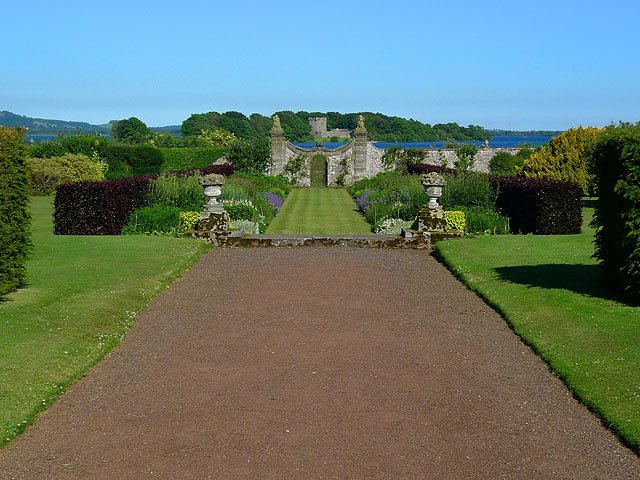
A principal sightline extends from the avenue leading from the town, through the house’s main doors and across terraces, then through the garden to the loch shore. Lochleven Castle forms its endpoint and focal view. Most of the house’s original interior decoration survives.
Gardens and shoreline
The designed landscape combines formal gardens with extensive woodland. Its design reflects Bruce’s experience in the Netherlands and France, particularly French garden styles, and helped pioneer this kind of landscape design in Britain. Before the level of Loch Leven was lowered by 1.2 metres in 1836, the water reached the garden walls.
Fish Gate
The Fish Gate provides an entrance to the garden. Dutch masons Peter Paul Boyse and Cornelius van Nerven probably created its stone decoration.
Coach House
The adjacent Coach House is part of the property. A coach house was a building used to store horse-drawn carriages.