Obsinnich Castle: A Historic Noble Residence in Belgium
Site at a Glance
- Popularity
- Low
- Country
- Belgium
- Primary era
- Early Modern
- Eras represented
- Medieval, Early Modern, Modern
- Civilizations
- Belgian, Holy Roman Empire, Spanish
- Site type
- Domestic
- Remains
- Castle
On this page5 sections
History
Medieval origins
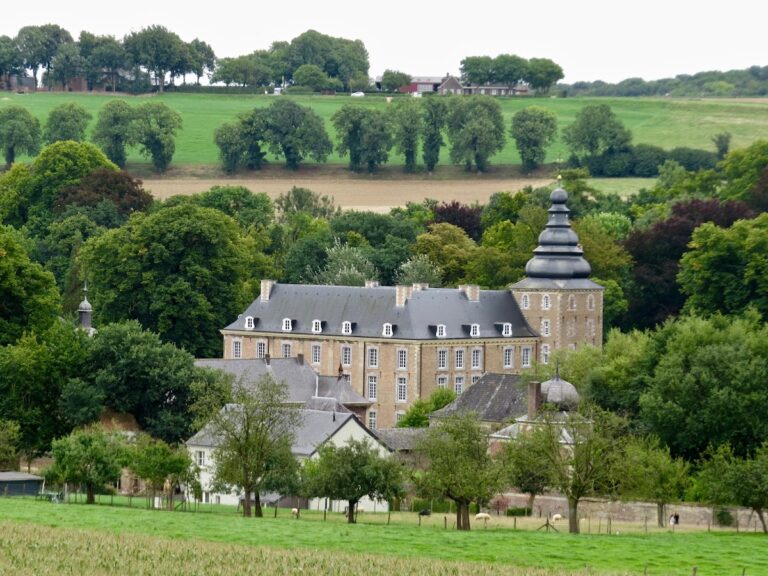
Obsinnich Castle stands beside the Gulp in Belgium. The estate developed from a medieval lordship held as free property rather than as a feudal grant. Its name is associated with the locality of Obsinnich, formerly written Opsinnich, within Remersdaal. Opsinnich described a place higher than, or farther upstream from, the hamlet of Sinnich. The ending of Sinnich may derive from the suffix “-iacum,” associated with the Gallo-Roman period, when Roman rule and culture interacted with the peoples of Gaul. The deeper origin of the name remains uncertain.
The lordship grew around a fortified residence occupied by Rode van Sinnich, a knight associated with the Scavedries family group who fought at the Battle of Worringen in 1288. That battle was part of a conflict over control of the Duchy of Limburg, a medieval principality in the Low Countries. An eighth-century fortress at the site is possible, but uncertain. If it existed, John I, Duke of Brabant, captured it in 1285, and it was burned after the Battle of Worringen.
Obsinnich gave rise to the knightly lineages Rhoe van Opsinnich and Van Eynatten van Opsinnich. Members of the Rhoe family occupied the castle or its predecessor from the thirteenth century, and the estate belonged to them in the fourteenth century. Members of the Van Eynatten family were in residence from the fifteenth century, and the estate passed to them around the middle of that century.
Van Eynatten and the seventeenth-century expansion
In the early seventeenth century, Cathérine-Elisabeth van Eynatten married Guillaume-Théobald d’Eynatten de Remersdael, joining the lordships of Obsinnich and Remersdaal. Winand van Eynatten, lord of Obsinnich from 1619, enlarged the castle.
De Furstenberg ownership and later use
The estate passed to the de Furstenberg family in 1721 and remained in its hands until about 1950. Baron Clément-Auguste-Egon de Furstenberg made major alterations to the castle in 1880. In 1961, the castle was sold to a foundation of the Diocese of Liège. It subsequently served as a holiday residence for young people and groups under the name Castel Notre Dame. The castle is regarded as a distinctive cultural monument of the former Duchy of Limburg.
Remains
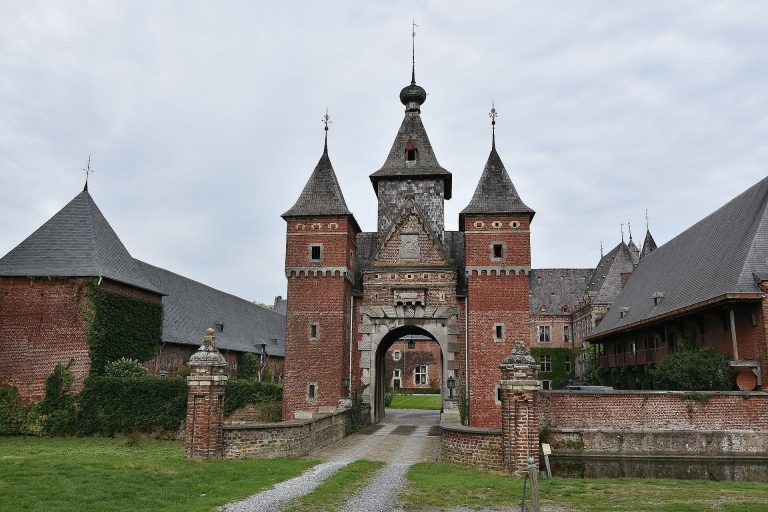
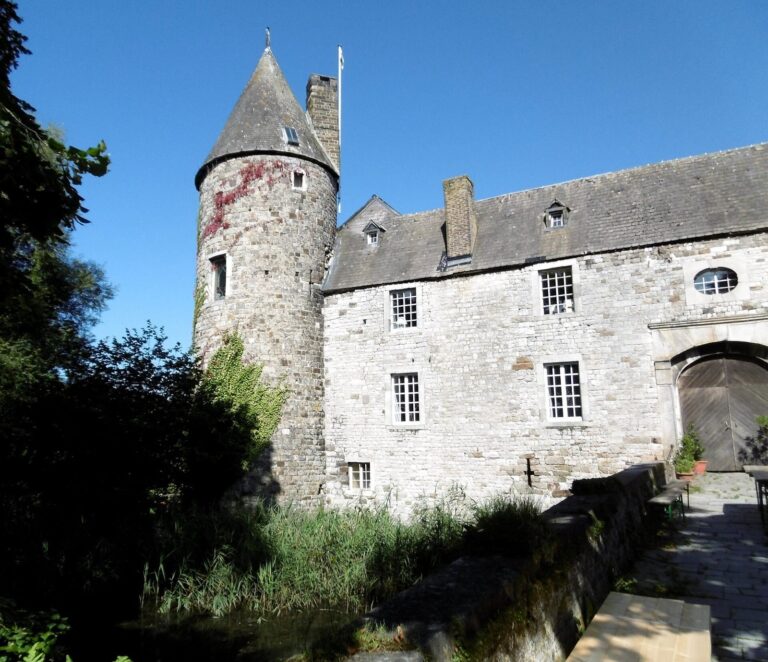
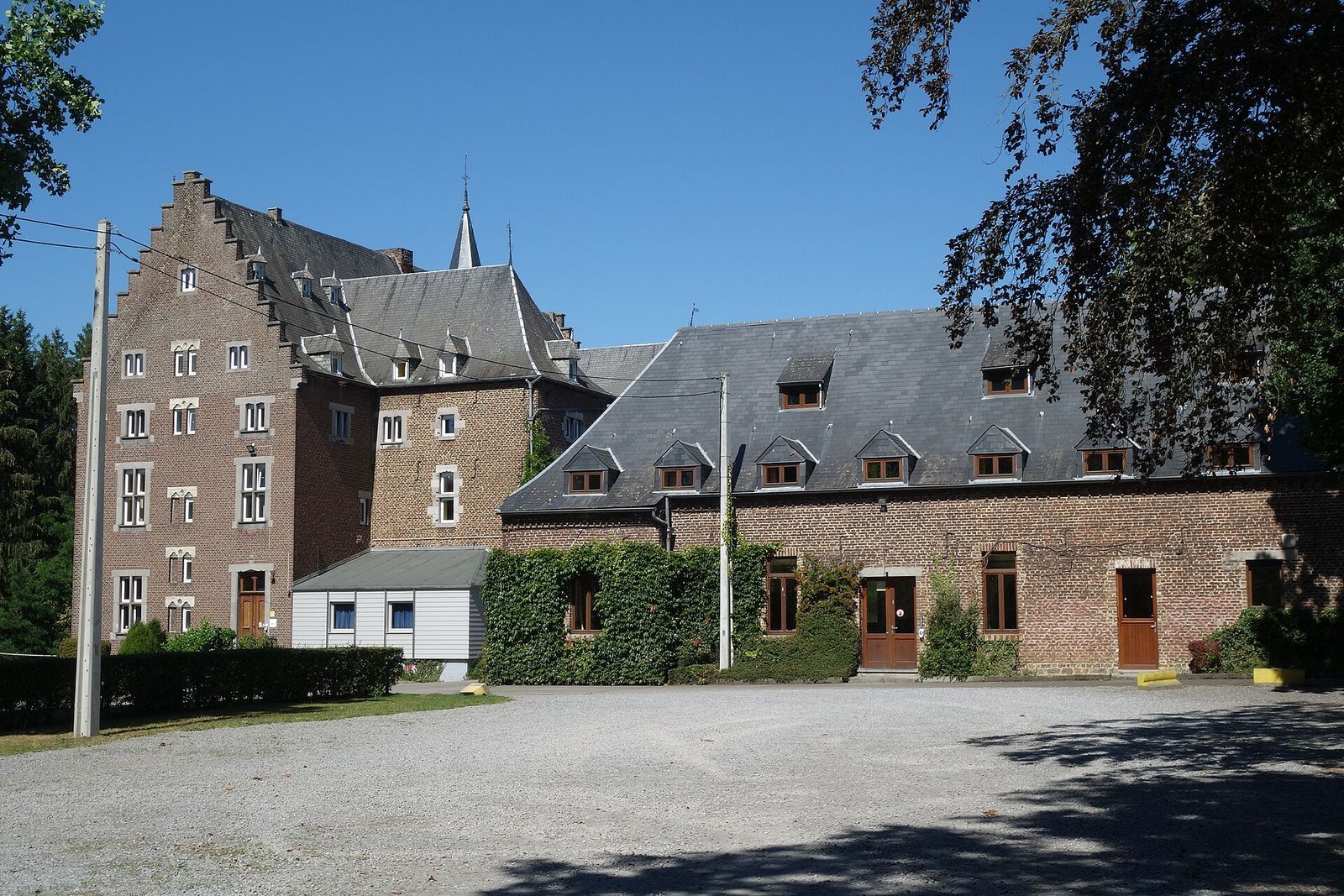
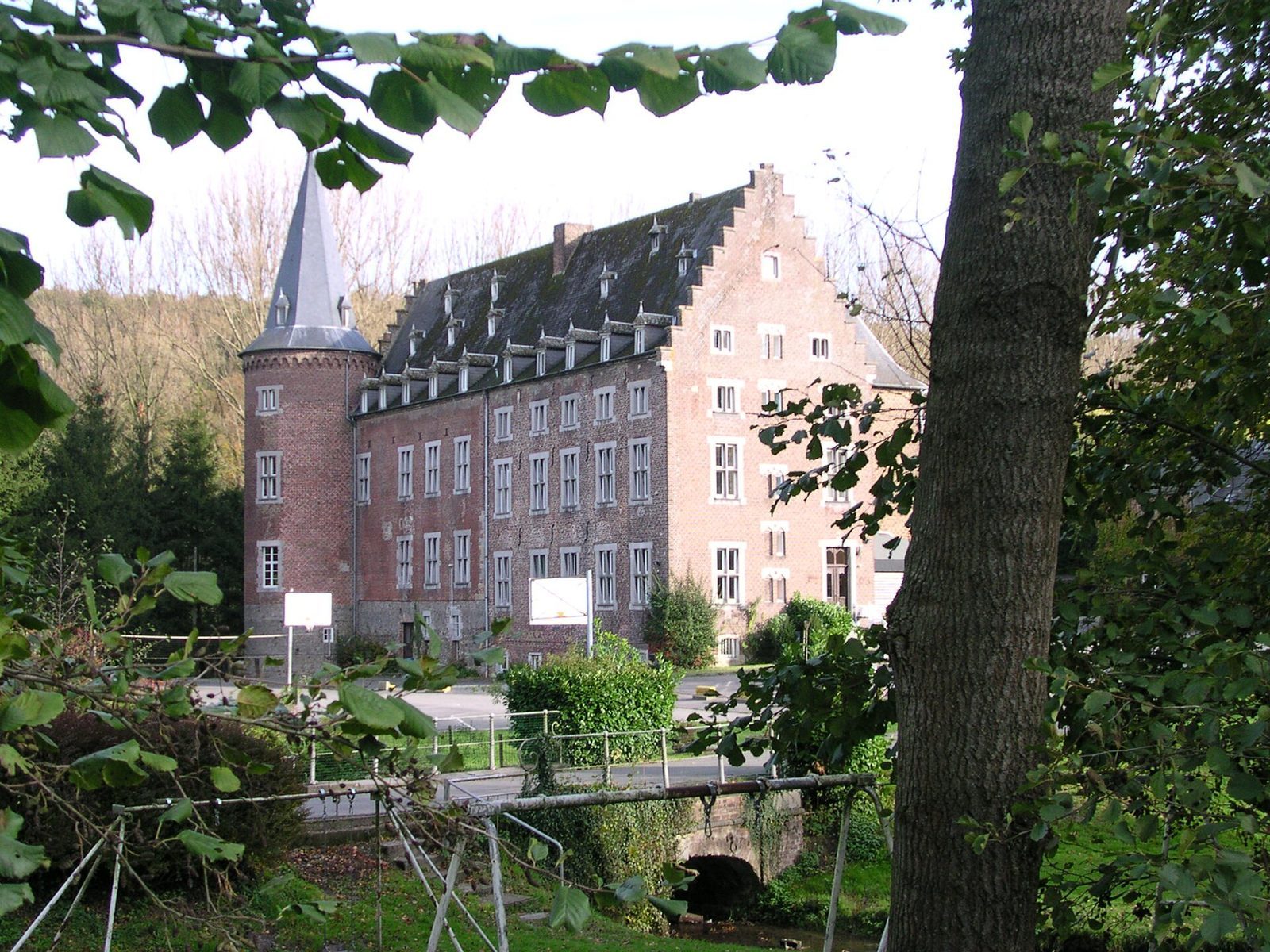
The castle stands beside the Gulp, slightly upstream from Sinnich, at the foot of the Plateau of Crapoel. Its setting includes wooded slopes in the Forest of Opsinnich, part of the Beusdal forest, within the Land of Herve. The building has a restrained, classically simple character. Its older core probably dates to the period when the Van Eynatten family acquired the estate in the fifteenth century, and a few elements of this earlier fabric survive in the lower structure.
Winand van Eynatten’s expansion added two wings arranged at right angles. A weather vane dated 1641 probably relates to this building work. In the 1880 alterations, the central wing was extended toward the southwest, a tower that had fallen into ruin was rebuilt, and the side façades were raised. These changes shaped the castle’s surviving form.