Castle Altenbroek: A Historic Castle Estate in Belgium
Site at a Glance
- Popularity
- Medium
- Country
- Belgium
- Primary era
- Early Modern
- Eras represented
- Early Modern, Modern
- Civilizations
- French, Habsburg, Holy Roman Empire
- Site type
- Domestic
- Remains
- Castle
On this page9 sections
History
Castle Altenbroek is an estate in Voeren, Belgium, whose oldest building section dates to the 18th century. Its history encompasses successive landholding families, a connection to the government of Limburg, and the German army’s presence there during the 1914 invasion of Belgium.
Origins and changing ownership
The place was called Broeke bi Voeren around 1300. The name Altenbroek derives from broek, a local word for marshland. The older settlement became Altenbroek, while a later one took the name Hoensbroek, reflecting the Hoen family’s ties to Broek. The castle is also known as Altembrouck.
In 1314, Jan van Voeren was lord of Broek, a fief, or land held through a feudal relationship, within the historical County of Dalhem. The castle belonged to the Melcops family from 1355 to 1511, then to the Holset family until 1624. It passed to Jan de Berghe, lord of Noorbeek, in 1629. By 1714, it belonged to the knight Pieter de Winckel, an adjutant to the Dutch nobleman Antonius van Hoensbroek.
The de Schiervel family and Limburg
Pierre Joseph de Schiervel acquired the castle in 1790 through his marriage to Marie Claire de Fassin, its heiress. Their son Louis was born there. He declined appointment as the first governor of Belgian Limburg, and Frans de Loë-Imstenraedt was chosen instead. In 1843, after the Treaty of Maastricht fixed the boundary between Belgium and the Netherlands, Louis became the province’s fourth governor. The treaty followed Belgium’s separation from the United Kingdom of the Netherlands, a state established in 1815 that included the territories of present-day Belgium, the Netherlands, and Luxembourg. The eastern part of Limburg had returned to the Netherlands, bringing the border close to Altenbroek.
Louis was made a baron in 1842. As his marriage produced no children, the title passed to his nephew Jacques Gustave de Schiervel, son of Louis’s brother Henri. Jacques Gustave married Marguerite Vilain XIIII, daughter of foreign minister Charles-Ghislain Vilain XIIII and a member of Belgium’s National Congress, the constituent assembly that declared independence and drafted the first constitution in 1830-31. Jacques Gustave also adopted the name Gustave de Schiervel d’Altembrouck.
In 1878, Gustave’s daughter Marie-Philippine Ghislaine Joséphine married Arthur de Behault. The castle and lands passed to their son Adrien and later to their grandsons Jean and André de Behault. Gustave’s daughter Eugénie passed the Schiervel family name to her son-in-law Jean Lejeune de Schiervel in 1891; he was ennobled the following year.
War and modern ownership
During the German invasion of Belgium in 1914, at the opening of the First World War in western Europe, the German army’s general staff spent its first night in the country at Altenbroek. A general staff is the military organization responsible for command planning and coordination.
The castle was sold in 1994 and the estate lands the following year. In 2018, a company took over the entire estate and began operating it as a hospitality business. Its present uses include a hotel and restaurant.
Remains
Buildings and estate grounds
Castle
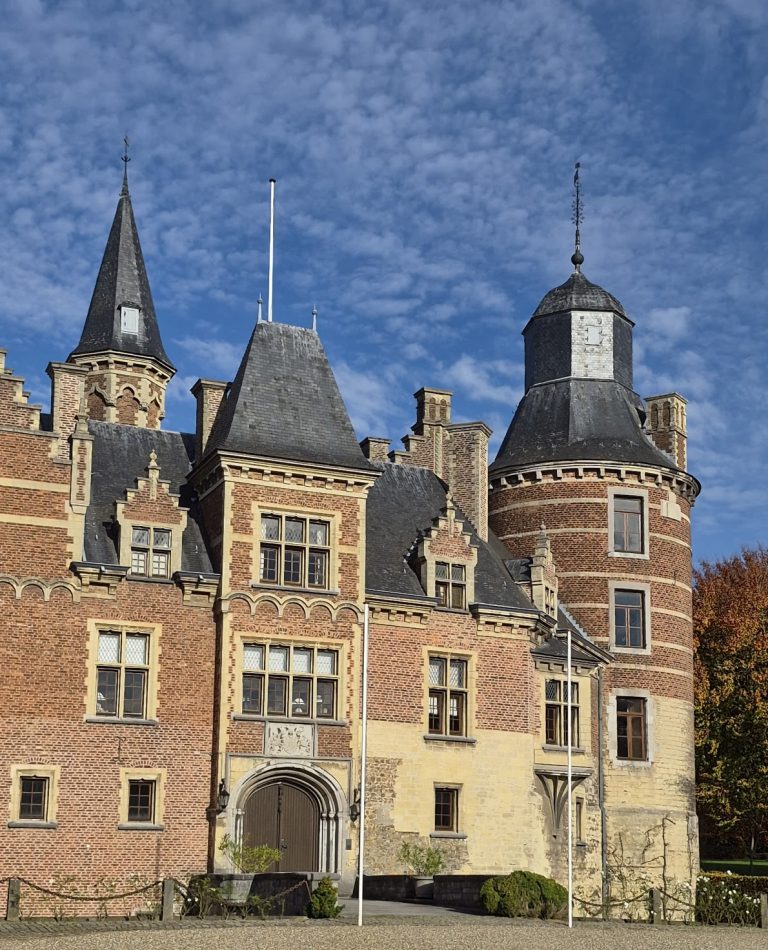
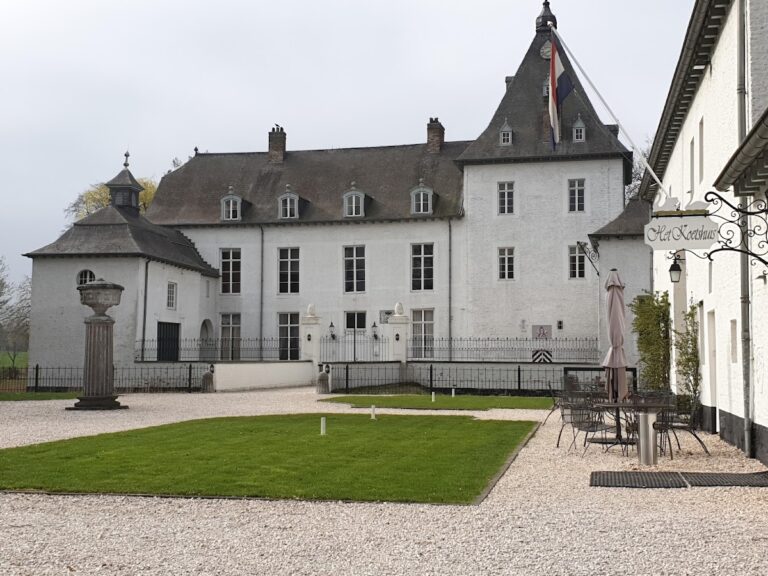
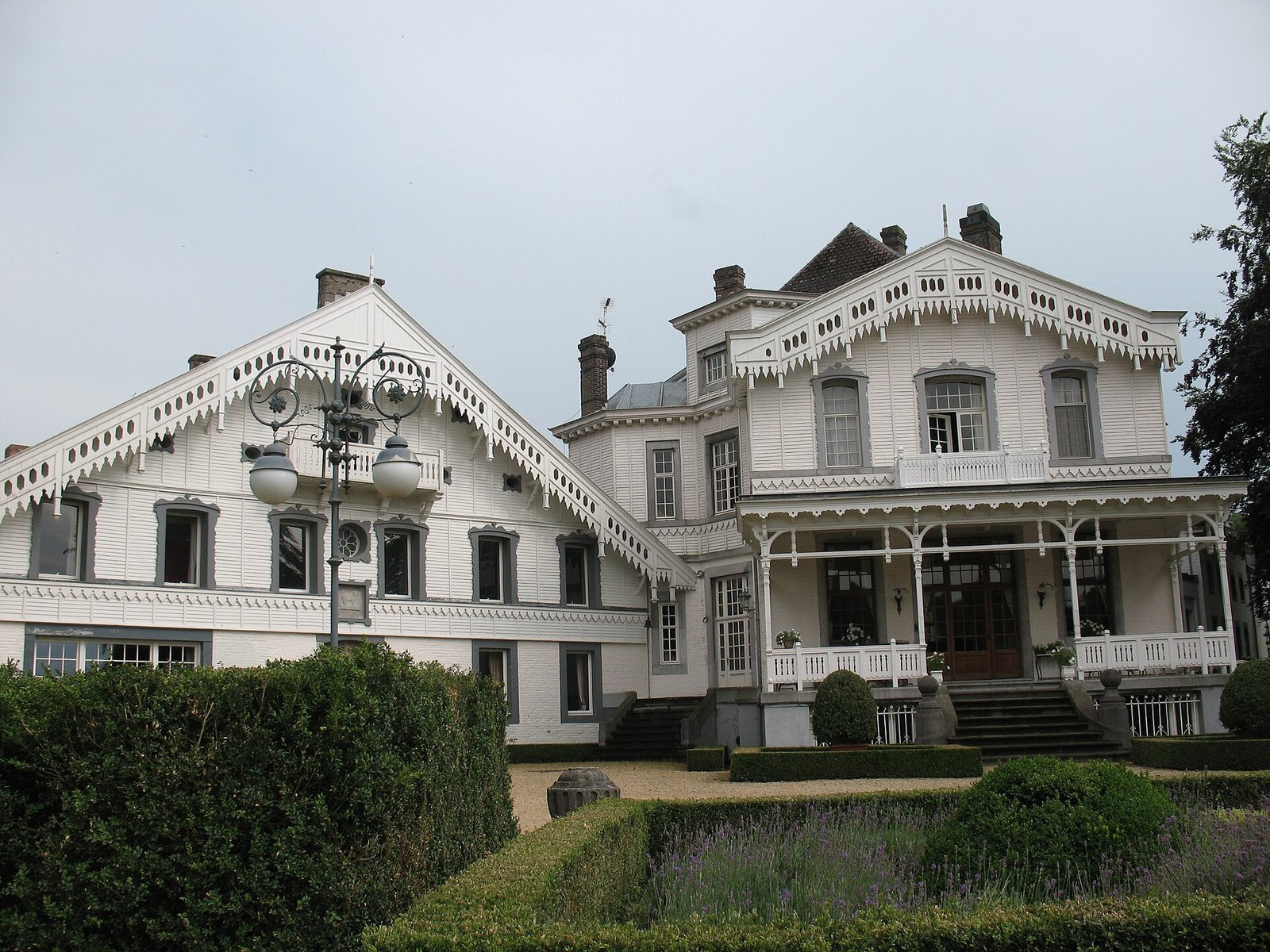
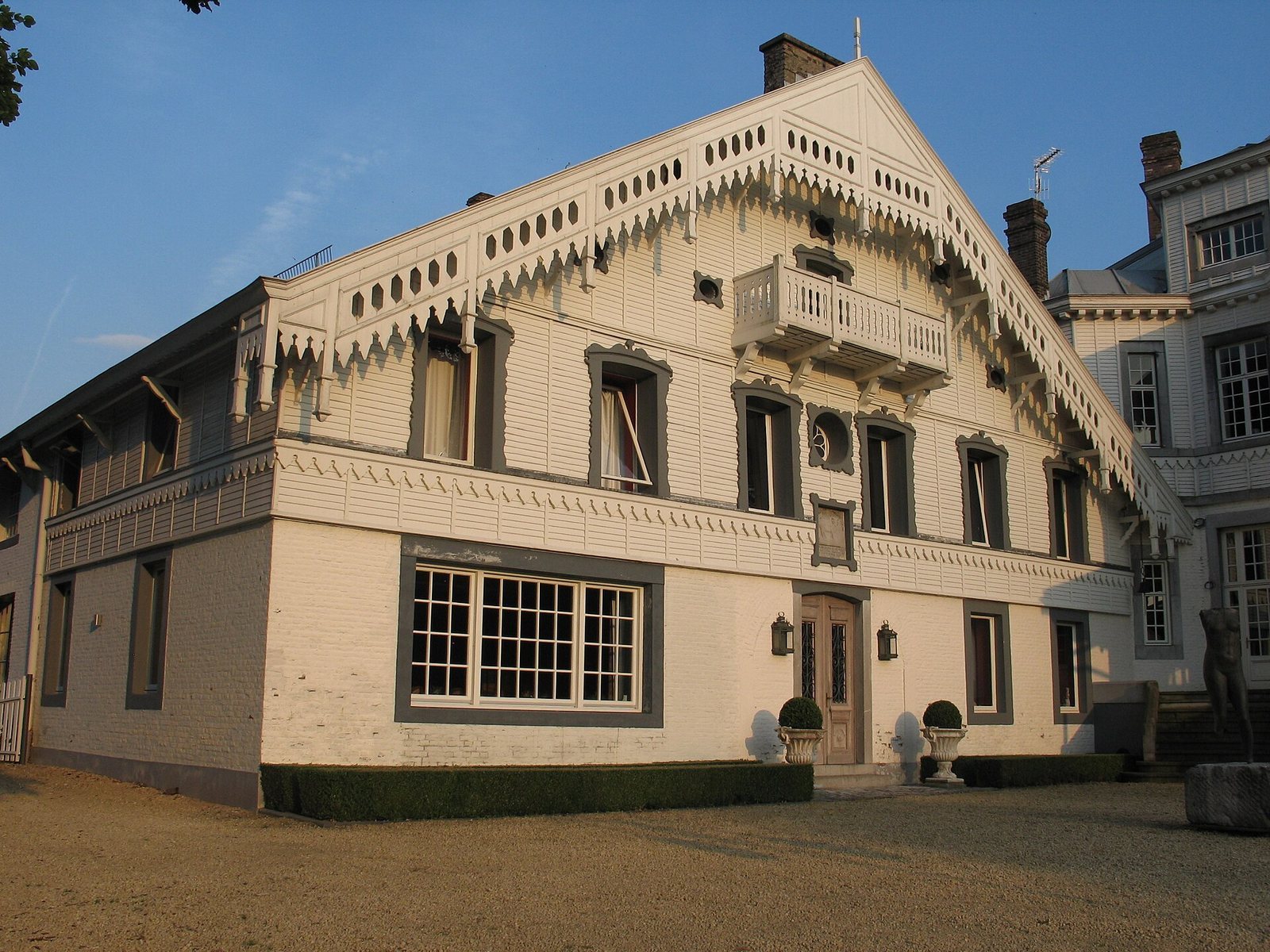
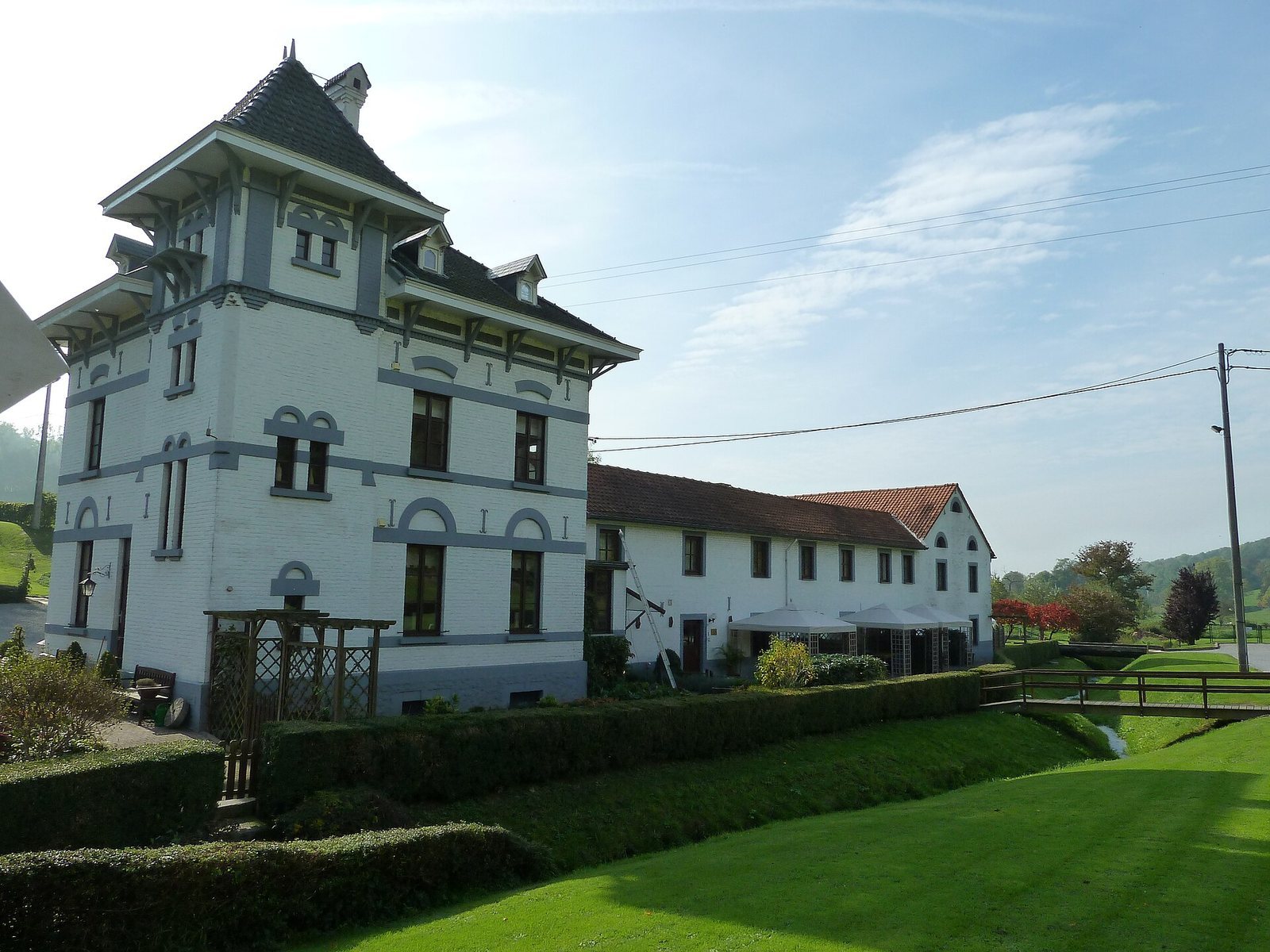
The castle stands northeast of ’s-Gravenvoeren in the Noor stream valley, within the Altenbroek natural area. Its oldest building section is the rectangular west wing, dating to the 18th century. Work on the brick north wing began around 1775, when it served as a sheepfold. A stone in its gable bears a sheep motif and the date 1809. Extensive alterations have changed the building, whose present plan is L-shaped and is first shown in 1904.
Farm complex
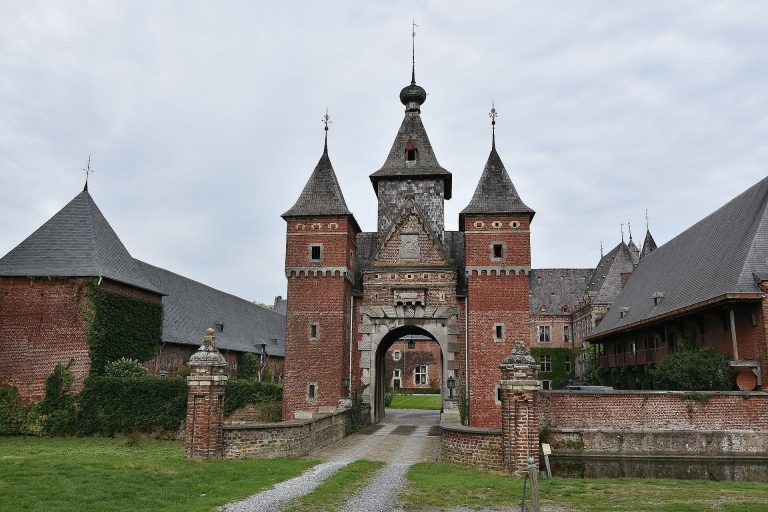
South of the castle, the farm buildings form a U-shaped plan open to the north. The entrance passes through a gate in the east wing. The farm’s orangery, traditionally a building for sheltering citrus trees and other tender plants, now houses the restaurant. A drive connects the castle to the road.
Park, memorials, and surroundings
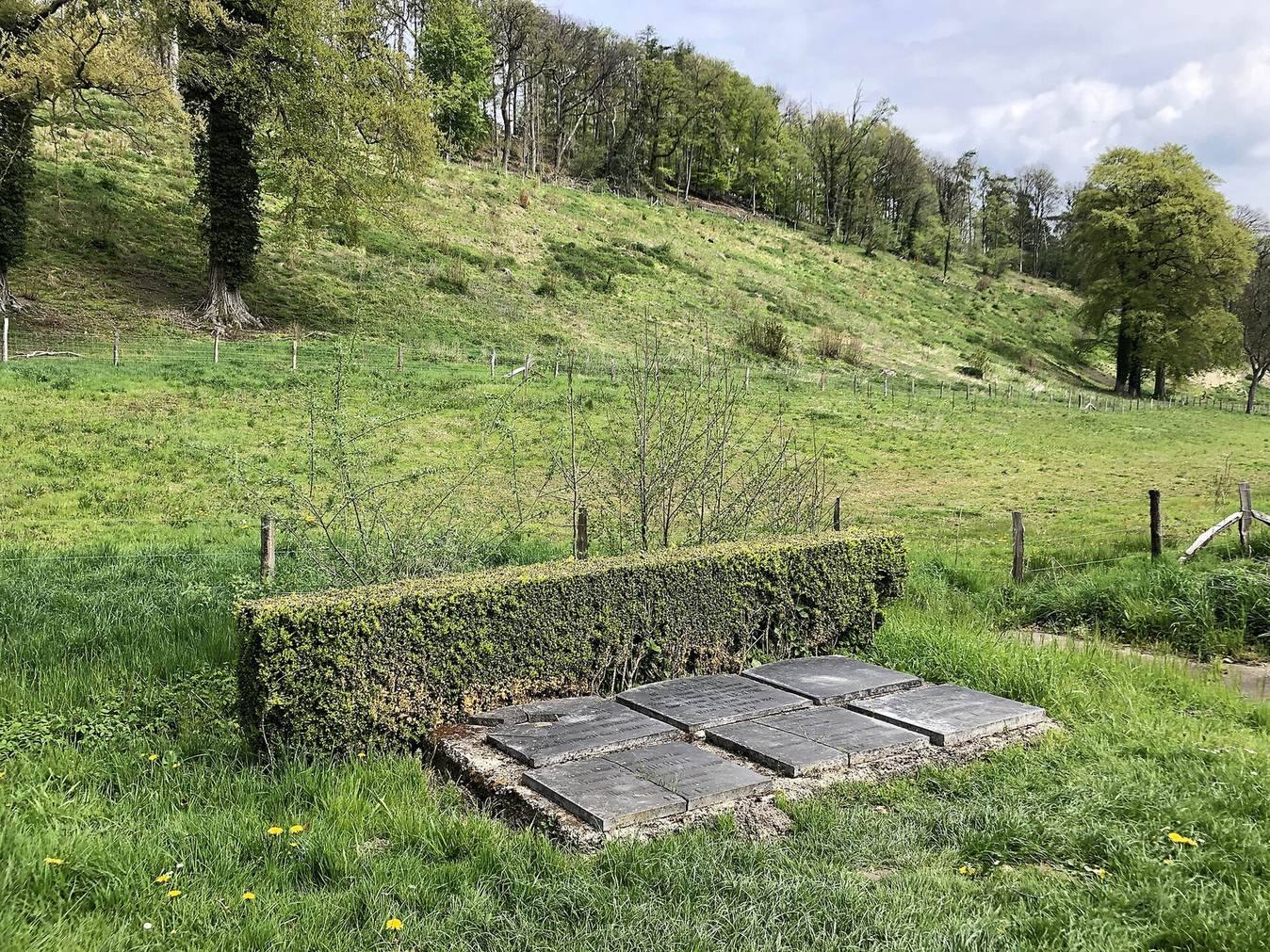
The surrounding park contains ponds, works of art, and three springs, including the Saint Lambert spring. Saint Lambert was an early medieval bishop of Maastricht who is venerated as a Christian saint. A chronogram at the spring, an inscription whose selected letters encode a date in Roman numerals, records Pieter de Winckel’s marriage to Isabelle-Josèphe de Lepper in 1718. The Schiervel family’s grave slabs were moved from their vault beside the Saint Lambert church in ’s-Gravenvoeren when the site was needed for a parish hall in the early 21st century; they now lie beside the castle driveway. A watermill formerly stood near the castle, and the Schoppemerheide woodland lies about 500 metres to the south.