Kasteel van Bokrijk: A Maasland Neo-Renaissance Castle in Belgium
Site at a Glance
- Rating
- 4.4
- Popularity
- Medium
- Country
- Belgium
- Primary era
- Modern
- Eras represented
- Modern
- Civilizations
- Belgian
- Site type
- Domestic
- Remains
- Castle
On this page4 sections
History
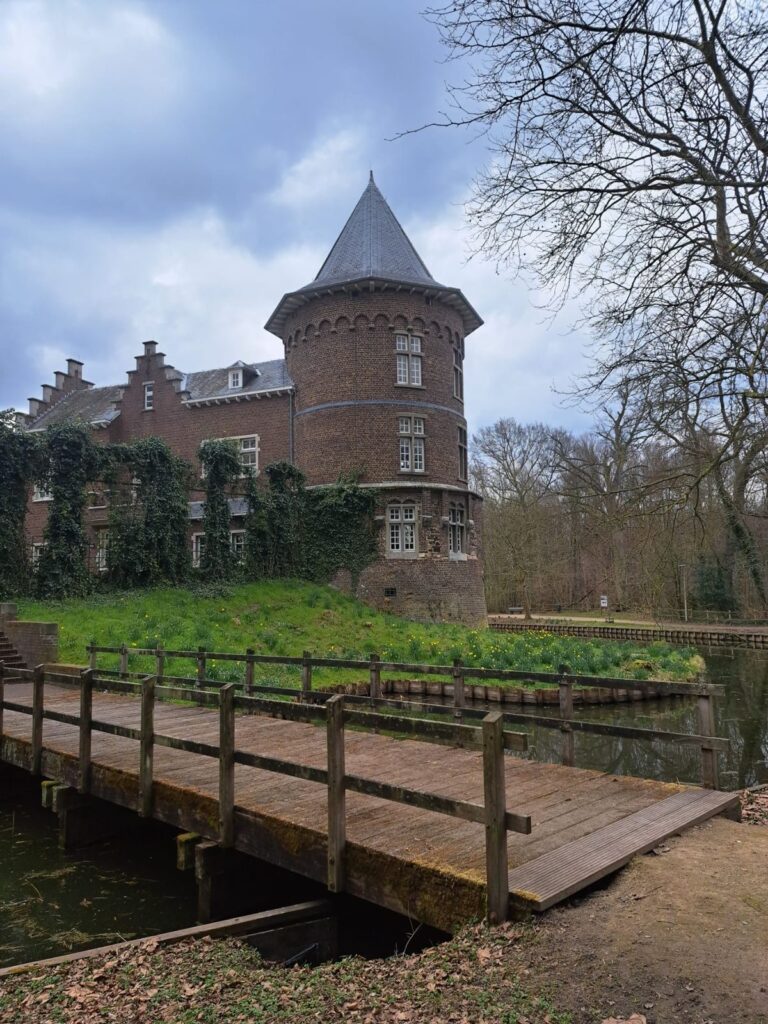
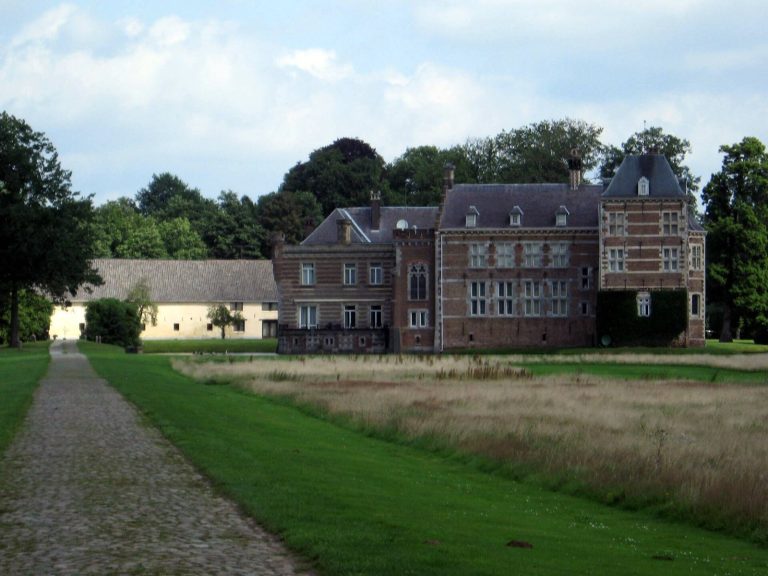
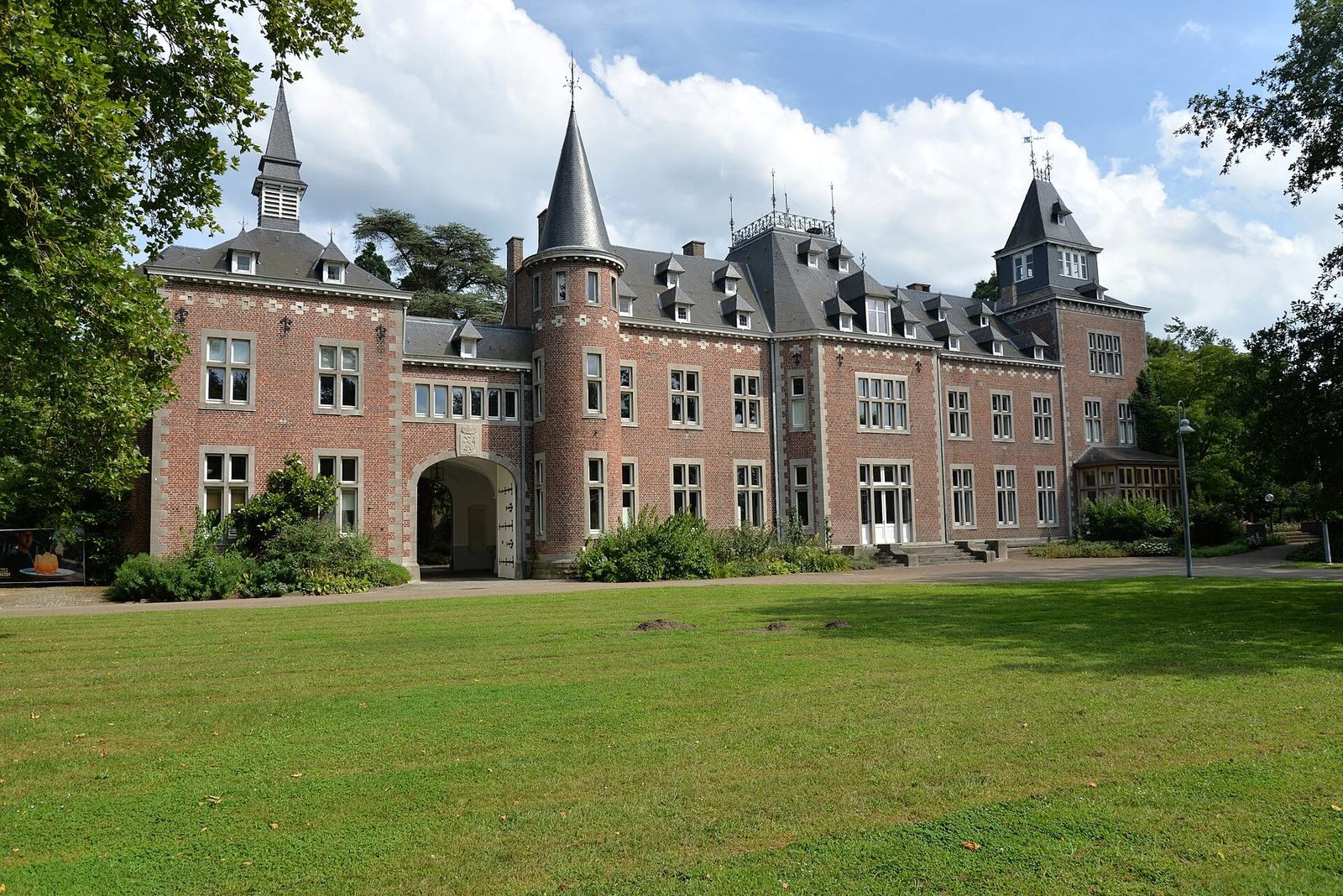
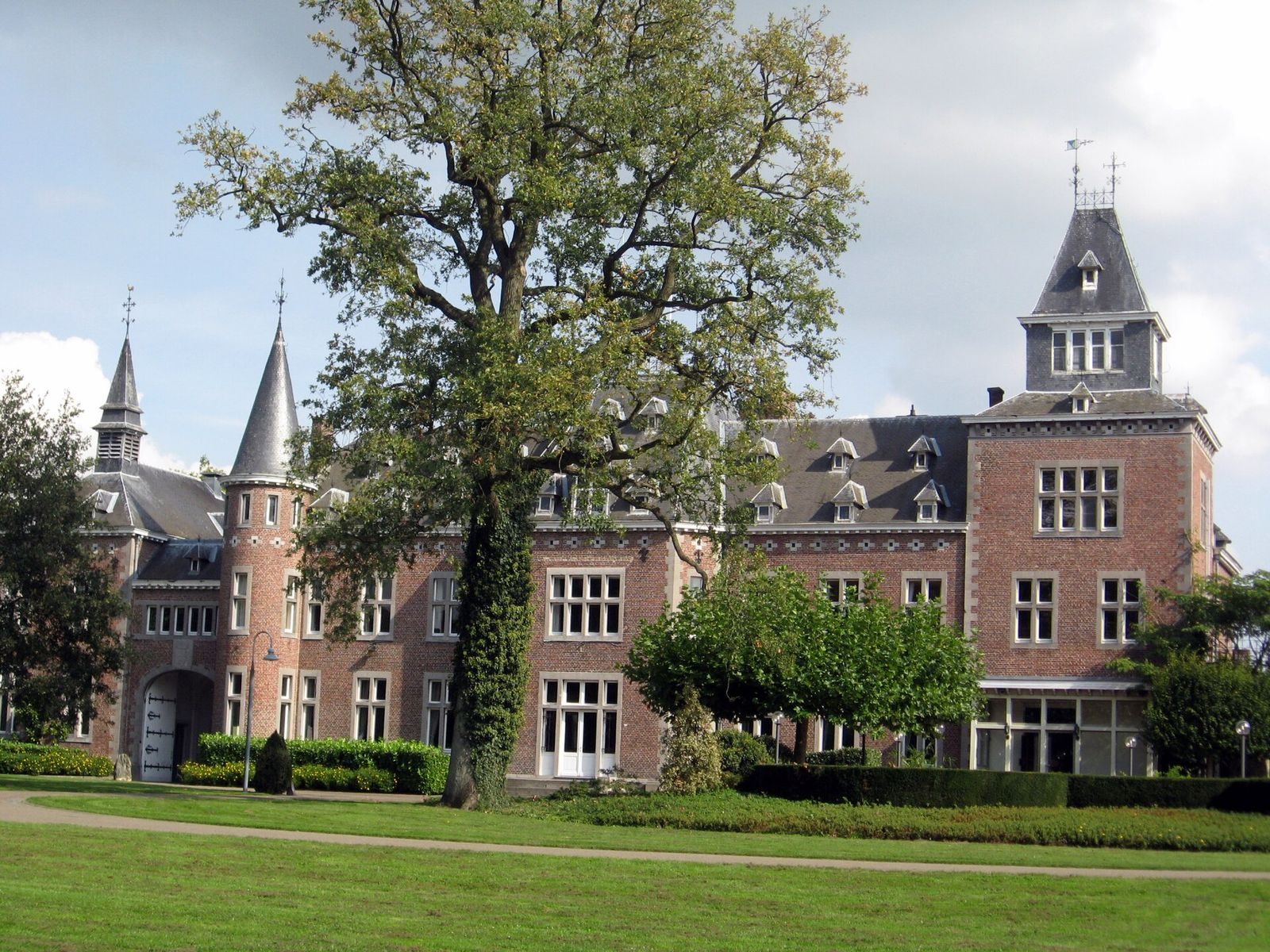
Kasteel van Bokrijk is a castle in Belgium, built between 1891 and 1898 in the Maasland Neo-Renaissance style, a regional revival drawing on Renaissance forms associated with the Maasland area. Its estate later passed through changing ownership and unsuccessful agricultural and forestry ventures before a 1937 sale to the province laid the foundation for Provincial Domain Bokrijk.
Construction and completion
Edgar Maris, a rentier whose income came mainly from property or investments, bought the Bokrijk estate from the Coghen family in 1889 and planned a castle there. Construction began in 1891, with an architect engaged for the project. To meet the costs, Maris cut down many estate trees and opened a small factory producing wood wool, fibrous wood shavings used for packing. Bokrijk railway station helped with timber shipments, and bog iron ore, iron-rich material formed in wetlands, was also extracted on the estate.
These efforts did not provide enough money to finish the castle. After three years, Maris sold the estate to Count Ferdinand de Meeûs, a European nobleman. De Meeûs completed the building in 1898, five years after acquiring the estate.
Changing ownership and provincial use
After de Meeûs died in 1916, real-estate brokers took control of the estate. It was seized after the 1918 liberation and sold in 1928 to S.V. Middenkredietkas, a credit institution associated with Boerenbond, a Belgian farmers’ organization. The new owners developed a large farm with poultry, pig and cattle operations, and asparagus cultivation. The poultry farm kept 10,000 chickens, but the poor soil made cultivation difficult, and experiments with artificial fertilizers did not make the enterprise profitable.
Forestry also failed to secure the estate’s finances. Of 400,000 pine trees, 286,000 remained, while demand for mine timber fell as metal supports increasingly replaced timber underground. In 1937, Middenkredietkas sold the entire estate to the province, establishing the basis of Provincial Domain Bokrijk.
In 1944, the castle was used to house Waffen-SS troops, the military arm of Nazi Germany’s SS, and later American troops. Restoration began in 1950, and a restaurant opened in the castle in 1952. In 2008, the building was renovated and adapted as a meeting venue for the Province of Limburg and businesses.
Remains
The castle complex included a right wing, a Neo-Byzantine chapel, and a French garden. The chapel’s revival style drew on Byzantine architecture, while the garden followed a formal, ordered layout.